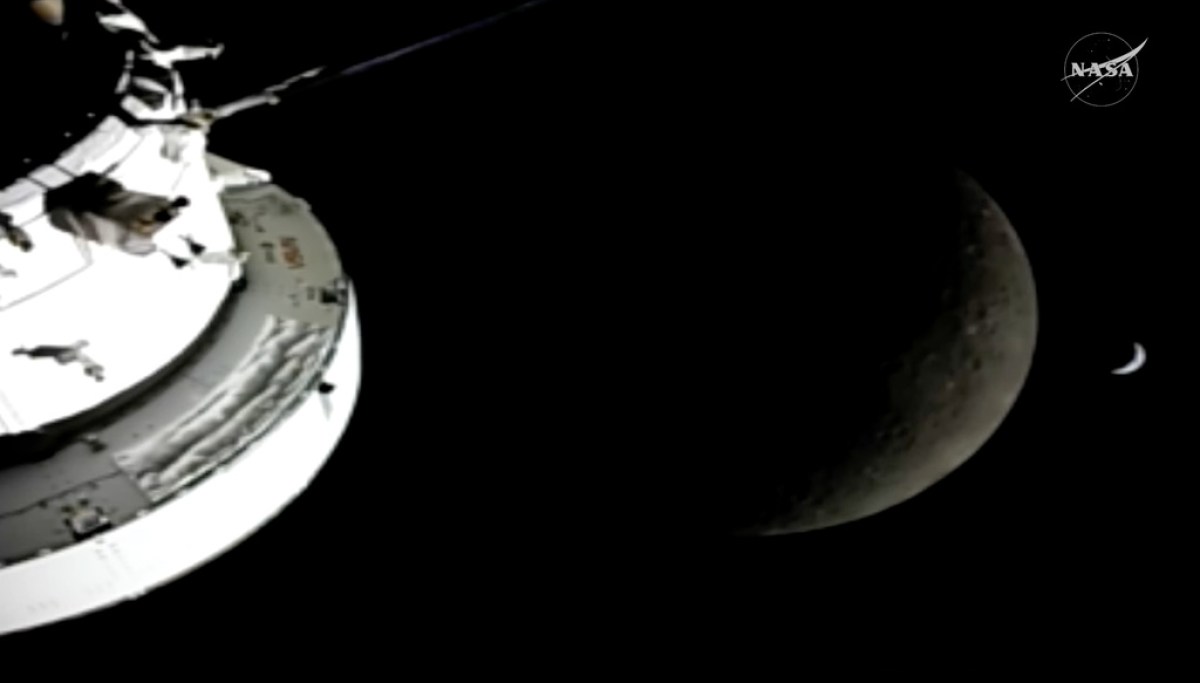
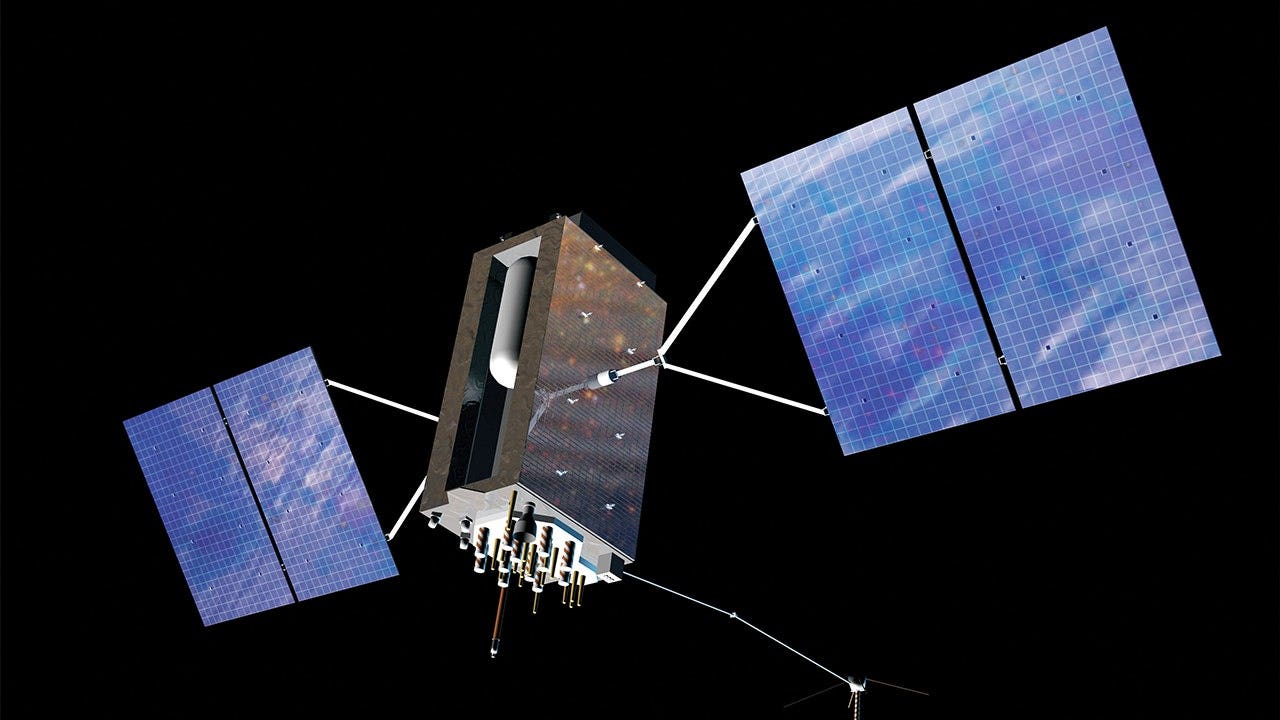
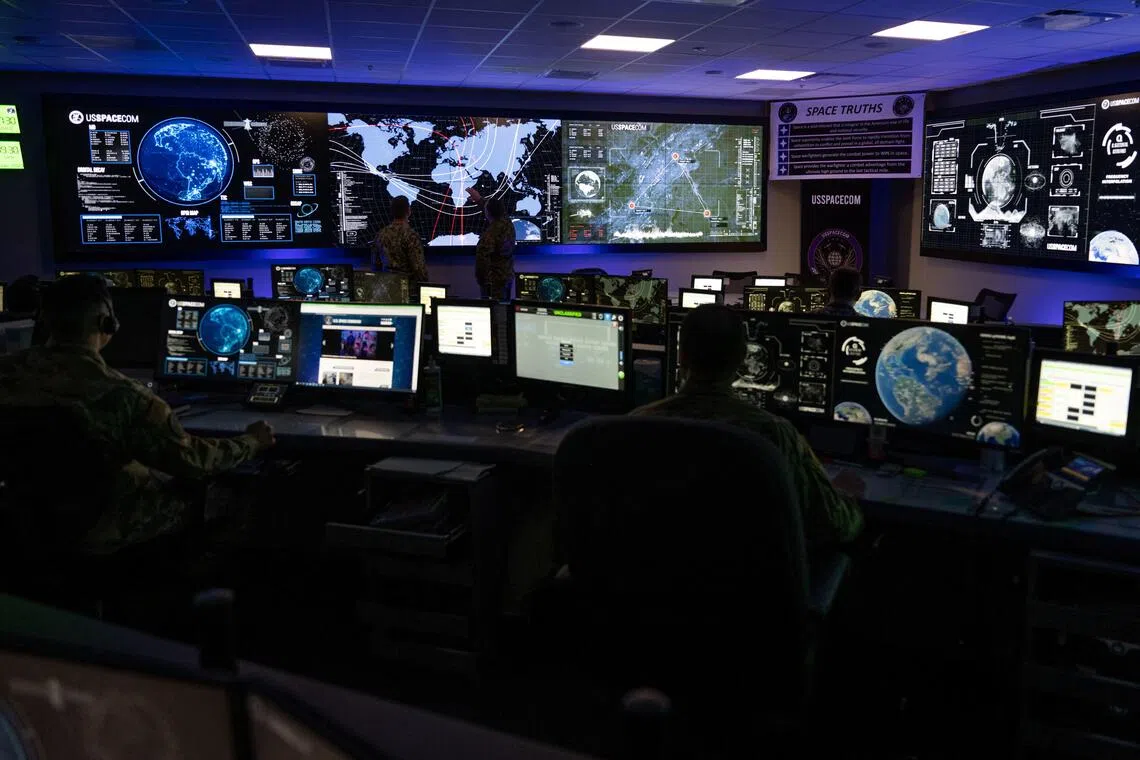
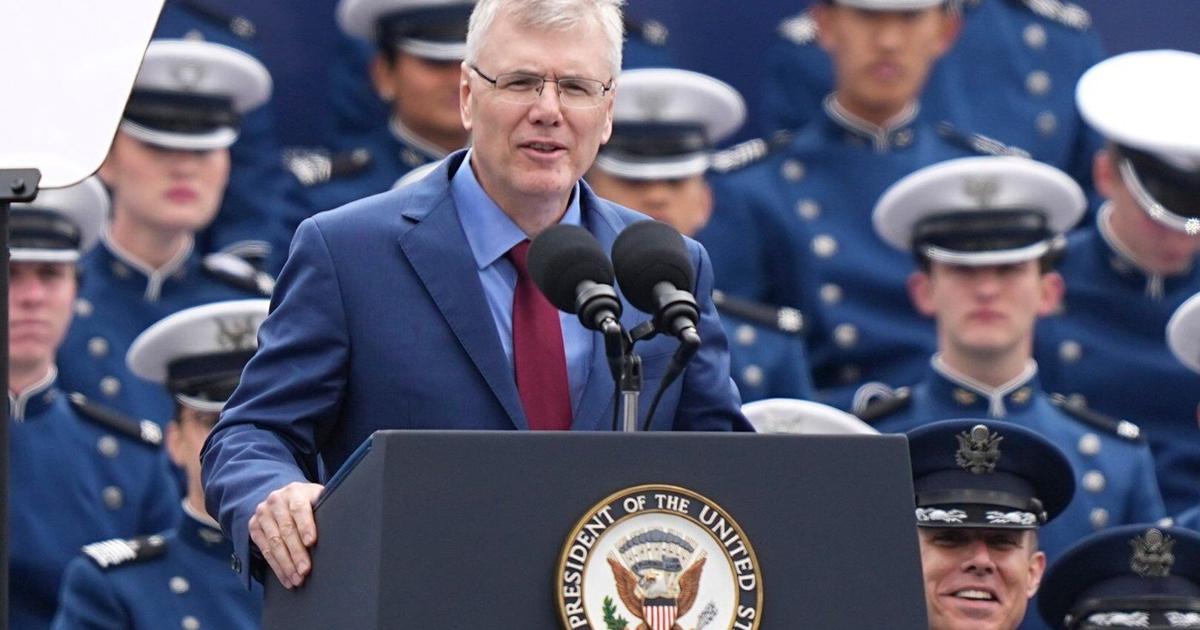
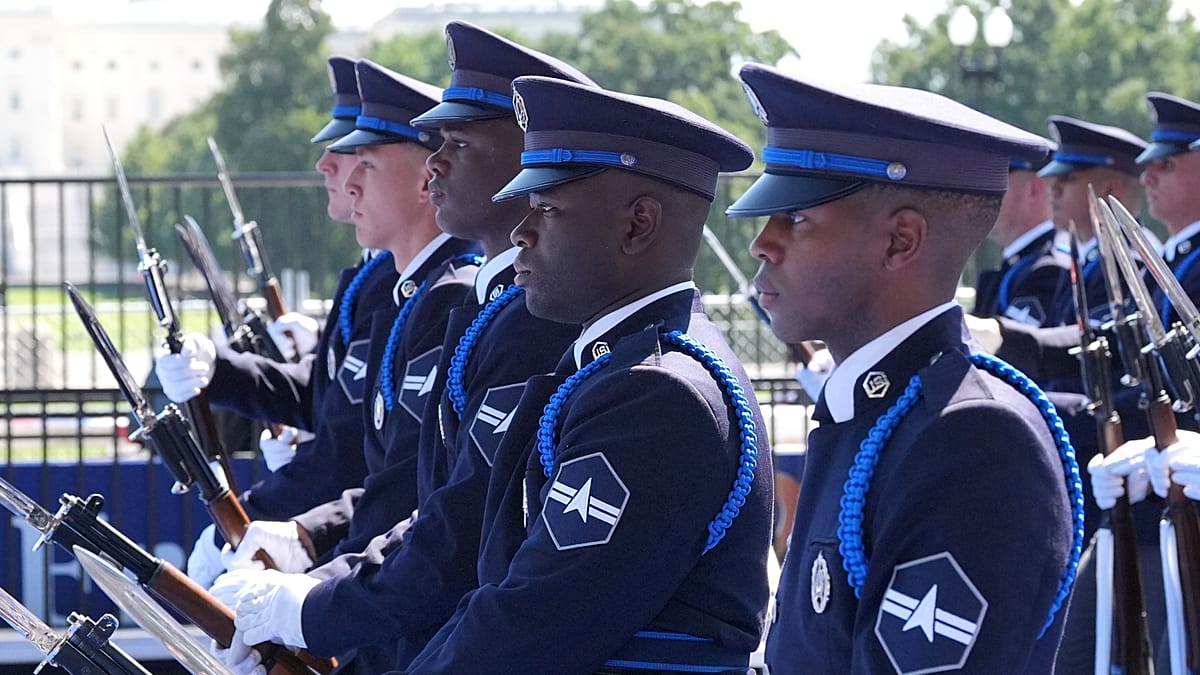
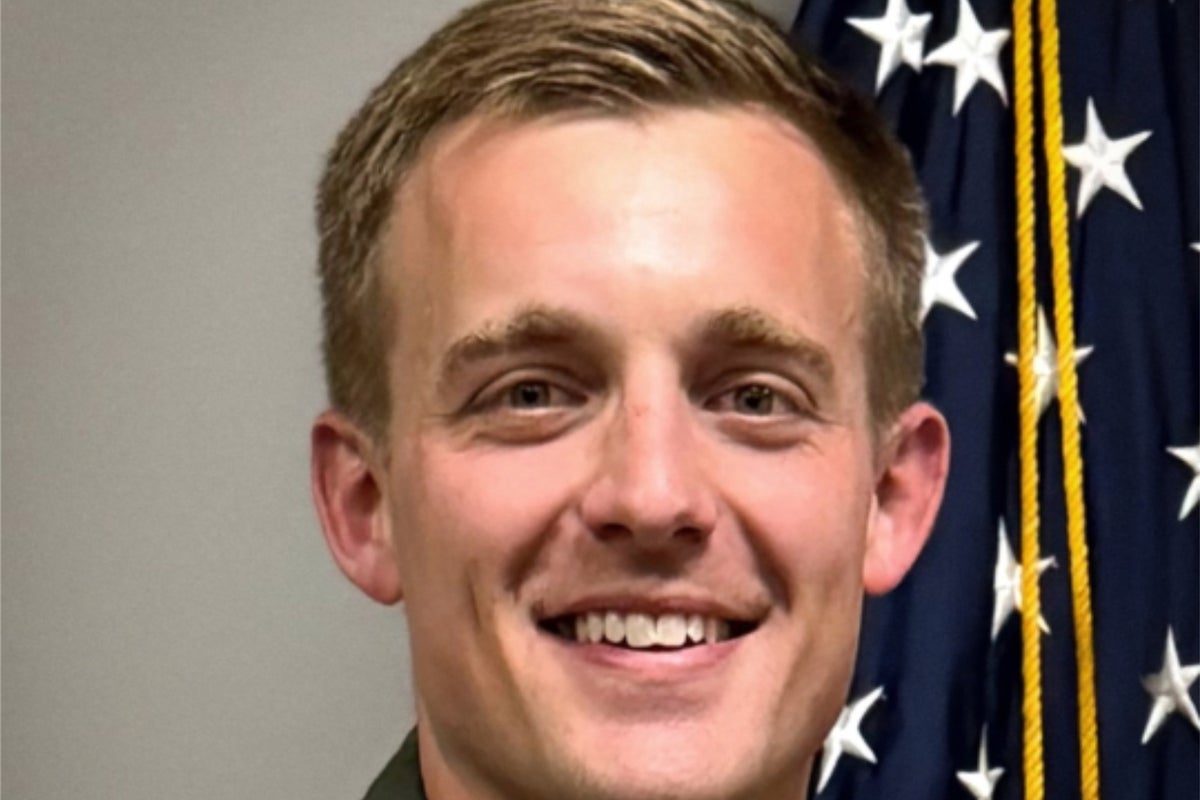
President Trump’s top military adviser, Gen. Dan Caine, has urged American troops to prepare for combat in space around the moon, marking a significant shift from previous policies. This comes after Air Force Secretary Troy Meink revealed that the US now has operational "on-orbit space control weapons," despite international norms aiming to keep outer space non-militarized. Lt. Gen. Gregory Gagnon of the Space Force emphasized that potential adversaries like China are developing their own capabilities in space, prompting a response from the U.S. military. China’s foreign ministry spokesperson has responded by calling for adherence to peaceful use and opposition to militarization of space.
Written by the local model on 2026-09-17,
using this article's own text rather than the other coverage of the
same event (that is the story summary below).
Story summary
At the Air, Space and Cyber Conference in Maryland, Gen. Dan Caine, chairman of the Joint Chiefs of Staff, emphasized the urgent need for U.S. troops to prepare for combat in cislunar space and on Earth's orbit, not just in response to China and Russia’s advancements but as humanity advances further into space. The Space Force—established by Trump in 2019—recently activated the 77th Surveillance Squadron, responsible for detecting moving targets in space, reflecting a growing military presence there. This comes days after Troy Meink, Secretary of the Air Force, confirmed that the U.S. now has weapons deployed in orbit to maintain "space superiority." While nations like the U.S., Russia, and China have demonstrated satellite destruction capabilities from Earth, the Space Force’s current mission highlights a shift towards more active space warfare readiness amidst growing concerns over potential adversaries extending conflict into space.
Written for “Space Combat Preparation” on 2026-09-17,
grounded in this article and the 3 other(s) covering the same event.
Why this leaning score
The article's own words the score was based on. Each is quoted
verbatim and was checked against the article text before being
stored, so you can find it in the original.
Leaning score +0.35 for article 14701 (high confidence, 1 verified quote) · logged 2026-09-17
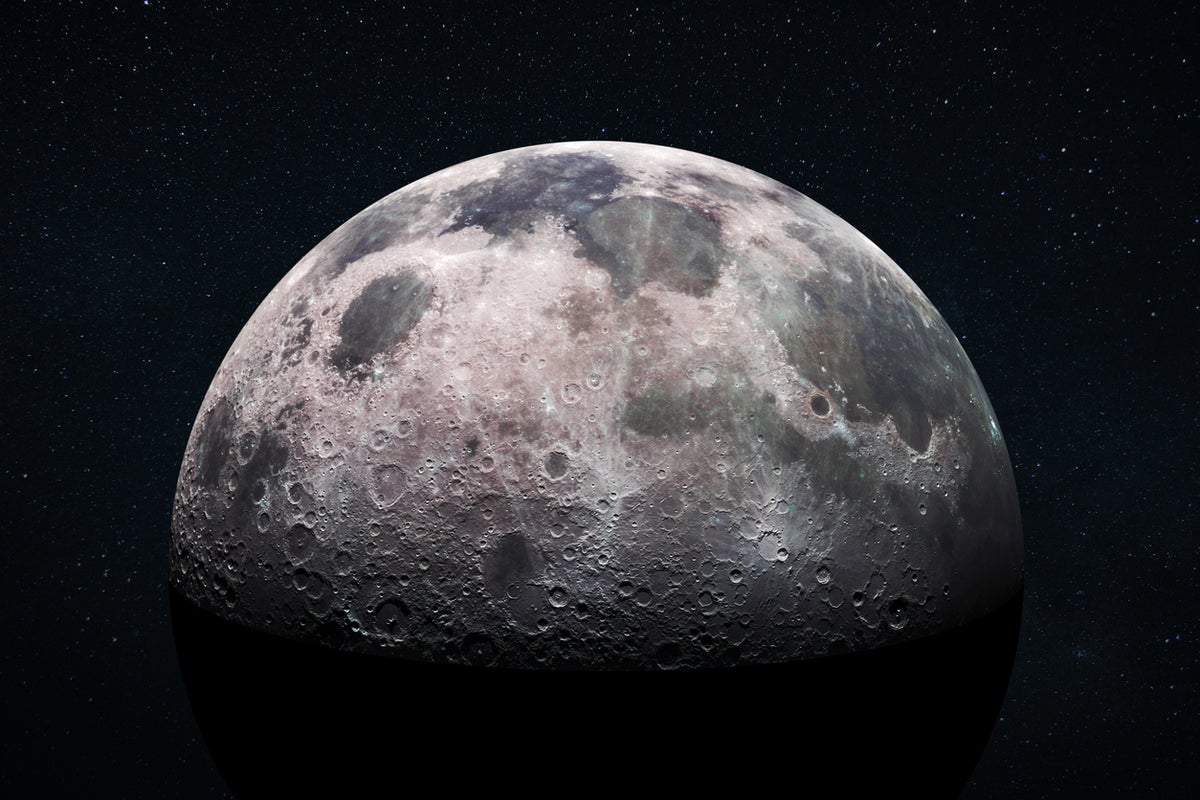
American troops must ready themselves for combat not only in Earth's orbit but in the region surrounding the moon, according to President Donald Trump’s top military adviser on Wednesday, following the first public revelation that the U.S. has deployed weapons in space.
uncertain
U.S. → ready → space
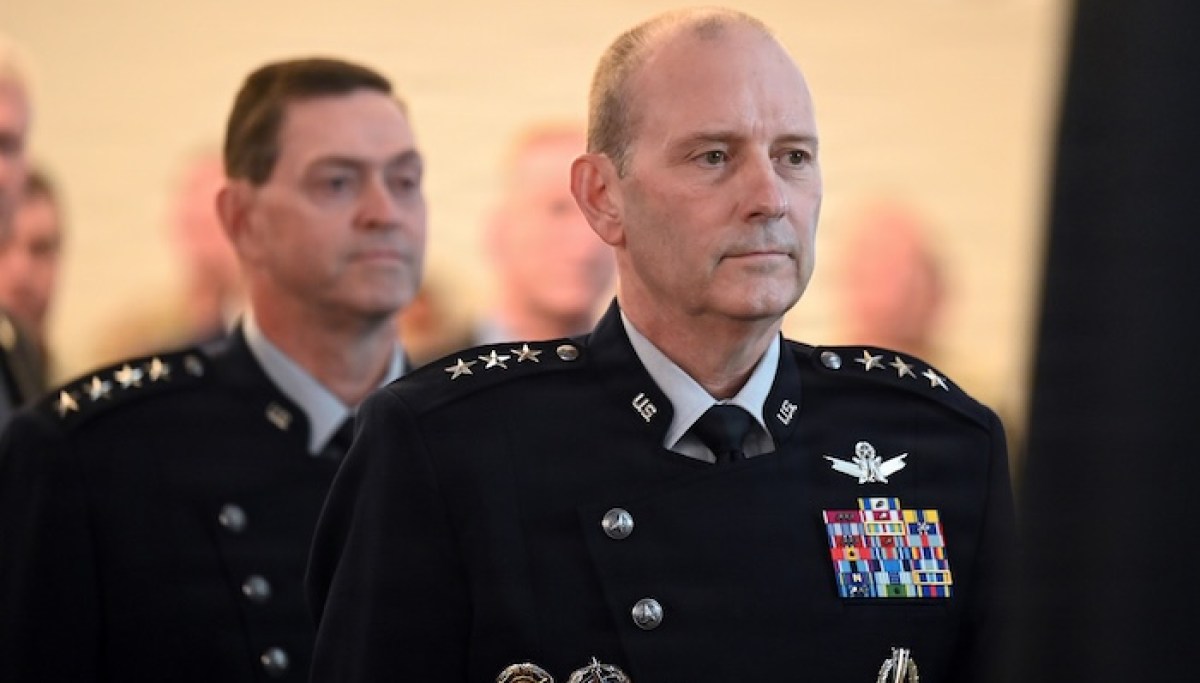
Addressing military personnel and defense industry leaders at the Air, Space and Cyber Conference near Washington, chairman of the Joint Chiefs of Staff Gen. Dan Caine urged the armed services to adapt so the military "is prepared to fight, endure and win ... from the seabed to cislunar space."
asserted
military → address → space
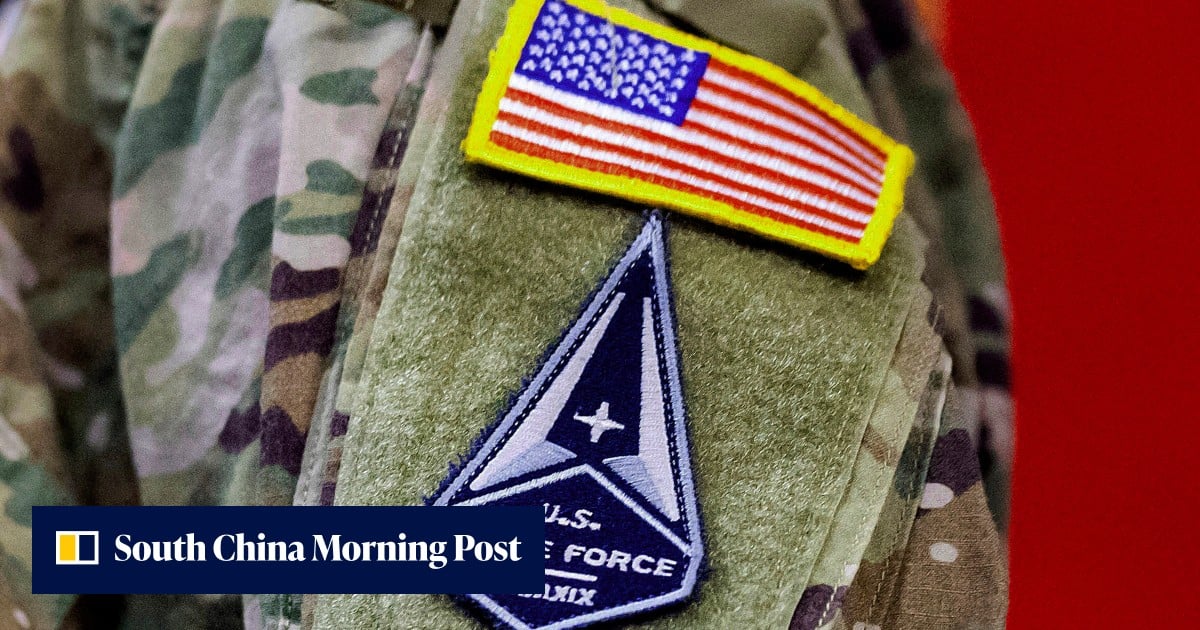
The Space Force, the newest branch of the military established by Trump in 2019, is organizing to engage in combat within orbit and lunar space.
asserted
Force → establish → orbit
Lt. Gen. Gregory Gagnon, head of the force’s Combat Forces Command, separately informed reporters that as "humanity is advancing deeper into space — the Space Force’s job is to help be prepared to defend U.S. interests.”
asserted
job → inform → interests
The disclosure that American forces are prepared to fight between high Earth orbit and the moon comes shortly after Air Force Secretary Troy Meink announced at the same event that the US has operational "on-orbit space control weapons."
asserted
US → prepare → weapons
The series of military statements regarding orbital armaments runs counter to long-established international norms intended to preserve outer space exclusively for non-militarized, peaceful purposes.
asserted
series → regard → purposes
Space Force says potential US foes may look to turn space into a battleground
While several nations, including the US, have previously demonstrated the ability to destroy satellites in Earth orbit, those tests were conducted from terrestrial locations against their own assets.
According to Gagnon, however, "the intelligence community has been clear that potential adversaries have been seeking to extend warfare into space," compelling a reaction from the US military.
uncertain
adversaries → say → military
"Our potential adversaries such as the PRC are actively pursuing activities in the system, in parts of space," Gagnon said, referring to the People's Republic of China.
asserted
Gagnon → pursue → China
China created its own dedicated military space unit in 2024, assigning it to enhance its capability to handle conflicts in space.
asserted
China → create → space
Responding to the US announcements concerning space weapons, Chinese foreign ministry spokesperson Guo Jiakun told journalists on Tuesday that "China always upholds the peaceful use of outer space, maintains outer space security and opposes the weaponization, militarization and an arms race in outer space."
asserted
China → respond → space
Guo also called on the U.S. to "stop expanding its military preparations in outer space."
asserted
Guo → call → space
It remains unclear whether placing weapons in orbit or planning for their potential employment around the moon breaches international treaties meant to limit space militarization.
uncertain
placing → remain → militarization
Treaty signed by the US says space is for peaceful purposes
The 1967 Outer Space Treaty, ratified by both the US and China, mandates that celestial bodies, including the moon, be used "exclusively for peaceful purposes," prohibits nuclear weapons in orbit, and dictates that nations remain "liable for damage caused by their space objects."
A renewed effort to strengthen UN anti-militarization rules occurred two years ago following US intelligence indicating Russia was constructing a space-based weapon.
Russia vetoed a joint US-Japanese resolution at the UN that called on all nations to refrain from deploying nuclear arms or weapons of mass destruction in space.
asserted
that → sign → space
A counter-resolution submitted by Russia to ban all weapons in space "for all time" also failed to pass.
asserted
resolution → submit → time
When asked about treaty commitments, Gagnon asserted that the U.S. Space Force "will continue to execute safe and responsible space operations in all the reaches of space."
asserted
Force → ask → space
He declined to detail specific military policies regarding conventional armaments such as projectiles or bullets in space, directing questions to the Pentagon, which did not immediately comment.
asserted
which → decline → Pentagon
Gagnon added that the US intends to double the size of the Space Force over the next five years to approximately 25,000 service members, with around two-thirds directed to Combat Forces Command.
asserted
thirds → add → Command
"We have capabilities in the military because we are preparing to defend the nation," Gagnon said.
asserted
Gagnon → have → nation
"The reason we have the capabilities is to help create deterrence."
asserted
we → have → deterrence
 The Aporia