The Aporia
The Aporia
The Aporia
Brennan, D., Haworth, J., El-Bawab, N., Pereira, I., & Kekatos, M. (2026, September 7). Iran live updates: Trump speaks to MBS, says everything will 'work out fine'. ABC News (US). https://abcnews.com/International/live-updates/iran-live-updates-tehran-plans-new-restricted-zone/?id=136249116
Brennan, David, et al. “Iran live updates: Trump speaks to MBS, says everything will 'work out fine'.” ABC News (US), 7 Sept. 2026, https://abcnews.com/International/live-updates/iran-live-updates-tehran-plans-new-restricted-zone/?id=136249116.
Brennan, David, et al. “Iran live updates: Trump speaks to MBS, says everything will 'work out fine'.” ABC News (US), September 7, 2026. https://abcnews.com/International/live-updates/iran-live-updates-tehran-plans-new-restricted-zone/?id=136249116.
Dated when The Aporia collected the article, usually within hours of publication. Check the original for its exact date and byline.
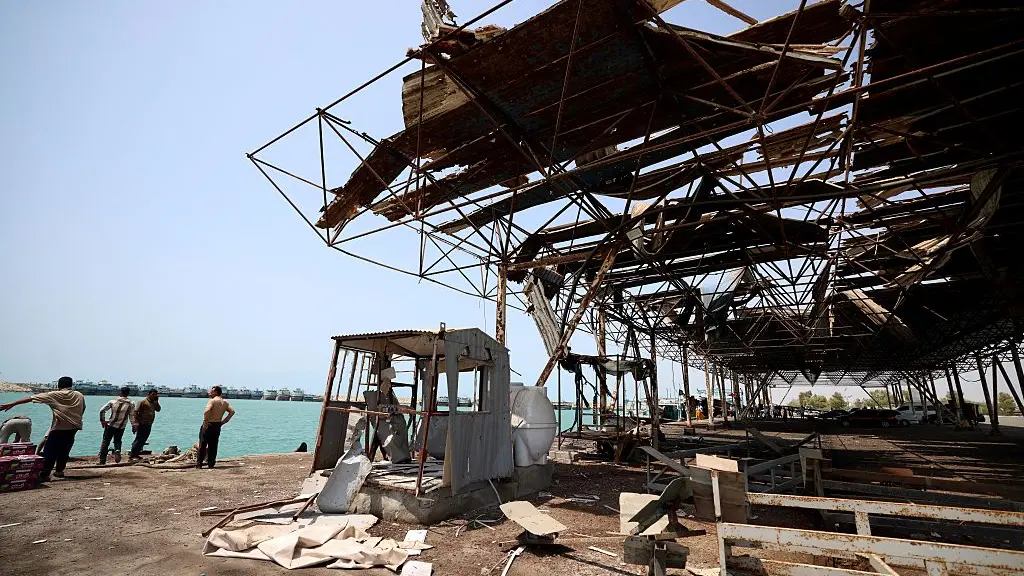
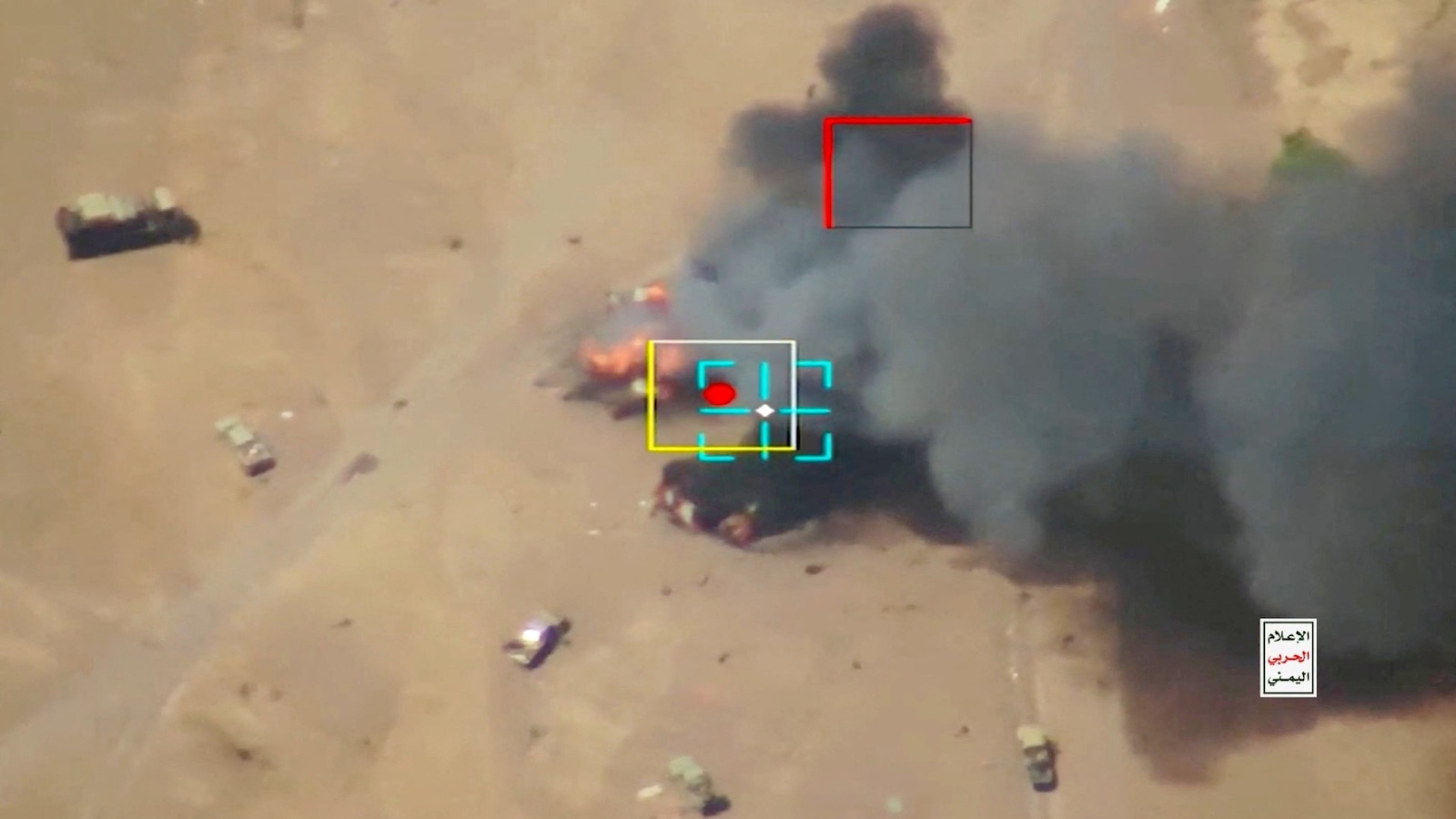
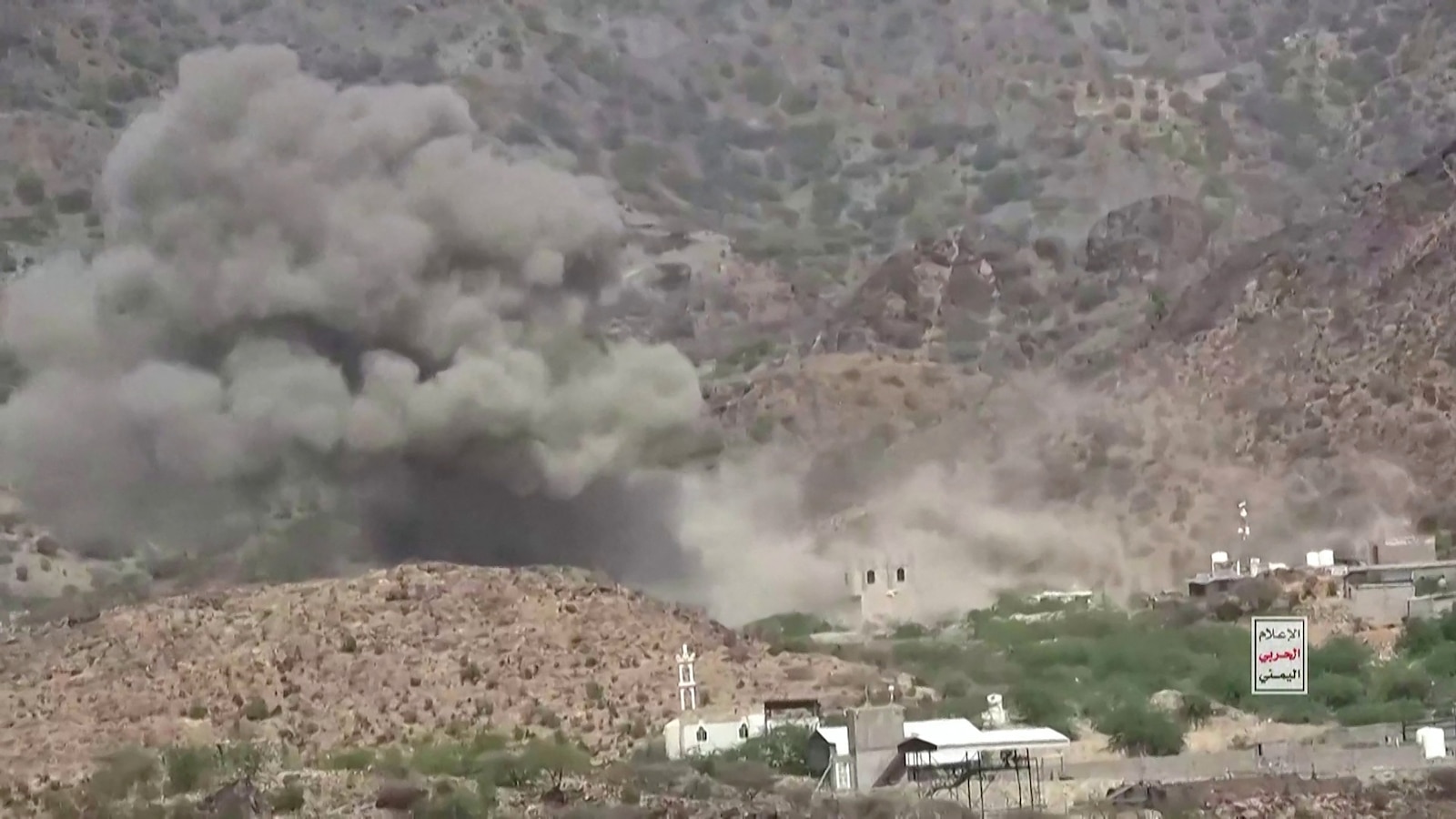
Houthis in Yemen have advanced rapidly, capturing Perim Island at the mouth of the Red Sea and launching missile strikes against Saudi Arabia’s East-West oil pipeline, pushing oil prices above $US100 per barrel. The attacks disrupted a critical supply route that allowed oil tankers to bypass the blockaded Strait of Hormuz, which handles around 20% of global oil trade. Goldman Sachs raised its forecast due to continued Middle East shipping disruptions expected into 2027, as tensions between Saudi Arabia and Iran-backed Houthis escalate. The conflict also threatens the Bab el-Mandeb strait, another vital waterway connecting the Red Sea to the Gulf of Aden. Global oil prices are rising amid concerns over potential supply shortages and increased risks to shipping routes crucial for Saudi Arabia's crude oil exports.