Iran Threatens to Target U.S. Energy Assets in Gulf If U.S. Strikes Again

TIME · collected 2026-09-08 · by Miranda Jeyaretnam
Read the original at TIME ↗

Summary

Iran's Parliament Speaker Mohammad Bagher Ghalibaf warned that if the US launches new attacks on its assets, Iran could target US oil and gas interests in the Gulf. Ghalibaf claimed that American companies' exposure to potential strikes is significant due to their sprawling facilities in the region. The warning comes as Iran seeks greater leverage amid ongoing economic pressure from the US. Iran has announced plans for a new "exclusion zone" in the Persian Gulf, where vessels entering the area would be subject to Iranian sanctions.
Written by the local model on 2026-09-08, using this article's own text rather than the other coverage of the same event (that is the story summary below).

Signals How these are calculated →

Claims extracted
39
claim-shaped sentences
Uncertain
13%
5 of 39 hedged
Leaning
Leans strongly right
of the writing, not the subject
Publisher trust
95.0
red-flag proxy, not a credibility rating
Outlets on this story
63
World
Narrative spread
1
articles carrying this framing
Analyzed 2026-09-08 · how these are computed

AI analysis (generated at analysis time, not now)

Story summary

Iran and the US are engaged in a escalating conflict in the Strait of Hormuz, a key waterway for global oil shipments. On Sunday, Iran claimed it struck an unmanned US Navy vessel that was trying to enter the strait, but the US military denied this, calling it a "total lie". This incident came after the US military said it had struck three Iranian oil tankers in response to missile attacks on two US Navy warships.

The conflict began with US and Israeli attacks on Iran on February 28, but since a ceasefire agreement was announced in June, fighting has persisted. The US has adopted a dual-pronged approach, responding militarily to attacks on the strait while also going after foreign financial institutions that handle Iranian money.

Iran's security chief, Mohsen Rezaei, announced that his country would establish a restricted zone outside the Strait of Hormuz, with ships entering the area being placed on a sanctions list. The US has also taken steps to counter Iran's actions, redirecting 92 commercial vessels, disabling three, and boarding two others to ensure compliance with its blockade.

Former US Defense Secretary Leon Panetta predicted that the conflict would continue for another six months, saying it was a "forever war in the Middle East" that the US risked becoming mired in. Meanwhile, a report from The Straits Times noted that Iran's leverage in the strait may be waning due to an unprecedented economic squeeze by the US, which has cut state revenues and disrupted shipping.

The conflict has resulted in at least five people killed earlier in the week during a US bombardment of southern Iran. The US naval blockade against Iranian ports remains in place, while Tehran continues to maintain control over the Strait of Hormuz, considered the world's most critical oil chokepoint.

Written for “Iran Strait of Hormuz Conflicts” on 2026-09-08, grounded in this article and the 62 other(s) covering the same event.
Why this leaning score
The article's own words the score was based on. Each is quoted verbatim and was checked against the article text before being stored, so you can find it in the original.
Score +0.85 Confidence high 1 quote(s) discarded as not found in the article
Leaning score +0.85 for article 7059 (high confidence, 1 verified quote) · logged 2026-09-08

Story

📰 Iran Strait of Hormuz Conflicts
World · 63 article(s) covering the same event.

How this is being covered How these are calculated →

Article leaning vs. publisher reliability
Source leaning vs. consistency

Compared with similar articles

This article reads leans strongly right and hedges 13% of its claims. Each row says how that neighbour differs.
ABC News (US)
⚖️ Leans right further left than this 🔴 0% hedged 0 of 7 📰 publisher trust 95
“Both articles report on Mohammad Bagher Ghalibaf's response to Pete Hegseth's threat, with identical quotes from Ghalibaf, indicating they are describing the same specific event.”
Semafor
⚖️ Leans right further left than this 🔴 0% hedged 0 of 3 📰 publisher trust 96
“Article A discusses the US's economic pressure campaign on Iran and its impact on oil prices, while Article B reports on a threat from Iran to target US energy assets in response to potential US attacks.”
CBS News
⚖️ leaning not scored 🔴 9% hedged 15 of 162 📰 publisher trust 60
“The second article reports a threat from Iran, but does not mention any new attacks or incidents having occurred since the first article's report on September 3.”
NPR
⚖️ Leans strongly right 🔴 10% hedged 2 of 20 📰 publisher trust 59
“Article A describes a recent attack on U.S. ships by Iran, while Article B discusses a potential future threat from Iran and does not mention any new attack or incident”
The Globe and Mail
⚖️ leaning not scored 🔴 0% hedged 0 of 2 📰 publisher trust 41
“The two articles cover different incidents, with Article A reporting a US military strike on Iranian oil tankers and Article B discussing Iran's potential retaliation threat against US energy assets”
The Hindu
⚖️ Leans right further left than this 🔴 6% hedged 1 of 18 📰 publisher trust 96
“Article A describes the U.S. destroying three Iranian oil tankers on September 5, while Article B is a statement from Iran's Parliament Speaker warning of potential retaliation if the U.S. strikes again, without mentioning any specific incident”
The Straits Times
⚖️ Leans strongly right 🔴 8% hedged 2 of 26 📰 publisher trust 94
“Article B is a reaction to potential future attacks, while Article A describes an actual attack that has already occurred on September 5”
The Hindu
⚖️ leaning not scored 🔴 0% hedged 0 of 7 📰 publisher trust 96
“Both articles describe a response from Iranian Parliament Speaker Mohammad Bagher Ghalibaf to U.S. attacks on September 6, 2026, and mention similar quotes from him about retaliation.”
South China Morning Post
⚖️ Leans right further left than this 🔴 9% hedged 1 of 11 📰 publisher trust 94
“The events described are related but not the same, as Article A refers to a response by Iran after US ship attacks and Article B refers to a warning from Iran in anticipation of potential future US actions.”
Semafor
⚖️ Leans right further left than this 🔴 0% hedged 0 of 4 📰 publisher trust 96
“Article A describes a two-way attack on oil tankers between the US and Iran, while Article B warns of potential future retaliation by Iran if the US strikes again”

Publisher

TIME · 83 article(s) · 0 correction(s) detected
No corrections detected for this publisher. That may mean careful reporting, or simply that nothing has been checked.

Who wrote this

Miranda Jeyaretnam
4 article(s) here · 1 carrying a prediction
🔮 Iran warned on Monday that it could target U.S. oil and gas interests in the Gulf if the U.S. launches any new attacks on its assets.
🔮 Without an absolute majority, it would need a coalition partner or support from lawmakers outside the party to form a government—something that German mainstream parties have thus far refused to provide.
🔮 U.S. users looking for Lake Ontario on Google Maps will now find “Lake America” in its place, after President Donald Trump’s executive order to rename the lake amid an escalating trade stoush.
Also by Miranda Jeyaretnam
Nothing else under this byline is closely related to this article, so these are simply their most recent.

Topics

Iran Iranian Parliament Tehran U.S.

Subjects

U.S. GPE · 16× Iran GPE · 13× Iranian NORP · 9× Tehran GPE · 3× IRGC ORG · 2× American NORP · 1× Ghalibaf PERSON · 1× Mohammad Bagher Ghalibaf PERSON · 1× Parliament ORG · 1× Pete Hegseth PERSON · 1×

Narrative

Responding to U.S. Defense Secretary Pete Hegseth’s warning that “if Iran shoots at U.S. ships, we will destroy (and sink) their oil tankers,” Iranian Parliament Speaker Mohammad Bagher Ghalibaf said: “It’s simple: the oil and gas production chain here is sprawling, accessible, and exposed.
framing: assertive · carried by 1 article(s) · first seen 2026-09-08
🔮 Iran warned on Monday that it could target U.S. oil and gas interests in the Gulf if the U.S. launches any new attacks on its assets.

Claims (39 extracted, 5 hedged)

Iran warned on Monday that it could target U.S. oil and gas interests in the Gulf if the U.S. launches any new attacks on its assets. uncertain
U.S. → warn → assets
Responding to U.S. Defense Secretary Pete Hegseth’s warning that “if Iran shoots at U.S. ships, we will destroy (and sink) their oil tankers,” Iranian Parliament Speaker Mohammad Bagher Ghalibaf said: “It’s simple: the oil and gas production chain here is sprawling, accessible, and exposed. asserted
chain → respond → tankers
American oil and gas companies across these waters and facilities share that exposure.” asserted
companies → share → exposure
“Strike our assets and you get struck,” he added. asserted
he → strike → assets
“We’ve already proven it.” asserted
We → prove → it
Ghalibaf’s warning comes as Tehran seeks greater leverage amid Washington’s ongoing economic pressure campaign and stalled efforts to negotiate an end to the war that the U.S. and Israel launched on Feb. 28. asserted
U.S. → come → Feb.
Mohsen Rezaei, Iran’s Supreme National Security Council Secretary, told Iranian state TV on Sunday that Tehran has concluded “new strategies must be adopted in the war, in negotiations, and in confronting the blockade.” asserted
strategies → tell → blockade
Among the measures planned is a new “exclusion zone” in the Persian Gulf and Gulf of Oman. asserted
zone → plan → Oman
The zone would begin at the blockade line, extend through the Strait of Hormuz, and continue into the Persian Gulf, Rezaei said. asserted
Rezaei → begin → Gulf
Vessels entering the zone to transit the Strait would be placed on an Iranian sanctions list. asserted
Vessels → enter → list
The latest flare-up began Saturday, when Iran’s Islamic Revolutionary Guard Corps (IRGC) attacked U.S. warships in the region. asserted
Corps → begin → region
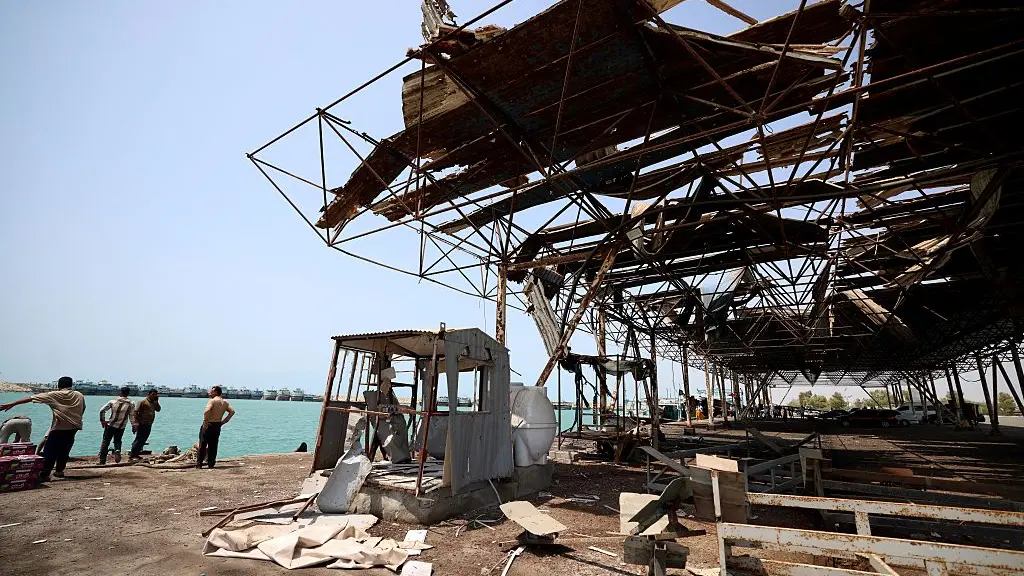
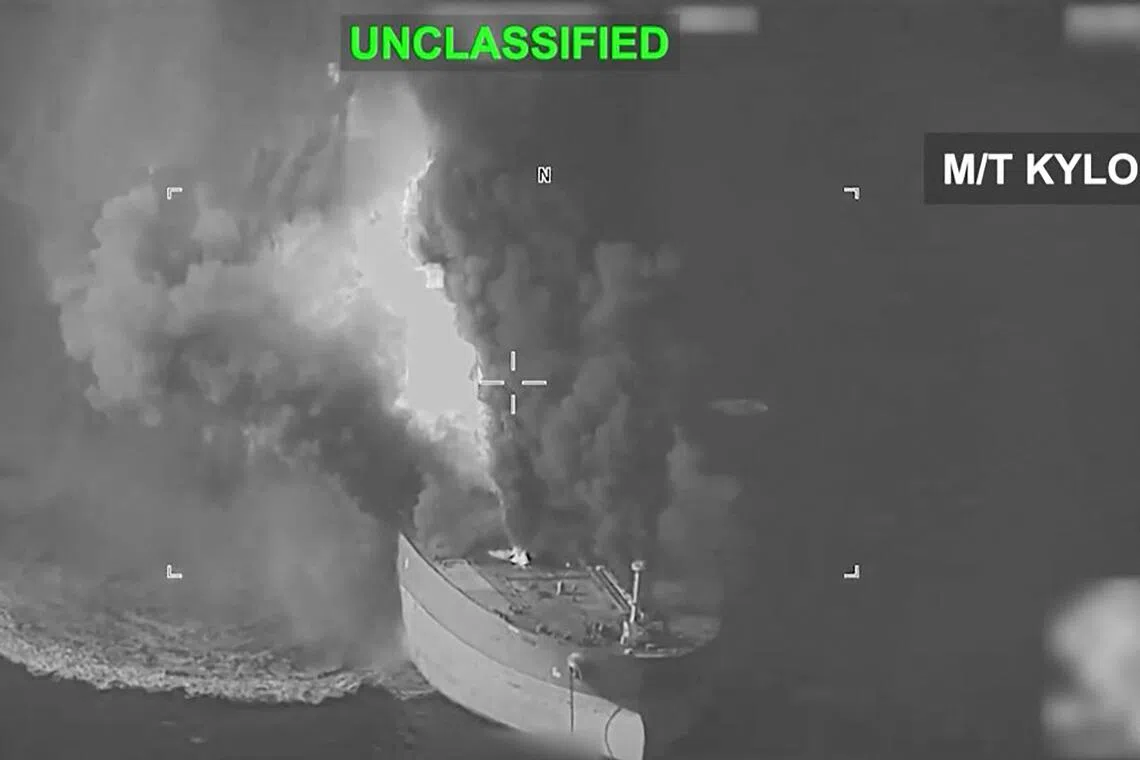
The U.S. responded by striking three Iranian oil tankers, including one near Kharg Island, Iran’s main oil export hub. asserted
U.S. → respond → Island
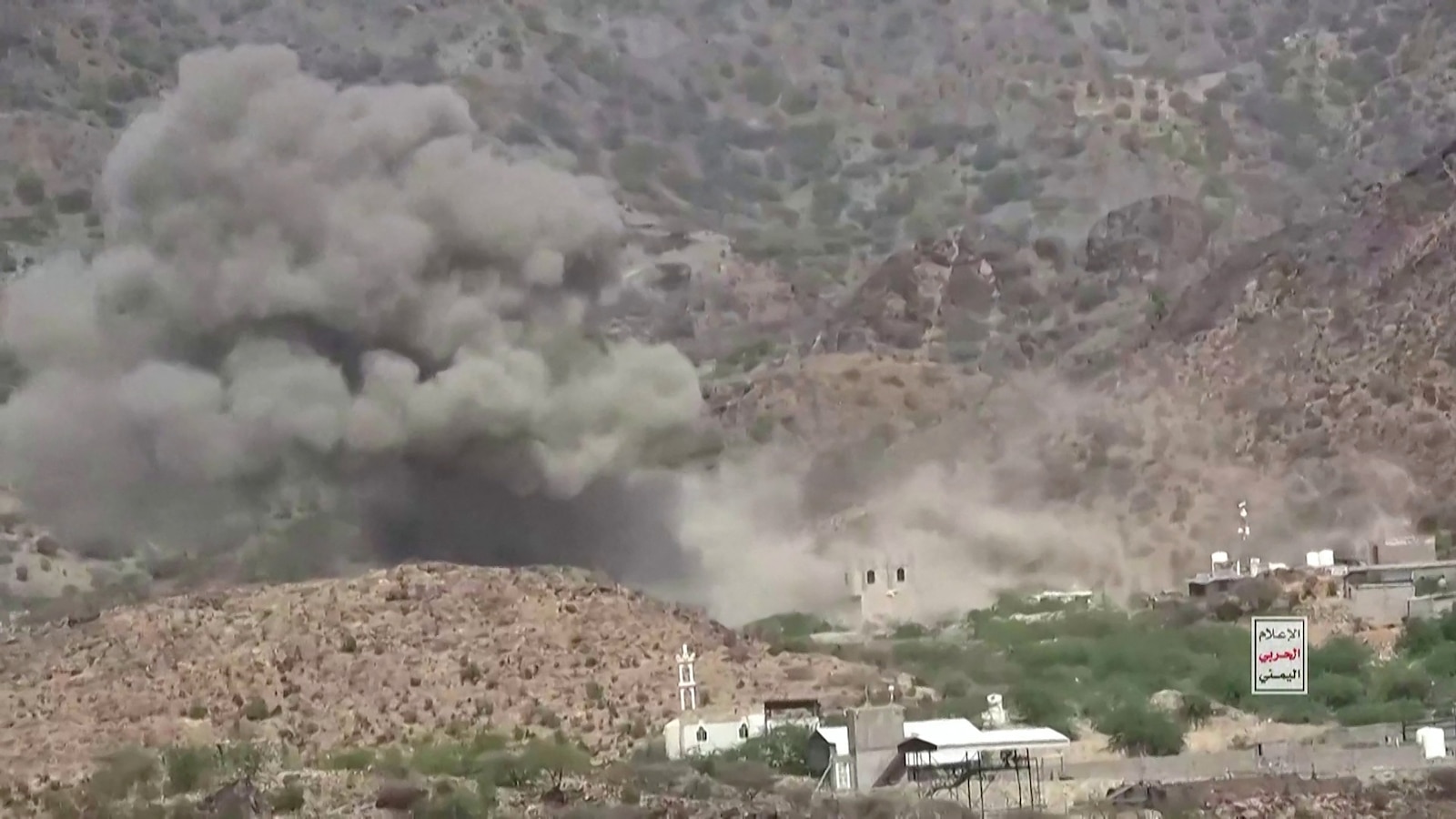
The U.S. and Iran have for the past week exchanged a flurry of attacks, ending a brief respite in active hostilities. asserted
U.S. → exchange → hostilities
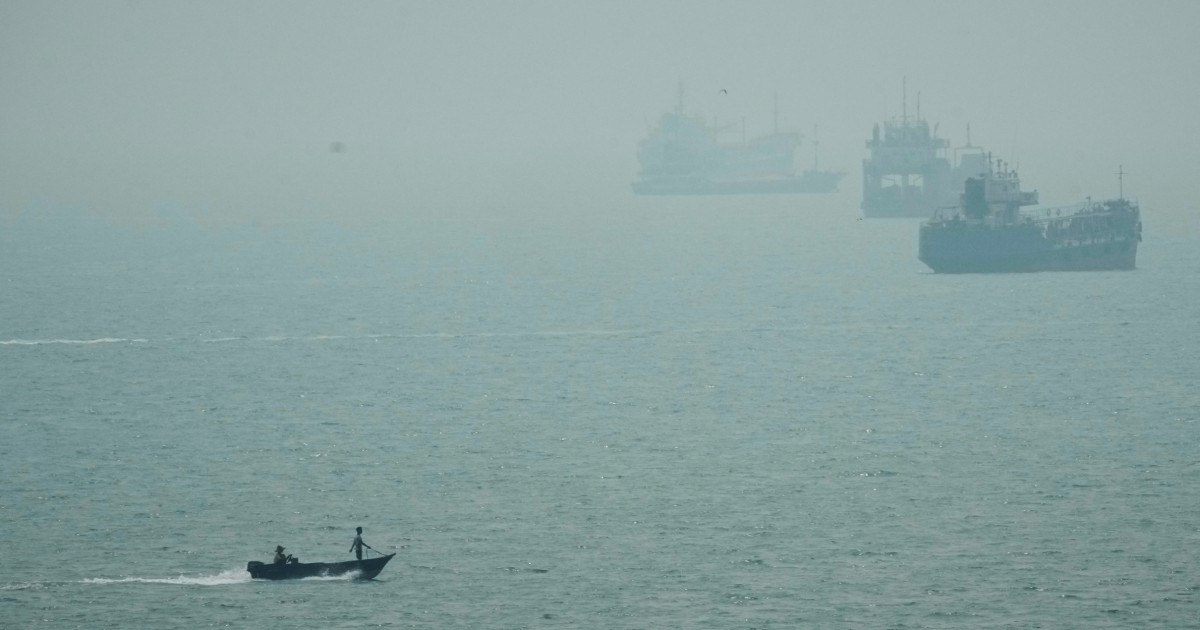
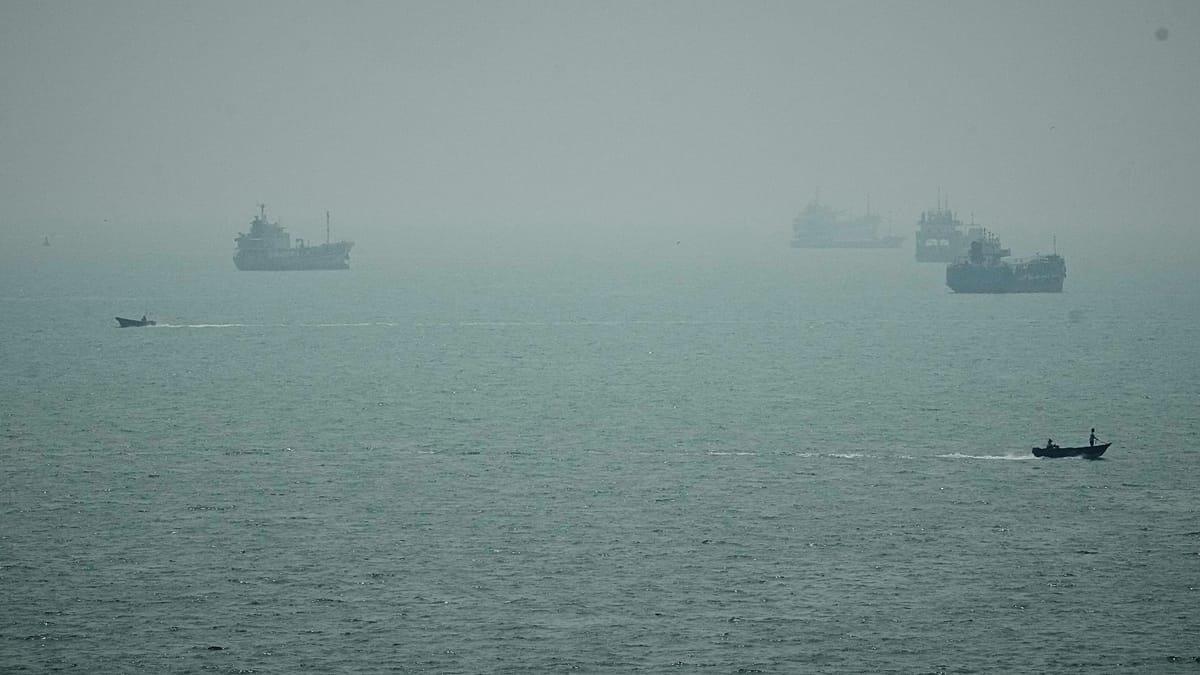
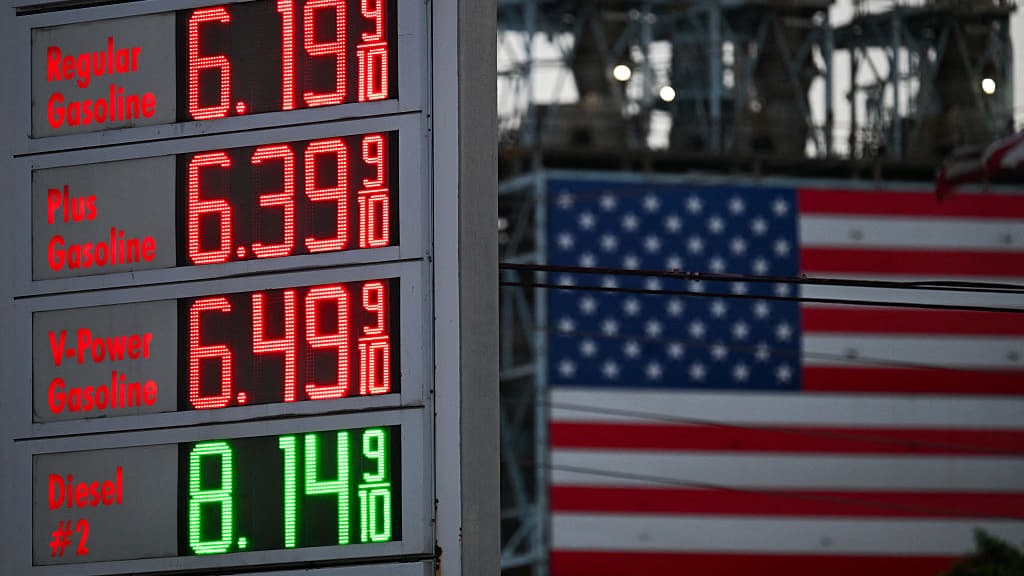
Oil prices reached near six-week highs on Monday as commercial traffic through the Strait of Hormuz, a narrow waterway through which a fifth of global oil and liquefied natural gas shipments flowed before the war, has fallen sharply. asserted
fifth → reach → war
Negotiations remain at a standstill Diplomatic efforts between the U.S. and Iran have stalled. asserted
efforts → remain → U.S.
The two countries signed a Memorandum of Understanding (MOU) on June 17, agreeing to reopen the Strait of Hormuz and engage in technical talks to end the war. asserted
countries → sign → war
But the truce was short-lived. asserted
truce → live → ?
After a commercial vessel was struck in the Strait in late June, the U.S. attacked Iranian missile storage and radar sites, prompting Iran to retaliate against U.S. military installations in the region. asserted
U.S. → strike → region
Intermittent attacks continued in July, and fighting resumed in late August after a brief, informal pause. asserted
fighting → continue → pause
The Trump Administration has said it is investigating a U.S. strike last week on a family compound in southern Iran where a wedding celebration was underway, killing at least five people and wounding more than 60, according to Iranian state media. uncertain
celebration → say → media
No new formal negotiations have been announced since the MOU’s 60-day deadline expired on Aug. 17. asserted
deadline → announce → Aug.
Although some of Iran’s top officials, including President Masoud Pezeshkian, have signaled a willingness to return to the MOU and resume talks with the U.S., the two countries’ positions remain far apart. asserted
positions → include → U.S.
The U.S. wants to significantly restrict or dismantle Iran’s nuclear program and guarantee unrestricted commercial passage through the Strait of Hormuz. asserted
U.S. → want → Hormuz
Iran has called for broad sanctions relief, access to frozen assets, an end to the U.S. naval blockade of Iranian ports, and a role in managing the Strait. asserted
Iran → call → Strait
Hard-liners in Iran have shown little appetite for compromise on those red lines, and analysts previously told TIME that Iranian leaders may believe time is on their side, with Tehran prepared to absorb further economic and military pressure in hopes that rising energy prices will eventually prove too politically costly to U.S. President Donald Trump. uncertain
prices → show → Trump
“The Iranian nation accepts neither threats nor coercion, nor negotiations whose outcome would be the weakening of the country’s rights,” Hossein Taeb, head of the IRGC’s Basij paramilitary force, said on Monday. asserted
Taeb → accept → Monday
“Negotiations are for securing the nation’s rights, not surrendering them.” asserted
Negotiations → secure → them
While Trump faces domestic pressure to rein in gas prices and avoid an open-ended war in the Middle East ahead of the November midterms, he has also appeared determined to secure an outcome he can present as a victory. asserted
he → face → victory
“I’m not trying to force Iran to the bargaining table,” Trump posted on Truth Social last week. asserted
Trump → try → Social
“I like our position now much better, with almost total control of the Hormuz Strait, and their economy totally collapsing. asserted
economy → like → Strait
They are just playing out the inevitable.” asserted
They → play → inevitable
Iran considers new tactics Iran is planning to establish a new restricted zone to amp up global economic pressure and force an end to the U.S. blockade. asserted
Iran → consider → blockade
At the same time, Iran and Oman have agreed on a temporary shipping corridor through the Strait of Hormuz and are in talks on its future administration—an arrangement that could formalize Tehran’s role in managing the waterway against U.S. opposition. uncertain
that → agree → opposition
But Ghalibaf acknowledged in parliament on Sunday that Iran is struggling with sharp inflation, a collapsing rial, and high unemployment. asserted
Iran → acknowledge → inflation
Washington’s economic pressure campaign, which includes the naval blockade, sanctions on Iran, and the threat of secondary sanctions on Iran’s trading partners, has squeezed Tehran. asserted
which → include → Tehran
The International Monetary Fund estimates that inflation in Iran is near 70%. asserted
inflation → estimate → %
The Strait of Hormuz, which Iran began restricting at the start of the war, has been the country’s most important bargaining chip. asserted
Iran → begin → war
But that leverage may be weakening as Gulf states turn to routes that bypass the Strait and the U.S. escorts shipments through the corridor. uncertain
U.S. → weaken → corridor
The conflict has also inflicted mounting costs on Iran’s own economy by trapping tens of millions of barrels of Iranian crude inside the Gulf. asserted
conflict → inflict → Gulf

💬 Give feedback
🕘 History 🎫 Support