That is 0 articles you have read today.
The Aporia is free and carries no advertising, so readers are the only
thing paying for it. If you are getting this much out of it, a small
donation is what keeps it independent.
Daily limit reached
You have read 0 articles today.
That is more than the 15 a day The Aporia gives away,
and well past what it can carry on nothing. Your allowance resets at
midnight.
There is no advertising here and nothing about you is sold, so readers
are the only thing paying for it. If the site is worth this much of
your day, it is worth a few dollars.
Everything else stays open: the
maps, the
directory and
search do
not count against this, and neither does re-opening something you have
already read today.
Nepal is amending two laws to facilitate death registration for 5,285 people who remain missing after devastating August 26 floods that killed at least 1,455 others. The government ended its search and rescue operation on October 5, 2026, shifting focus to rehabilitation and reconstruction. Officials stated the amendments will help families access relief, compensation, and other legal benefits, addressing difficulties in registering deaths under current laws. Law Minister Sovita Gautam said preparations are underway for these changes through a fast-track process and possibly an ordinance due to Parliament's adjournment.
Written locally by qwen2.5:14b on 2026-10-07,
using this article's own text rather than the other coverage of the
same event (that is the story summary below).
Story summary
Nepal ended search and rescue operations on October 5, 2026, more than a month after devastating floods that killed at least 1,455 people and left over 5,285 missing. The National Disaster Risk Reduction and Management Authority (NDRRMA) chief, Dharam Raj Uprety, stated that while active searches would stop, authorities will still recover remains or property found during the rehabilitation process. Prime Minister Balendra Shah's office officially suspended non-essential search operations, shifting focus to reconstruction and rehabilitation efforts. The government plans to amend laws to facilitate death registration for those missing, allowing families access to relief funds and compensation. Survivors like Madan Lal Lawat in Kathmandu are now forced to honor the dead through symbolic rituals due to the inability to recover bodies or declare deaths legally within Nepal's 12-year presumption period.
Written for “Nepal Flood Recovery Efforts” on 2026-10-07,
grounded in this article and the 6 other(s) covering the same event.
Why this leaning score
This article does not take a side on a contested political
question, so it has no leaning score. That is an
answer rather than a gap: a match report or a rescue can be warmly
or critically written without being left or right, and scoring it
anyway is how approval of a subject gets recorded as a political
position.
No political leaning scored for article 63488 · logged 2026-10-07
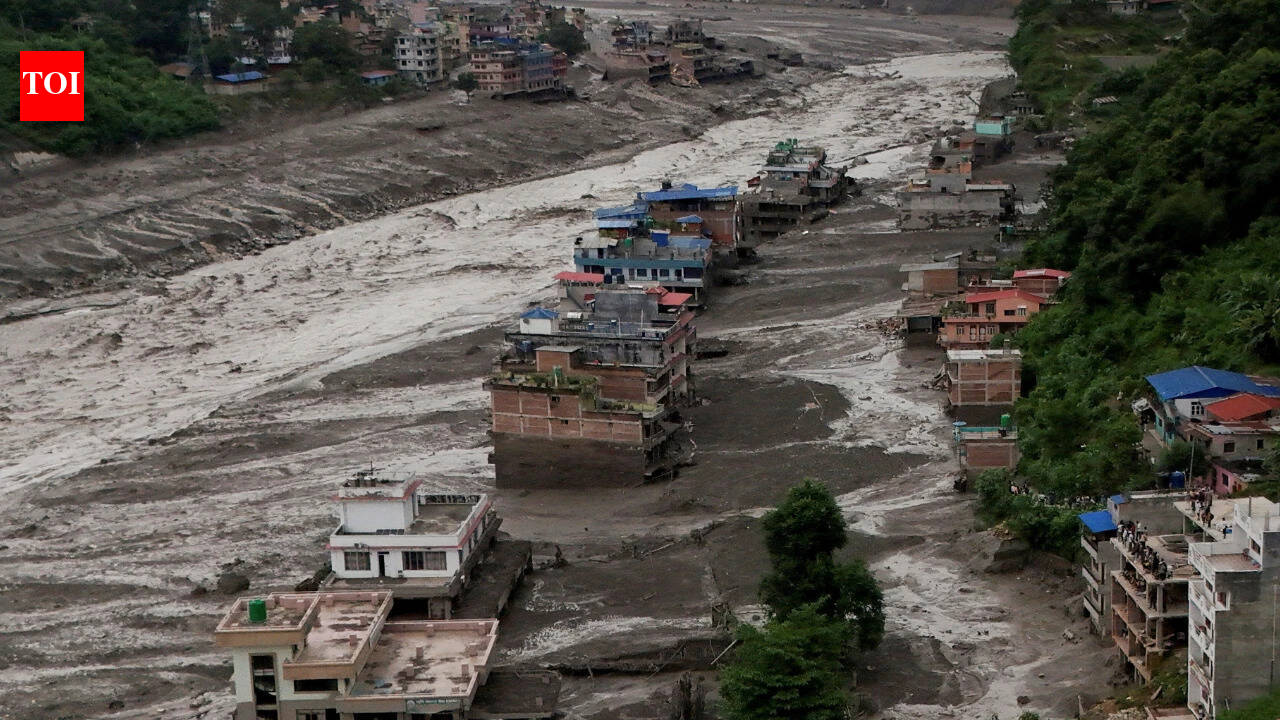
Nepal is preparing to amend two laws to facilitate the death registration of 5,285 people who remain missing after the devastating August 26 floods, allowing their families to access relief, compensation and other legal benefits, officials said.
asserted
officials → prepare → relief
The move comes two days after the government ended the 40-day search and rescue operation for victims of the Bhotekoshi-Trishuli floods, which killed at least 1,455 people and left 5,285 missing, according to revised figures shared by Nepal’s National Disaster Risk Reduction and Management Authority.
uncertain
which → come → Authority
The government is preparing amendments to the Disaster Risk Reduction and Management Act and the National Identity Card and Registration Act to address difficulties faced by families of missing people in registering their deaths, according to officials at a parliamentary special committee meeting held on Tuesday (October 6, 2026).
uncertain
government → prepare → Tuesday
Law, Justice and Parliamentary Affairs Ministry Joint Secretary Subash Kumar Bhattarai said the existing legal provisions were not sufficient to facilitate the declaration and registration of deaths of people missing in the disaster.
asserted
provisions → say → disaster
The amendments will be pursued through a "fast-track" process, officials said.
asserted
officials → pursue → process
Home Ministry Secretary Kedar Nath Sharma and Bhattarai provided the information at the meeting of the parliamentary special committee formed to study the August 26 disaster.
asserted
Sharma → provide → disaster
Law Minister Sovita Gautam said preparations were also underway to amend provisions relating to the declaration and registration of deaths through an ordinance, as Parliament's regular session has ended.
asserted
session → say → ordinance
Under Nepal's Civil Code, a person who has been continuously missing for 12 years is generally presumed dead.
asserted
who → miss → years
However, Section 40 of the Civil Code also provides for a court declaration of death where a person has disappeared without notice or is believed to have died in a disaster or accident.
asserted
person → provide → disaster
The existing judicial process, however, has proved difficult for families of those missing in the floods, with the lack of death registration creating problems in accessing compensation and other benefits, officials said.
asserted
officials → exist → compensation
Nepal ended the search-and-rescue operation on Monday (October 5, 2026), shifting its focus to rehabilitation and reconstruction in the flood-hit areas.
asserted
Nepal → end → areas
The government said essential search activities would continue, including the recovery of human remains and belongings found during rehabilitation work, while emergency rescue operations would still be carried out if necessary.
asserted
operations → say → work
Flash floods originating near the Nepal-Tibet border on August 26 devastated towns and villages in northern and central Nepal.
asserted
floods → originate → Nepal
The Bhotekoshi River, which flows south from the Himalayan border region, carried the floodwaters downstream, sweeping away homes, vehicles, roads and bridges and damaging hydropower projects.
asserted
which → flow → projects
 The Aporia