That is 0 articles you have read today.
The Aporia is free and carries no advertising, so readers are the only
thing paying for it. If you are getting this much out of it, a small
donation is what keeps it independent.
Daily limit reached
You have read 0 articles today.
That is more than the 15 a day The Aporia gives away,
and well past what it can carry on nothing. Your allowance resets at
midnight.
There is no advertising here and nothing about you is sold, so readers
are the only thing paying for it. If the site is worth this much of
your day, it is worth a few dollars.
Everything else stays open: the
maps, the
directory and
search do
not count against this, and neither does re-opening something you have
already read today.
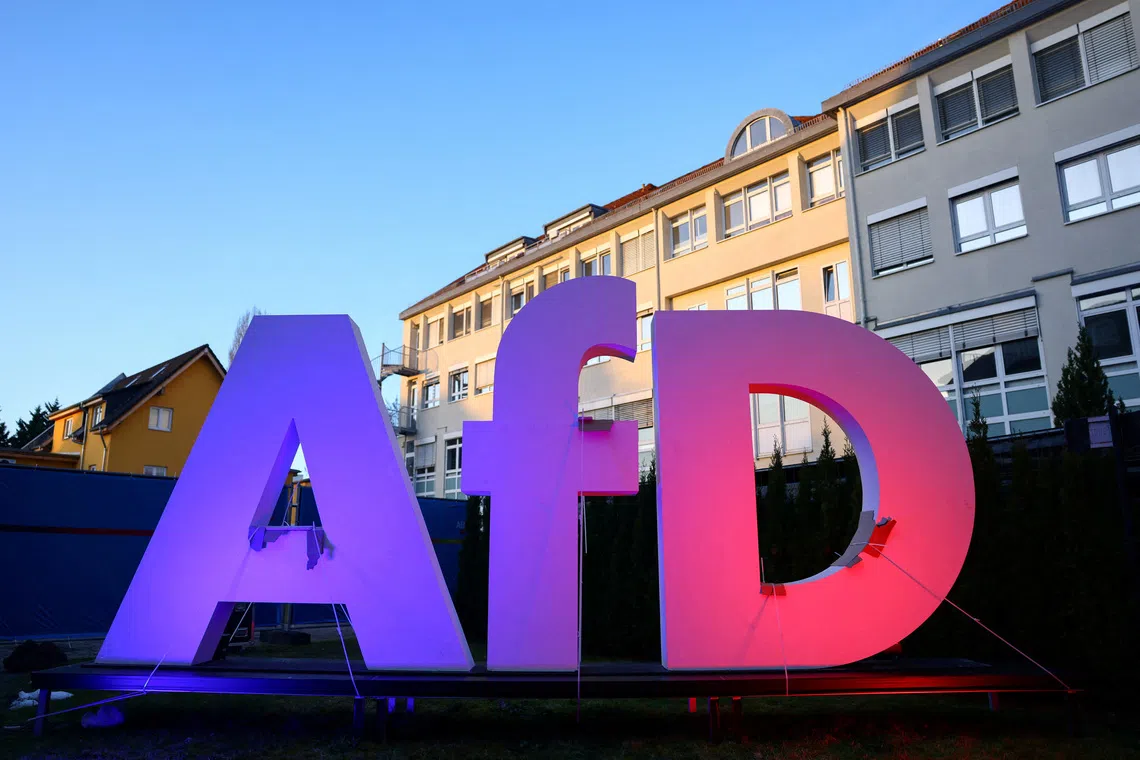
German Chancellor Friedrich Merz criticized political "extremism" after recent local elections where the far-right Alternative for Germany (AfD) made gains in Saxony-Anhalt and the far-left Left Party won in Berlin. In Saxony-Anhalt, an AfD member was elected president of the state parliament despite falling short of a majority. Meanwhile, Elif Eralp from the Left Party is poised to become Berlin's first mayor from her party due to rising housing costs, promising to nationalize private housing associations that 58% of voters supported in a 2021 referendum.
Written locally by qwen2.5:14b on 2026-10-07,
using this article's own text rather than the other coverage of the
same event (that is the story summary below).
Story summary
Chancellor Friedrich Merz criticized what he called political "extremism" in Germany after recent electoral defeats. The far-right Alternative for Germany (AfD) party made gains in the Saxony-Anhalt regional election on September 6, with an AfD member elected president of the state parliament. Additionally, the left-wing Left Party won a significant victory in Berlin's state election on September 20, promising to nationalize private housing associations that control much of the city’s housing stock. Merz warned voters supporting the AfD are undermining credibility and aligning with extremist values incompatible with his party, the Christian Democratic Union (CDU). This comes as traditional parties pledge not to form coalitions with the AfD despite its growing influence in eastern Germany among disillusioned voters.
Written for “German Politics Extremism Concerns” on 2026-10-07,
grounded in this article and the 0 other(s) covering the same event.
Why this leaning score
The model judged this article politically coded and scored it +0.35, but all 2 of its quote(s) are attributed speech - words the article quotes from someone, not the article's own narration, so the score is not published.
Written under an earlier scoring contract, which gave a paragraph
rather than checkable quotes. Re-analysing this article replaces it.
Leaning score withheld for article 63377: attributed speech only · logged 2026-10-07
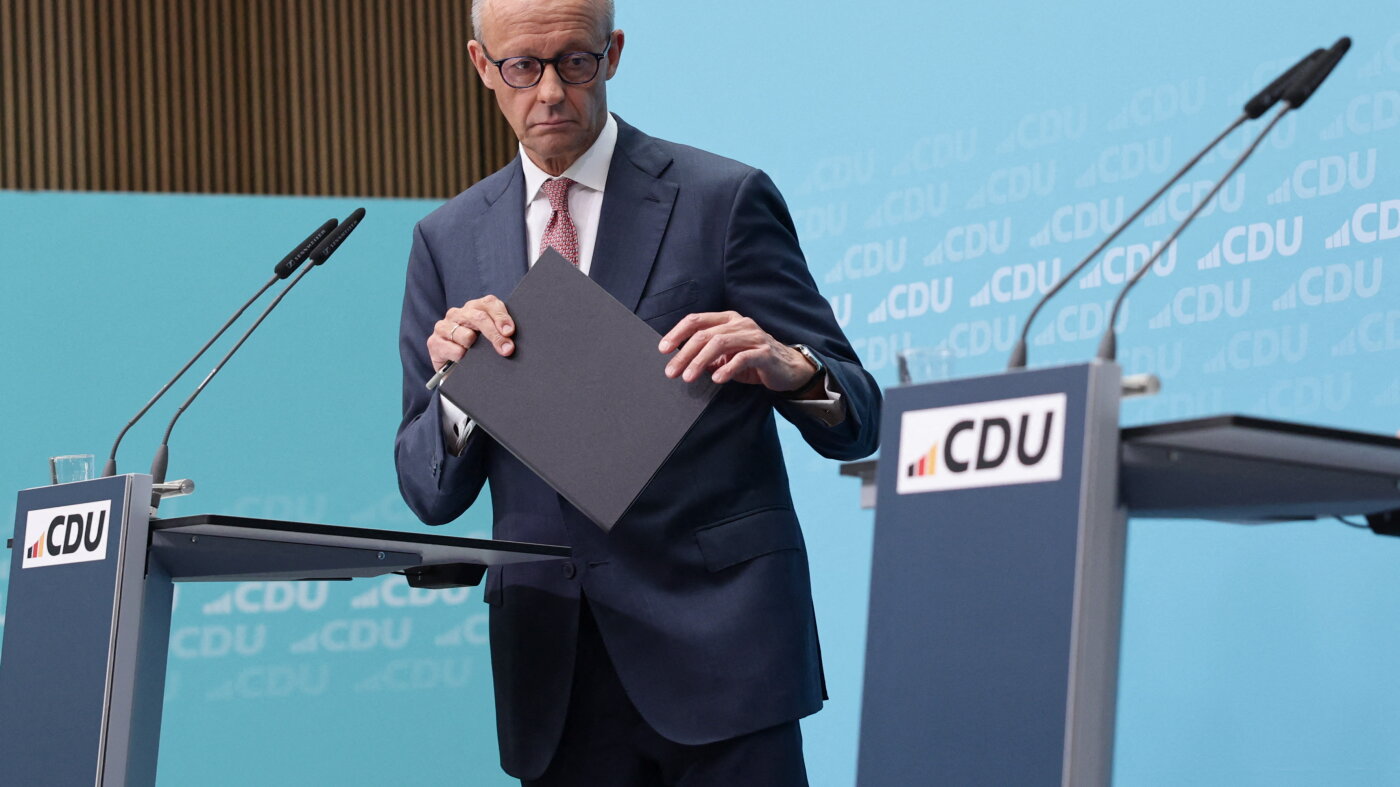
Chancellor Friedrich Merz has hit out at what he called political “extremism” in Germany after stinging defeats in a local election to the far-right Alternative for Germany party.
asserted
he → hit → party
“This is a task for our society as a whole, and it is one I intend to play my part in,” he said on Wednesday at an event in Berlin.
asserted
he → intend → Berlin
Recommended Stories
list of 3 items- list 1 of 3Russia’s nuclear plants are ageing.
asserted
plants → age → ?
Who will pay to dismantle them?
asserted
Who → pay → them
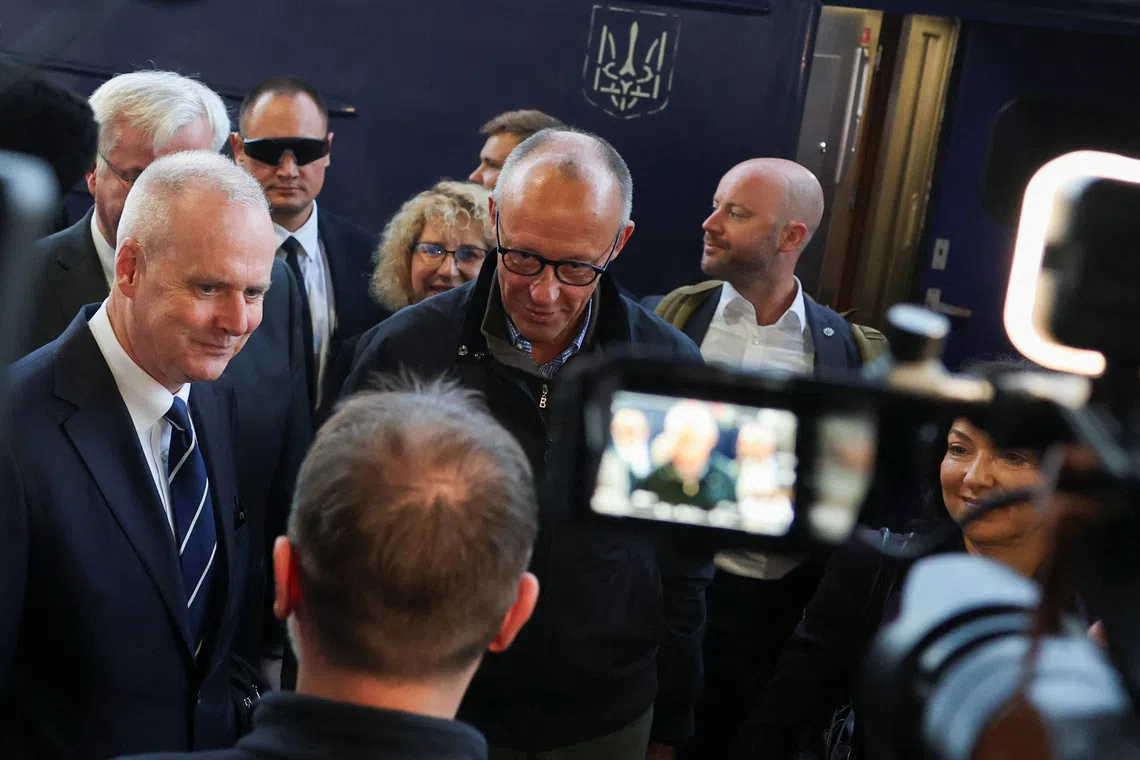
- list 2 of 3Russia hits Kyiv bridge as Germany’s Merz visits Ukraine’s capital
- list 3 of 3Germany’s Merz in Kyiv announces $1.5B in aid, urges Putin to end war
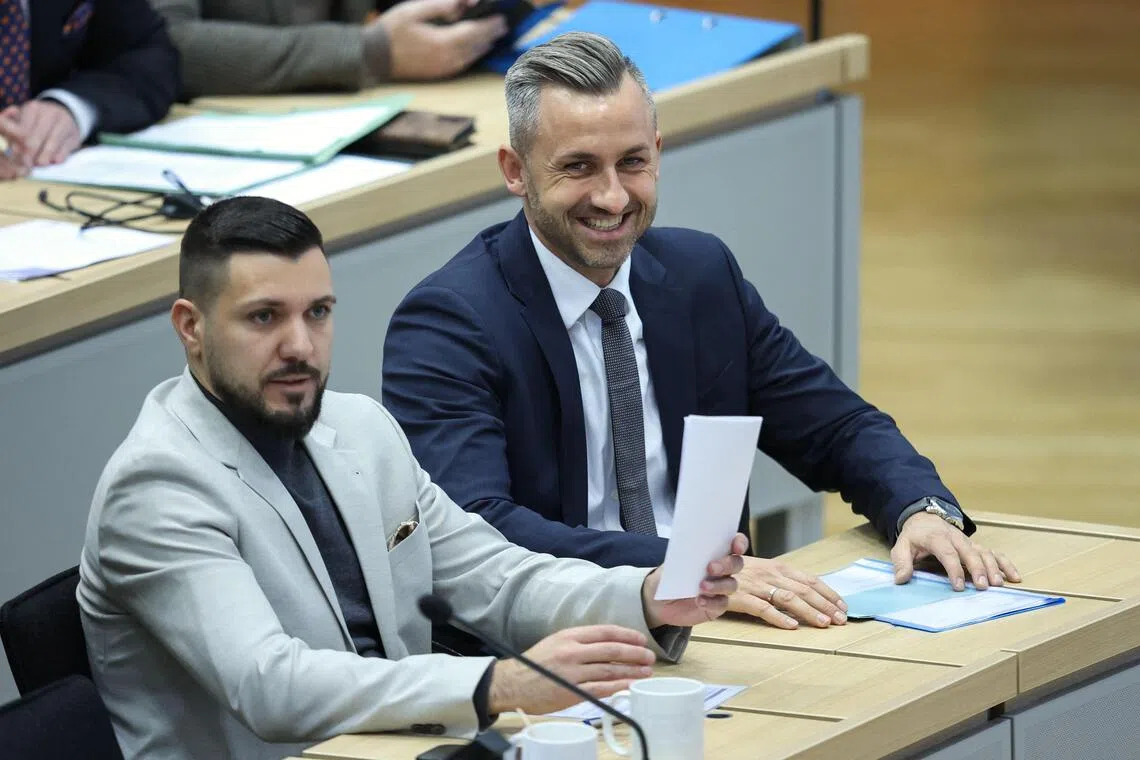
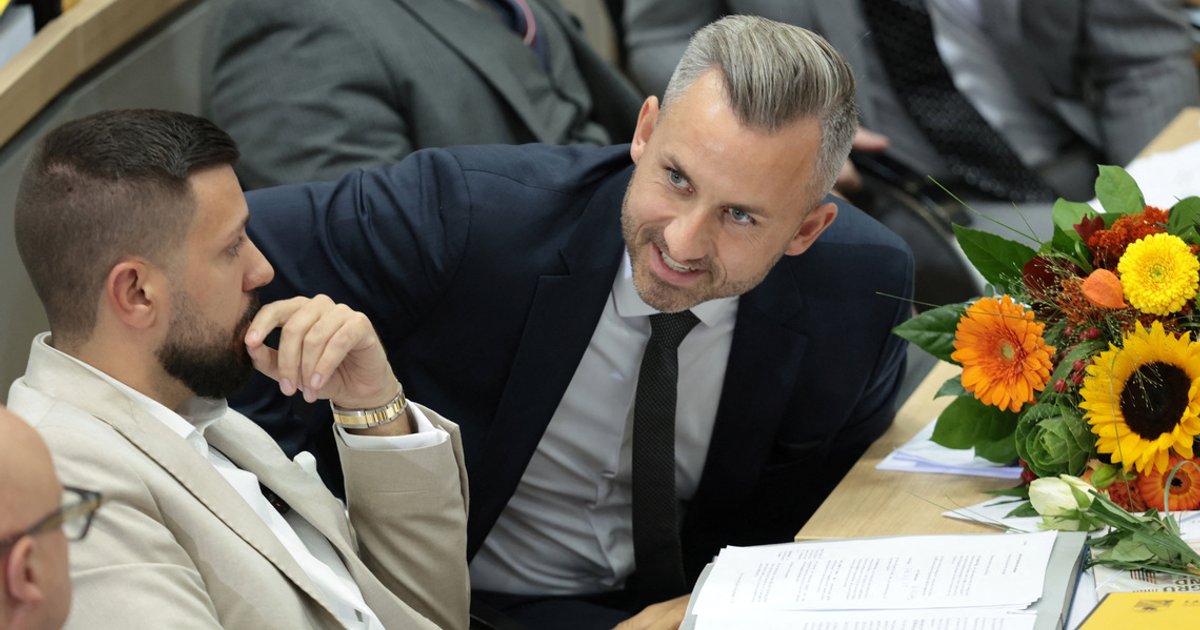
Merz said “extremism” was forcefully making its way into the country’s parliaments, a day after a member of the far-right Alternative for Germany (AfD) was elected president of the state parliament in Saxony-Anhalt and the Left Party won out in Berlin’s state election on Sunday.
asserted
member → hit → Sunday
“Anyone who casts their vote for the AfD is playing the extremists’ game and undermining credibility,” Merz said.
asserted
Merz → cast → credibility
Despite winning the vote in the September 6 election in the eastern German state, the AfD fell three seats short of the absolute majority that candidate Ulrich Siegmund sought.
asserted
Siegmund → win → that
Founded in 2013 as a eurosceptic movement, the AfD won over voters with an increasingly hardline opposition to immigration after about a million people fled to Germany in 2015, many of them from war-torn Syria.
asserted
people → found → Syria
The party has since become a dominant political force in much of eastern Germany, especially among voters disillusioned with mainstream parties, though most traditional parties have pledged not to enter coalitions with the AfD.
Berlin election
Merz’s comments followed the far-left Left Party’s victory in the Berlin state election on September 20, in another defeat for the chancellor’s ruling Christian Democrats.
Lead candidate Elif Eralp campaigned on the soaring cost of housing in the German capital and immediately promised to follow through with a pledge to nationalise private housing associations that account for a large share of the city’s housing stock.
asserted
that → become → stock
The result, which roughly doubled the party’s previous score, could see her become the first mayor of Berlin from the Left Party, which grew out of the former East German communist party following the reunification of the country 36 years ago.
uncertain
which → double → country
Eralp, the 45-year-old daughter of left-wing Turkish parents who fled a coup in 1980, said the increasingly difficult rental situation was the biggest social problem in the capital.
asserted
situation → flee → capital
She promised to proceed with nationalising the housing associations she said drove property speculation, in accordance with a referendum from 2021 in which 58 percent of voters backed a proposal to promulgate the move.
asserted
percent → promise → move
While the AfD has attracted most attention, the Left Party has also benefitted from a general turn against the mainstream centre-left and centre-right parties.
asserted
Party → attract → parties
Meanwhile, Merz has received a record low approval rating.
asserted
Merz → receive → rating
Earlier this month, a survey by Germany’s public broadcaster ARD found that only one in 10 respondents were satisfied or very satisfied with his performance, the lowest figure for any chancellor since the survey began in 1997.
asserted
survey → find → 1997
Another major election test will come in North Rhine-Westphalia, Germany’s most populous state, where voters are set to elect a new parliament in April.
asserted
voters → come → April
 The Aporia