Russian researcher's mystery death could be ‘far worse’ than the plague, former senior Trump official warns

Read the original at Fox News ↗
Fox News · collected 2026-10-06 · by Morgan Phillips

Quick Summary

Marshall Billingslea, a former senior Trump administration official, warns on X that the unexplained death of a researcher at Russia’s Irkutsk Anti-Plague Institute could indicate dangerous bioweapons research rather than just plague. The warning follows reports that a 28-year-old employee died from pneumonia of undetermined origin; Russian authorities say no high-threat pathogens were detected among her contacts, though the cause remains unclear to biosecurity experts like MIT’s Kevin Esvelt. Billingslea bases his concerns on information provided by Ken Alibek, who defected from Soviet bioweapons research decades ago, suggesting Irkutsk was involved in developing antibiotic-resistant plague strains.
Written locally by qwen2.5:14b on 2026-10-06, using this article's own text rather than the other coverage of the same event (that is the story summary below).

AI analysis runs on qwen2.5:14b, locally

Story summary

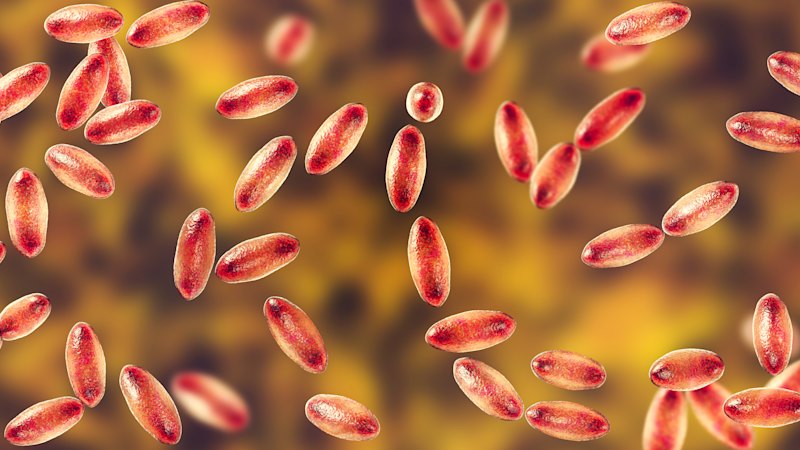
A 28-year-old lab technician named Darya Shipilova died after breaking a test tube containing plague bacteria at the Irkutsk Anti-Plague Institute in Siberia on September 29, leading to her hospitalization and death two days later. As many as 200 people who had contact with Shipilova were put into quarantine due to fears of an outbreak. Three hospitals in the region have also been placed under secure measures, and a mask mandate has been implemented.

Russian authorities initially did not provide official statements about the incident but later confirmed it was pneumonic plague after Shipilova's death. The situation prompted concern over potential misinformation, with some experts drawing parallels to the early days of the COVID-19 pandemic in Wuhan, China. In response, the U.S. State Department is monitoring the situation closely and urging Russian authorities for prompt and accurate information sharing.

The White House and other federal agencies are assessing options regarding the outbreak, indicating a high level of alertness given the historical significance and potential dangers of plague outbreaks. Despite concerns, health officials assert that pneumonic plague can be effectively treated with common antibiotics if intervention begins early. The broader situation in the Irkutsk region is currently described as stable by Rospotrebnadzor, but strict quarantine measures remain in place to prevent any spread.

Written for “Plague Outbreak in Siberia” on 2026-10-06, grounded in this article and the 56 other(s) covering the same event.
Why this leaning score
The model judged this article politically coded and scored it +0.45, but 1 quote(s) could not be found in the article and the other 3 are attributed speech rather than the article's own narration, so the score is not published.
Written under an earlier scoring contract, which gave a paragraph rather than checkable quotes. Re-analysing this article replaces it.
Leaning score withheld for article 60850: no verified evidence · logged 2026-10-06

Signals How these are calculated →

Claims extracted
34
claim-shaped sentences
Uncertain
21%
7 of 34 hedged
Leaning
withheld
no quote in the article backed the model's score
Correction & hedging signals
68.6
corrections and hedging in what we collected; not a measure of accuracy
Outlets on this story
57
Health
Narrative spread
1
articles carrying this framing
Analyzed 2026-10-06 · how these are computed

Story

📰 Plague Outbreak in Siberia
Health · 57 article(s) covering the same event. See how they differ ↓

How this is being covered How these are calculated →

Article leaning vs. publisher reliability
Source leaning vs. consistency

Compared with similar articles

This article reads unscored and hedges 21% of its claims. Each row says how that neighbour differs.
Mother Jones
⚖️ leaning not scored 🔴 31% hedged 5 of 16 📰 publisher trust 95
“While both articles discuss a researcher's death at an Irkutsk anti-plague institute, Article B focuses more on speculation and historical context provided by a former official rather than the immediate incident reported in Article A.”
Daily Mail
⚖️ leaning not scored 🔴 23% hedged 7 of 30 📰 publisher trust 65
“While both articles discuss a plague-related incident in Russia involving a researcher, Article A focuses on a confirmed outbreak and quarantine measures, while Article B speculates about a potential larger threat based on historical context.”
The Sydney Morning Herald
⚖️ leaning not scored 🔴 35% hedged 7 of 20 📰 publisher trust 61
“While both articles discuss a researcher's death at an anti-plague institute in Siberia, Article B is commenting on and speculating about the incident reported in Article A rather than reporting on the same specific occurrence.”
Al Jazeera
⚖️ leaning not scored 🔴 15% hedged 2 of 13 📰 publisher trust 60
“Article A reports a specific death from suspected plague, while Article B discusses broader concerns about bioweapons research and antibiotic-resistant plague at the facility.”
New York Post
⚖️ leaning not scored 🔴 44% hedged 7 of 16 📰 publisher trust 64
“Article A reports on a suspected plague outbreak and death, while Article B discusses broader implications and historical context related to the facility where the death occurred.”
Washington Examiner
⚖️ leaning not scored 🔴 7% hedged 2 of 27 📰 publisher trust 72
“Article A reports on the death of a researcher at the Russian Anti-Plague Institute, while Article B discusses broader implications and warnings about the nature of the illness, referencing historical bioweapons concerns.”
The Independent
⚖️ leaning not scored 🔴 14% hedged 5 of 35 📰 publisher trust 59
“While both articles discuss a concerning death of a Russian lab researcher linked to potential bioweapon or plague research, they are reported by different officials and focus on distinct aspects.”
New York Post
⚖️ Leans right 🔴 0% hedged 0 of 10 📰 publisher trust 64
“While both articles discuss a suspected outbreak of pneumonic plague in Russia and mention related concerns, they describe different aspects and perspectives on the issue.”
BBC News
⚖️ leaning not scored 🔴 21% hedged 4 of 19 📰 publisher trust 72
“Both articles discuss the death of a Russian lab technician at a plague research center in Siberia, with concerns over potential implications related to pneumonic plague.”
Al Jazeera
⚖️ leaning not scored 🔴 5% hedged 1 of 21 📰 publisher trust 60
“While both articles discuss a suspected plague outbreak in Siberia, Article B focuses on interpreting the death of a researcher at an anti-plague institute as potentially indicating more serious bioweapons activity rather than just reporting on the plague incident itself.”

Publisher

Fox News · 3008 article(s) · 4 correction(s) detected
Running correction rate · 4 correction(s)
2026-10-03
Tennessee's state corrections chief resigns following failed execution of Christa Pike
2026-09-30
Repeat offender with lengthy rap sheet accused of gunning down Kentucky trooper during traffic stop
2026-09-23
Missouri mom who put newborn in oven instead of crib learns fate as murder charge dropped
2026-08-04
Pennsylvania school bus aide accused of sexually assaulting special needs teen

Who wrote this

Morgan Phillips
24 article(s) here · 1 carrying a prediction
🔮 The unexplained death of a researcher at a Russian anti-plague institute has one former senior U.S. arms official warning it could be 'far worse' than the bacteria that caused the Black Death.
🔮 The FlyDubai stabbing is contributing to concerns that Iran could increase covert and deniable attacks as the conflict with the United States and Israel drags on.
🔮 "We will see water systems left vulnerable to cyberattacks where there have not been significant amounts of investment in cybersecurity protocols," Hall said, pointing to basic protections such as virtual private networks and firewalls that are still missing at some utilities.
🔮 The State Department is accusing Democrats of performative "grandstanding" by demanding a sweeping Venezuela oil deal briefing then postponing so the Senate could leave town early.
🔮 Iraq is preparing for the possibility that Islamic State fighters could spill across the border from Syria, the country's foreign minister said Thursday.
🔮 Elon Musk is taking on a new role in the Trump administration, this time helping the Pentagon determine what weapons and technology American troops will need to fight the wars of the future.
🔮 Los Mayos, a powerful faction of the Sinaloa Cartel, and its U.S.-born leader are accused of funneling fentanyl and drug money through California and hiring hitmen to kill rivals on American soil.
🔮 The question is how much Beijing's behavior has actually changed — and what Washington is willing to live with in pursuit of a more stable relationship.
🔮 President Donald Trump is unveiling Monday plans for a massive steel plant in Iowa that the White House says will be the largest in American history and promises will bring 1,750 permanent jobs to the state.
🔮 Trump officials say Iran is miscalculating if it believes rising prices and the midterm elections will weaken President Donald Trump's hand in negotiations to end the nearly seven-month conflict.
Also by Morgan Phillips
Nothing else under this byline is closely related to this article, so these are simply their most recent.
All 24 articles by Morgan Phillips →

Topics

Russia Russian Soviet U.S. the Black Death

Subjects

Soviet NORP · 7× Russia GPE · 5× Russian NORP · 5× Billingslea PERSON · 4× U.S. GPE · 4× Alibek PERSON · 2× Esvelt PERSON · 2× Irkutsk GPE · 2× Donald Trump PERSON · 1× Marshall Billingslea PERSON · 1×

Narrative

Marshall Billingslea, who served as President Donald Trump's special presidential envoy for arms control, said a top Soviet bioweapons defector told him decades ago about secret work on antibiotic-resistant plague at the same facility where the recent plague-related death occurred.
framing: mixed · carried by 1 article(s) · first seen 2026-10-06
🔮 The unexplained death of a researcher at a Russian anti-plague institute has one former senior U.S. arms official warning it could be 'far worse' than the bacteria that caused the Black Death.

Claims (34 extracted, 7 hedged)

The unexplained death of a researcher at a Russian anti-plague institute has one former senior U.S. arms official warning it could be 'far worse' than the bacteria that caused the Black Death. uncertain
that → have → Death
Marshall Billingslea, who served as President Donald Trump's special presidential envoy for arms control, said a top Soviet bioweapons defector told him decades ago about secret work on antibiotic-resistant plague at the same facility where the recent plague-related death occurred. asserted
death → serve → facility
It may be far worse," Billingslea wrote on X. He spent much of the 1990s working on proliferation and arms control issues on the Senate Foreign Relations Committee — and during that time worked with Ken Alibek, the former No. 2 official in the Soviet biological weapons program who defected to the U.S. uncertain
who → write → U.S.
"He claimed that they had engineered a strain of plague that was antibiotic-resistant & that they had worked on plague chimeras (fusing 2 or more pathogens)," Billingslea wrote of Alibek. asserted
Billingslea → claim → Alibek
"He specifically called out Irkutsk for being involved in the BW program," he added. asserted
he → call → program
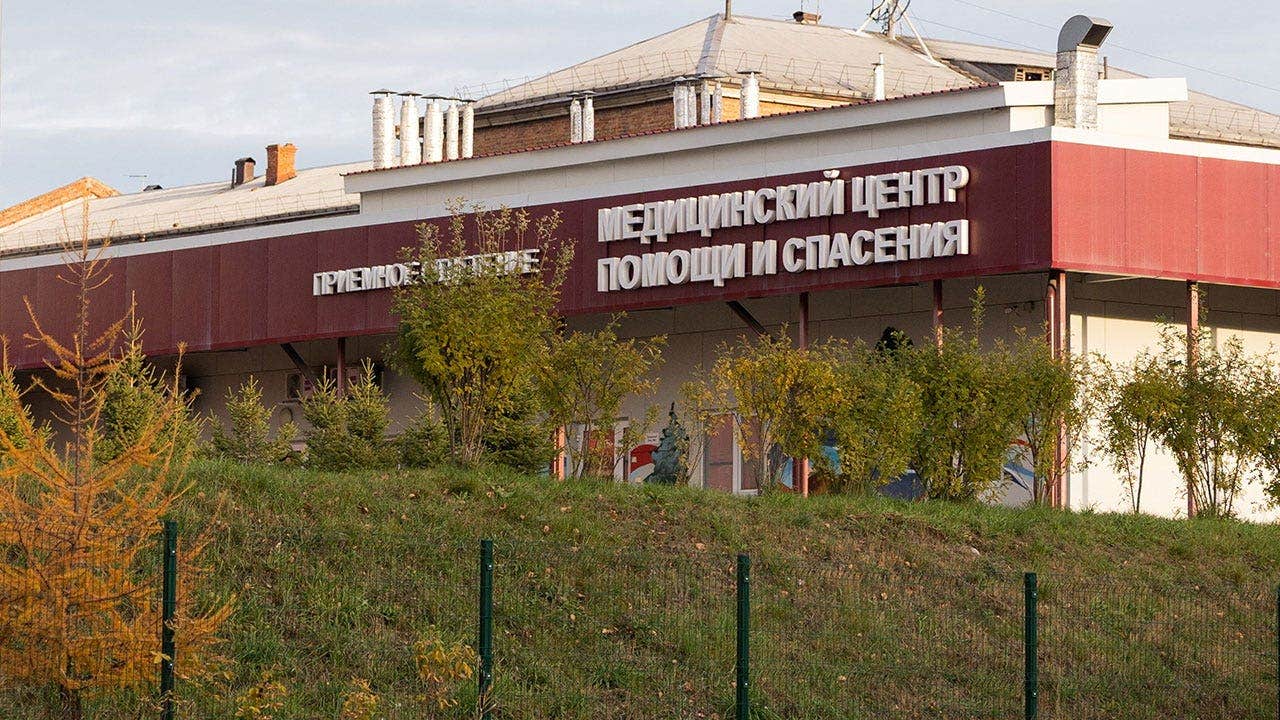
Billingslea's warning comes after a 28-year-old employee of the Irkutsk Anti-Plague Institute of Siberia and the Far East died last week from what Russian authorities have described as pneumonia of undetermined origin. asserted
authorities → come → origin
Russia has not said the woman died of plague and said testing found no microorganisms in her body linked to her work. asserted
testing → say → work
The World Health Organization (WHO) said Tuesday that Russian officials told the agency no plague or other high-threat pathogen had been detected among her close contacts, though they are still awaiting confirmation of what caused her fatal pneumonia. asserted
what → say → pneumonia
About 60% of the woman's identified contacts have been tested so far, according to Russian authorities, with two cases of COVID-19 and two rhinovirus infections detected — but no other infectious disease pathogens. uncertain
cases → identify → COVID-19
Still, the unexplained death at a facility that works with dangerous pathogens has drawn scrutiny from biosecurity experts — including questions about why the cause remains unknown. asserted
cause → work → questions
Kevin Esvelt, an MIT professor who studies biological security and catastrophic pandemic risks, said Russia's latest explanation suggests the researcher did not die from plague while leaving unanswered what killed her. uncertain
what → study → her
"If we take the Russian authorities at their word, it is not plague," Esvelt wrote Tuesday. asserted
Esvelt → take → word
"But untargeted research-grade sequencing reliably identifies pathogens, and people seldom die of pneumonia without pathogens, let alone 28-year-olds," he added. asserted
he → identify → olds
"It would be surprising if they did not know the cause." asserted
they → know → cause
Esvelt cautioned that more alarming explanations remain hypothetical. asserted
explanations → caution → ?
"The concerning possibility is still only a possibility," he wrote. asserted
he → write → ?
The questions surrounding the death come against the backdrop of the Soviet Union's documented history of secretly developing biological weapons, including weaponized plague, and U.S. assessments that elements of that program continued after the Soviet collapse. asserted
elements → surround → collapse
In its 2025 arms control compliance report, the State Department assessed that Russia maintains an offensive biological warfare program in violation of the Biological Weapons Convention and that the Soviet program was "absorbed, not dismantled" after the Soviet collapse. asserted
program → assess → collapse
The department said the program "has continued and evolved" under the Russian Federation and that Moscow continues activities prohibited under the convention. asserted
Moscow → say → convention
Russia has repeatedly denied maintaining an offensive biological weapons program. asserted
Russia → deny → program
The U.S. assessment does not establish any connection between Russia's biological weapons program and the researcher's death in Irkutsk, and no such connection has been confirmed. asserted
connection → establish → Irkutsk
The Soviet program Billingslea referenced was one of the world's largest clandestine biological weapons efforts. asserted
Billingslea → reference → efforts
Alibek, born Kanatjan Alibekov, rose to become the first deputy chief of Biopreparat, the ostensibly civilian network that formed a major part of the Soviet biological weapons apparatus, before defecting to the United States in 1992. asserted
that → bear → 1992
After his defection, Alibek provided U.S. officials with extensive information about the scale and capabilities of the Soviet program. asserted
Alibek → provide → program
He described Soviet scientists working to weaponize pathogens including plague and developing strains designed to withstand antibiotics. asserted
He → describe → antibiotics
His claims about some aspects of the Soviet program have faced scrutiny over the years, making independent documentation particularly important. uncertain
documentation → face → years
But the existence and enormous scale of the Soviet biological weapons effort — conducted despite Moscow's 1975 ratification of the Biological Weapons Convention — is well established. asserted
existence → conduct → Convention
The Irkutsk institute says it was founded in 1934 as a scientific and operational center for combating plague. asserted
it → say → plague
Its mission later expanded to other highly dangerous diseases, including cholera and anthrax, and it describes itself today as a research and anti-epidemic facility responsible for helping protect the region from infectious disease. asserted
it → expand → disease
The Trump administration has said it is closely monitoring the situation and pressed Moscow for greater transparency about what happened. asserted
what → say → transparency
Secretary of State Marco Rubio said Monday that while travel between the U.S. and Russia remains limited, an infectious disease could quickly spread beyond Russia's borders. uncertain
disease → say → borders
"If something like that gets out, it could quickly spread," Rubio said. uncertain
Rubio → get → that
President Donald Trump said the U.S. would offer assistance to Russia if needed. asserted
U.S. → say → Russia
"I hate to see them having it," Trump told reporters Monday. asserted
Trump → hate → reporters

💬Give feedback
🕘History 🎫Support