St-Pierre Plamondon vows to hold referendum in 1st term, even though government on a short leash
Quebecers have elected a sovereignist government, even though most of them aren't in favour of a separatist vote.
asserted
most → vow → vote
When Pauline Marois’s version of the Parti Québécois (PQ) was pegged to form a minority government, there was no clear timeline on a potential referendum.
asserted
version → peg → referendum
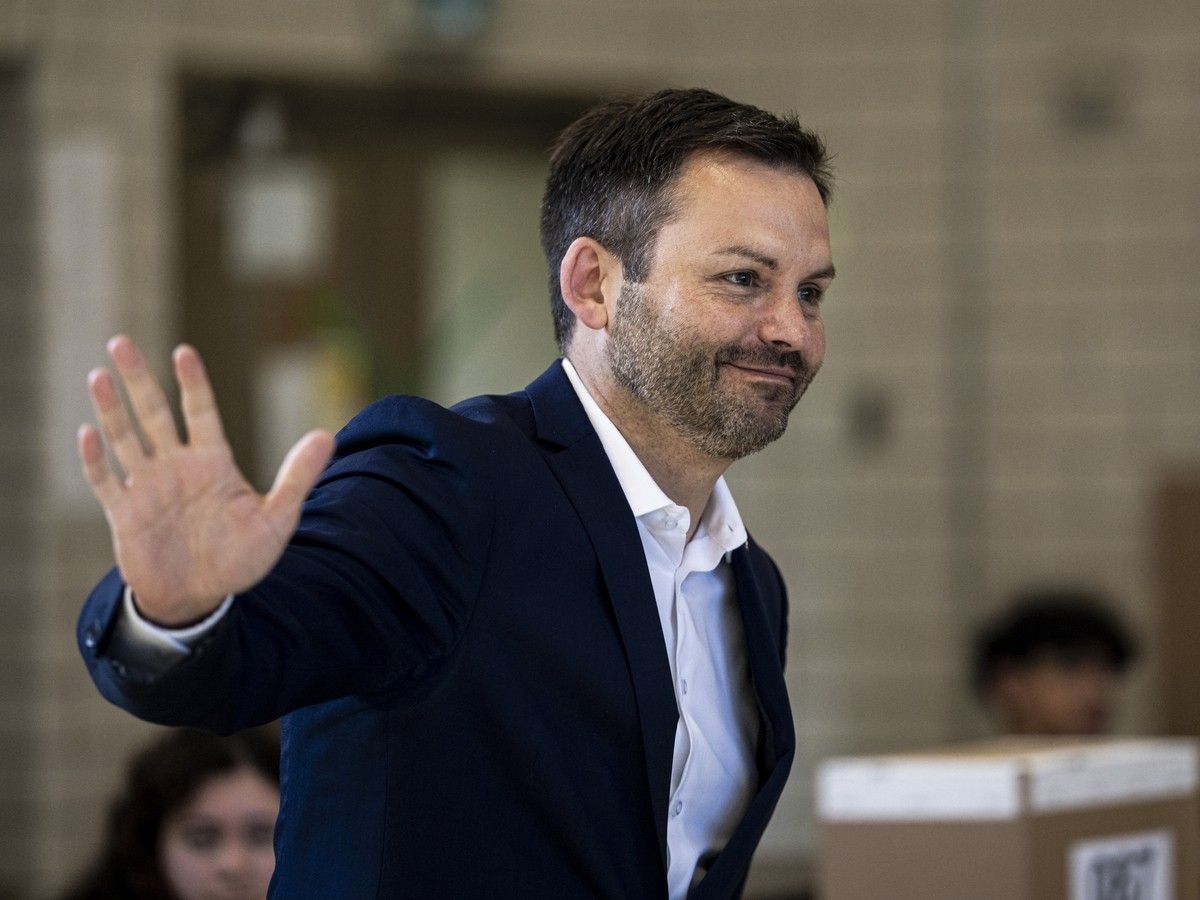
The current leader and soon-to-be premier Paul St-Pierre Plamondon has insisted for years that a referendum should be held within the first four years of a PQ term.
asserted
referendum → insist → term
Yet, three decades after the 1995 sovereignty referendum, Quebec's historic political cleavage — and the PQ's raison d’être — did not prevent the party from forming a minority government.
asserted
cleavage → prevent → government
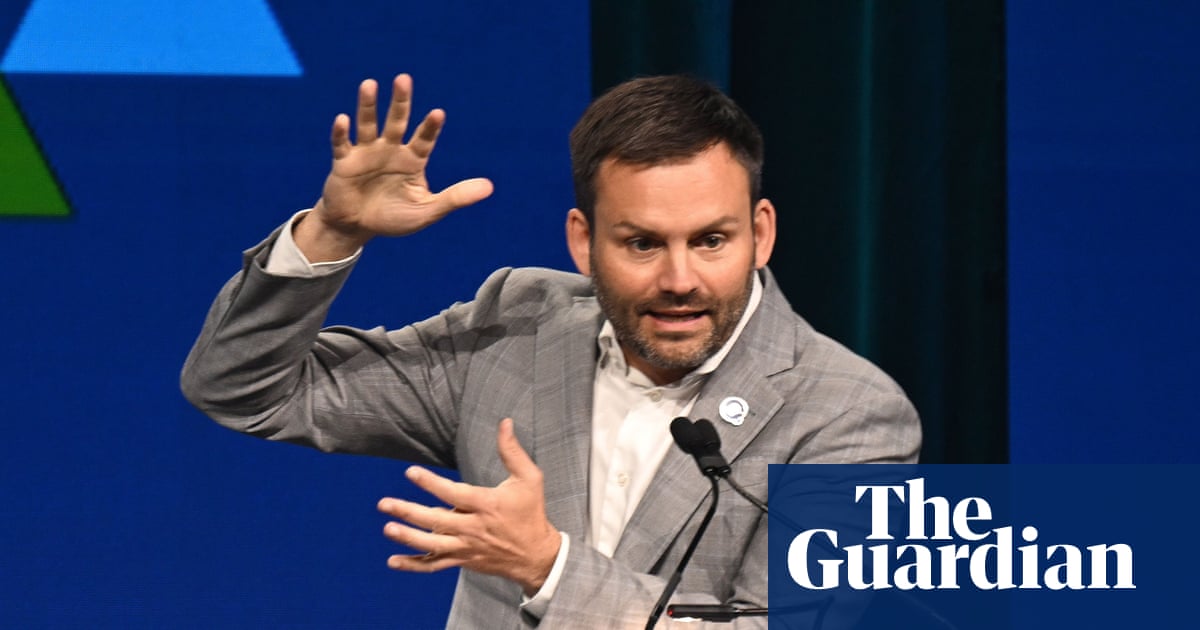
In his victory speech, St-Pierre Plamondon said that "francophones’ struggle in America" will find meaning once Quebecers get a country and the recognition that comes with that.
asserted
that → say → that
Who is Paul St-Pierre Plamondon? What you need to know about Quebec's next premier
PQ in power, CAQ wiped off the map: Key takeaways from Quebec's election
asserted
need → need → election
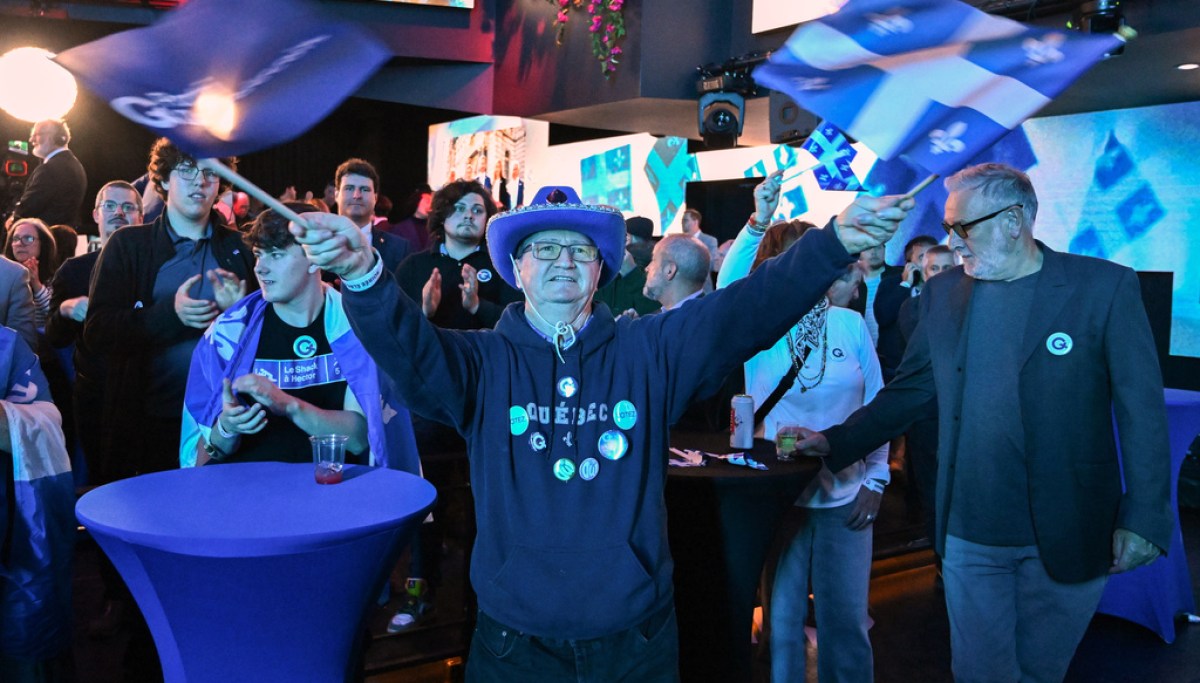
"We deserve it just as much as all other peoples who have their own country and democracy," he told a crowd at the PQ headquarters in Montreal.
asserted
he → deserve → Montreal
Voters chose change — even if they don't want referendum
Last December, about a month before announcing his resignation, former premier François Legault predicted that the Quebec general election would result in a battle between the Coalition Avenir Québec (CAQ), the party he co-founded, and the Quebec Liberal Party (PLQ).
asserted
he → choose → Québec
"Everyone will understand that [PQ Leader Paul] St-Pierre Plamondon equals a referendum we don’t want," Legault told Radio-Canada host Patrice Roy.
asserted
Legault → understand → Roy
"He’ll go down in the polls."
asserted
He → go → polls
The thirst for change after eight years of the CAQ in government seemed to overpower concerns about a referendum.
asserted
thirst → seem → referendum
Throughout the campaign, St-Pierre Plamondon often posed the rhetorical question, “Do we really want 12 years of the CAQ?”
asserted
we → pose → CAQ
Voters resolutely decided they didn’t.
asserted
they → decide → ?
The end result: the CAQ was obliterated, left with no seats in the National Assembly.
asserted
CAQ → obliterate → Assembly
And despite the best efforts from CAQ Leader Christine Fréchette and PLQ Leader Charles Milliard, sovereignty did not act as an effective wedge issue in this campaign.
asserted
sovereignty → act → campaign
Polls have consistently shown that sovereignty is a low priority of Quebecers, with one Léger poll showing that 70 per cent of Quebecers would not support separating from Canada.
asserted
cent → show → Canada
But the electoral math told a different story.
asserted
math → tell → story
In a a remarkable feat made possible by the first-past-the-post electoral system, the PQ formed a minority government with as little as 28 per cent of the popular vote — the lowest voter share to achieve that in Quebec's history, and one that is certain to add fuel to the debate about electoral reform.
asserted
that → make → reform
Given the sovereignty project's timeline — with a vote pushed to 2029 or 2030, after U.S. President Donald Trump leaves office — a referendum seems distant, if not entirely unlikely given the government's fragility.
asserted
referendum → give → fragility
What is certain, though, is that Quebecers gave St-Pierre Plamondon a short leash, forcing him to work alongside other parties, namely the Liberals and the PCQ, who would block any legislation opening the door to a referendum.
asserted
who → give → referendum
The PQ’s costed platform estimates that a sovereignty referendum would cost $130 million.
asserted
referendum → cost → million
All parties benefit from CAQ’s collapse
Fréchette was the only leader not to have won their riding, signalling the CAQ's freefall.
At CAQ headquarters in Trois-Rivières, Que., Fréchette — who spent much of the campaign attempting to distance herself from Legault, even omitting the CAQ logo from her posters — spent part of her 10-minute concession speech thanking him.
asserted
who → benefit → him
Taking over from the CAQ’s founder, especially after the party’s popularity had waned, was an expected uphill battle.
asserted
popularity → take → founder
Compounding the challenge, Fréchette had previously served as a prominent CAQ cabinet member leading the ministries of immigration, francisation, and economy — portfolios that cast a shadow over any image of renewal she tried to project for a declining party.
asserted
she → compound → party
Fréchette also attempted to position herself as best equipped to defend Quebec against Trump, whom she called her "main opponent."
asserted
she → attempt → whom
However, as premier, her ability to face the U.S. president head-on is inherently limited.
asserted
ability → face → president
Claims of foreign interference, drummed up by members of Fréchette’s team weeks before the election, did little to help her credibility either.
uncertain
Claims → drum → credibility
The CAQ’s losses were to the benefit of opposition parties, particularly the Conservatives, who experienced a historic breakthrough achieved through targeted campaigns in the Quebec City area.
asserted
who → experience → area
The Conservatives won 19 ridings — the party’s first elected seats in 90 years.
asserted
Conservatives → win → years
It was a celebratory moment for PCQ Leader Éric Duhaime, who on his third attempt as leader managed to capture a seat in the Chaudière-Appalaches region.
asserted
who → manage → region
It remains to be seen whether St-Pierre Plamondon, like so many leaders before him — including Legault — will keep his promise to reform the electoral system that led him to power.
asserted
that → remain → power
 The Aporia