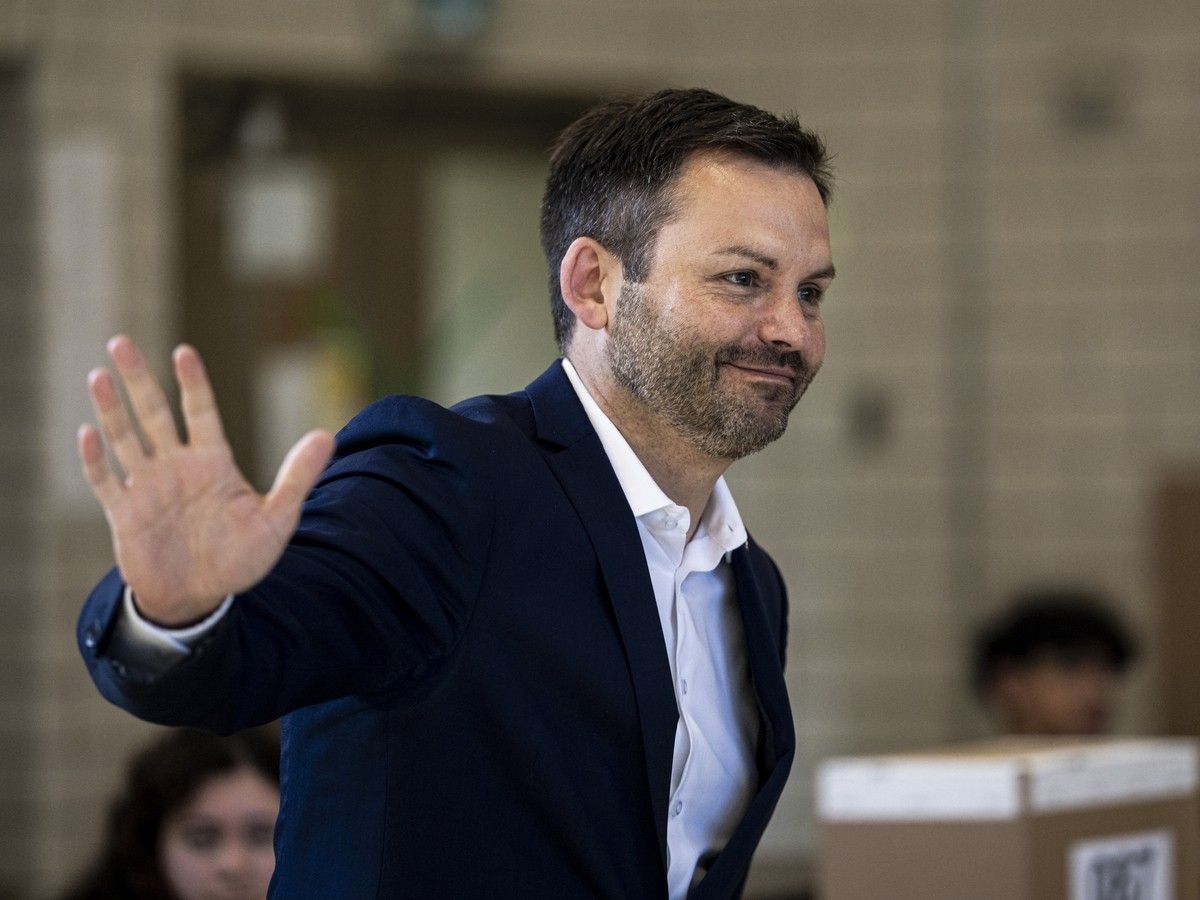
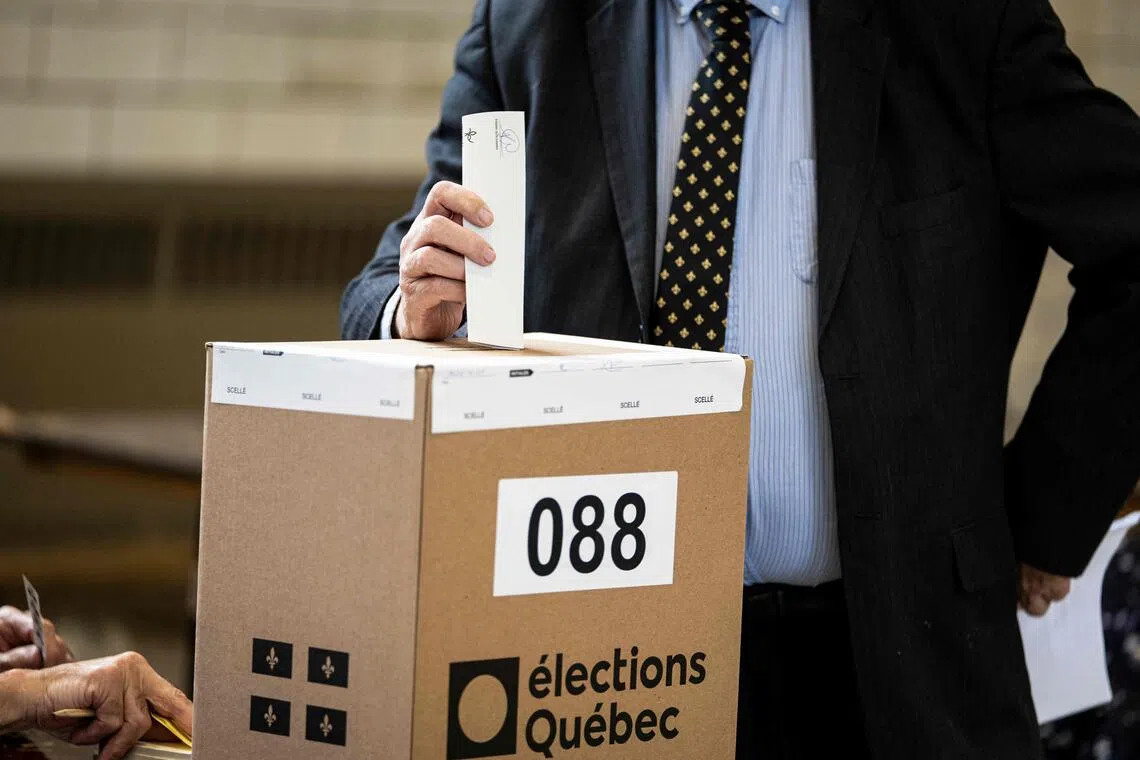
The rest of Canada will be waking up on Tuesday to a massive hangover after Quebec elected a Parti Québécois government led by leader Paul St-Pierre Plamondon.
asserted
Quebec → wake → Plamondon
The separatist party, which was nearly wiped off the electoral map four years ago, came roaring back after Radio-Canada projected the victory early on Monday night.
asserted
Canada → wipe → night
Quebecers will now wait to find out whether it is a majority or minority government for St-Pierre Plamondon.
asserted
it → wait → Plamondon
National Post spoke to over a dozen people in the PQ’s orbit — candidates, political staff and people who know the leader well — in an attempt to understand just how the PQ pulled off the feat of winning government when polls were at around 30 per cent.
asserted
polls → speak → cent
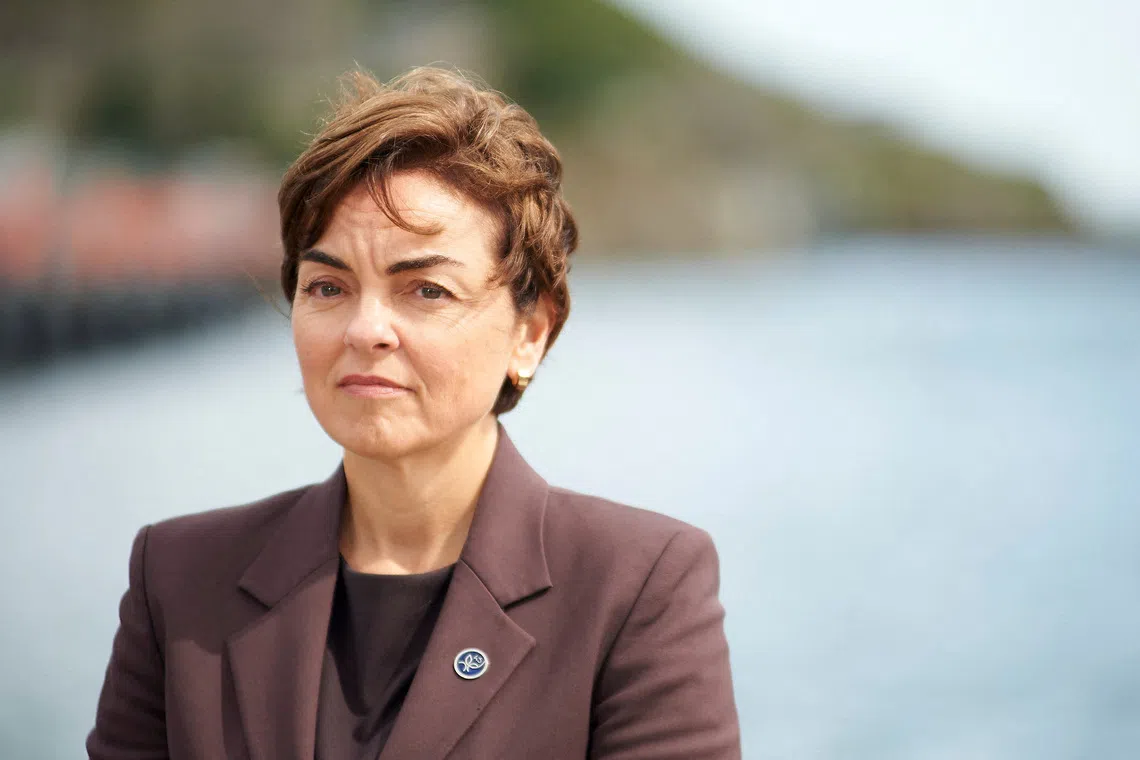
And he was facing a new incumbent premier in Christine Fréchette who, many would agree, was performing well in the role.
asserted
many → face → role
It was easy for political adversaries to point out that, in that sense, the situation could become similar to Pierre Poilievre’s Conservative Party of Canada who lost against Mark Carney’s Liberals last year despite dominating poll numbers for years.
uncertain
who → point → years
But with a fixed election date set for Oct. 5 and with five main political parties at play — including three splitting the federalist vote — the situation was entirely different.
asserted
situation → fix → vote
Louis Lyonnais, one of St-Pierre Plamondon’s closest aides, said the PQ was well aware that Fréchette’s Coalition Avenir Québec was going to use the ongoing trade war between Canada and the U.S. to scare voters into re-electing her government.
asserted
Québec → say → government
“We knew the CAQ would play that card.
asserted
CAQ → know → card
That was all they had left,” he said.
asserted
he → leave → ?
That is why on Aug. 18, days before the election, St-Pierre Plamondon made the formal announcement that a PQ government would only hold a referendum on the separation of Quebec after U.S. President Donald Trump leaves office in January 2029.
asserted
Trump → make → January
It wasn’t exactly a new promise, as the PQ was already planning to hold the referendum near the end of a first mandate in government.
asserted
PQ → plan → government
But making that announcement would lessen the attacks that the PQ would destabilize Quebec in already unstable times.
asserted
PQ → make → times
“We took away their strongest argument,” Lyonnais said of the PQ’s main adversaries.
asserted
Lyonnais → take → adversaries
The days that followed saw the collapse of trade talks between Canada and the U.S. which caused the “rally ‘round the flag” even in Quebec.
asserted
which → follow → Quebec
Trump imposed further tariffs on Canadian exports and Canada shot back with counter-tariffs on U.S. imports.
asserted
Canada → impose → imports
The sequence of events benefitted Fréchette, who was presenting herself as the person best placed to face Trump.
asserted
who → benefit → Trump
Her party was creeping up in the polls, in second place, and many were wondering if the “Trump effect” could push her just over the edge.
uncertain
effect → creep → edge
Lucas Medernach, director of communications for the PQ, said the party was expecting the CAQ to slightly go up in the polls, but he wasn’t anticipating the counter-tariffs which helped the incumbent party go up a bit higher than anticipated.
asserted
party → say → tariffs
However, the CAQ never saw a “stratospheric” rise in the polls either, he said.
asserted
he → see → polls
The only party that was able to rise to the PQ’s levels was the Liberal party which, back in the spring, was toe-to-toe with the separatist party.
asserted
which → rise → party
But leader Charles Milliard’s perceived ambiguity on the question of the French language and religious signs in recent months set him back.
asserted
ambiguity → perceive → him
The PQ was especially keeping a close eye on the vote of people aged 55 and up, which were heavily leaning towards the CAQ because of the trade war with the U.S. Medernach admitted that trend was a little “worrisome” at the start of the campaign.
asserted
trend → keep → campaign
What also irked the Péquistes was the fact that Carney and Fréchette were often seen together for major announcements in the days leading up to the campaign, whether it was for the Churchill Falls energy deal or Davie Shipyard’s icebreakers contract.
asserted
it → irk → deal
“Let’s be honest: Mark Carney had chosen his winner,” Medernach said.
asserted
Medernach → choose → winner
Carney’s team has denied that was the case, and that they were simply working with the team in place to land some major deals.
asserted
they → deny → deals
Fréchette would use every opportunity to tout just how in sync she was with Carney’s team, saying that she had influenced Canada’s counter-tariffs.
asserted
she → use → tariffs
That was promptly denied by Ottawa, in a move seen by the PQ to create a distance between the two.
asserted
That → deny → two
In the weeks that followed, the CAQ leader was forced to admit she was not consulted about some of Ottawa’s major initiatives before they were announced.
asserted
they → follow → initiatives
That was the case about the plan to privatize operations at the Montreal airport and the productivity mega deduction that would deprive Quebec from an estimated 1 billion annually in corporate tax revenue as it would need to harmonize its rules.
asserted
it → privatize → rules
Fréchette also struggled to say early on whether she was a federalist or a sovereigntist — she worked for the PQ during the Pauline Marois government — and eventually settled on being an “autonomist” vying for more powers for Quebec within Canada.
asserted
she → struggle → Canada
Medernach said the electorate took notice of these contradictions and it reinforced the need to have someone who is authentic and straightforward with voters.
asserted
who → say → voters
Before the debates, St-Pierre Plamondon and his team seemed tense.
asserted
Plamondon → seem → debates
The CAQ was still too close for comfort in many critical ridings around the Montreal area, and his small team was struggling to keep up with the daily flow of announcements.
asserted
team → struggle → announcements
“How could we not be stressed?
uncertain
we → stress → ?
We were the target of all the attacks,” said Medernach.
asserted
Medernach → say → attacks
Furthermore, the PQ had much less financial resources than its competitors, having elected only three members of the National Assembly (MNAs) back in 2022.
asserted
PQ → have → 2022
The caucus eventually grew to seven members after the PQ elected four more in byelections.
asserted
PQ → grow → byelections
Former journalist Alex Boissonneault, who was elected in a byelection in 2025, said the small but mighty PQ team had “forged strong bonds” and become “very close.”
asserted
team → elect → bonds
One PQ staffer admitted it was a boring campaign, where parties were proposing different nuances of the same thing because there is no money in government coffers.
asserted
parties → admit → coffers
…and 52 more, not listed.
 The Aporia