That is 0 articles you have read today.
The Aporia is free and carries no advertising, so readers are the only
thing paying for it. If you are getting this much out of it, a small
donation is what keeps it independent.
Daily limit reached
You have read 0 articles today.
That is more than the 15 a day The Aporia gives away,
and well past what it can carry on nothing. Your allowance resets at
midnight.
There is no advertising here and nothing about you is sold, so readers
are the only thing paying for it. If the site is worth this much of
your day, it is worth a few dollars.
Everything else stays open: the
maps, the
directory and
search do
not count against this, and neither does re-opening something you have
already read today.
Donald Trump announced that he would use funds from his MAGA Inc political action committee to cover the costs of taxpayer-funded pro-Trump television ads, which have faced significant backlash and criticism. These advertisements, costing at least $1.5 million in federal funds, were intended to promote Trump and featured positive messaging about his policies and leadership. Following intense scrutiny from both Democrats and legal experts who questioned whether these ads violated federal statutes against using appropriated funds for propaganda or political activities, the White House stated that MAGA Inc would pay for such advertisements moving forward but did not provide specifics on how this reimbursement would be executed.
Written locally by qwen2.5:14b on 2026-10-06,
using this article's own text rather than the other coverage of the
same event (that is the story summary below).
Story summary
In response to bipartisan criticism, President Trump announced on October 5, 2026, via Truth Social, that he would no longer use taxpayer funds to pay for pro-Trump ads. He stated his decision to fund future advertisements through his super PAC, MAGA Inc., which had raised over $400 million by the end of July. The ads, costing at least $1.5 million in federal funds since late September, were criticized as political propaganda and not legitimate public service announcements. Legal experts questioned their legality under laws prohibiting government spending on political advertisements. Trump's about-face came after intense backlash from lawmakers on both sides, including criticism that the ads violated federal restrictions against using public funds for self-promotion.
Written for “Trump Ads Funding Controversy” on 2026-10-06,
grounded in this article and the 7 other(s) covering the same event.
Why this leaning score
The model judged this article politically coded and scored it -0.35, but every quote it verified points right, so the score is not published.
Written under an earlier scoring contract, which gave a paragraph
rather than checkable quotes. Re-analysing this article replaces it.
Leaning score withheld for article 58951: score contradicts its own evidence · logged 2026-10-06
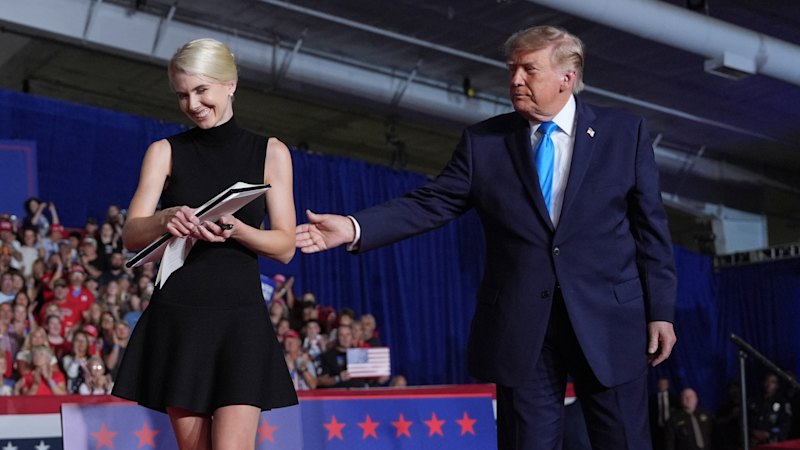
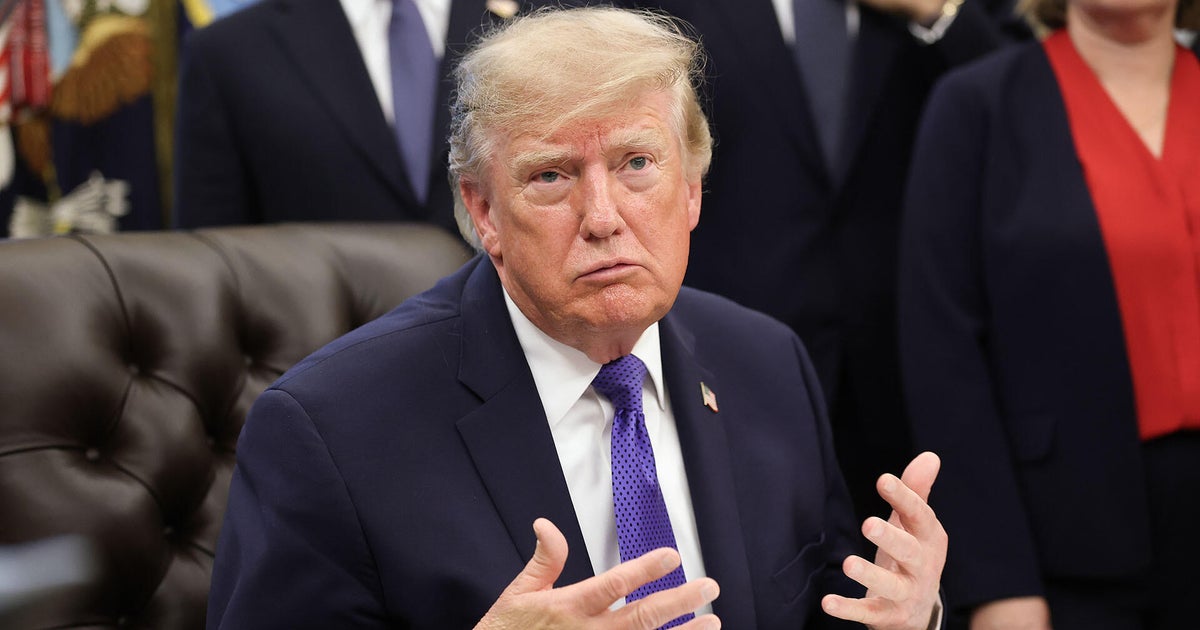
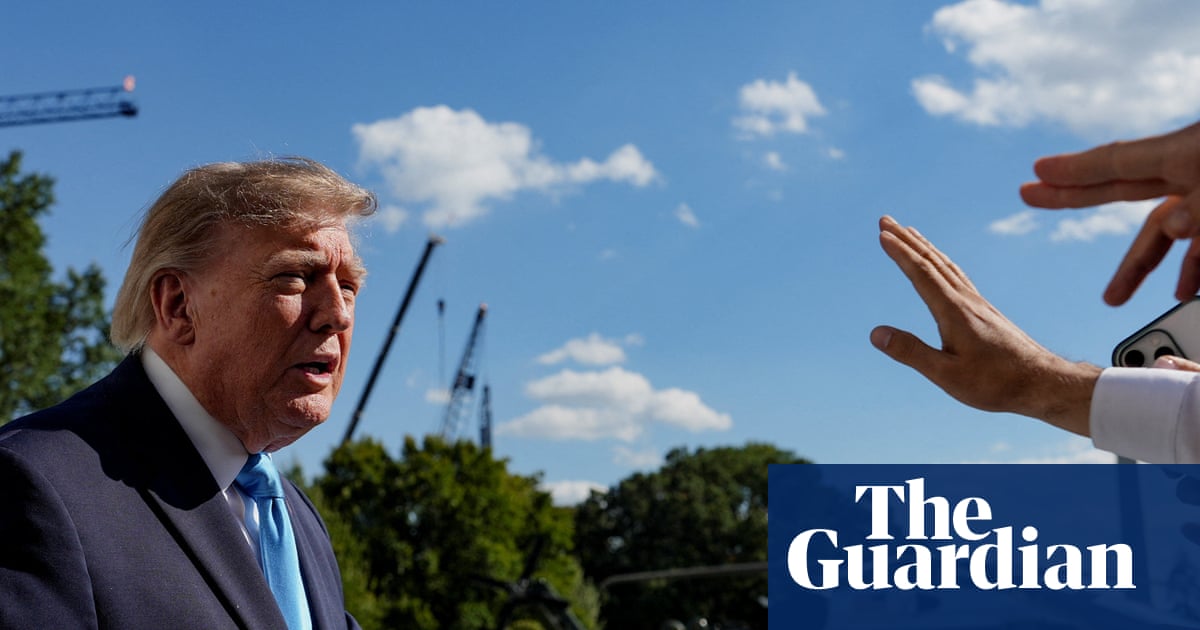
Donald Trump said on Monday he would pay for taxpayer-funded, pro-Trump ads “with money I raised for MAGA, Inc.”, a political action committee, after the television advertisements glorifying himself sparked a major backlash.
asserted
advertisements → say → backlash
In a social media post, Trump characterized the ads, which cost at least $1.5m in federal funds, as “a positive promotion for our Great U.S.A.” and called them “a rather standard thing to do”.
asserted
which → characterize → them
Maga Inc is Trump’s political war chest, which had amassed more than $400m by the end of July.
asserted
which → amass → July
Trump has begun to tap it to boost Republican candidates across the US ahead of midterm elections.
asserted
Trump → begin → elections
Trump provided no details on reimbursing taxpayers for ads that already aired, nor how he would go about having his political organization pay for such advertising.
asserted
organization → provide → advertising
The White House – which had fiercely defended using taxpayer money on spots meant to promote the president – said Monday night Maga Inc would pay for such ads in the future.
asserted
Inc → defend → future
It did not answer questions on how it or Trump might prove that his political funds were being used on any ads.
uncertain
funds → answer → ads
Trump’s abrupt about-face came after leaders from both parties criticized using taxpayer funds.
asserted
leaders → come → funds
Last week, two congressional Democrats asked federal watchdogs to investigate whether the Trump administration illegally used taxpayer money to air the television spots that began airing in late September.
asserted
that → ask → September
Jamie Raskin, the top Democrat on the House judiciary committee, and California congressman George Whitesides wrote to the government accountability office (GAO) and the office of special counsel (OSC), describing the commercials as “desperate pre-election propaganda”.
asserted
Raskin → write → propaganda
Legal experts said the ads might even violate federal statutes, including a law against congressionally appropriated funds being used for “publicity or propaganda” and one limiting the partisan political activities of government employees.
uncertain
ads → say → employees
The first ad featured clips of Trump talking about defeating communism interspersed with onscreen text promoting the “largest tax cuts in history”, “reigniting American manufacturing” and a call to “defend law and order and police”.
asserted
Trump → feature → law
Later the same week, a second ad began running.
asserted
ad → begin → ?
It showed scenic videos of Mount Rushmore with quotes and clips from Trump’s Fourth of July weekend speech there honoring the country’s 250th anniversary.
asserted
It → show → anniversary
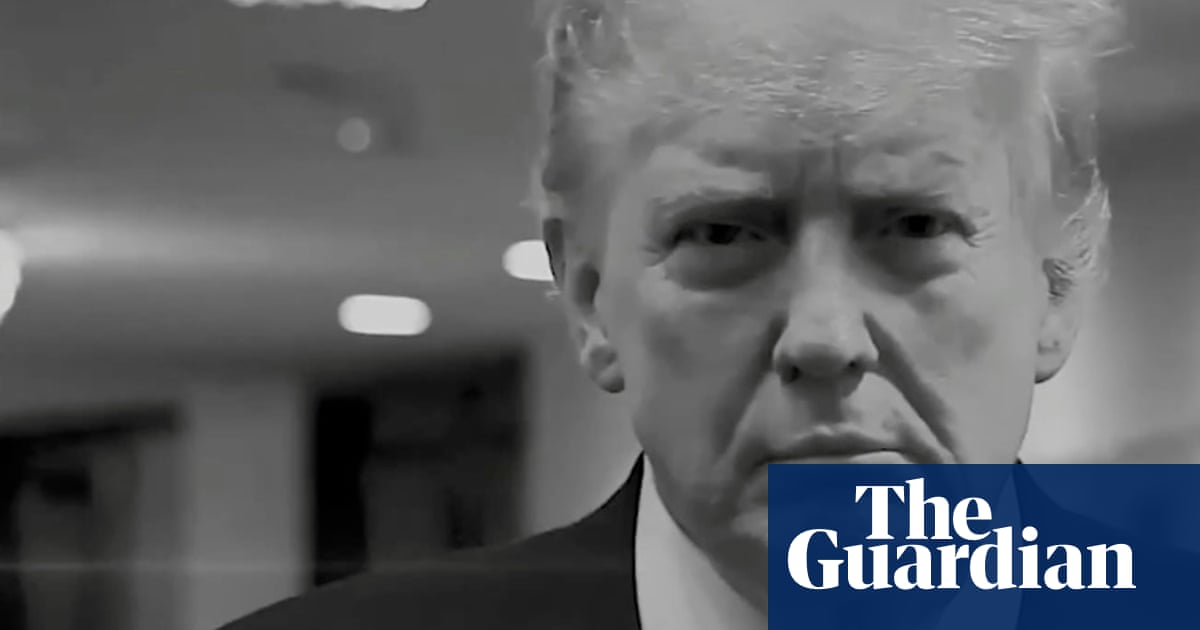
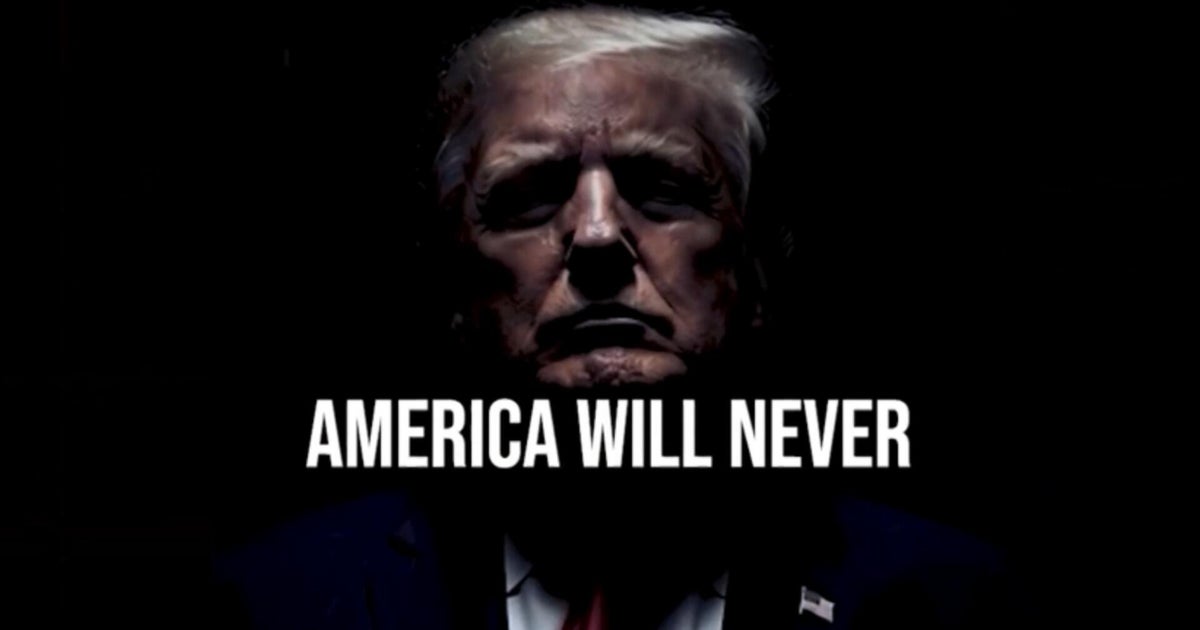
A third, more recent one was virtually identical to an ad for Trump’s Republican reelection campaign in 2024 and showed him walking down a hallway as his voice can be heard warning of a “final battle” against “globalists” and “warmongers”.
asserted
voice → show → globalists
All ended with a message: “Paid for by the US government.”
asserted
All → end → government
According to AdImpact, which tracks media spending, the spots had cost at least $1.4m by the end of September.
uncertain
spots → accord → September
The actual amount spent could be far more, depending on whether networks classified the ad as a political ad.
uncertain
networks → spend → ad
 The Aporia