Donald Trump says he will no longer spend taxpayers’ money on political advertising for the midterm elections, after a bipartisan backlash to the use of public funds for the president’s self-promotion.
asserted
he → say → promotion
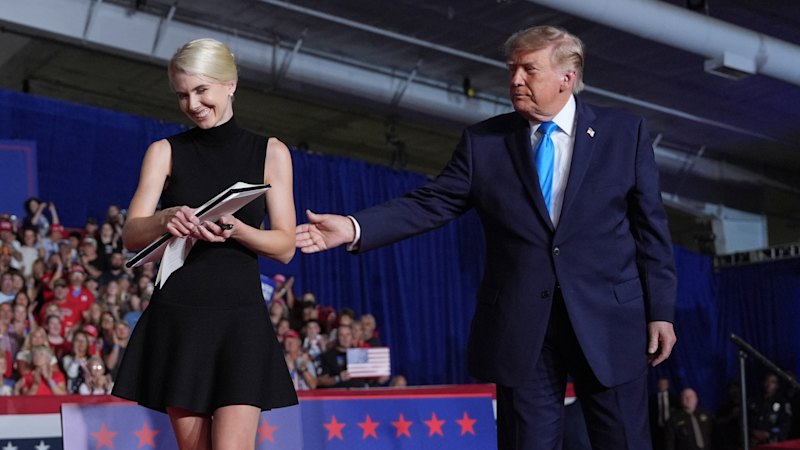
It comes as Trump lashes out at media coverage of his campaign rallies, which have featured rows of empty seats – something the president is attempting to deny.
asserted
president → come → something
As the Republicans face an uphill battle to retain control of Congress on November 3, several television ads have aired in primetime slots over the past fortnight promoting Trump and his agenda, with a disclosure that they were “paid for by the US government”.
asserted
they → face → government
The taxpayer-funded promotions outraged Democrats and many Republicans, but Trump and the White House had, until now, defended the ads as “public service announcements”.
asserted
Trump → fund → announcements
One ad, a version of which originally aired during the 2024 presidential campaign, quotes Trump talking about a “final battle” for America.
asserted
version → air → America
“With you at my side, we will demolish the deep state,” he says.
asserted
he → demolish → state
“We will expel the warmongers from our government.
asserted
We → expel → government
We will cast out the communists, Marxists and fascists.”
asserted
We → cast → communists
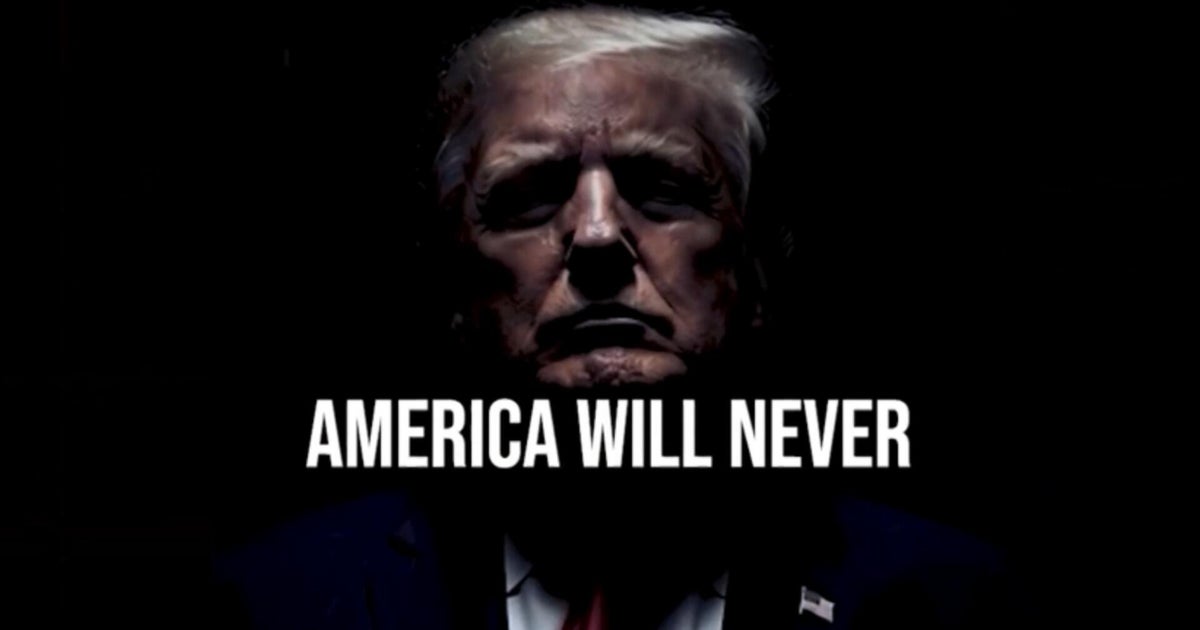
Another ad, also paid for by taxpayers, features a super-cut of Trump photographs set to a song called Love Me by R&B artist JMSN, and the promise that America “will never be a communist country”.
asserted
America → pay → JMSN
The ads have aired during NFL matches, college football games and other programs such as Saturday Night Live, as well as on cable news and broadcast channels.
asserted
ads → air → news
CNN reported there were at least 13 such ads, with 12 of them reportedly sitting in a Dropbox run by the agency which was contracted to buy the TV slots.
uncertain
which → report → slots
Not all of them have aired.
asserted
all → air → them
In a letter to White House chief-of-staff Susie Wiles last week, several Democratic members of Congress said it was “the sort of government propaganda one might expect in North Korea, not the United States of America”.
uncertain
one → say → America
“If President Trump wants people to love him, he can pay for it himself,” they wrote.
asserted
they → want → it
Democrats were not the only ones to complain.
asserted
Democrats → complain → ?
Republican senator John Kennedy told CBS last week: “I don’t think any public official, including President Trump … should spend public money on private ads for themselves.”
asserted
official → tell → themselves
Watchdogs and advocacy groups such as Citizens for Responsibility and Ethics in Washington say the use of taxpayer funds for the ads likely breaches multiple federal laws.
asserted
use → say → laws
The White House claims the ads were “very clearly not campaign ads” because Trump is not on the ballot at the midterm elections and there was no call to action in the ads.
uncertain
Trump → claim → ads
But on Monday (US time), Trump backflipped and said his fundraising vehicle, the super PAC called MAGA Inc, will pay for the ads.
asserted
vehicle → backflippe → ads
“The Radical Left is upset with the fact that I am taking Ads, which I consider to be a positive promotion for our Great U.S.A., and paying for them with U.S.A. money,” he wrote on Truth Social.
asserted
he → upset → Social
“This is a rather standard thing to do but, rather than doing that, although nothing will make them happy, I have decided to do the Patriotic Ads, among others, and pay for them myself, and with money I raised for MAGA, Inc.”
asserted
I → do → money
Disclosures by the Federal Election Commission showed MAGA Inc had more than $US415 million ($595 million) cash on hand at the end of August.
asserted
Inc → show → August
Trump’s post came as he was holding a rally in the deep-red state of Nebraska, where the incumbent Republican senator faces a substantial challenge from a Democrat-backed independent.
asserted
senator → come → independent
The president has recently travelled to several states to shore up candidates in what would ordinarily be considered party strongholds, including Oklahoma, Alabama and Texas – where he will return this week.
asserted
he → travel → Oklahoma
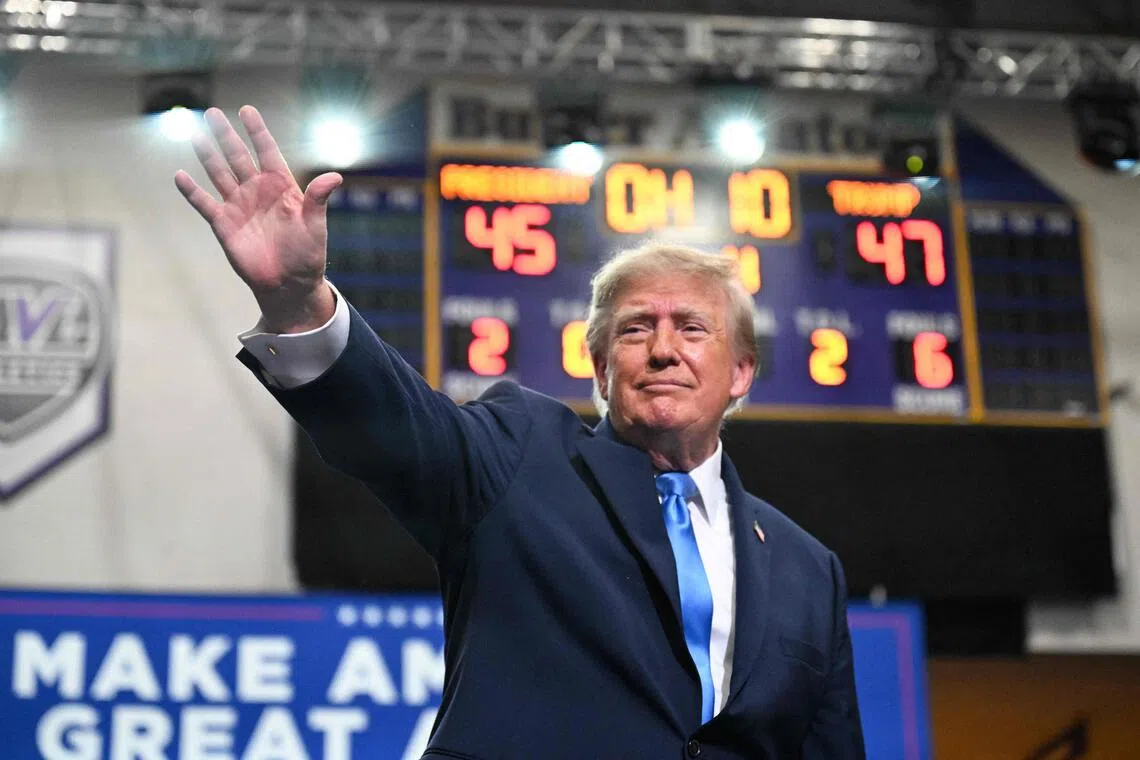
On Monday, he raged at New York Times over its coverage of a recent rally in Ohio.
asserted
he → rag → Ohio
The paper, which attended the rally, reported that several areas of the upper section were empty by the time Trump finished speaking.
asserted
Trump → attend → time
Trump claimed there were no empty seats and said the Times and other media outlets “should be arrested for their dishonesty and disservice to our Country”.
asserted
Times → claim → Country
He said attendees who are seated in the upper deck at his rallies tended to migrate down to the main floor, leaving their former seats empty.
asserted
who → say → seats
“The ‘migration’ process always happens!” he said.
asserted
he → happen → ?
“The Times knows this, and so does everyone else.
asserted
everyone → know → this
I never have empty seats — Never have, and never will!”
asserted
I → have → seats
But in fact, Trump has failed to fill the venue at several recent engagements, including the special midterm convention in Dallas, Texas.
asserted
Trump → fail → Dallas
He said the Ohio rally was held at an “arena”, though it actually took place at a high school activity centre with a capacity of 4500.
asserted
it → say → 4500
He called Democrats “a bunch of dumb son of a bitches” and said: “We’re going to win big, and we’re going to shove it up their ass.”
Get a note directly from our foreign correspondents on what’s making headlines around the world.
asserted
what → call → world
 The Aporia