That is 0 articles you have read today.
The Aporia is free and carries no advertising, so readers are the only
thing paying for it. If you are getting this much out of it, a small
donation is what keeps it independent.
Daily limit reached
You have read 0 articles today.
That is more than the 15 a day The Aporia gives away,
and well past what it can carry on nothing. Your allowance resets at
midnight.
There is no advertising here and nothing about you is sold, so readers
are the only thing paying for it. If the site is worth this much of
your day, it is worth a few dollars.
Everything else stays open: the
maps, the
directory and
search do
not count against this, and neither does re-opening something you have
already read today.
President Donald Trump announced he will stop using US taxpayer funds to pay for television ads promoting his policies and administration, following criticism from both Democrats and some Republicans. The ads, which praised Trump's tax cuts and other initiatives while criticizing perceived political enemies, faced legal scrutiny due to restrictions on the use of government money for political advertisements. Over recent weeks, more than a dozen such ads aired, drawing bipartisan pushback as midterm elections approach, with Democrats aiming to gain control over one or both chambers of Congress.
Written locally by qwen2.5:14b on 2026-10-06,
using this article's own text rather than the other coverage of the
same event (that is the story summary below).
Story summary
In response to bipartisan criticism, President Trump announced on October 5, 2026, via Truth Social, that he would no longer use taxpayer funds to pay for pro-Trump ads. He stated his decision to fund future advertisements through his super PAC, MAGA Inc., which had raised over $400 million by the end of July. The ads, costing at least $1.5 million in federal funds since late September, were criticized as political propaganda and not legitimate public service announcements. Legal experts questioned their legality under laws prohibiting government spending on political advertisements. Trump's about-face came after intense backlash from lawmakers on both sides, including criticism that the ads violated federal restrictions against using public funds for self-promotion.
Written for “Trump Ads Funding Controversy” on 2026-10-06,
grounded in this article and the 7 other(s) covering the same event.
Why this leaning score
The article's own words the score was based on. Each is quoted
verbatim and was checked against the article text before being
stored, so you can find it in the original.
Leaning: leans left for article 59021 (high confidence, 1 verified quote) · logged 2026-10-06
- Published
President Donald Trump has said he will stop using US taxpayer funds to pay for television ads he has fronted, following bipartisan pushback.
asserted
he → publish → pushback
"The Radical Left is upset with the fact that I am taking Ads, which I consider to be a positive promotion for our Great U.S.A., and paying for them with U.S.A. money," he said Monday on social media.
asserted
he → upset → media
Trump said it is "a rather standard thing to do" but that he has decided to pay for the "Patriotic Ads" himself and with money he raised through his MAGA Inc super political action committee.
asserted
he → say → committee
The ads, which praise the president and his policies, drew criticism and questions over their legality due to laws against using government money for political ads.
asserted
which → praise → ads
There have been more than a dozen ads over recent weeks, with some mentioning Trump's tax cuts, US manufacturing and law and order.
asserted
some → mention → cuts
In them, Trump also vows to take action against the "deep state" and others he perceives as enemies.
asserted
he → vow → enemies
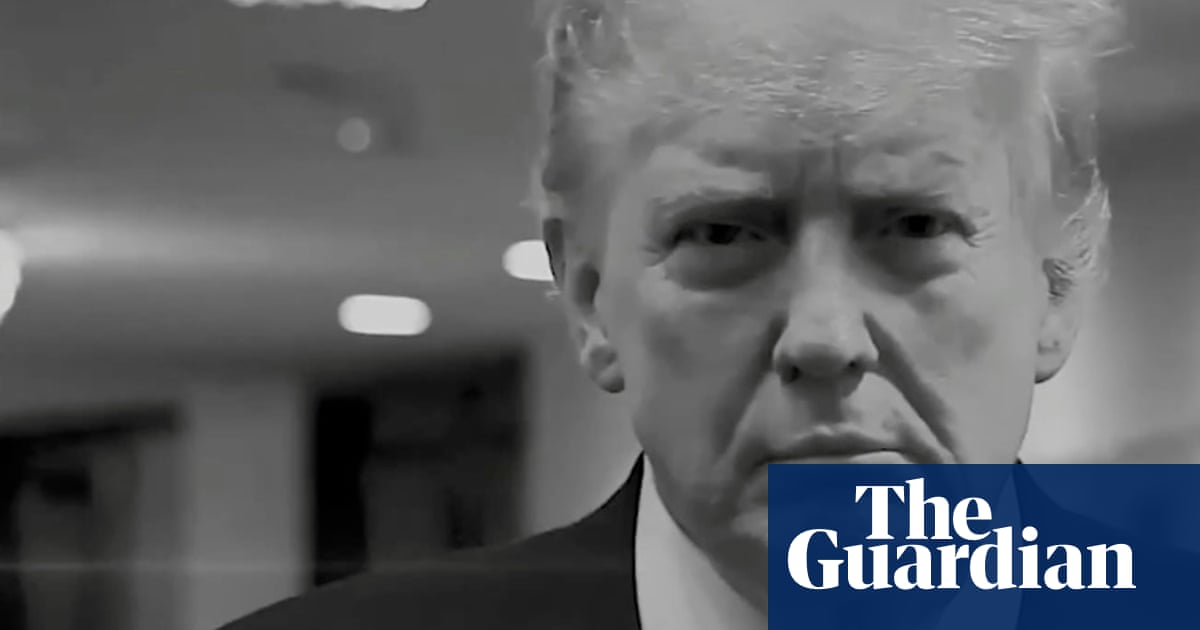
In one ad, Trump says, "We will cast out the communists, Marxists, and fascists.
asserted
We → say → communists
We will throw off the sick political class that hates our country.
asserted
that → throw → country
We will rout the fake news media, and we will liberate America from these villains once and for all".
asserted
we → rout → all
The ads come just ahead of the pivotal November midterm elections, when Democrats hope to take control of one or both chambers of the US Congress as polls continue to show Trump's approval rating falling.
asserted
rating → come → Congress
Midterm elections often serve as a verdict on how a president is doing - and typically the party of a sitting president tends to lose seats in Congress.
asserted
party → serve → Congress
The White House has pushed back against criticism, calling the ads "educational" and saying they are not propaganda, but rather public service announcements.
asserted
they → push → ads
They've pointed to previous administrations ads, like those under former Presidents Barack Obama on his healthcare plan and one under former President Joe Biden urging people to get Covid-19 vaccines.
asserted
They → point → vaccines
But legal experts say past US government adverts have typically been about public health or national emergencies.
"It's difficult to see what legitimate government purpose is served by spending taxpayer dollars on ads whose only apparent purpose is to promote the president," legal ethics expert Margaret Dylus-Yukins has told the BBC.
asserted
Yukins → say → president
Democratic Senator Maggie Hassan of New Hampshire introduced a measure, which was blocked by a Republican, denouncing the administration for using government funds for for the ads.
asserted
which → introduce → ads
"It is the sense of the Senate that the advertisements promoting President Donald Trump that aired in September 2026, which included the direct language 'paid for by the U.S. Government,' should not be paid for by the United States government," the measure reads.
asserted
measure → promote → government
The ads have received criticism on both sides of the aisle.
asserted
ads → receive → aisle
Republican Senate Majority Leader John Thune told reporters on Monday that while "I like the message ... it shouldn't be paid for with taxpayer dollars".
asserted
it → tell → dollars
Senator John Kennedy, a Republican, said on CBS News on Sunday that politicians should not spend taxpayer funds on promotional ads.
asserted
politicians → say → ads
"I don't think any public official, including President Trump or Kristi Noem or John Kennedy, should spend public money on private ads for themselves," the Louisiana lawmaker said.
asserted
lawmaker → think → themselves
 The Aporia