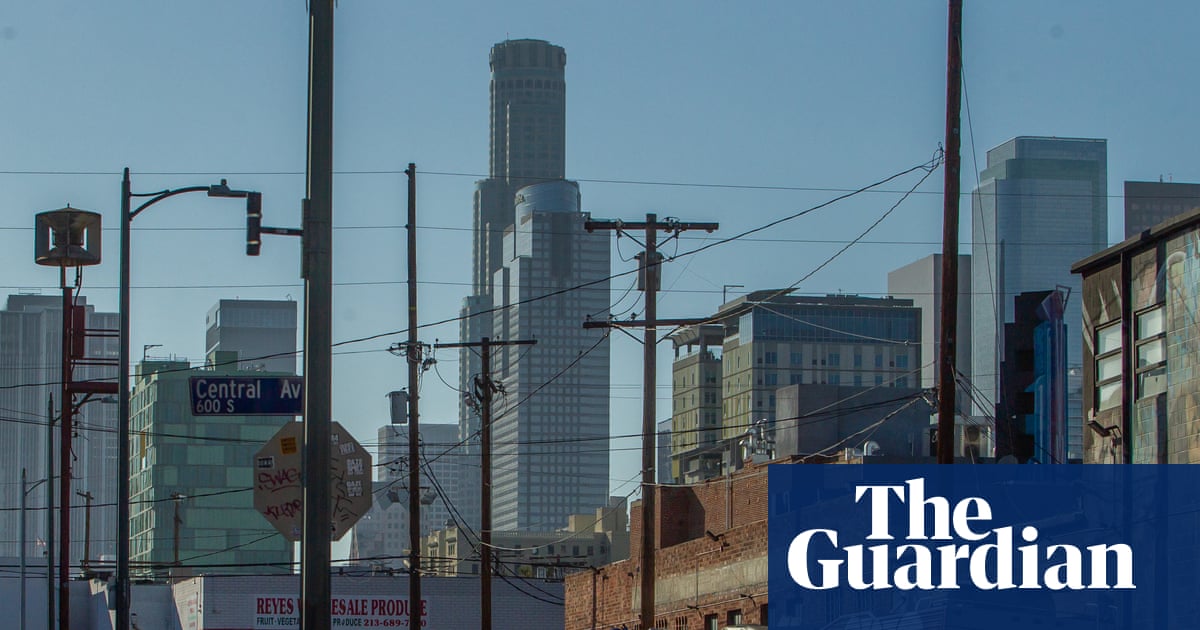
The whir of news helicopters flying overhead has long been a familiar soundtrack to life in Los Angeles – and the footage they gather of high-speed chases, wildfires and celebrity sightings a fixture of local television.
asserted
they → fly → television
For nearly 70 years, Angelenos have gotten their news from “the eye in the sky” – from scenes of OJ Simpson’s fleeing white Bronco, the 1992 LA riots and even Madonna’s wedding to Sean Penn.
asserted
Angelenos → get → Penn
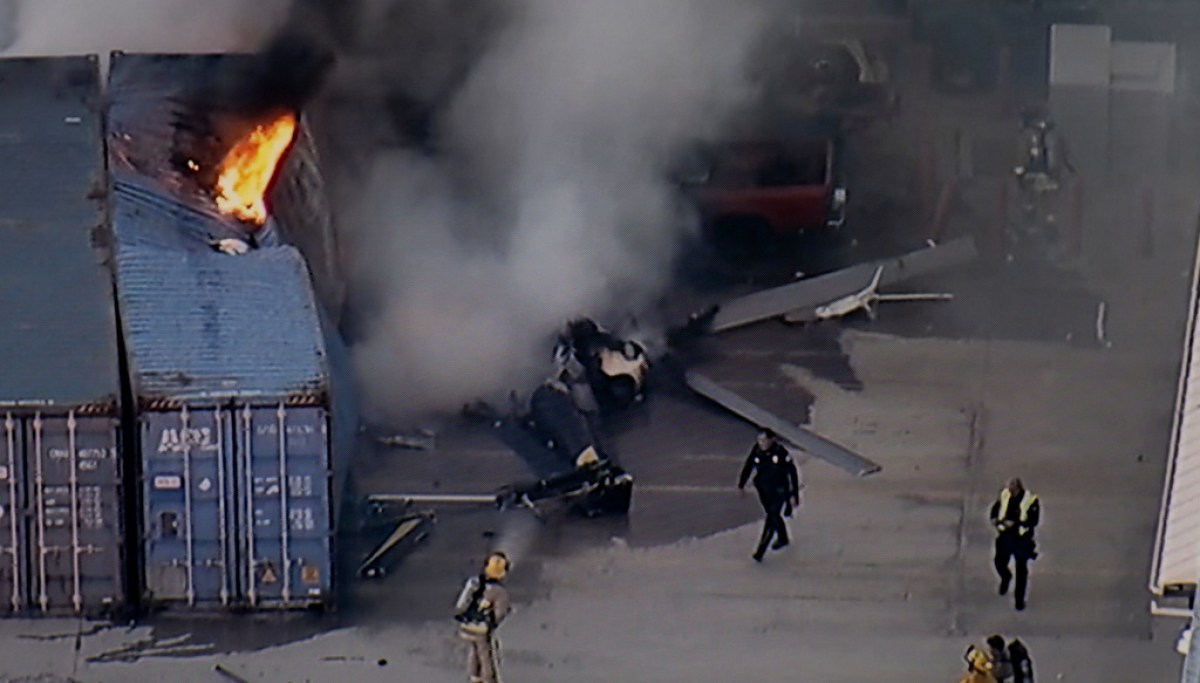
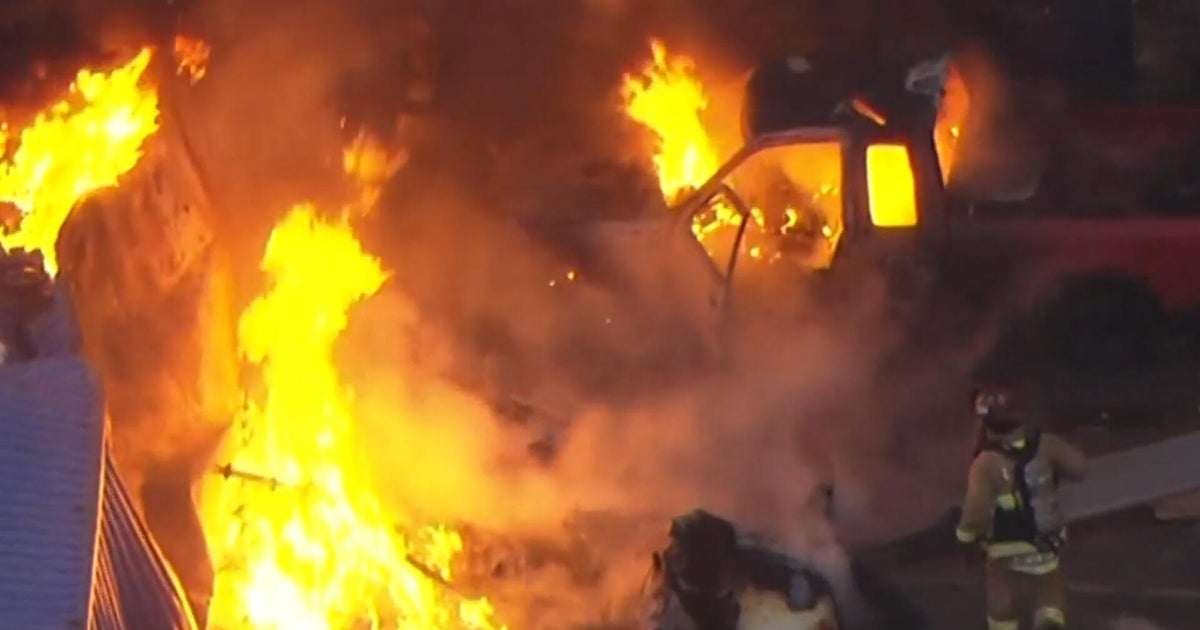
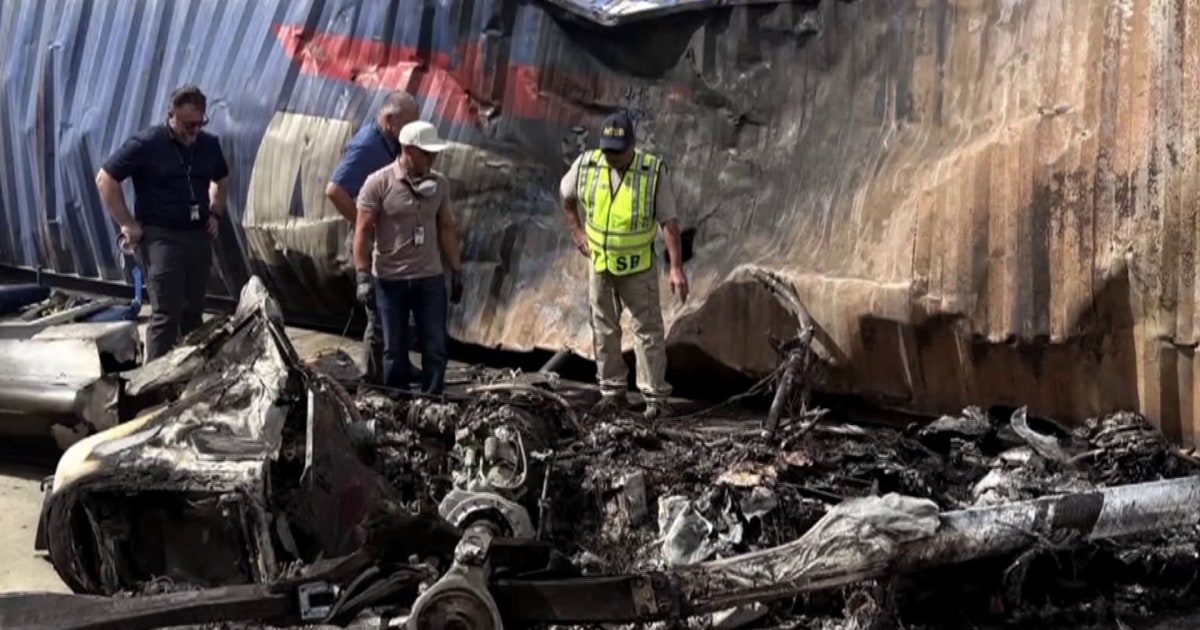
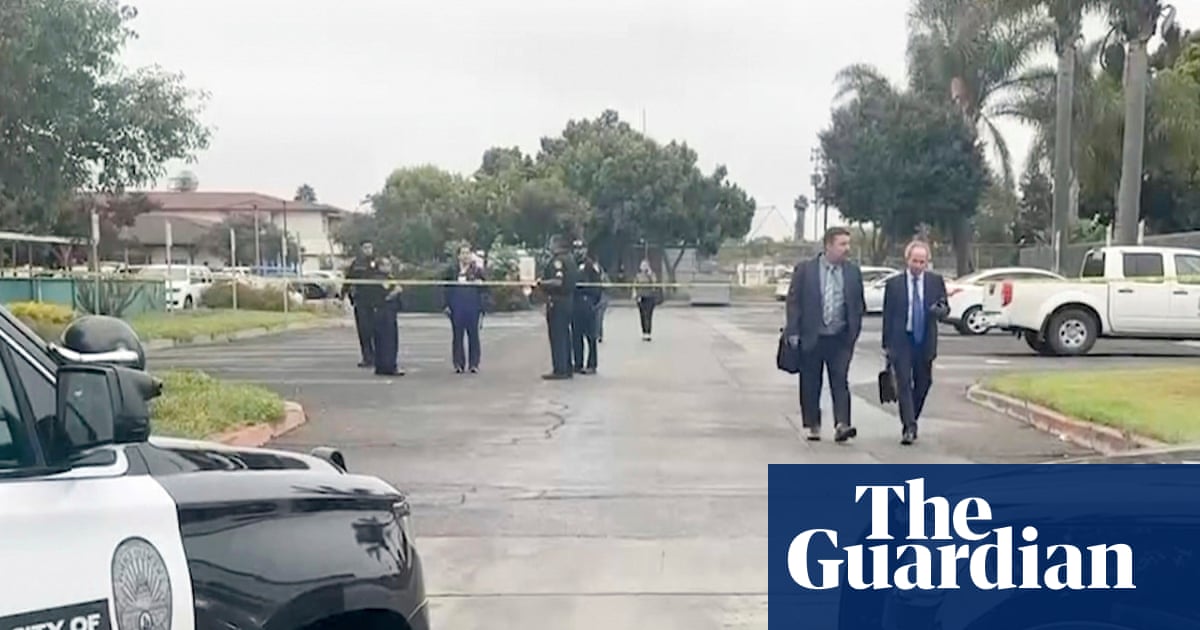
On Tuesday, one of those news helicopters crashed live on air while covering the collision of an SUV and a city bus, killing journalist Eliana Moreno, pilot George Marciniw and one person on the ground.
asserted
one → crash → ground
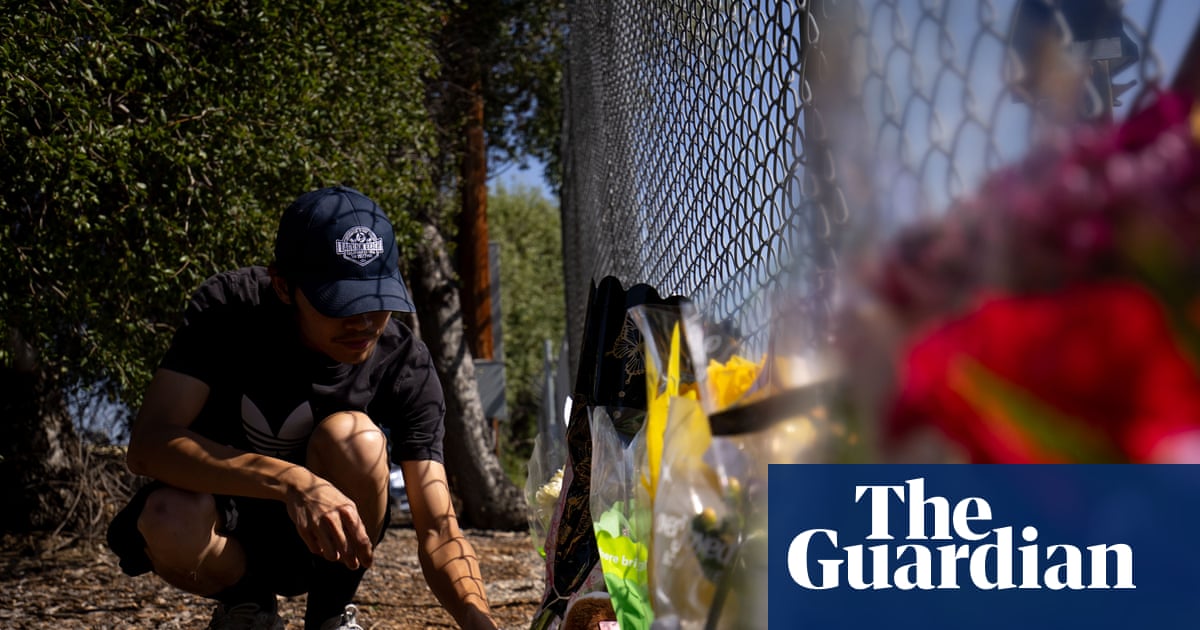
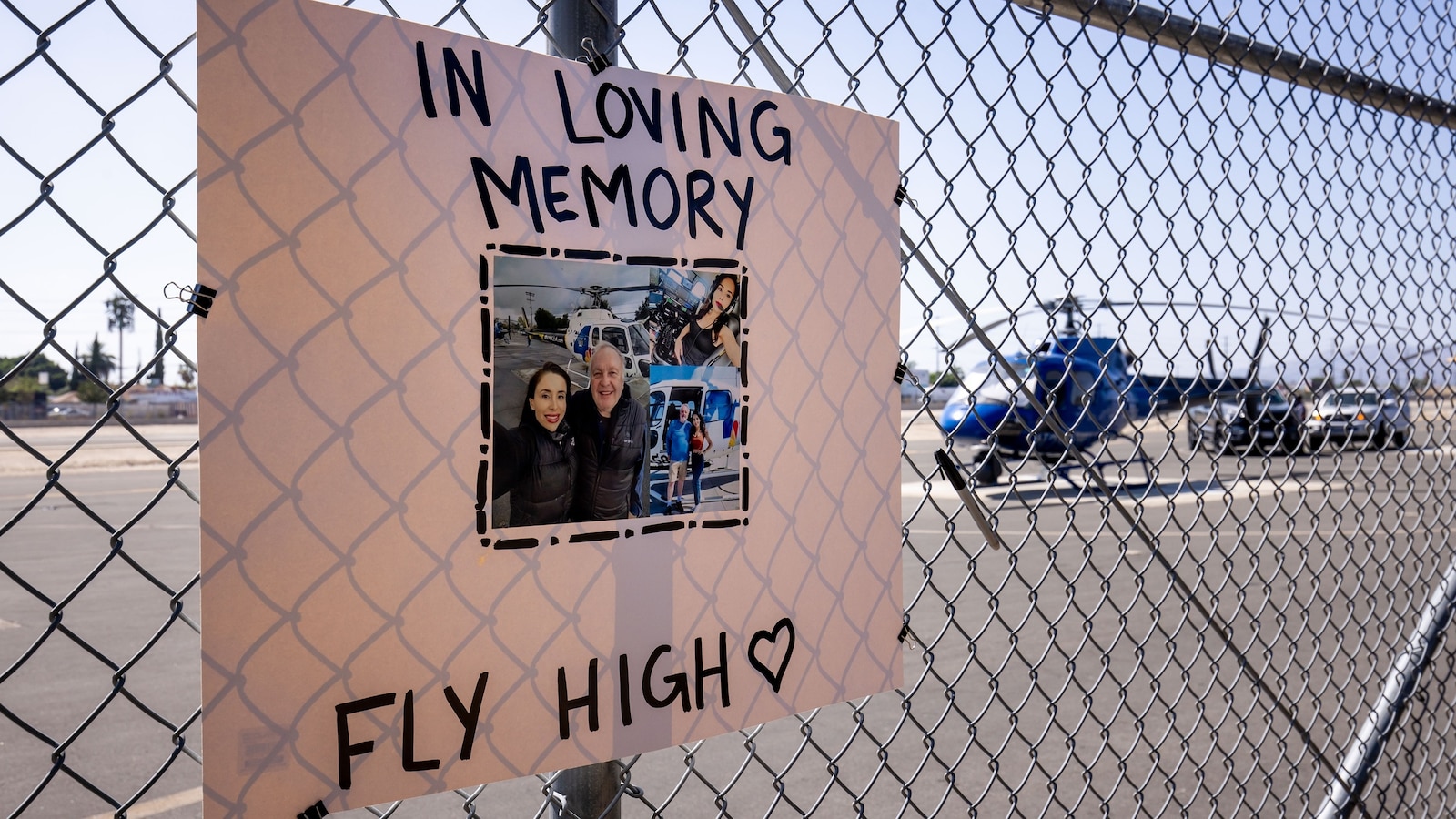
The incident has prompted an outpouring of support for the families, and reflection on the sometimes dangerous and uniquely Californian history of helicopter journalism.
asserted
incident → prompt → journalism
The world’s first “Telecopter” debuted in Los Angeles in 1958, after John Silva, chief engineer for KTLA-TV, retrofitted a helicopter into a flying news studio with ultra-light camera equipment that could transmit footage live from the air.
uncertain
that → debut → air
An electronics engineer who’d worked as a radar operator during the second world war, Silva was uniquely suited to the task.
asserted
Silva → work → task
Although KTLA had been the first commercially licensed television station in the city, a growing number of competitors in the 1950s made attracting viewers a growing concern.
asserted
attracting → license → viewers
In a 2002 interview for the Archive of American Television, Silva recalled his inspiration: “If we could build a news mobile unit in a helicopter we could get over it all, get there first, avoid the traffic and get to all the stories before anybody in the competition.”
uncertain
we → recall → competition
Over the next decade, the Telecopter would capture scenes from the Bel Air fire, the Baldwin Hills Dam disaster and the Watts riots.
asserted
Telecopter → capture → fire
In the 1980s, the married couple Zoey Tur and Marika Gerrard of the Los Angeles News Service would take up the torch of helicopter reporting – capturing footage of the attack on Reginald Denny during the LA riots and OJ Simpson’s white Bronco chase.
asserted
couple → take → riots
“The city was undergoing a truly tumultuous time,” Matt Yoka, the producer of the documentary Whirylbird told KCRW in a 2021 interview.
asserted
Yoka → undergo → interview
“I think in one sense, the work that Zoey and Marika were doing was simply trying to bring that into the homes of the people of Los Angeles watching the nightly news.”
asserted
Zoey → think → news
Spending their days in the sky, Tur and Gerrard were uniquely positioned to capture breaking news.
asserted
Tur → spend → news
In a 2024 interview with NBC News, Gerrard recalled how she and Tur were flying over the El Toro ‘Y’ interchange when they heard on the scanner that Simpson’s Bronco had been spotted nearby: “So I slid the door of the helicopter open and then pointed the camera down, and low and behold there was the white Bronco.
asserted
I → recall → camera
That practicality has made helicopters a crucial tool for news reporters in the vast cities of the US West.
asserted
helicopters → make → West
“A news helicopter is more than a flying camera,” Tammy Rose, a helicopter reporter for ABC-13 in Houston, told the Associated Press.
asserted
Rose → fly → Press
“As a reporter aboard the aircraft, I could see the larger scene, communicate with the newsroom, gather information and report live while events were unfolding.
uncertain
events → see → information
Yet, since their earliest use, news helicopters have faced real hazards – from mechanical failures to drone and bird strikes.
asserted
helicopters → face → strikes
In 1977, a KNBC helicopter ran out of fuel and crashed after covering a Santa Barbara wildfire, killing cameraman George Spears and pilot Francis Gary Powers, the U-2 pilot who’d survived being shot down during a spy mission in the Soviet Union.
asserted
who → run → Union
Those crashes led to some reforms, like all Phoenix news stations agreeing to share one helicopter after a 2007 crash – but some former helicopter journalists worry newsrooms turn to the helicopter too quickly.
asserted
newsrooms → lead → helicopter
“Viewers need information about mass riots, natural disasters and building explosions, especially when news crews on the ground can’t reach the sites.
asserted
crews → need → sites
But do mundane street closures and beauty shots really serve the public?” former helicopter reporter Thanh Tan wrote in an op-ed for the Seattle Times after a local helicopter crashed in 2014.
asserted
helicopter → serve → 2014
“Newsrooms should not send crews into the skies just because they can or to vie for viewership.”
asserted
they → send → viewership
After shaky and emotional footage direct from the helicopter appeared to show the crash, NBC Los Angeles confirmed the deaths of journalist Moreno, pilot Marciniw and pedestrian Edy Fernando Gutiérrez Mejía.
asserted
Angeles → appear → Moreno
“We are coming on the air with heavy hearts tonight because we lost valued friends and colleagues,” NBC Los Angeles anchor Colleen Williams said on air Tuesday.
asserted
Williams → come → air
“We are going to take a couple of minutes to think about that, to process, and to regroup.”
asserted
We → go → that
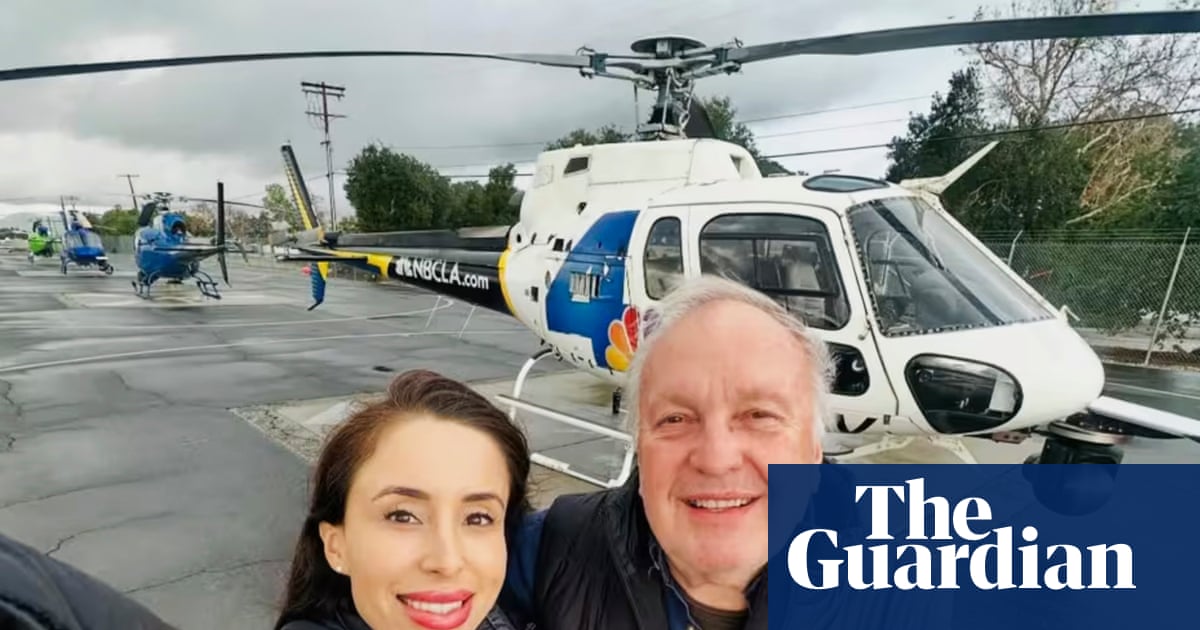
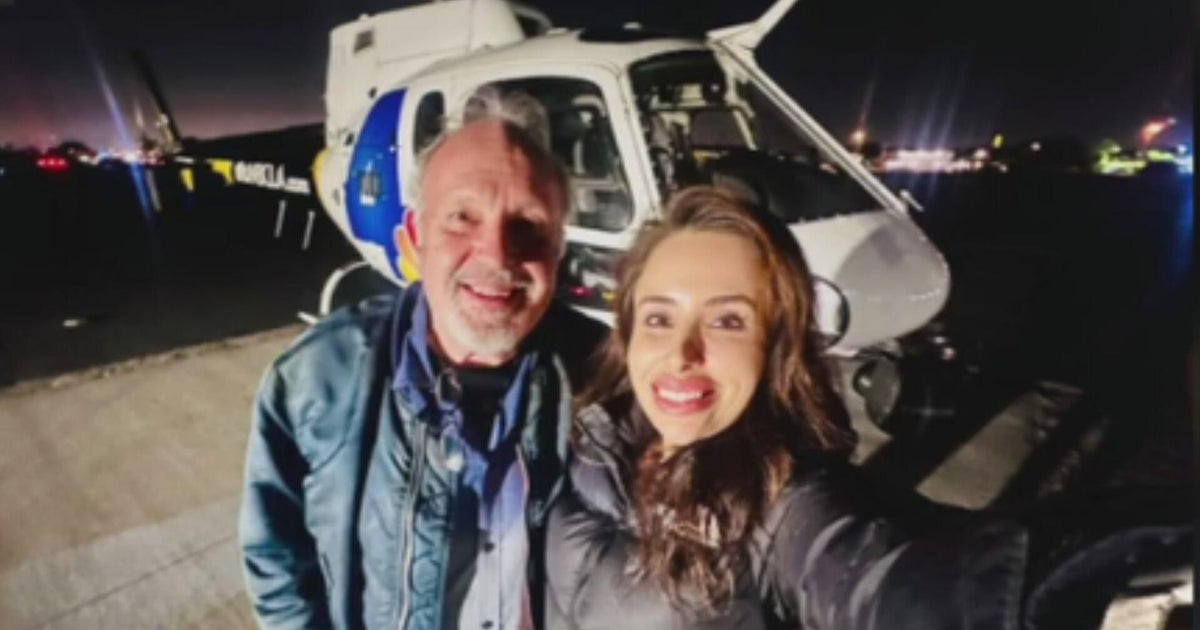
Working for Angel City Air, Moreno and Marciniw had provided aerial coverage for NBC4 and Telemundo 52 for years.
asserted
Moreno → work → years
Moreno, nicknamed “Eli in the Heli”, had begun working as a helicopter journalist in 2010, after she graduated from Chapman University.
asserted
she → nickname → University
A bilingual reporter in her 30s, Moreno was engaged to be married and had recently completed a marathon.
asserted
Moreno → engage → marathon
Her colleague, Jonathan Gonzalez, a weekend news anchor and reporter for NBC Los Angeles, told NBC, “she was damn good at what she did.”
asserted
she → tell → what
In a statement, Moreno’s family said she’d dreamed of being a news reporter since she was 11 years old and that much of her journey into journalism “was made possible by all of you who welcomed her into your homes and onto your screens”.
asserted
who → say → screens
“We are infinitely proud of her and feel incredibly blessed to have had the privilege of loving her,” they wrote.
asserted
they → feel → her
Her longtime colleague, pilot Marciniw, was eyeing retirement after more than 30 years as a helicopter pilot when the crash happened, fellow pilot Esteban Jimenez said.
asserted
Jimenez → eye → pilot
“I knew him since the ’90s.
asserted
I → know → 90s
He was my instructor at one time; he was my eyes and ears here in LA,” Jimenez said.
asserted
Jimenez → say → LA
Mejía, known by his nickname “Pichi”, was visiting Los Angeles and had arrived in the city only two days prior.
asserted
Mejía → know → city
According to a cousin, he’d planned to pick up a car and take it home to sell in Cuilapa, a town in south-eastern Guatemala.
uncertain
he → accord → Guatemala
His family is now working to repatriate his body.
asserted
family → work → body
Just weeks before the crash, in her final Instagram post, Moreno had shared her enthusiasm for helicopter reporting.
asserted
Moreno → share → reporting
Captioning a photograph from Whiteman airport, Moreno wrote about covering the summer’s wildfires and how aerial footage allowed her to show the path of a growing fire.
asserted
her → caption → fire
…and 1 more, not listed.
 The Aporia