Quebec is holding a provincial election where the Parti Québécois (PQ) is favored to win over the incumbent Coalition Avenir Quebec due to dissatisfaction with the latter's eight-year rule. The PQ, despite its historical stance on Quebec independence, has shifted focus during this campaign to address concerns about US President Donald Trump’s tariffs affecting key industries in Quebec. Instead of immediately pursuing a referendum on separation, the PQ aims to wait until after Trump leaves office to revisit the issue more calmly. Polls indicate only 30% of Quebecers support independence at present.
Written locally by qwen2.5:14b on 2026-10-05,
using this article's own text rather than the other coverage of the
same event (that is the story summary below).
Story summary
The leaders of five Quebec parties made their last pitches to undecided voters over the weekend, ahead of the provincial election on October 5, 2026. The separatist Parti Québécois (PQ), led by Paul St-Pierre Plamondon, has been leading polls throughout the campaign and is expected to win a majority government despite 30% public support for sovereignty. PQ's promise of a referendum on independence in 2029 drew criticism from opponents who warned it could destabilize Quebec’s economy and politics. About one-quarter of eligible voters had already cast their ballots in advanced polls before the final push.
Written for “Quebec Election” on 2026-10-05,
grounded in this article and the 11 other(s) covering the same event.
Why this leaning score
The article's own words the score was based on. Each is quoted
verbatim and was checked against the article text before being
stored, so you can find it in the original.
Leaning: leans left for article 57155 (medium confidence, 2 verified quotes) · logged 2026-10-05
Quebec heads to the polls with focus more on Trump than independence
Oct 5 -
asserted
Quebec → head → independence
The predominantly French-speaking Canadian province of Quebec goes to the polls on Monday and while a separatist party looks set to win, the campaign's focus has been more on US President Donald Trump than on independence.
asserted
focus → speak → independence
Polls show the center-right Coalition Avenir Quebec will be defeated after eight years in power in favor of the Parti Quebecois, which says the province of 9 million people can better preserve its French culture and language by breaking away from Canada.
asserted
province → show → Canada
But Quebec has been hit disproportionately hard by Trump's tariffs targeting key export sectors such as aluminum, steel and manufacturing.
asserted
Quebec → hit → aluminum
So powerful is their impact that the PQ, which promised to hold a referendum on independence in its first term, now says it will refrain until the president is out of office and Quebecers can reflect more calmly on their future.
asserted
Quebecers → promise → future
The PQ's announcement suggests a tacit recognition that Quebec is likely to cope better with Trump while remaining in Canada.
uncertain
Quebec → suggest → Canada
Polls show only 30% of Quebecers back separation, compared with a peak of nearly 50% during a 1995 independence referendum.
asserted
% → show → referendum
Analysts say a vote for the PQ would be more about disappointment with the CAQ than an endorsement of independence.
asserted
vote → say → independence
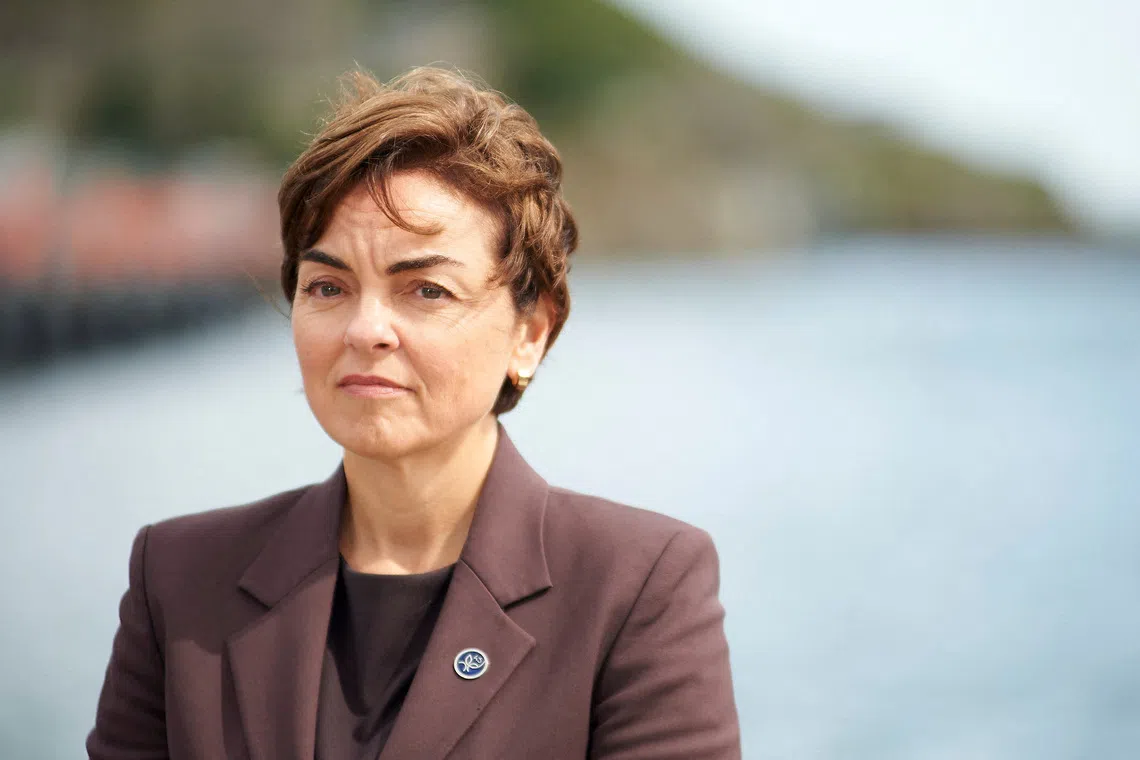
From the start of the campaign, Premier Christine Frechette also made clear the vote was about Trump and the damage from his tariffs.
"He's the real adversary, he's the one who truly threatens Quebec ...
asserted
who → make → Quebec
we have to fight against him," she said, portraying her party as best able to cope.
asserted
she → have → party
A PQ win would largely reflect fatigue with the government — 77% of voters told polling firm Leger they wanted a change — as well as unhappiness over high prices, a strained healthcare system and concerns over the damage done by tariffs.
asserted
they → reflect → tariffs
It could pose challenges for Prime Minister Mark Carney, who stresses the need for national unity to handle Trump.
uncertain
who → pose → Trump
The oil-rich province of Alberta will hold a non-binding vote in October on whether its residents want independence.
asserted
residents → hold → independence
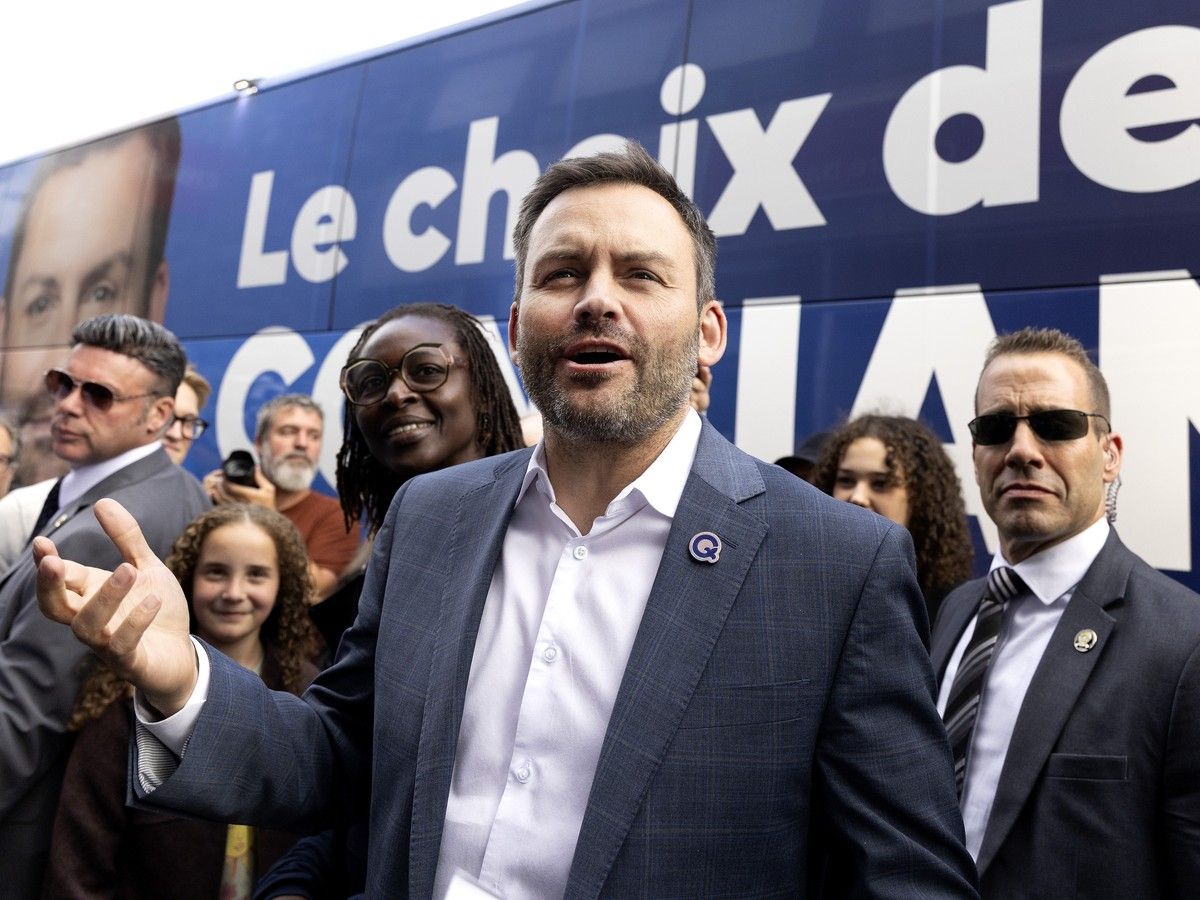
But PQ leader Paul St-Pierre Plamondon has already ruled out bilateral talks with Washington to gain tariff relief for Quebec firms.
asserted
Plamondon → rule → firms
So saying that you will try to strike a deal with him would make the PQ look very bad," said political science professor Daniel Beland, director of the Institute for the Study of Canada at McGill University in Montreal.
asserted
Beland → say → Montreal
A Leger poll for TVA and Journal de Montreal released on October 3 showed the PQ at 29% public support, which could just be enough for a majority in the 127-seat provincial legislature given major vote-splitting among other parties.
uncertain
which → release → parties
Leger president Jean-Marc Leger said if the PQ promised not to poll Quebecers on independence, its support would jump.
asserted
support → say → independence
"Voters want this government, but without the referendum," he said.
asserted
he → want → referendum
Growing frustration over the dominance of English helped fuel the rise of the PQ, which has won five provincial elections since 1976.
asserted
which → grow → 1976
Quebec's future featured only briefly in a leaders' debate on September 23, when Plamondon said he would call another independence vote even if polls showed it had no chance of success.
asserted
it → feature → success
"Do not be afraid of your democracy, don't be afraid to vote, don't be afraid to think about our future," he said.
asserted
he → vote → future
Voting takes place from 9:30 a.m. Eastern time (1330 GMT) to 8 p.m.
asserted
Voting → take → p.m.
 The Aporia