That is 0 articles you have read today.
The Aporia is free and carries no advertising, so readers are the only
thing paying for it. If you are getting this much out of it, a small
donation is what keeps it independent.
Daily limit reached
You have read 0 articles today.
That is more than the 15 a day The Aporia gives away,
and well past what it can carry on nothing. Your allowance resets at
midnight.
There is no advertising here and nothing about you is sold, so readers
are the only thing paying for it. If the site is worth this much of
your day, it is worth a few dollars.
Everything else stays open: the
maps, the
directory and
search do
not count against this, and neither does re-opening something you have
already read today.
The Nobel Prize in medicine was awarded to Karl Deisseroth, Peter Hegemann, and Georg Nagel for their work on optogenetics, a technique that uses light to control the activity of nerve cells in the brain. The researchers, based at universities in Germany and the United States, discovered how to use specific proteins to make neurons sensitive to light, enabling precise study of neural circuits. Their groundbreaking method has been adopted worldwide to advance understanding of brain function and neurological diseases.
Written locally by qwen2.5:14b on 2026-10-05,
using this article's own text rather than the other coverage of the
same event (that is the story summary below).
Story summary
On October 5, 2026, the Nobel Prize in Physiology or Medicine was awarded to Karl Deisseroth of Stanford University, Peter Hegemann of Humboldt University in Berlin, and Georg Nagel of the University of Würzburg for their groundbreaking work on optogenetics. The trio's research involves light-gated ion channels that can control nerve cell activity, providing new insights into brain functions and potential treatments for neurological disorders. Each winner will share a prize of 12 million Swedish kronor, approximately $1.2 million USD. This award marks the start of Nobel Prize week, with subsequent prizes in physics, chemistry, literature, peace, and economics to be announced through October 12.
Written for “Nobel Prize Medicine Brain Research” on 2026-10-05,
grounded in this article and the 8 other(s) covering the same event.
Nobel medicine prize goes to 3 scientists for research into brain activity
asserted
prize → go → activity
The Nobel Prize in medicine was awarded Monday to three scientists working on the mechanisms the brain uses to switch on, or off, the activity of individual nerve cells.
asserted
brain → award → cells
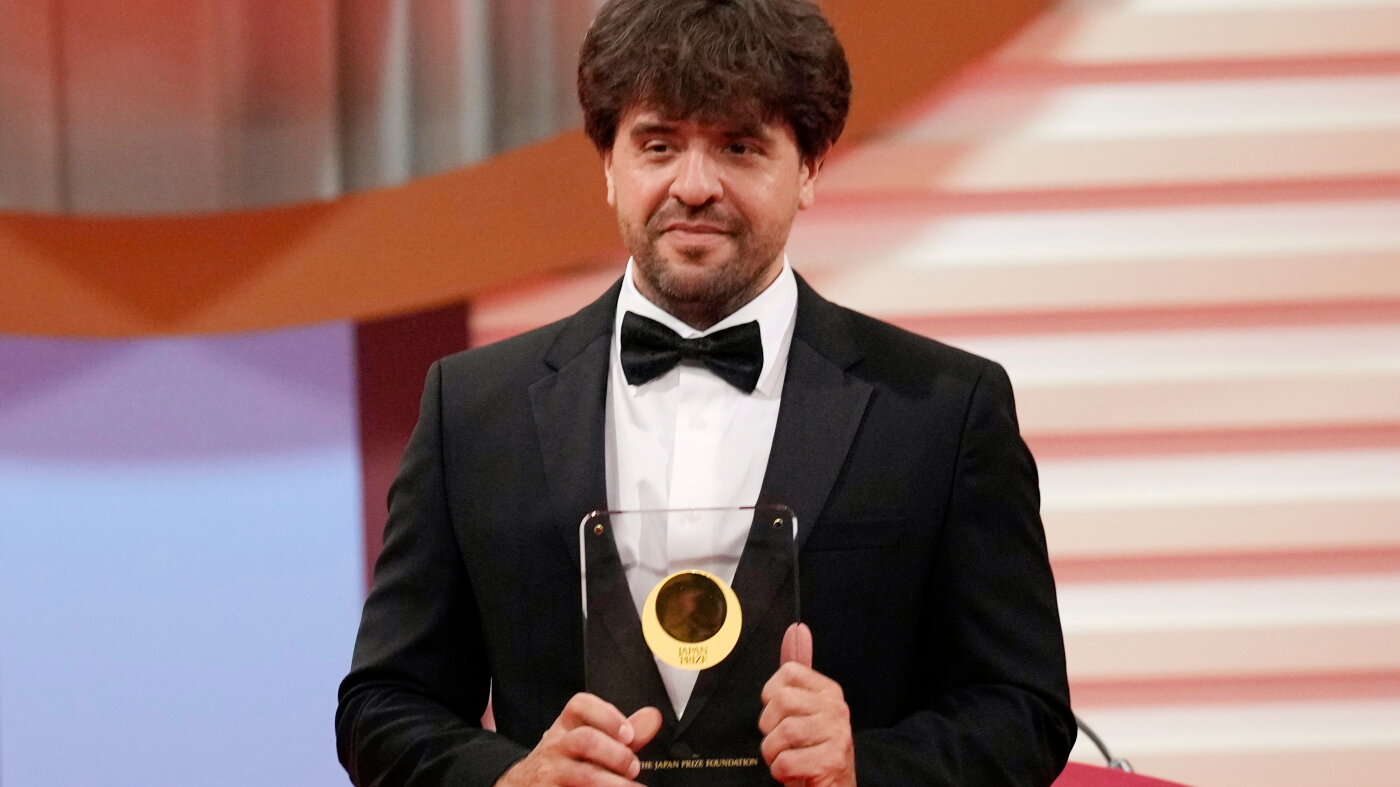
Karl Deisseroth, 54, Peter Hegemann, 71, and Georg Nagel, 73, have carried out research into light-gated ion channels and optogenetics.
asserted
Deisseroth → carry → channels
They are based at universities in Germany and the United States.
asserted
They → base → Germany
The Nobel Assembly lauded their work, writing on X that the method “is now being used in laboratories around the world to reveal the brain’s mysteries.”
asserted
method → laud → mysteries
The assembly said Deisseroth is based at Stanford University in California, while Hegemann is at Humboldt University in Berlin and Nagel at the University of Würzburg, also in Germany.
asserted
Hegemann → say → Germany
Thomas Perlmann, the secretary of the medicine committee, said he was able to reach all three winners by phone Monday.
asserted
he → say → phone
The Associated Press’ efforts to reach the winners were not immediately successful.
asserted
efforts → reach → winners
Optogenetics opened what the Nobel assembly called a new era in neuroscience, the discovery of a light-controlled switch to turn on and off nerve cells and circuits in the brain to better learn how it works — to start unraveling the pathways that lead to behavior and disease.
asserted
that → open → behavior
It started when Hegemann explored how a single-celled type of green algae can swim toward light.
asserted
type → start → light
He and Nagel discovered a particular protein that, when illuminated by blue light, opens a channel to create an electrical impulse.
asserted
that → discover → impulse
Putting that protein into other cells makes them light-sensitive.
asserted
them → put → cells
Deisseroth then worked with the gene that controls that protein to create a light-controlled switch for nerve cells in the brains of living mice.
asserted
that → work → mice
Medicine prize kicks off Nobels week
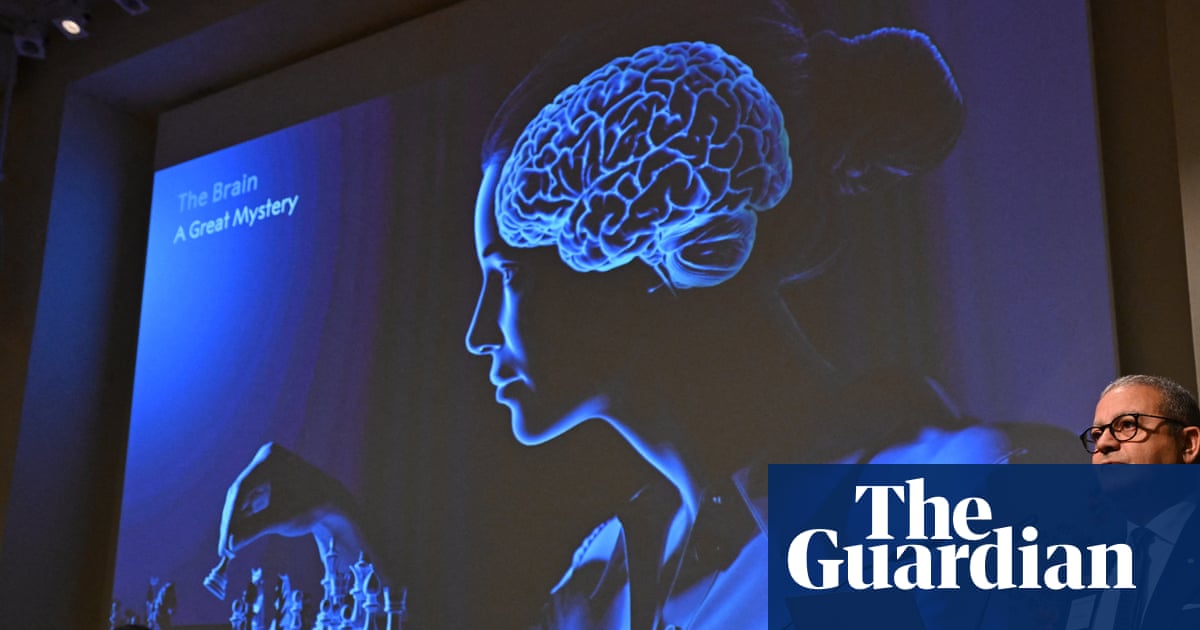
The prize was announced at the Karolinska Institute in Stockholm, kicking off Nobels week.
asserted
prize → kick → Nobels
Last year, the prize went to three scientists researching the immune system.
asserted
prize → go → system
Monday’s medicine prize is followed by the physics prize on Tuesday, chemistry on Wednesday and literature on Thursday.
asserted
prize → follow → Thursday
After Friday’s peace prize is awarded, the Nobel Memorial Prize in Economic Sciences will be announced on Oct. 12.
asserted
Prize → award → Oct.
 The Aporia