That is 0 articles you have read today.
The Aporia is free and carries no advertising, so readers are the only
thing paying for it. If you are getting this much out of it, a small
donation is what keeps it independent.
Daily limit reached
You have read 0 articles today.
That is more than the 15 a day The Aporia gives away,
and well past what it can carry on nothing. Your allowance resets at
midnight.
There is no advertising here and nothing about you is sold, so readers
are the only thing paying for it. If the site is worth this much of
your day, it is worth a few dollars.
Everything else stays open: the
maps, the
directory and
search do
not count against this, and neither does re-opening something you have
already read today.
The Independent
· collected 2026-10-05 · by Niklas Pollard,Johan Ahlander and Bhanvi Satija
Three researchers, Karl Deisseroth, Peter Hegemann, and Georg Nagel, were awarded the 2026 Nobel Prize in Physiology or Medicine for their work on light-gated ion channels and optogenetics, which allows for precise control of individual nerve cells in living brains. The prize is worth 12 million Swedish crowns ($1.2 million) and recognizes discoveries that have advanced understanding of brain functions globally.
Written locally by qwen2.5:14b on 2026-10-05,
using this article's own text rather than the other coverage of the
same event (that is the story summary below).
Story summary
On October 5, 2026, the Nobel Prize in Physiology or Medicine was awarded to Karl Deisseroth of Stanford University, Peter Hegemann of Humboldt University in Berlin, and Georg Nagel of the University of Würzburg for their groundbreaking work on optogenetics. The trio's research involves light-gated ion channels that can control nerve cell activity, providing new insights into brain functions and potential treatments for neurological disorders. Each winner will share a prize of 12 million Swedish kronor, approximately $1.2 million USD. This award marks the start of Nobel Prize week, with subsequent prizes in physics, chemistry, literature, peace, and economics to be announced through October 12.
Written for “Nobel Prize Medicine Brain Research” on 2026-10-05,
grounded in this article and the 8 other(s) covering the same event.
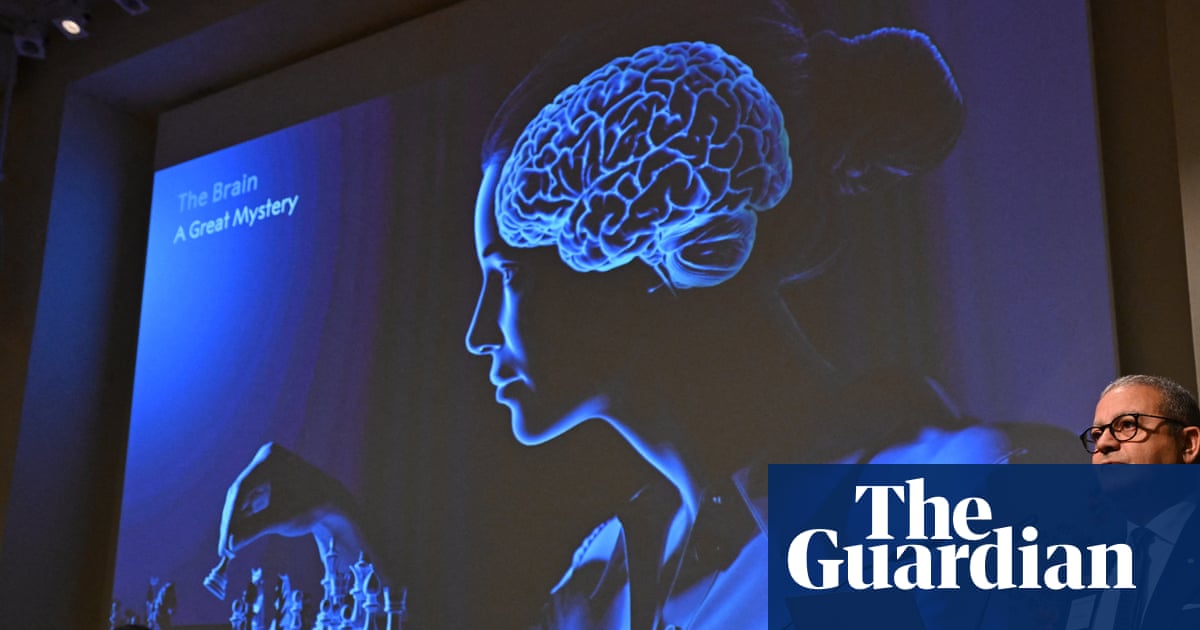
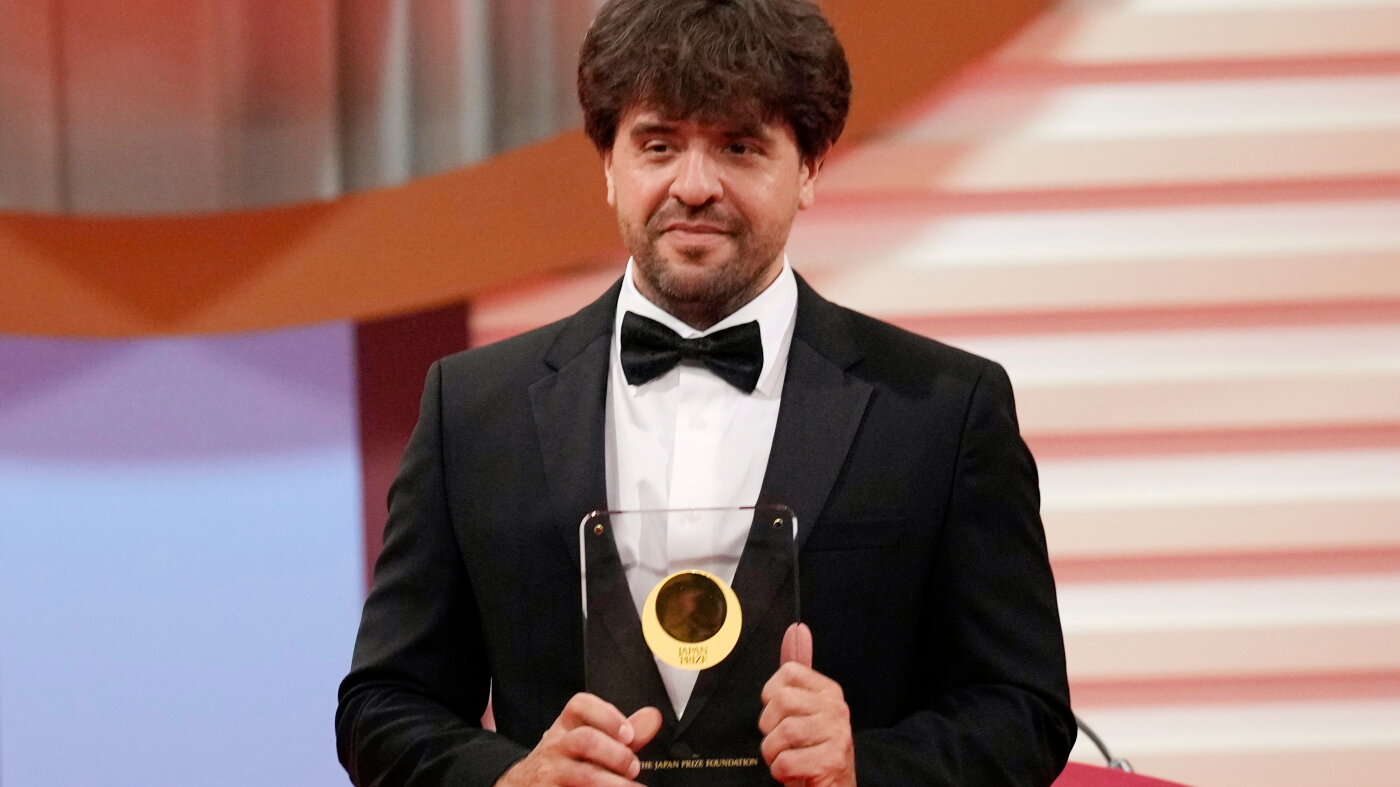
Three researchers — Karl Deisseroth, Peter Hegemann and Georg Nagel — have been awarded the 2026 Nobel Prize in Physiology or Medicine for "discoveries concerning light-gated ion channels and optogenetics," the award-giving body announced on Monday.
asserted
body → award → Monday
Chosen by the Nobel Assembly at Sweden's Karolinska Institute medical university, American scientist Karl Deisseroth, 54, alongside German researchers Peter Hegemann, 71, and Georg Nagel, 73, will share the 12 million Swedish crowns ($1.2 million) prize sum.
asserted
Deisseroth → choose → sum
Optogenetics "makes it possible to switch on, or off, the activity of individual nerve cells in a living brain," the prize-givers stated, noting: "This method is now being used in laboratories around the world to reveal the brain’s mysteries."
The announcement for physiology or medicine traditionally marks the beginning of the annual Nobel awards, with physics, chemistry, literature, peace and economics set to follow over coming days.
asserted
physics → make → days
Established under the will of Swedish inventor and industrialist Alfred Nobel, the five original prizes have been presented since 1901, with only limited interruptions, chiefly during World War One and World War Two.
asserted
prizes → establish → War
A sixth award, the economics prize, was established in 1968 by Sweden's central bank, the Riksbank.
asserted
award → establish → bank
The medicine prize has honoured some of the most influential scientific discoveries of the past century, including Alexander Fleming's work on penicillin, recognised in 1945, and Karl Landsteiner, who won in 1930 for his discovery of human blood groups.
asserted
who → honour → groups
Last year, American scientists Mary Brunkow and Fred Ramsdell and Japan's Shimon Sakaguchi won the prize for work shedding light on how the immune system spares healthy cells, creating openings for possible new treatments of diseases such as cancer.
asserted
system → win → cancer
Nobel laureates are chosen by expert committees appointed by the prize-awarding institutions.
asserted
laureates → choose → institutions
The awards are presented in Stockholm, with the exception of the Peace Prize, which is handed out in Oslo, a tradition often linked to the union that bound Sweden and Norway during Nobel's lifetime.
asserted
that → present → lifetime
More than 125 years after Nobel signed his will, the prizes retain many of their longstanding traditions.
asserted
prizes → sign → traditions
The celebrations culminate on December 10, the anniversary of Nobel's death, when laureates receive their awards in ceremonies attended by Sweden's and Norway's royal families and are feted at gala banquets held in their honour.
asserted
laureates → culminate → honour
 The Aporia