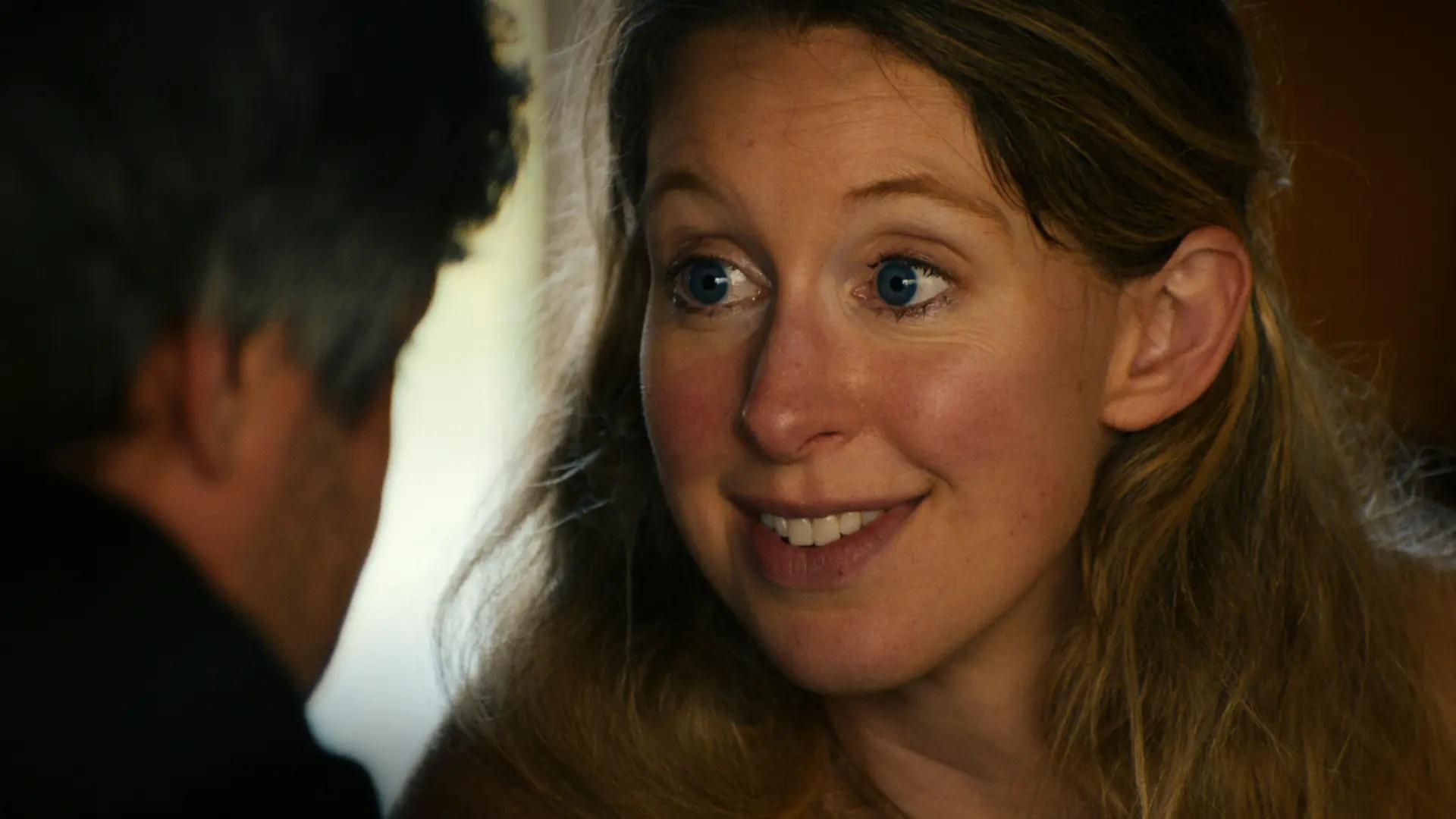
Lee Chang-dong’s delicate yet sturdy drama Possible Love—premiering here at the Venice Film Festival, hitting theaters Oct. 23 and streaming on Netflix Nov. 6—is a movie about figuring out how to function in the world.
asserted
drama → premier → world
If that description seems confoundingly vague, Lee’s movie is not.
asserted
movie → seem → ?
It shows us a world where people feel lost after losing their livelihood, where individuals strive to connect with others despite differences of class and temperament, where tenderness ultimately has more power than arrogance.
asserted
tenderness → show → arrogance
It’s a movie with a gentle, generous spirit.
asserted
It → ’ → spirit
Lee opens the picture with a funeral, or, rather, a small family piling into their car to get to the funeral venue.
asserted
Lee → open → venue
Wife and mother Mi-ok (Jeon Do-yeon) wonders if she’s wearing the right dress, and the shoes she has chosen, a pair she hasn’t worn in a long time, are already pinching her feet.
asserted
she → wonder → feet
Her husband, Ho-seok (Sul Kyung-gu), says little—so little that it’s clear he’s filled with dread over whatever awaits him at this upcoming, obviously unhappy social event.
asserted
whatever → say → event
Their extremely quiet young son (Jung Seop) sits in the back seat, amusing himself by dangling an empty chip bag out the window like a windsock.
asserted
son → sit → windsock
“It’s flying,” he says, just before letting it go—he’s not the only one feeling the oppressiveness of that car ride.
asserted
he → fly → ride
It’s never expressly spelled out who this funeral is for, but we can intuit that it’s one of Ho-seok’s former work colleagues.
asserted
it → spell → colleagues
It turns out that Ho-seok is one of many workers who not so long ago lost his job at a large corporation, SP, and he hasn’t yet recovered, either financially or emotionally.
asserted
he → turn → corporation
Mi-ok is doing the best she can—she holds down a menial factory job—but her husband’s depression and excessive drinking is getting to her.
asserted
depression → do → her
By chance, in the funeral home parking lot, she meets a handsome stranger, Sang-woo (Zo In-sung), who moves his very expensive car when Mi-ok believes her wedding ring, having slipped off her finger, has rolled beneath it.
asserted
ring → meet → it
It turns out that Sang-woo’s wife, Ye-ji (Cho Yeo-Jong), is making a documentary about, as she puts it, “the personal lives of laborers.”
asserted
she → turn → laborers
Ye-ji is thrilled to have found Mi-ok and Ho-seok as subjects—she’s particularly interested in the melancholic Ho-seok, who, she believes, could be the dramatic key her project.
uncertain
she → thrill → seok
But she and Mi-ok also genuinely like each other and strike up a friendship.
asserted
she → like → friendship
Possible Love traces the tangled dynamics between these four characters, while also flirting with uncomfortable questions about the moral quandaries that can arise in any filmmaker-subject relationship.
asserted
that → trace → relationship
Mostly, though, Possible Love traces the ways people come to care for one another, either platonically or romantically.
asserted
people → trace → one
Ye-ji and Mi-ok quickly come to think of themselves as sisters.
asserted
ji → come → sisters
Though Ye-ji has married well, she doesn’t come from a privileged family—her father ran a dry-cleaning establishment—and she has some sense of Mi-ok’s money worries and feelings of insecurity.
asserted
she → marry → insecurity
At an early meeting, where Ye-ji outlines the aim of her proposed documentary to Mi-ok, she leaves the table momentarily, and Mi-ok snaps a picture of the elegant backpack she’s left behind.
asserted
she → outline → backpack
Then she uses a Google-image search to find out the brand.
asserted
she → use → brand
It’s made by Loro Piana, and quite obviously beyond Mi-ok’s means.
asserted
It → make → means
That's just one example of how Lee explores simple human wants, desires, jealousies.
asserted
Lee → explore → jealousies
We often can't help wanting things we can't afford, especially when they've already been stamped by the approval of someone we admire.
asserted
we → help → someone
Lee has dedicated the film to the memory of Krzysztof Kieślowski’s Dekalog 10; he has said he was particularly struck by the commandment “Thou shalt not covet.”
asserted
Thou → dedicate → commandment
As humans, we often like nice things, but what we really need is a way to keep a roof over our head and food on the table.
asserted
need → like → table
Possible Love explores the desperation that can strike when we can’t meet those basic needs.
asserted
we → explore → needs
Sang-woo, cocksure and a little clueless, spends much of the movie on the phone making business deals.
asserted
woo → spend → deals
Meanwhile, Ho-seok suffers quietly, as if encased in a bubble of isolation.
asserted
seok → suffer → isolation
Mi-ok loves him, but she’s frustrated with him; no wonder she’s drawn, perhaps romantically, to sexy and stalwart Sang-woo.
asserted
she → love → woo
The movie’s most potent scene occurs late in the film when, with Ye-ji’s camera rolling, Ho-seok finally lets his guard down: Ye-ji may be getting the footage she set out for, but has she earned it honestly?
uncertain
she → occur → it
If the character he’s playing is key to Ye-ji’s movie-within-a-movie, he’s also Possible Love’s anguished beating heart.
asserted
he → play → movie
Lee’s 2018 noir mystery Burning was, what we used to call in the days before the pandemic, a surprise art-house hit.
asserted
we → use → pandemic
An art-house hit today may not mean the same thing as it did then, given how much the cinema-going audience has shrunk in less than 10 years.
uncertain
audience → mean → years
It’s hard to predict whether Possible Love will find a similarly enthusiastic audience.
asserted
Love → ’ → audience
This is perhaps a more plainspoken movie than Burning; its moral questions are fairly easy to identify and parse.
asserted
questions → identify → Burning
But at a time when more people worldwide are worrying about hanging onto gainful employment, even as a relatively small handful of people control the majority of the world’s wealth, the dramatic pull of Possible Love may be even greater than that of Burning.
uncertain
pull → worry → Burning
Sometimes it’s a relief when a movie captures undercurrents of anxiety that, in our daily lives, we find difficult to put into words.
asserted
we → ’ → words
With Possible Love, it’s as if Lee has taken our unspoken feelings and handed them to his actors.
asserted
Lee → ’ → actors
…and 1 more, not listed.
 The Aporia

_ONCE_UPON_A_TIME_IN_HARLEM_Courtesy_of_NEON.jpg?branch=production&width=2400&quality=75&auto=webp&crop=16:9)