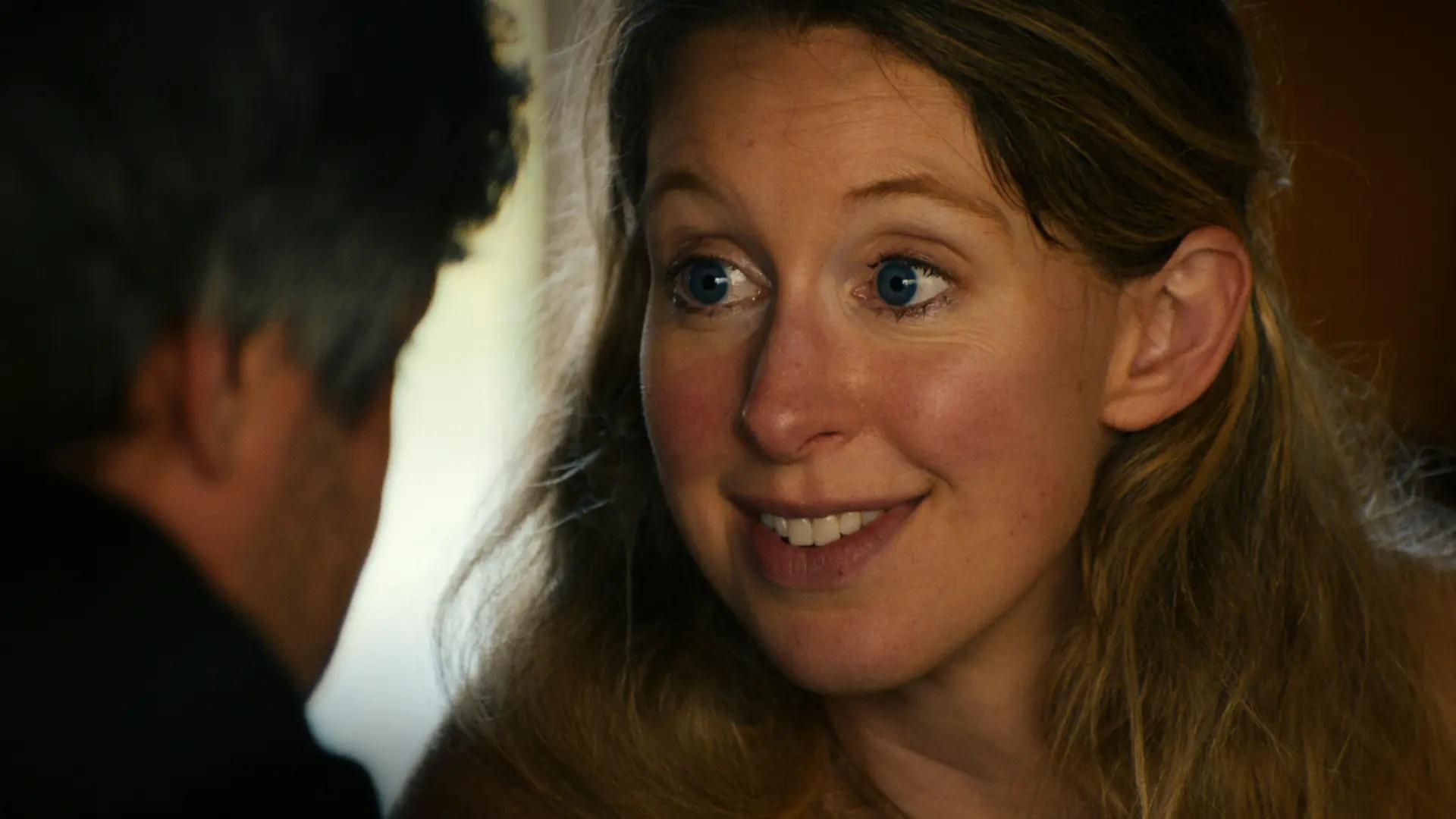
Daisy Edgar-Jones Is the Austen Heroine We Need in a Charming Sense and Sensibility

Read the original at TIME ↗
Cite

Zacharek, S. (2026, October 16). Daisy Edgar-Jones Is the Austen Heroine We Need in a Charming Sense and Sensibility. TIME. https://time.com/article/2026/10/15/sense-and-sensibility-movie-review/

Dated from the outlet's own feed. Check the original for its byline.

TIME · collected 2026-10-16 · by Stephanie Zacharek

Quick Summary

A new film adaptation of Jane Austen's "Sense and Sensibility" stars Daisy Edgar-Jones and Esmé Creed-Miles as sisters Elinor and Marianne Dashwood. Set against the backdrop of familial upheaval following their father’s death, the story explores their contrasting temperaments and romantic entanglements. Despite concerns that this adaptation might not live up to Ang Lee's 1995 version, the article argues for the value of new interpretations in bringing fresh perspectives to beloved classics.
Written locally by qwen2.5:14b on 2026-10-17, using this article's own text rather than the other coverage of the same event (that is the story summary below).

AI analysis runs on qwen2.5:14b, locally

Story summary

Summary unavailable.

Written for “Sense And Sensibility Remake” on 2026-10-17, grounded in this article and the 0 other(s) covering the same event.
Why this leaning score
This article does not take a side on a contested political question, so it has no leaning score. That is an answer rather than a gap: a match report or a rescue can be warmly or critically written without being left or right, and scoring it anyway is how approval of a subject gets recorded as a political position.
No political leaning scored for article 85934 · logged 2026-10-17

Story

📰 Sense And Sensibility Remake
Entertainment · 1 article(s) covering the same event.

Compared with similar articles

This article reads unscored and hedges 6% of its claims. Each row says how that neighbour differs.
CBC News · 0.87 cosine similarity
⚖️ leaning not scored 🔴 6% hedged 3 of 47 📰 publisher trust 73
“The articles discuss different aspects and perspectives on the announcement or development of a new Sense and Sensibility movie, but do not describe the same specific incident.”
Toronto Star
⚖️ leaning not scored 🔴 0% hedged 0 of 35 📰 publisher trust 63
“The articles discuss different aspects and perspectives on the release and reception of the new movie adaptation of 'Sense and Sensibility', but they do not describe the same specific incident or occurrence.”
How this article was measured signals, leaning charts, publisher record, byline, topics and claims

Signals How these are calculated →

Claims extracted
32
sentences that state something as happening or true
Uncertain
6%
2 of 32 hedged ("reportedly", "may", "according to")
Leaning
not political
takes no side on a contested political question
Publisher signals
60/100
TIME's corrections and hedging, across everything collected from it. Not a measure of accuracy.
Outlets on this story
1
Entertainment
Same framing elsewhere
1
articles that frame the event the way this one does
Analyzed 2026-10-17 · how these are computed

How this is being covered How these are calculated →

Article leaning vs. publisher reliability
Source leaning vs. consistency

Publisher

TIME · 615 article(s) · 1 correction(s) detected
Running correction rate · 1 correction(s)

Who wrote this

Stephanie Zacharek
13 article(s) here · 1 carrying a prediction
🔮 In 1972, filmmaker William Greaves arranged what we now know was one of the great parties of the 20th century: He commandeered the Harlem apartment of Duke Ellington and arranged for a special group of old friends and colleagues, many of whom had not seen one another in 50 years, to reconnect.
🔮 When news got around that a new movie version of Sense and Sensibility was in the works, cries of dismay rang forth from Bath to Brooklyn.
🔮 Warning: This post contains spoilers for You Can See Everything We might like to believe that documentary filmmakers are adamantly neutral parties, aiming their cameras at people who are just being themselves and, later, turning whatever the camera captures into objective truth.
🔮 But she’s also prickly and unpleasant—she has alienated most of the people who might be able to help her—and a self-destructive streak hinders her further: She’d rather go out for a night of clubbing and coke than stay in and learn her lines for the next day’s important audition.
🔮 Somehow, the runtime slips by faster than you might have expected.
🔮 A fling might be just what she needs.
🔮 Then his wife dies suddenly, making him a single dad with three kids to care for, teenager Fatiha (Adia), her younger brother Qadir (Jahleel Kamara), and an infant, Aziza, who can’t tolerate baby formula; only her mother’s breast milk will do, and supplies are quickly running out.
🔮 In one episode, Wilson walked around a New York neighborhood until he saw an Italian flag, figuring that the person who’d hung it would know enough about Italian food to help him learn to cook risotto, which he wanted to make as a treat for his elderly, babushka’ed landlady.
🔮 If Zach Cregger’s career tells us anything, it’s that starting out as a comedian might be the best training for becoming a horror filmmaker.
🔮 The show worked like this: A crusading organization called Perverted Justice would initiate conversations in online chatrooms designed to attract potential sex offenders.
Also by Stephanie Zacharek
Nothing else under this byline is closely related to this article, so these are simply their most recent.
All 13 articles by Stephanie Zacharek →

Topics

BBC Bath Brooklyn

Subjects

Marianne PERSON · 5× Elinor PERSON · 4× Austen PERSON · 3× Fanny PERSON · 3× Creed-Miles PERSON · 2× Dashwood PERSON · 2× Jennings PERSON · 2× Oakley PERSON · 2× Bath GPE · 1× Brooklyn GPE · 1×

Narrative

And Marianne, a dreamer who lives for music and books, has her sights set on flirty, fun Mr. Willoughby (Frank Dillane): He loves to laugh and sing and dance, and Marianne is sure he’s perfect for her, though another potential suitor, the stalwart and rather dull Colonel Brandon (Herbert Nordrum), is also circling.
framing: assertive · carried by 1 article(s) · first seen 2026-10-17
🔮 When news got around that a new movie version of Sense and Sensibility was in the works, cries of dismay rang forth from Bath to Brooklyn.

Claims (32 extracted, 2 hedged)

When news got around that a new movie version of Sense and Sensibility was in the works, cries of dismay rang forth from Bath to Brooklyn. asserted
cries → get → Brooklyn
How could anyone dare try to top Ang Lee’s 1995 adaptation, penned by—and starring, alongside Kate Winslet— Emma Thompson? uncertain
anyone → dare → Winslet
But the idea that fine adaptations of great books need to be stopping points, rather than springboards, is alarming by itself. asserted
adaptations → need → itself
And just as important, why shouldn’t another generation of actors have a crack at these roles? asserted
generation → have → roles
Our ability to stream anything we want, whenever we want, hasn’t necessarily made us more adventurous; sometimes it’s just a way of clinging to familiar favorites at the expense of welcoming anything new. asserted
it → stream → anything
Austen herself, with her aversion to sentimentality, would have disapproved. asserted
Austen → disapprove → sentimentality
Then what would she make of Georgia Oakley’s amiable, if occasionally a little sluggish, reading of her debut novel, published anonymously in 1811? asserted
she → make → 1811
It’s hard to say for sure, but there’s nothing that’s offensive about this new Sense and Sensibility, and plenty that’s lovely. asserted
that → ’ → Sense
Daisy Edgar-Jones and Esmé Creed-Miles play Elinor and Marianne Dashwood, sisters in a close-knit family whose temperamental differences temporarily drive them apart. asserted
differences → play → them
As the film opens, Elinor and Marianne, along with their mother (Caitríona Balfe) and younger sister Margaret (Bodhi Rae Breathnach), are just learning that they’ll soon have to vacate the airy, comfortable house they’ve called home for years. asserted
they → open → years
The girls’ father has just died; his property will not go to his daughters, but to his son from a previous marriage, John (Tom Brooke), who nevertheless hopes to do right by making sure his father's second family well provided for. asserted
provided → die → marriage
But his disagreeable wife Fanny (Stacy Martin), feels differently, and to maintain their pride, the Dashwood women choose to move into far more modest quarters, in an arrangement brokered by a family friend, Mrs. Jennings (a blissfully dithery Fiona Shaw). asserted
women → feel → friend
Mrs. Jennings is also an unrepentant meddler, and she believes she can easily marry off the two eldest Dashwood girls. asserted
she → believe → girls
Ever-sensible Elinor, who never asks for much, has already met, and fallen for, Edward Ferrars (George MacKay), Fanny’s brother, as kind and modest as Fanny is arrogant. asserted
Fanny → ask → much
And Marianne, a dreamer who lives for music and books, has her sights set on flirty, fun Mr. Willoughby (Frank Dillane): He loves to laugh and sing and dance, and Marianne is sure he’s perfect for her, though another potential suitor, the stalwart and rather dull Colonel Brandon (Herbert Nordrum), is also circling. asserted
suitor → live → her
If you’ve never read Austen’s lively and perceptive novel—or seen either Lee’s 1995 version or the 2008 BBC miniseries adaptation—you’re left to guess which men the sisters will end up with, which is just one of the story’s delights. asserted
which → read → delights
But as always with Austen, there’s more to love than romance: The economics of “making a good match” are always, by necessity, lurking somewhere in these characters’ minds. asserted
economics → ’ → minds
In the case of the sisters Marianne and Elinor—one too dreamy, the other perhaps not dreamy enough—the differences in what they look for in a partner are almost enough to pull them apart. asserted
they → look → them
Oakley, who previously directed the 2022 drama Blue Jean, has a deft touch with the material and a deep respect for the English countryside setting. asserted
who → direct → setting
There are drowsy closeups of wildflowers, and shots of placidly grazing deer; a country dance feels lively and lived-in, contrasted with a later ball, set in London, where the steps are more formal and regimented—Oakley leaves no doubt as to which is more fun. asserted
which → be → doubt
Shot by Arnaud Potier, the film has a handsome, genteel look. asserted
film → shoot → look
And if at times the movie comes off as a bit decorous and stiff, the actors, particularly Edgar-Jones and Creed-Miles, do their best to keep the proceedings whirring. asserted
actors → come → proceedings
Creed-Miles shows that there’s a slightly self-centered quality to Marianne’s romantic preoccupations—she takes pride in wearing her heart on her sleeve, though in some sense it’s also a means of getting her way. asserted
it → show → way
And yet as Creed-Miles plays her, it’s impossible to dislike her. asserted
it → play → her
When Marianne become truly hurt, we hurt for her, thanks to the bruised anguish in Creed-Miles’ eyes. asserted
we → become → eyes
And Edgar-Jones plays Elinor, the practical sister, with just the right amount of subdued fire. asserted
Jones → play → fire
Elinor is the one who always matches her expectations with reality, and as much as she loves Edward Ferrars, she doesn’t put up much of a fight when she learns she might have to give him up. uncertain
she → match → him
Edgar-Jones gives us clues to Elinor’s submerged longing, but only in flashes. asserted
Jones → give → flashes
And in a pivotal scene, where Marianne accuses Elinor, angrily, of “always being right,” we can see how wounded she is, even as she recognizes that Marianne is onto something: Elinor would rather be correct than look foolish. asserted
Elinor → accuse → something
Edgar-Jones plays Elinor as reserved without making her recessive; we can see the ways in which she wants to want more. asserted
she → play → more
In an age of lowered expectations—for movies, for romance, for just about everything—maybe she’s the Austen heroine we need, ready to break out of the box she’s drawn around herself. asserted
she → lower → herself
Austen knew what she was talking about, and time hasn’t eroded her wisdom. asserted
time → know → wisdom

💬Give feedback
🕘History 🎫Support