There are some things a healthy human mind simply cannot comprehend, and a mother who kills her children is one.
asserted
who → be → children
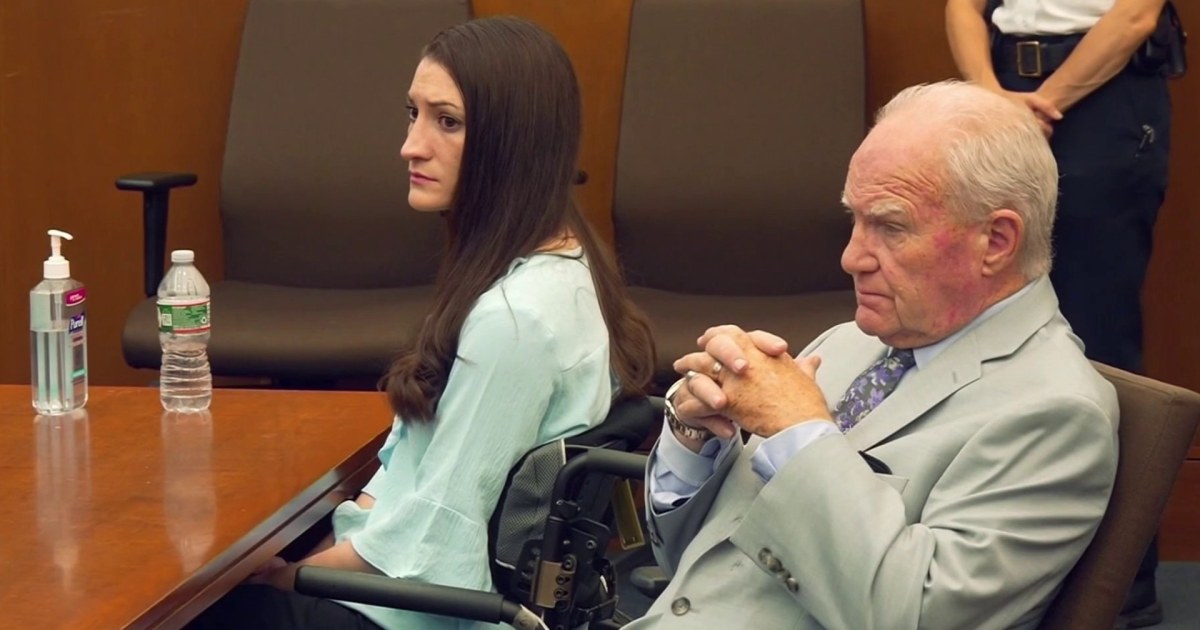
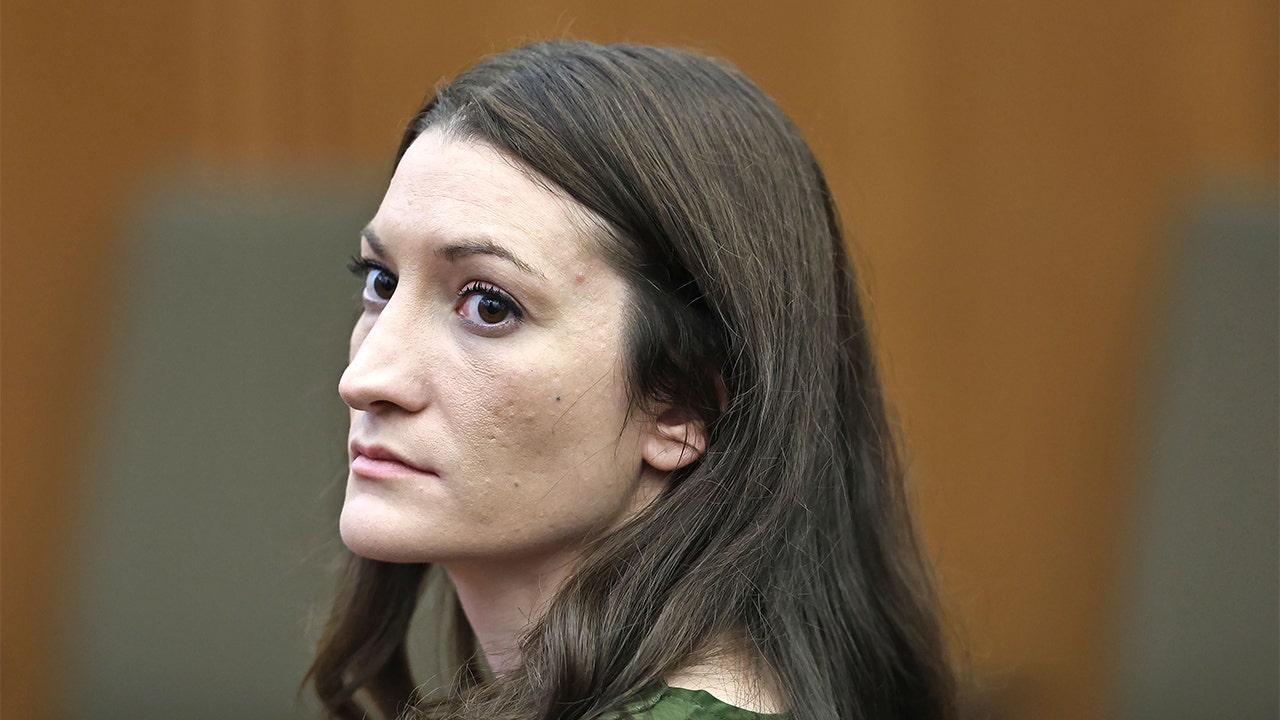
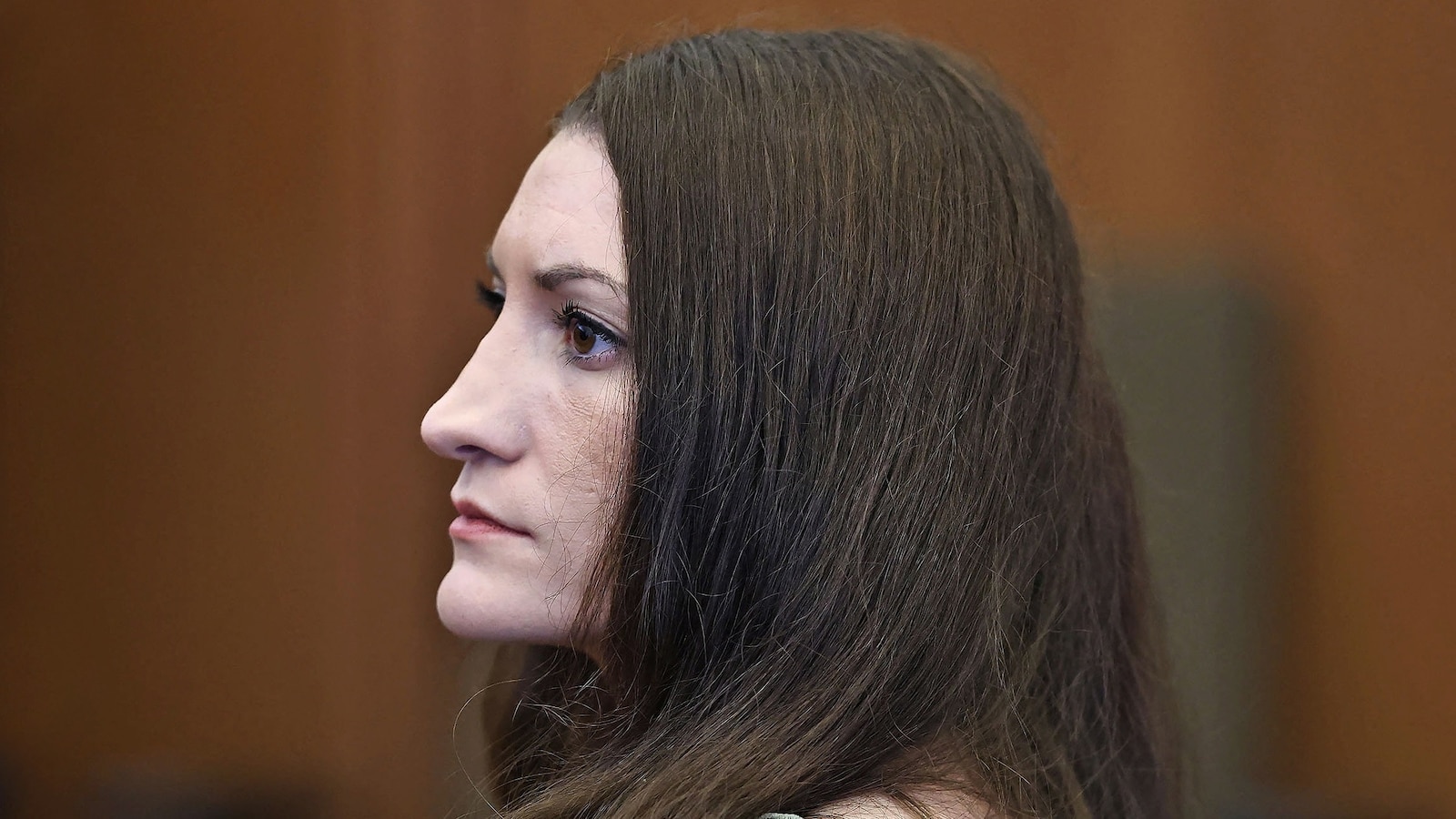
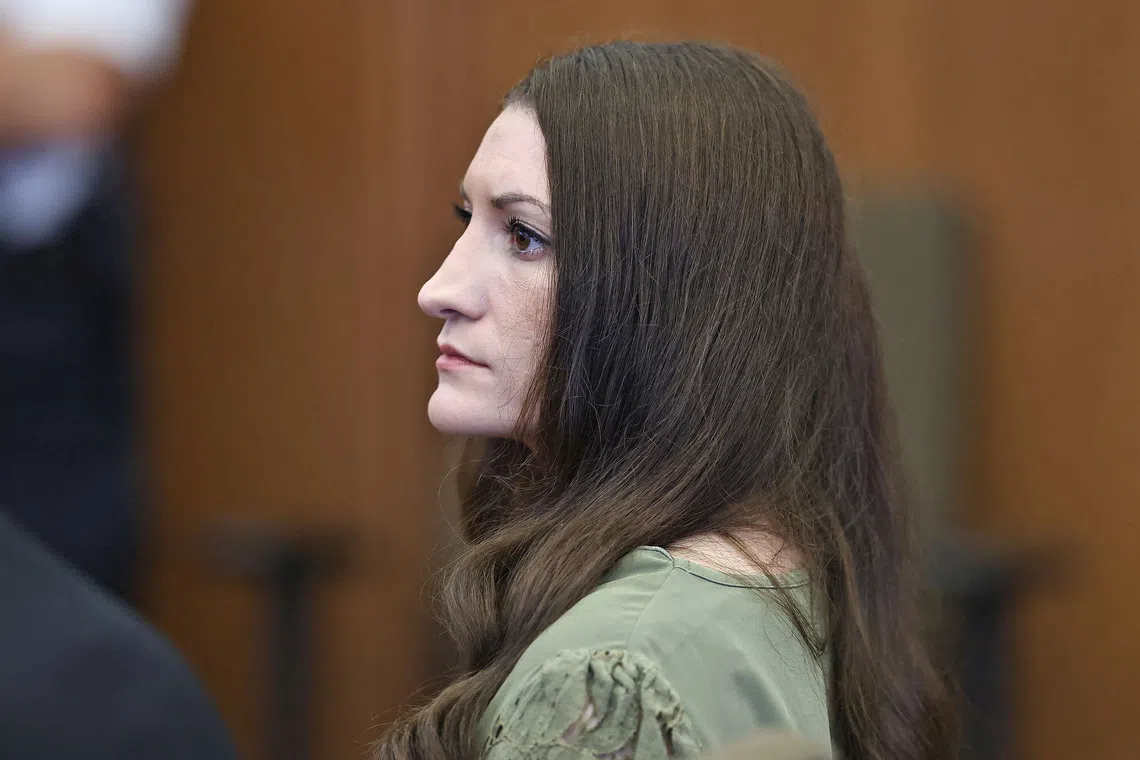
That is why the trial of Lindsay Clancy, a former maternity nurse from Massachusetts, has captivated and divided opinion on both sides of the Atlantic.
asserted
trial → captivate → Atlantic
On a snowy night in 2023, Clancy strangled her three children with exercise bands before slitting her own wrists and attempting suicide by throwing herself out of her bedroom window.
asserted
Clancy → strangle → window
She did not die with her children that night, as she presumably intended, but survived, paralysed and confined to a wheelchair.
asserted
she → die → wheelchair
In some ways there can be no crueller punishment – to live on in a hopeless hell of her own making, every waking second haunted by the memory of that terrible night.
asserted
second → live → night
But even though she is already serving a life sentence of misery, the question remained: Were her actions the result of postpartum psychosis (her youngest, Callan, was just eight months old), as her defence team argued, or did she, as the prosecution claimed, act ‘intentionally, rationally and swiftly to accomplish a very specific goal – to kill’?
asserted
prosecution → serve → goal
In court, she sobbed constantly, sometimes so loudly that the judge had to halt proceedings.
asserted
judge → sob → proceedings
Outside, women travelled from all over America to show support for her, wearing pink shirts in solidarity with someone they believed was a victim, of medical neglect, of how the system treats new mothers (postpartum psychosis is rare – two in 1,000 – but postnatal depression is far more common, affecting between 10 per cent and 15 per cent of women).
asserted
depression → travel → women
Ultimately the jury – three men and nine women – were unable to reach a unanimous verdict, and the judge declared a mistrial.
asserted
judge → reach → mistrial
This means that Clancy could stand trial again – although lawyers for her ex-husband and the children’s father, Patrick Clancy, were keen to stress how traumatic the whole process had been for him and warned that the prospect ‘of reliving this tragedy through another trial is extraordinarily painful’.
uncertain
prospect → mean → trial
It’s hard to see what purpose another trial would serve.
asserted
trial → ’ → purpose
Her guilt is not in question – it’s her motives that remain unclear.
uncertain
that → ’ → question
But either way, she will be forever reviled as a child killer.
asserted
she → revile → killer
Lindsay Clancy with her then husband Patrick and their children, Cora, Dawson and Callan, whom she strangled with exercise bands
asserted
she → strangle → bands
He has since moved to New York and re-married, to a doctor who specialises in infertility treatment.
asserted
who → move → treatment
‘I wasn’t married to a monster – I was married to someone who got sick,’ he told an interviewer in 2024.
asserted
he → marry → 2024
He should be allowed to move on as best he can in peace.
asserted
he → allow → peace
This case has shone a light on the whole issue of postnatal depression, and of how it should be treated.
asserted
it → shine → depression
Years ago, after I had my son, I was diagnosed with quite severe postnatal depression.
asserted
I → have → depression
Reading some of the extracts from Clancy’s journals, which were recovered from the family home in the aftermath of the killings, I shuddered, recognising many of her feelings.
asserted
I → read → feelings
The entries chronicled desperation, insomnia, ‘crazy brain fog’ and guilt.
asserted
entries → chronicle → desperation
‘I’m so desperate to get a mental break that my mind is trying to make something physically wrong with me,’ she wrote in 2022.
asserted
she → ’m → 2022
Sleep-training Callan ‘just about killed me’, she noted.
asserted
she → kill → me
‘I feel like I can’t make a plan.
asserted
I → feel → plan
I can’t carry it out.
asserted
I → carry → it
Like I just live moment to moment,’ and ‘I’m drowning every day’.
asserted
I → live → day
I recognise those feelings all too well, even at a distance of over two decades.
asserted
I → recognise → decades
When my son was born, my daughter was just 16 months old: She struggled to adapt to the new arrival.
asserted
She → bear → arrival
He then became very ill, which led to all sorts of other difficulties.
asserted
which → become → difficulties
A combination of exhaustion, hormones, guilt and anxiety left me struggling both physically and mentally.
asserted
combination → leave → me
I remember joking to a friend that I was desperate for something to happen to me so I could have a ‘non-fatal hospitalisation’ and get a few nights’ proper sleep.
uncertain
I → joke → sleep
I also remember how at times I would be seized by an almost uncontrollable rage.
asserted
I → remember → rage
There were moments when I genuinely scared myself.
asserted
I → be → myself
I remember once, for example, being unable to get the children’s double buggy to unfold in a supermarket car park.
asserted
buggy → remember → park
The children were crying in the back of the car, it was raining and I just suddenly reached the end of my tether.
asserted
I → cry → tether
I smashed the buggy on to the Tarmac like a woman possessed.
asserted
I → smash → woman
God knows what any passer-by must have thought.
asserted
by → know → what
The tiniest thing would send me into a tailspin.
asserted
thing → send → tailspin
But I was lucky: At a check-up, my GP picked up on my low mood.
asserted
GP → pick → mood
He asked if I was OK, and my emotional dam just burst.
asserted
dam → ask → ?
…and 29 more, not listed.
 The Aporia