Warning: This story contains distressing details and discussion of attempted suicide
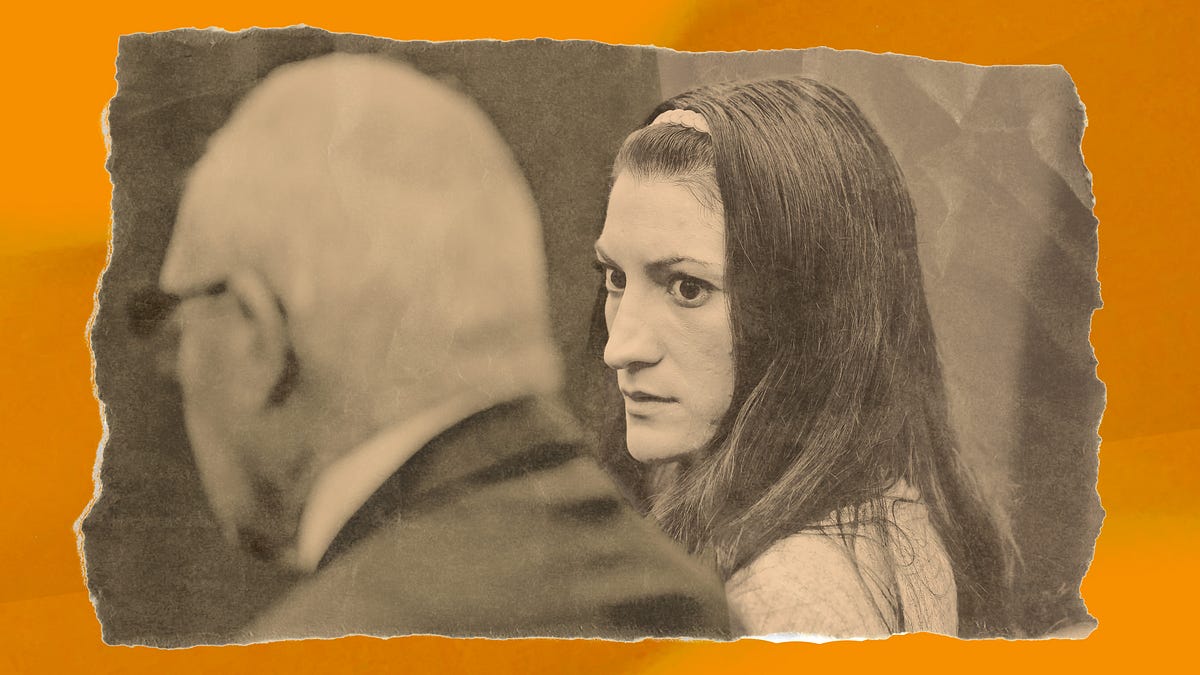
Jodi Fournier spent 15 days at the courthouse - sitting, listening and waiting.
asserted
Fournier → contain → courthouse
It was a personal duty, she felt, to show support for Lindsay Clancy, the Massachusetts mother charged with murdering her three children.
asserted
she → feel → children
Katelyn Kazmirci, from North Carolina, convinced her mother to make a detour to the courthouse in Plymouth on their way to a family funeral, intrigued by the case she had followed on TikTok.
asserted
she → convince → TikTok
All around them, dozens of women wearing pink rallied in support of Clancy.
asserted
dozens → wear → Clancy
Not everyone felt the same and across the country, on social media and at dinner tables, Americans have been debating the case with passion.
asserted
Americans → feel → passion
For nearly seven weeks, the trial transfixed and divided the nation on whether Clancy was a victim or a criminal who deserved to be behind bars.
asserted
who → transfix → bars
The 36-year-old nurse's defence team argued she had been suffering from postpartum psychosis when she strangled her young children and so could not be held criminally responsible.
uncertain
she → argue → children
The prosecution alleged the killings were intentional and calculated.
asserted
killings → allege → ?
The judge declared a mistrial on Friday after jurors - who had heard the testimony of dozens of witnesses and deliberated for 40 hours - failed to come to a unanimous decision.
asserted
who → declare → decision
Their inability to agree mirrored the wider discourse around the trial - one that trial attendee Maryanne Drysdale, 65, saw play out within her own family.
asserted
Drysdale → agree → family
She and her 28-year-old daughter believe Clancy needs mental health treatment, not prison, while her three adult sons, who have children of similar age to Clancy's, completely disagree.
asserted
who → believe → Clancy
"It's black and white for them, [Clancy] killed the kids and that's that," she said.
asserted
she → kill → kids
"I brought these kids up - how can we think so differently about this?"
asserted
we → bring → this
Fournier believes Clancy was wronged by the US health system and felt compelled, as a woman and a mother, to show up for a case that has given a spotlight to postpartum struggles.
asserted
that → believe → struggles
"It only takes one person to change the narrative," she said.
asserted
she → take → narrative
Clancy claims she experienced hallucinations and delusions before strangling her three children - five-year-old Cora, Dawson, three, and Callan, who was eight months old - and then jumping from a second-floor window, leaving her paralysed.
uncertain
who → claim → her
The court heard testimony from more than 10 expert witnesses on Clancy's mental and postpartum health during the trial.
asserted
court → hear → trial
But some of them seemed to dispute the defence's claim that postpartum psychosis - a rare post-childbirth condition characterised by mania, depression, hallucinations, delusions and losing contact with reality - precluded Clancy from criminal liability.
uncertain
psychosis → seem → liability
Jennifer Tufts, who treated Clancy during more than a dozen sessions over five months, testified that she had not shown signs of psychosis.
asserted
she → treat → psychosis
Psychiatrist Avram Mack later testified that the American Psychiatric Association did not recognise postpartum psychosis as a diagnosis.
asserted
Association → testify → diagnosis
These declarations only deepened staunch opinions for many - on both sides.
asserted
declarations → deepen → sides
Texas mother-of-four Nicole Russell, who followed the trial remotely, noted the prosecution's presentation of how much medical care and support Clancy had received - from doctors, her husband, nanny and family - calling it "way more help" than most mothers receive.
asserted
mothers → follow → it
Clancy's struggles were said to have begun following the birth of her youngest child.
asserted
struggles → say → child
She repeatedly sought care, visiting a hospital emergency room, different medical professionals and even calling a suicide hotline.
asserted
She → seek → hotline
Many observers took that as evidence that Clancy had been proactive and done everything within her power to heal but had been failed by the system, prompting sympathy from some.
asserted
Clancy → take → some
Melissa Merrill had been treated at the same hospital as Clancy after the birth of her son.
asserted
Merrill → treat → son
"I see myself in her, as a mum who had suicidal ideation," she told the BBC outside the Plymouth courthouse.
asserted
she → see → courthouse
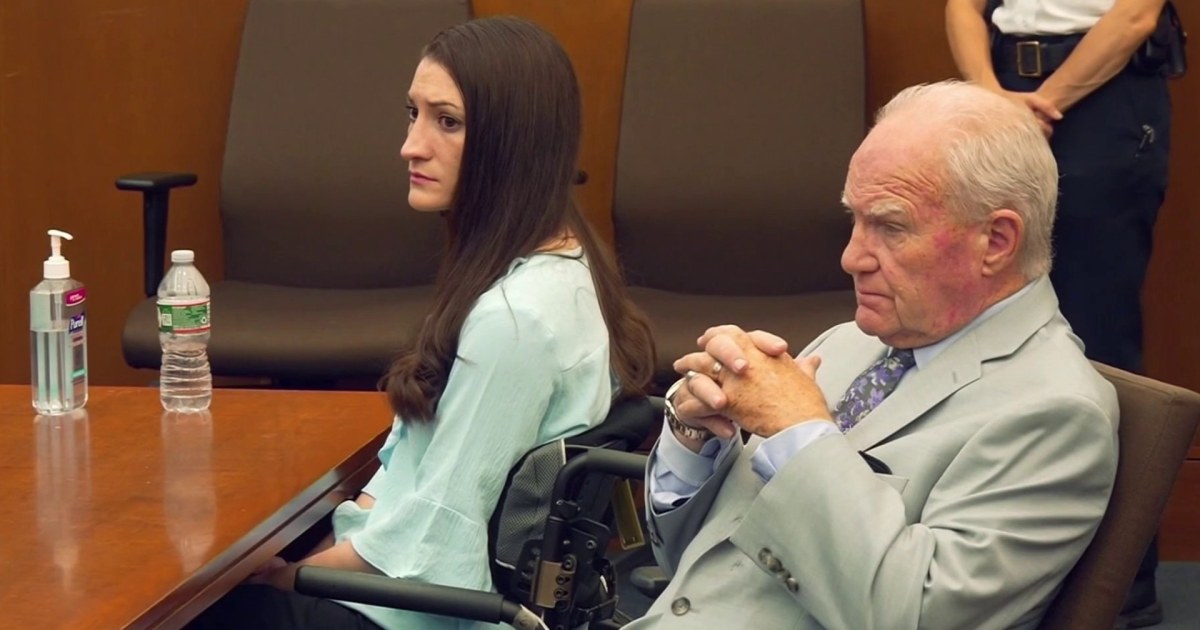
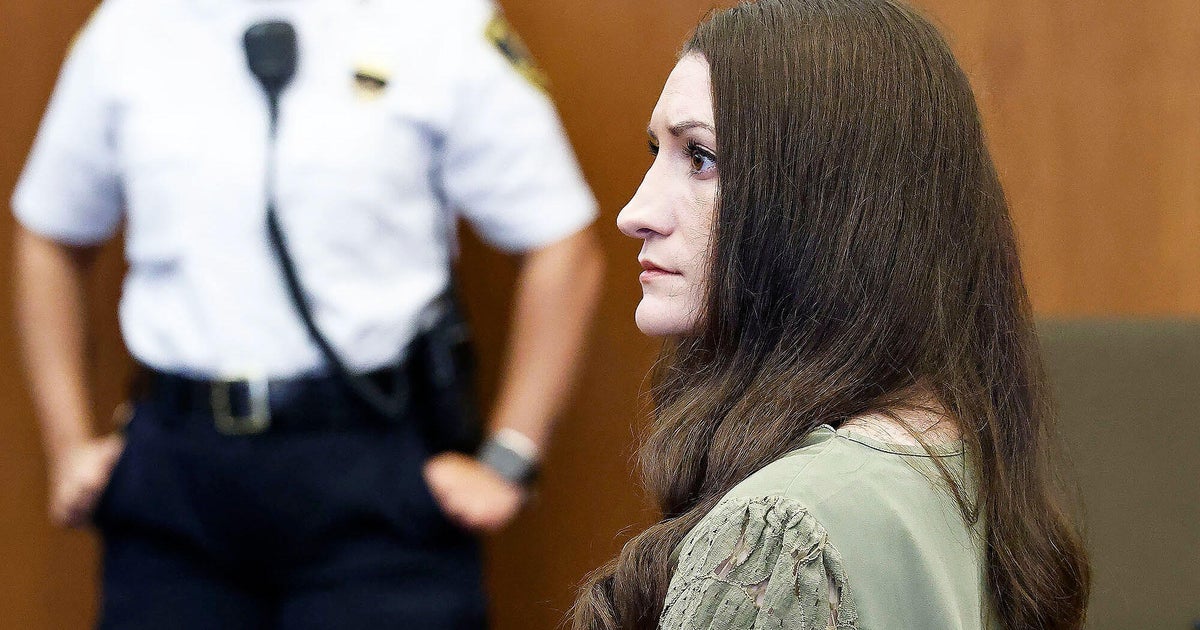
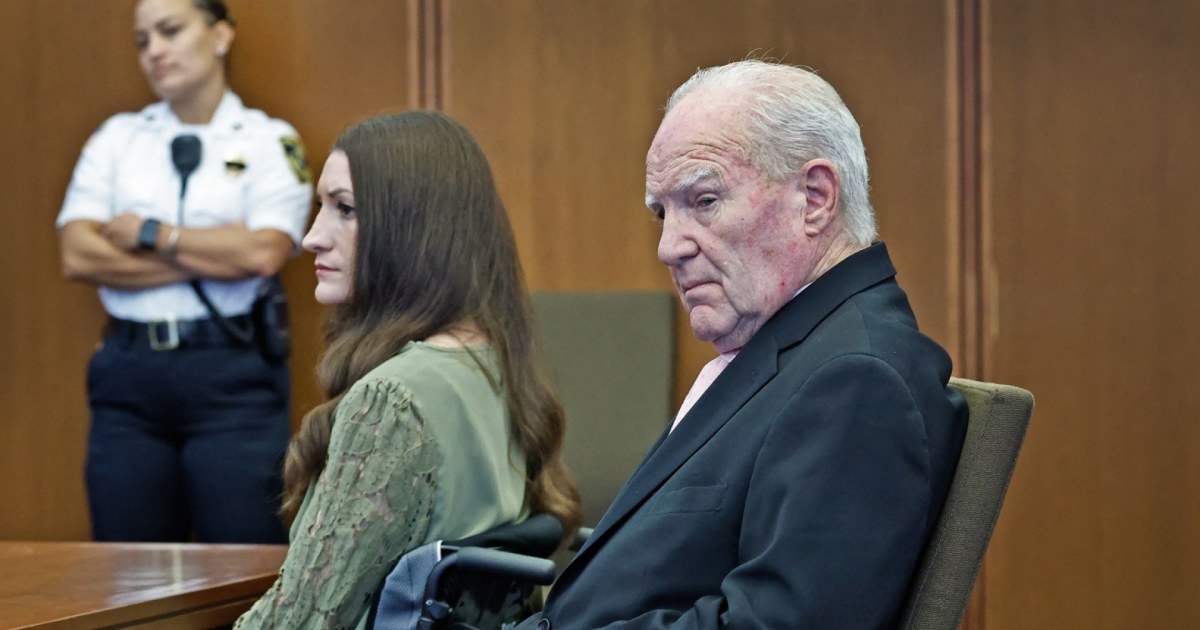
Throughout the weeks of emotional testimony, Clancy, who uses a wheelchair, could be seen crying, holding her attorney's hand and making agonised utterances in court as sometimes harrowing details were shared.
uncertain
details → use → court
After one of the trial days, Merrill rushed to Clancy's defence attorney outside the court and gave him a pink envelope holding a message of support and hope for his client, believing Clancy was a "sad, defeated woman".
asserted
Clancy → rush → client
But other parents, like Texas mother Russell, railed against "toxic empathy", insisting Clancy was "not a martyr or a symbol for tired mums".
asserted
Clancy → rail → mums
"Lindsay Clancy cannot be the poster child of what difficult motherhood looks like, because millions of mothers give birth to children and endure all kinds of hardship, and they do not hurt their children," Russell argued.
asserted
Russell → look → children
The discourse around the Clancy trial was prominent on social media, with many users being hard-pressed to find a platform where the case was not being mentioned, if not being subject to myriad conspiracy theories.
asserted
case → find → theories
Clancy's mother, sister and former husband all testified to her deteriorating mental state in the run-up to the murders, but her ex Patrick Clancy was singled out online for wild vitriol and cover-up accusations.
asserted
ex → testify → vitriol
There were claims that he was to blame for the murders, despite his wife never denying killing their children, nor that she had been the only adult at home at the time.
uncertain
she → be → time
This thrust him into the limelight, with tabloids snapping photos of him travelling and with his new wife.
asserted
him → thrust → wife
His lawyers issued a statement to CNN in August calling the facts "indisputable".
asserted
lawyers → issue → facts
"Patrick Clancy has suffered an unspeakable and unimaginable loss," they said.
asserted
they → suffer → loss
"Unfortunately, the tragedy Patrick has experienced has been compounded by patently false, defamatory and injurious public statements."
asserted
Patrick → experience → statements
The case became a flashpoint for gender discussion, too, with opinions often divided along gender lines.
asserted
opinions → become → lines
Father-of-three Vincenzo Vazquez, who followed the trial from Illinois, believes gender has a lot to do with Clancy's treatment, doubting that the public would show similar sympathy if a father were on trial for the same charges.
"Whatever someone is dealing with, I don't think there's ever an appropriate time or an excuse or a justification to, you know, kill children of your own, or kill any children," he said.
asserted
he → follow → children
…and 8 more, not listed.
 The Aporia