Russia plans to increase its defense spending by 27% to 17.1 trillion rubles ($205 billion) for the year 2027, part of a larger commitment over three years totaling 50 trillion rubles ($600 billion). This surge includes cutting funding from welfare, education, and healthcare while raising taxes and borrowing more. In contrast, Europe and the United States are criticized for not adequately organizing their resources to support a prolonged war effort against Russia, despite Western defense spending surpassing Russian projections in dollar terms.
Written locally by qwen2.5:14b on 2026-10-02,
using this article's own text rather than the other coverage of the
same event (that is the story summary below).
Story summary
The Russian government plans to significantly increase military spending in 2027 to 17.1 trillion roubles ($202.58 billion), a 27% rise from the original budget of 13.5 trillion roubles. This marks the highest level of defense expenditure since Russia's invasion of Ukraine began in 2022. To fund this escalating military spending, Russia will cut social policy funding by 7%, education funding by 6%, and healthcare funding by 6.8%. Additionally, welfare programs, including state pensions and payments to war veterans, will also face significant reductions. The government has already exhausted fiscal reserves, increased borrowing, and raised taxes to manage the growing military costs during the 4.5-year conflict in Ukraine.
Written for “Russia War Spending Priority” on 2026-10-05,
grounded in this article and the 4 other(s) covering the same event.
Russia plans to spend 17.1 trillion rubles, about $205 billion, on defense in 2027, according to government documents reviewed by Reuters.
uncertain
Russia → plan → Reuters
That is 27% more than the country had originally budgeted for the year.
asserted
country → budget → year
Moscow intends to spend 50 trillion rubles ($600 billion) on defense over the next three years, while cutting planned funding for welfare, education, and healthcare.
asserted
Moscow → intend → welfare
It will raise taxes and borrow more to cover the costs.
asserted
It → raise → costs
Russia does not publish its full military spending.
asserted
Russia → publish → spending
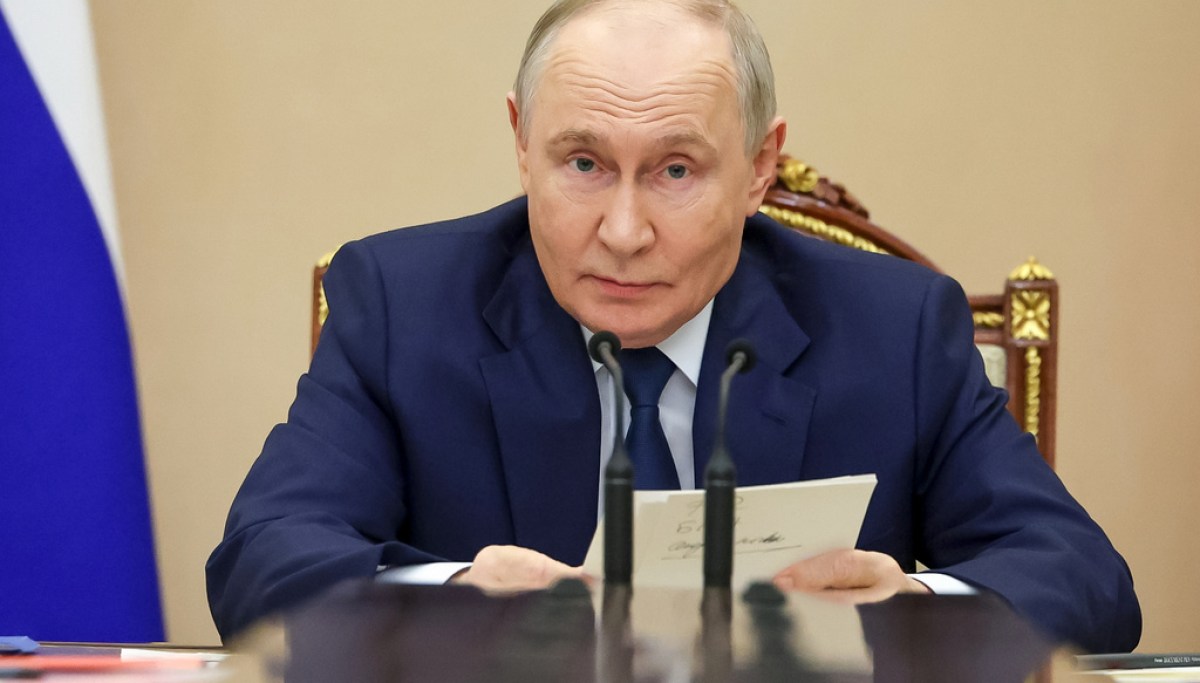
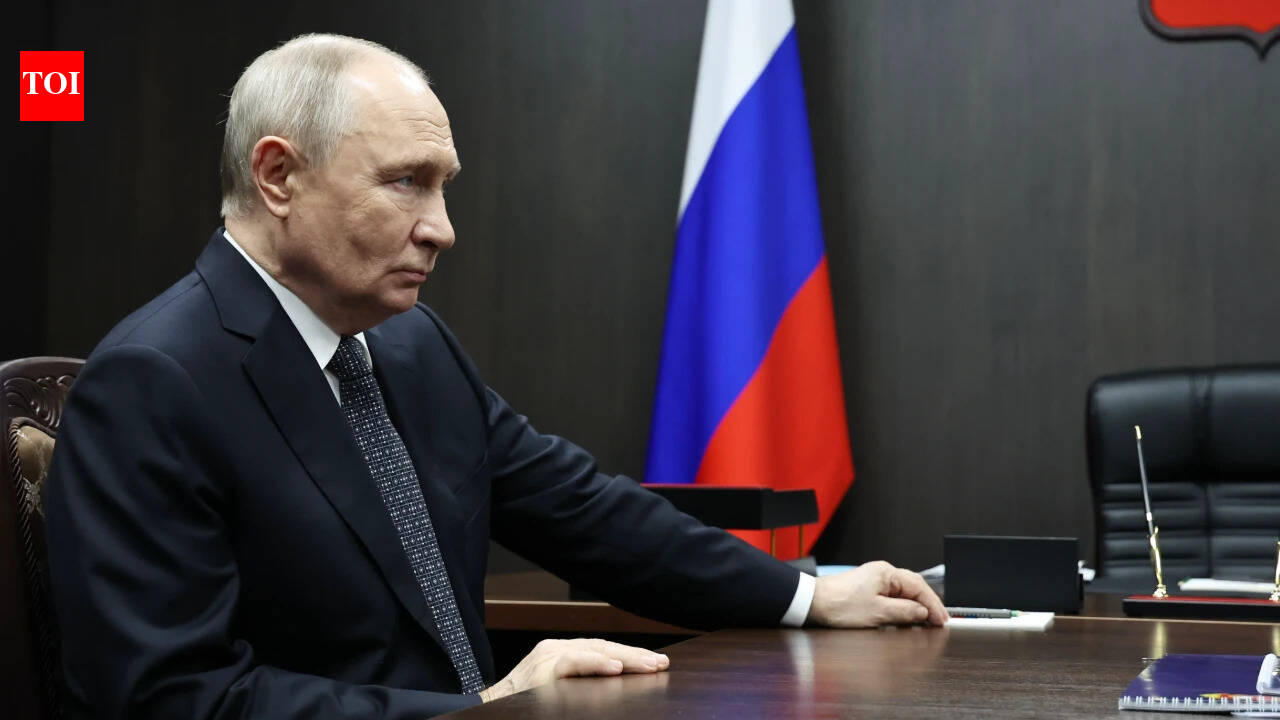
Still, it’s clear that Vladimir Putin is reorganizing the state’s finances around a war he expects to continue.
asserted
he → ’ → war
He is prepared to impose higher costs on the Russian people to wage that war.
asserted
He → impose → war
Yet, while Moscow is reorganizing its budget and society around the war, Europe and the United States, with their vastly greater resources, are dithering.
asserted
Europe → reorganize → resources
Europe has raised defense spending and helped keep Ukraine in the fight, yet in the fifth year of Russia’s full-scale invasion, neither Brussels nor Washington has organized weapons production around the demands of a prolonged war.
asserted
Brussels → raise → war
Europe’s 27 EU members are projected to spend about $515 billion on defense this year, more than twice Russia’s planned $203 billion for 2027.
asserted
members → project → 2027
Russia buys much of its military labor and equipment at lower domestic prices, so its budget goes further.
asserted
budget → buy → prices
It also puts a far greater share of its economy into the military.
asserted
It → put → military
Russia spent an estimated 7.5% of GDP on defense in 2025.
asserted
Russia → spend → 2025
The EU is projected to spend 2.4% in 2026.
asserted
EU → project → 2026
Europe’s average also ignores the geographic divide.
asserted
average → ignore → divide
Poland is spending close to 5% of GDP on defense, and Estonia has committed more than 5% to defense-related spending this year.
asserted
Estonia → spend → spending
Both countries live close to the Russian threat.
asserted
countries → live → threat
Larger economies farther west are raising their budgets, but Europe as a whole has yet to turn its money into forces and production suited to a long war.
asserted
Europe → raise → war
Last week, the European Defence Agency told EU leaders that current plans were unlikely to close gaps in air and missile defense, drones, and ammunition by 2030.
asserted
plans → tell → 2030
The agency found that increased investment had yet to produce enough forces that could be deployed and sustained.
uncertain
that → find → forces
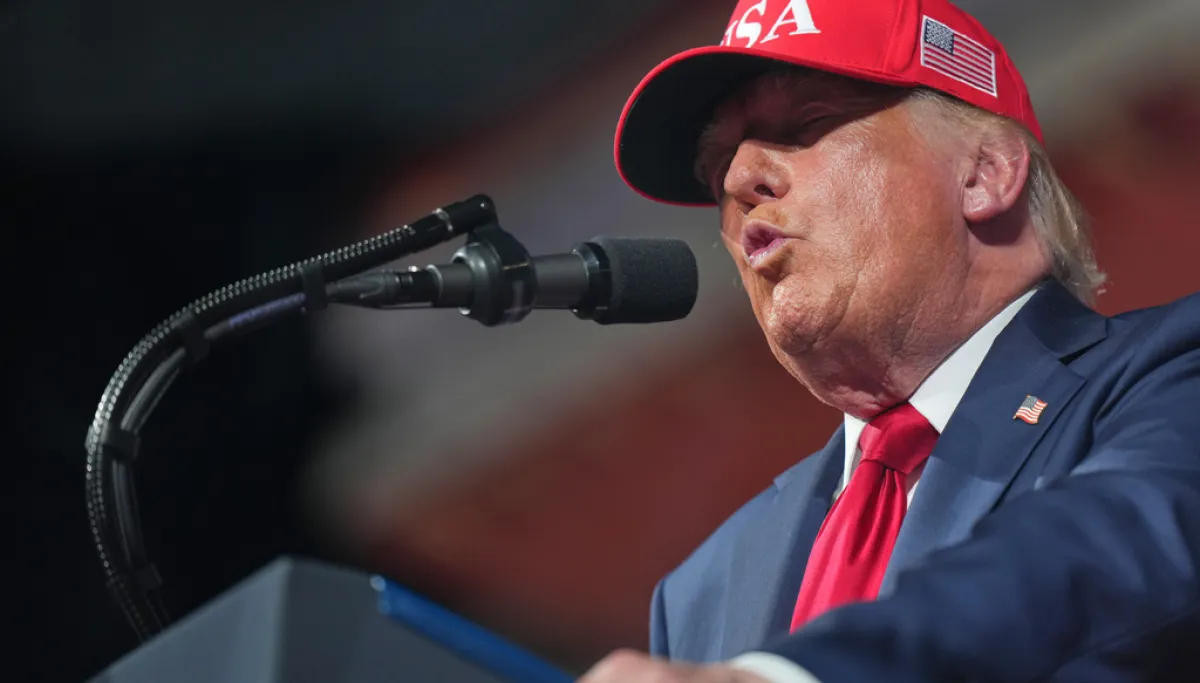
President Donald Trump has proposed a $1.5 trillion defense budget for fiscal 2027, a 44% rise from the previous year.
asserted
Trump → propose → 2027
The administration projects that the budget will fall at around 3.6% of the country’s GDP.
asserted
budget → project → GDP
Some of this money will go toward replenishing munitions used in the Iran war.
asserted
Some → go → war
The Pentagon wants to raise production of Patriot air defense munitions to 2,000 a year, for example.
asserted
Pentagon → want → example
The problem is that this will require funding, spare parts, and factory expansion.
asserted
this → require → funding
Missiles requested in the 2027 budget are not expected to begin arriving until 2029.
asserted
Missiles → request → 2029
If a few months of fighting Iran depleted an estimated two-thirds of America’s Patriot inventory, what would happen in a long war with Russia or China?
asserted
what → fight → Russia
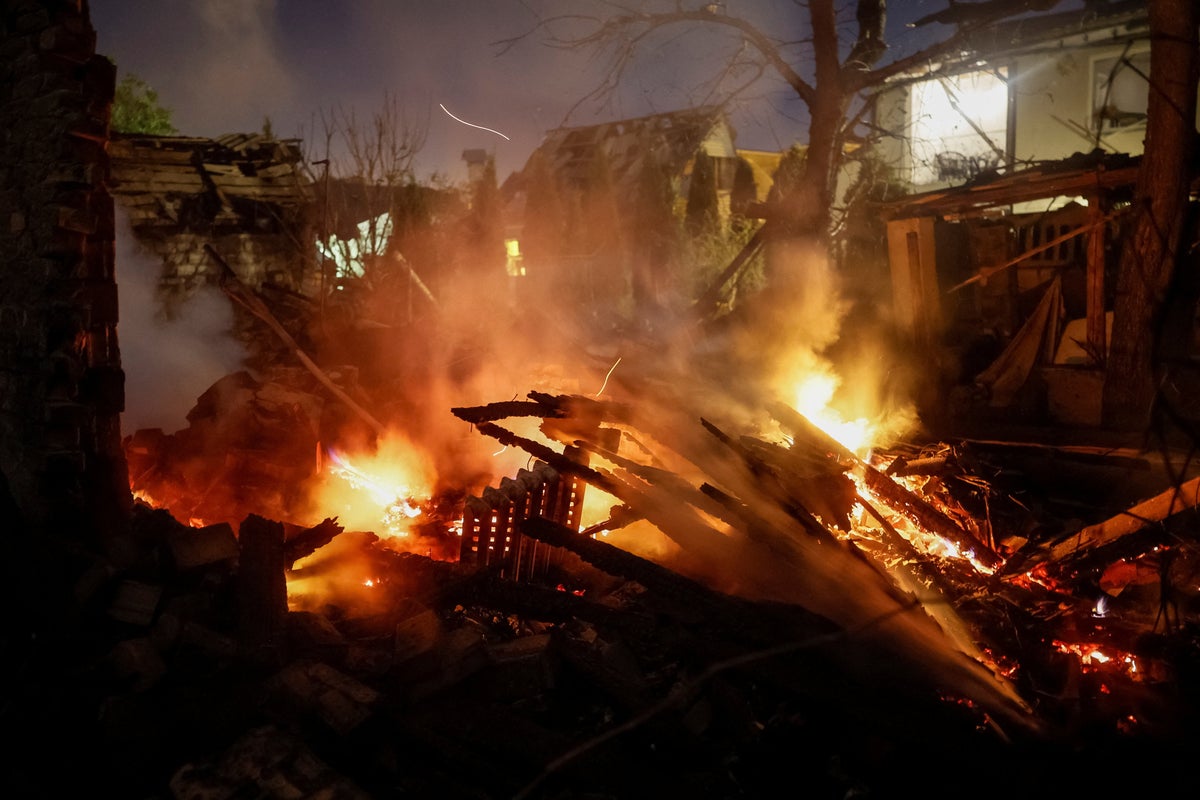
Russian missiles and drones struck Kyiv again on Wednesday, damaging energy facilities and killing civilians.
asserted
missiles → strike → civilians
Moscow has been striking the capital relentlessly for most of the month.
asserted
Moscow → strike → month
Ukraine also faces a $27 billion gap in this year’s war costs.
asserted
Ukraine → face → costs
Its government says it can cover $7 billion through spending cuts and needs allies to provide the remaining $20 billion.
asserted
allies → say → billion
Thus, while Russia has budgeted for another year of war, Ukraine is still looking for the money and missiles to get through this one.
asserted
Ukraine → budget → one
 The Aporia