That is 0 articles you have read today.
The Aporia is free and carries no advertising, so readers are the only
thing paying for it. If you are getting this much out of it, a small
donation is what keeps it independent.
Daily limit reached
You have read 0 articles today.
That is more than the 15 a day The Aporia gives away,
and well past what it can carry on nothing. Your allowance resets at
midnight.
There is no advertising here and nothing about you is sold, so readers
are the only thing paying for it. If the site is worth this much of
your day, it is worth a few dollars.
Everything else stays open: the
maps, the
directory and
search do
not count against this, and neither does re-opening something you have
already read today.
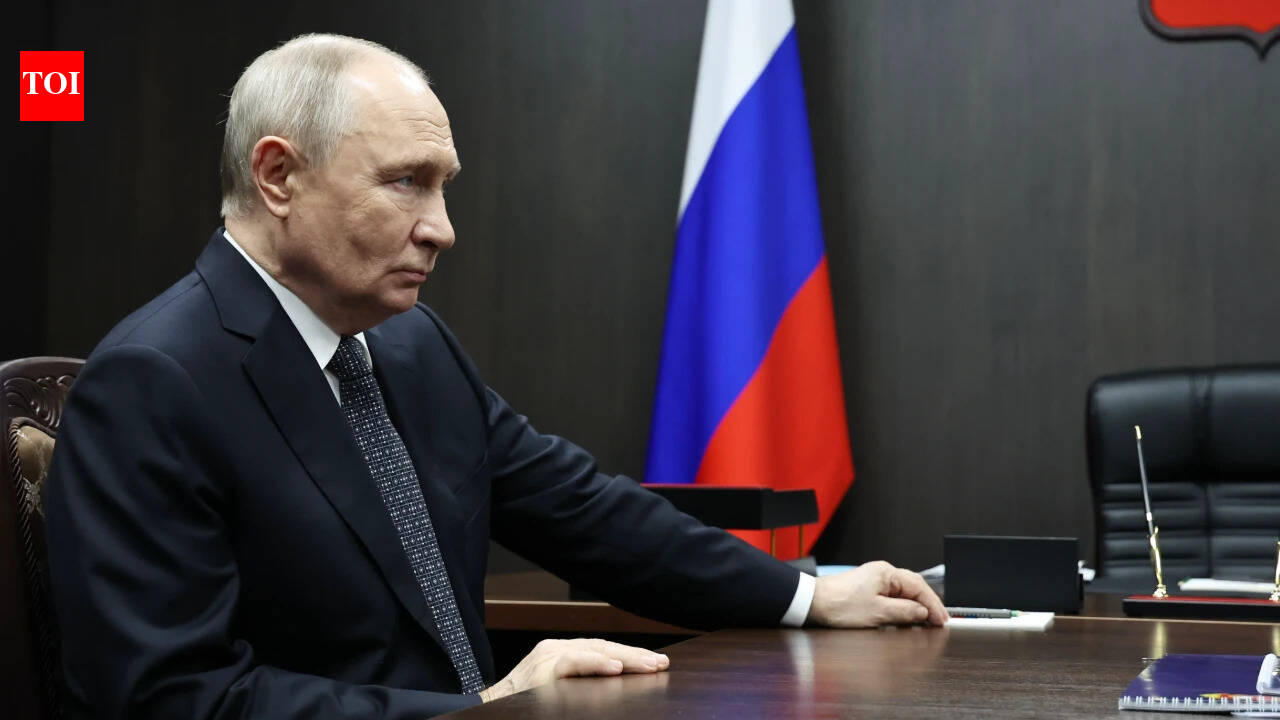
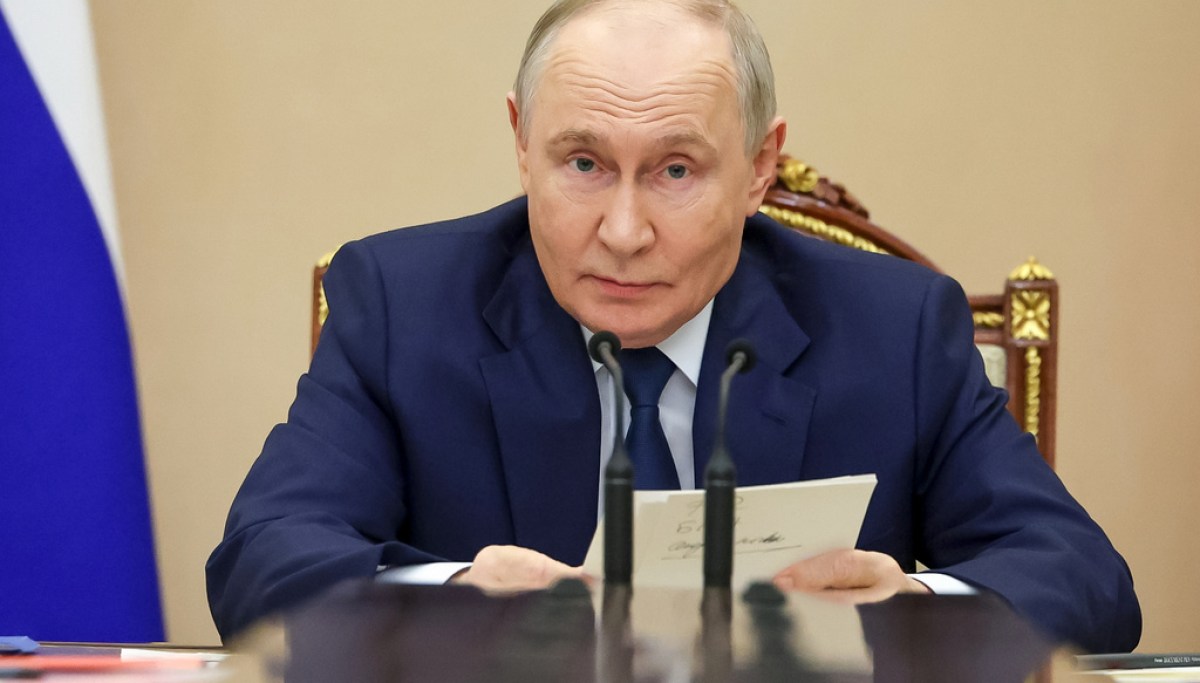
Russia plans to reduce funding for welfare, education, and healthcare by significant percentages in its 2027 budget to support a massive increase in military spending, which will rise to 17.1 trillion roubles ($202.58 billion), up from the previously planned 13.5 trillion roubles. The article highlights that these cuts are part of Russia's ongoing efforts to manage its deteriorating fiscal situation since the start of the war in Ukraine in 2022, despite attempts at long-term budget planning.
Written locally by qwen2.5:14b on 2026-09-29,
using this article's own text rather than the other coverage of the
same event (that is the story summary below).
Story summary
The Russian government plans to significantly increase military spending in 2027 to 17.1 trillion roubles ($202.58 billion), a 27% rise from the original budget of 13.5 trillion roubles. This marks the highest level of defense expenditure since Russia's invasion of Ukraine began in 2022. To fund this escalating military spending, Russia will cut social policy funding by 7%, education funding by 6%, and healthcare funding by 6.8%. Additionally, welfare programs, including state pensions and payments to war veterans, will also face significant reductions. The government has already exhausted fiscal reserves, increased borrowing, and raised taxes to manage the growing military costs during the 4.5-year conflict in Ukraine.
Written for “Russia War Spending Priority” on 2026-10-05,
grounded in this article and the 4 other(s) covering the same event.
Claims extracted
11
claim-shaped sentences
Uncertain
0%
0 of 11 hedged
Leaning
Leans strongly right
of the writing, not the subject · beta estimate
Correction & hedging signals
59.1
corrections and hedging in what we collected;
not a measure of accuracy
Outlets on this story
5
Politics
Narrative spread
1
articles carrying this framing
Russia to cut welfare, education funding in 2027 as war spending soars
MOSCOW, Sept 29 - Russia will cut funding for welfare, education and healthcare in next year's state budget, in addition to previously announced tax hikes, to help cover soaring military spending, fiscal documents obtained by Reuters showed.
asserted
documents → cut → Reuters
Russia plans to spend 17.1 trillion roubles ($202.58 billion) on defence in 2027, around 27% more than the 13.5 trillion roubles originally budgeted and the highest figure since the start of the war in Ukraine in 2022.
asserted
Russia → plan → 2022
Funding for social policy, which covers items such as state pensions, payments to war veterans and maternity benefits, will shrink by 7% in 2027.
asserted
which → cover → 2027
Funding for education will fall by 6% and healthcare funding by 6.8%, compared with the initial plan.
asserted
Funding → fall → plan
Spending under the "national economy" section, which includes road construction and other infrastructure projects, as well as subsidies for agriculture and other sectors, will shrink by 7.4% in 2027.
Russia's budget situation has gradually deteriorated throughout the 4-1/2 years of war in Ukraine as the country has had to tap its fiscal reserve fund, increase borrowing and raise taxes to keep up with growing military spending.
asserted
country → include → spending
Russia is drawing up a three-year budget in an attempt to improve long-term planning, but it has had to revise figures sharply upwards each year and has repeatedly missed its annual deficit targets.
asserted
it → draw → targets
The federal budget does not incorporate regional and municipal budgets, which account for a significant share of social spending.
asserted
which → incorporate → spending
The new tax hikes in the 2027 draft budget, as well as a larger-than-expected increase in utility tariffs planned for next year and announced after this month's parliamentary election, have angered even some Kremlin supporters.
asserted
hikes → expect → supporters
The new State Duma, in which the pro-Kremlin United Russia party will hold a constitutional majority, is expected to approve the new budget, with authorities saying that winning the war in Ukraine takes priority over other needs.
asserted
winning → hold → needs
While overall non-military spending is shrinking, the share of debt-servicing costs in the Russian budget is rising due to high interest rates, which the central bank maintains to fight inflation, and increased borrowing plans.
asserted
bank → shrink → inflation
The documents show that debt-servicing costs will rise by 21.6% in 2027 compared with the initial plan, reaching 9.4% of total spending in 2027 and increasing further to 10.6% in 2029.
asserted
costs → show → 2029
 The Aporia