Story summary
Christa Pike, a 50-year-old death row inmate in Tennessee, was set to be executed by lethal injection on September 30, 2026, becoming the first woman executed in the state since the early 1800s. Pike, now serving her sentence for killing Colleen Slemmer, a 19-year-old classmate at Knoxville Job Corps when she was just 18 years old, had her clemency request denied by Tennessee Governor Bill Lee. She and her then-boyfriend tortured and murdered Slemmer in a jealous rage.
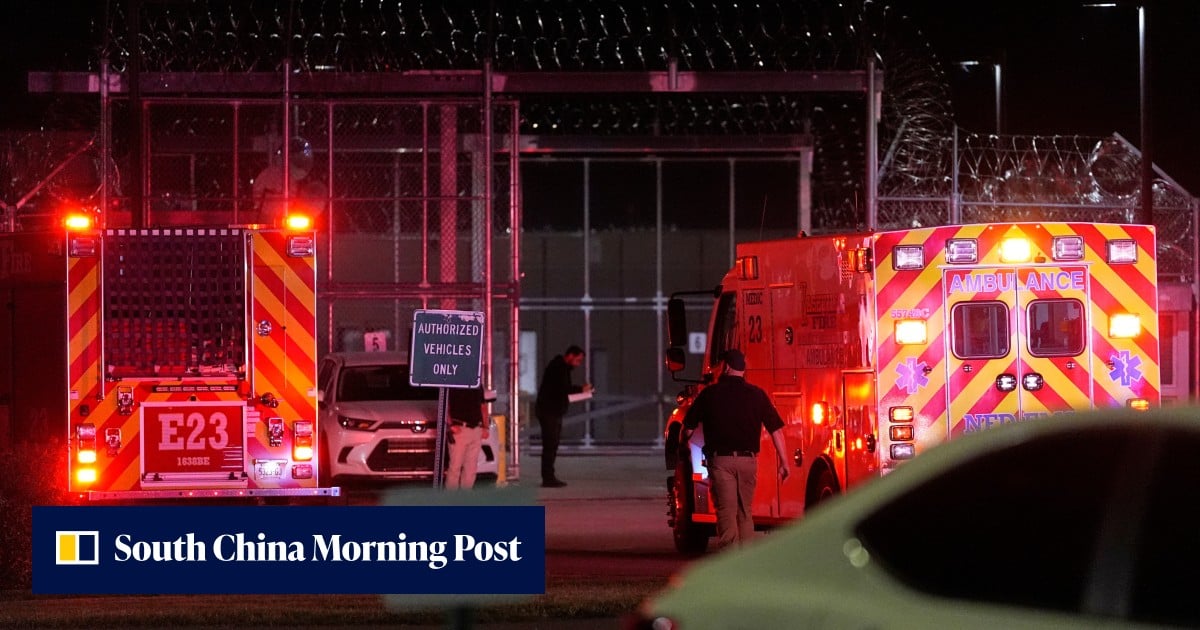
Pike's legal team filed a petition with the US Supreme Court, hoping for a last-minute reprieve due to concerns about her struggles with post-traumatic stress disorder stemming from childhood trauma and sexual abuse. However, on September 29, 2026, the Supreme Court rejected their plea. The execution was scheduled to take place at the Riverbend Maximum Security Institution in Nashville.
Just hours before the planned lethal injection, a judge issued a temporary stay of execution based on new arguments about whether Pike's childhood abuse had been adequately considered during sentencing. This decision has prompted further legal challenges and delays in carrying out her sentence.
Written for “Christa Pike Execution Controversy” on 2026-10-05,
grounded in this article and the 139 other(s) covering the same event.
Top lawyers, doctors and members of the faith community are calling for a moratorium on the US death penalty after Tennessee’s failed attempt to execute Christa Pike left the prisoner alive but in critical condition and receiving life-saving medical care.
asserted
attempt → call → care
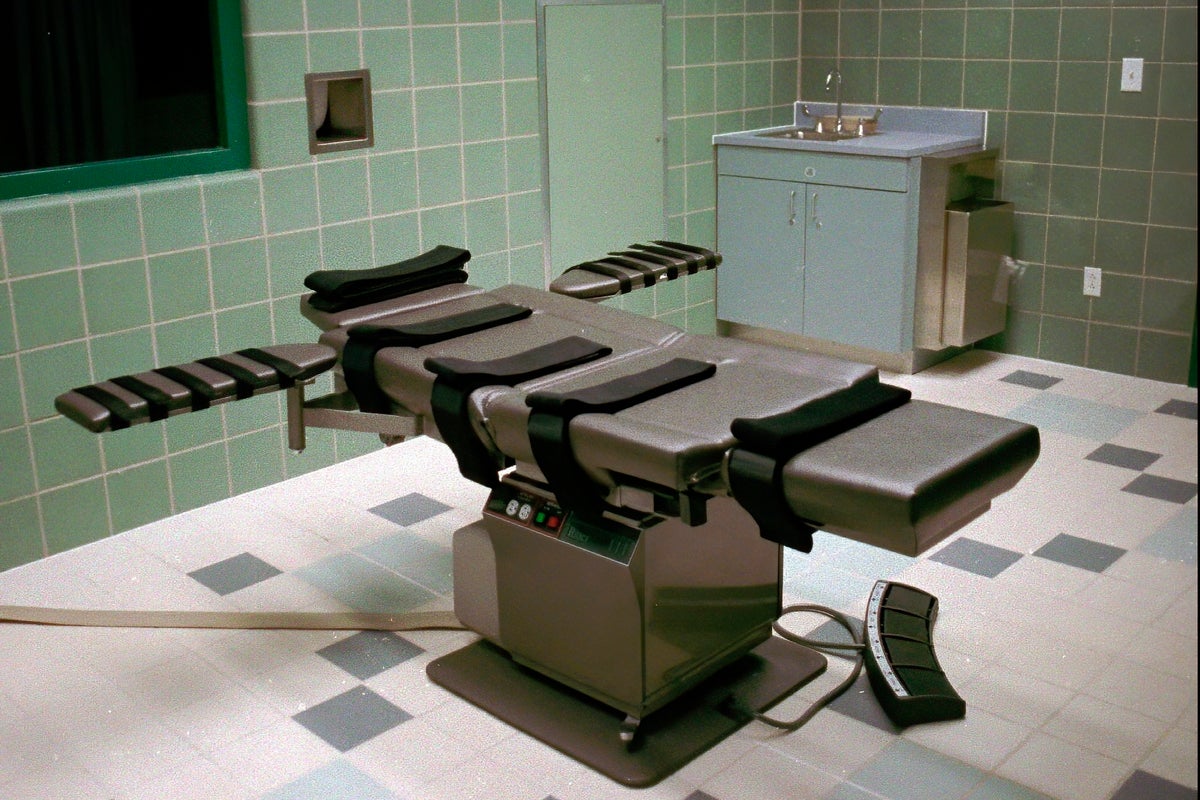
The recent spate of harrowingly botched executions across US death penalty states reached a new low late on Wednesday when Tennessee’s governor Bill Lee called off the procedure after Pike had been injected with two full syringes of pentobarbital.
asserted
Pike → botch → pentobarbital
She is the only person to have survived being administered 5mg of the sedative – a massive dose that under normal circumstances is considered fatal.
asserted
that → survive → circumstances
An hour after the first injection was given, she was overheard by eyewitnesses to be still breathing, choking and struggling, and was found to have a heartbeat.
asserted
she → give → heartbeat
Her lawyers said that her current condition, and the degree to which she may have been brain damaged through oxygen deprivation, were as yet unknown.
uncertain
she → say → deprivation
Sandra Babcock, a death penalty scholar at Cornell law school who advises Pike’s legal team, told the Guardian that the events that unfolded were “unimaginably barbaric.
asserted
that → advise → Guardian
They demand accountability.”
asserted
They → demand → accountability
She added that at a minimum Lee must now “commute Christa Pike’s death sentence to life imprisonment”.
asserted
Lee → add → imprisonment
Another of Pike’s lawyers, Randy Spivey, who was present in the death chamber, called Pike’s ordeal “cruel and torturous”.
asserted
who → call → ordeal
He said he had personally counted seven needles stuck in Pike’s left arm alone, “one of which appeared to be bent when it was pulled from her”.
asserted
it → say → her
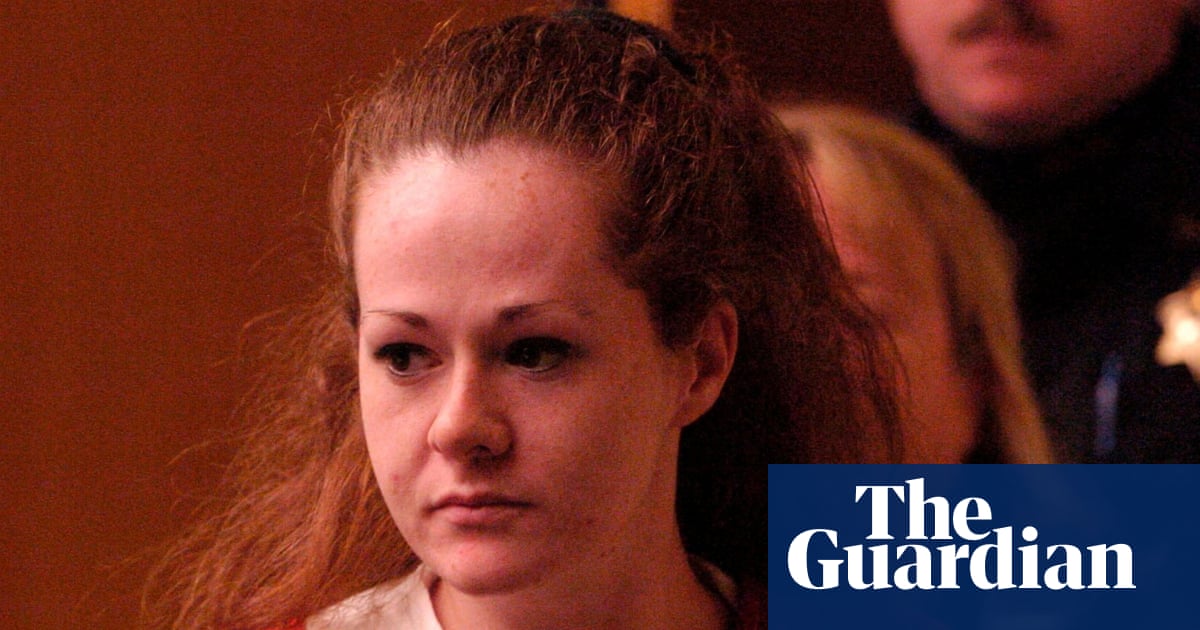
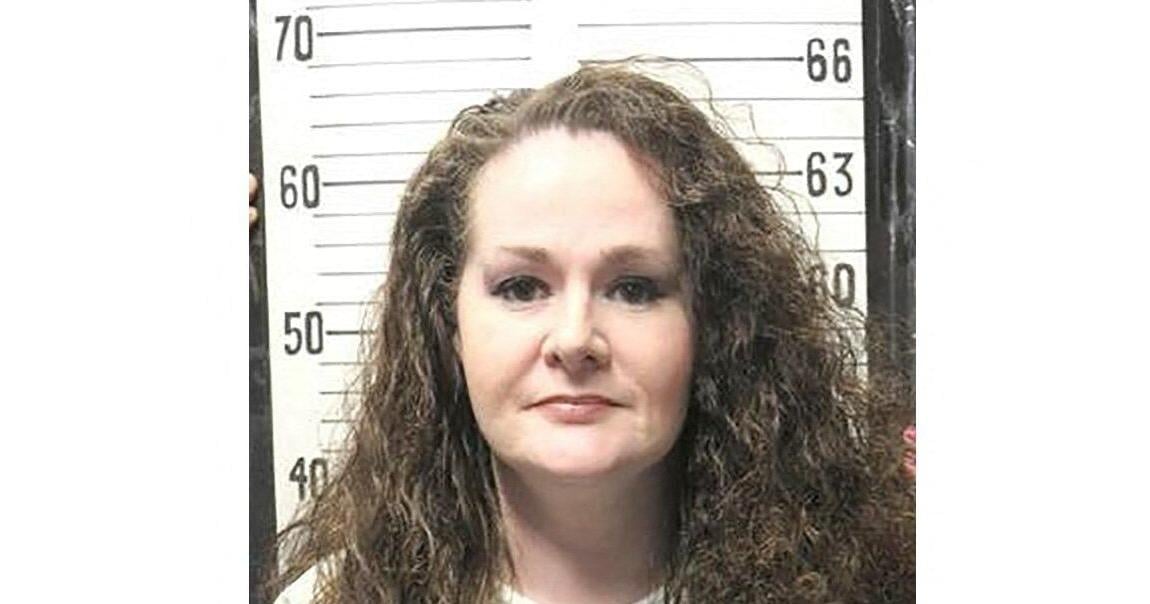
Pike, 50, was sentenced to death for the brutal 1995 killing of a teenage classmate, Colleen Slemmer.
asserted
Pike → sentence → classmate
She was set to be the first woman executed in Tennessee in more than 200 years.
asserted
She → set → years
Leading voices on the death penalty in America told the Guardian that the failed execution was such a violation of the constitutional prohibition on “cruel and unusual punishment” that all judicial killings had to be halted.
asserted
killings → lead → punishment
Bryan Stevenson, an internationally renowned death penalty lawyer and founder of the Equal Justice Initiative in Montgomery, Alabama, said that many warnings had been made in recent months that US executions were flawed and unreliable.
asserted
executions → say → months
“Nearly a dozen botched executions in recent years should have suspended executions long before now,” he said.
asserted
he → botch → executions
Stevenson said it was time to turn around the threshold question.
asserted
it → say → question
Instead of asking whether a prisoner deserved to die for the crime committed, the question should be: “Do our governments which tolerate inequality, unreliability and bias deserve to kill?”
asserted
which → ask → inequality
He added: “Last night’s tragedy makes clear we should stop the misguided policy of killing people to show that killing is wrong.”
asserted
killing → add → people
Wednesday night was the second time in five months that Tennessee had failed an execution.
asserted
Tennessee → fail → execution
In May, Tony Carruthers survived the death chamber after the execution team were unable to set up an IV line.
uncertain
team → survive → line
He has been given a new execution date for next May.
uncertain
He → give → May
That followed Alabama, which also failed to execute two death row prisoners, Alan Miller and Kenneth Smith, having been unable to find a vein.
asserted
which → follow → vein
The spectacle of prisoners being sent to their deaths, only to have the executions called off as a result of basic failures in IV procedures, has sent death penalty states scrambling to find alternatives to lethal injections.
asserted
executions → send → injections
In turn, those alternative procedures have become mired in complications and disputes.
asserted
procedures → become → complications
Miller and Smith were both eventually killed by Alabama using an experimental procedure, nitrogen gas, that veterinarians have banned as inhumane for the euthanasia of cats and dogs.
asserted
veterinarians → kill → cats
In June, a federal judge blocked Alabama’s use of nitrogen in executions, ruling it cruel and unusual punishment.
asserted
it → block → executions
Other states have opted for the firing squad.
asserted
states → opt → squad
But recent firing squad executions have been troubled by bullets missing the heart, to the extent that the suggestion has been raised that some of the mis-targeted shots might have been intentional.
uncertain
some → trouble → shots
Helen Prejean, a Catholic nun who is perhaps the best-known advocate for abolition of the death penalty in America after her book Dead Man Walking was turned into a film of the same name, told the Guardian that the events on Wednesday night were the definition of cruelty.
“This is the essence of cruelty.
asserted
This → know → cruelty
Take a conscious, imaginative human being, give her a date for her death, have her anticipate it over and over again, and then take her out and try and kill her.
asserted
her → take → her
She was rendered defenceless as they deliberately attempted to kill her – what greater mental torture for a human being is there?”
asserted
they → render → being
Prejean added that she hoped the agony Pike had endured “would be redemptive for others, and help to wake up the nation”.
asserted
Pike → add → nation
As the number of gruesome botched lethal injections rapidly mounts, the central premise that has been held up by supporters – that it is a humane, medicalised and scientific way to kill a person – has come under fire.
asserted
it → botch → fire
Joel Zivot, a professor of anesthesiology in Atlanta, Georgia, who has reviewed hundreds of autopsies of executed people in the US, said that lethal injections would never deserve the label of medicine.
asserted
injections → review → medicine
So when it goes awry, that is not at all surprising to me.”
asserted
that → go → me
Zivot was invited to present as an expert witness at a hearing convened in August by a special master in the Pike case.
asserted
Zivot → invite → case
He warned the senior judge that Pike had a blood condition in which her blood platelets were elevated that rendered her vulnerable to blood clots.
asserted
her → warn → clots
Zivot told the hearing that Pike, as a small woman who had been in solitary confinement on death row for almost 30 years, likely had veins that were of poor quality, small in caliber, and hard to find.
asserted
that → tell → caliber
“I told them.
asserted
I → tell → them
I warned them,” he said.
asserted
he → warn → them
…and 12 more, not listed.
 The Aporia