That is 0 articles you have read today.
The Aporia is free and carries no advertising, so readers are the only
thing paying for it. If you are getting this much out of it, a small
donation is what keeps it independent.
Daily limit reached
You have read 0 articles today.
That is more than the 15 a day The Aporia gives away,
and well past what it can carry on nothing. Your allowance resets at
midnight.
There is no advertising here and nothing about you is sold, so readers
are the only thing paying for it. If the site is worth this much of
your day, it is worth a few dollars.
Everything else stays open: the
maps, the
directory and
search do
not count against this, and neither does re-opening something you have
already read today.
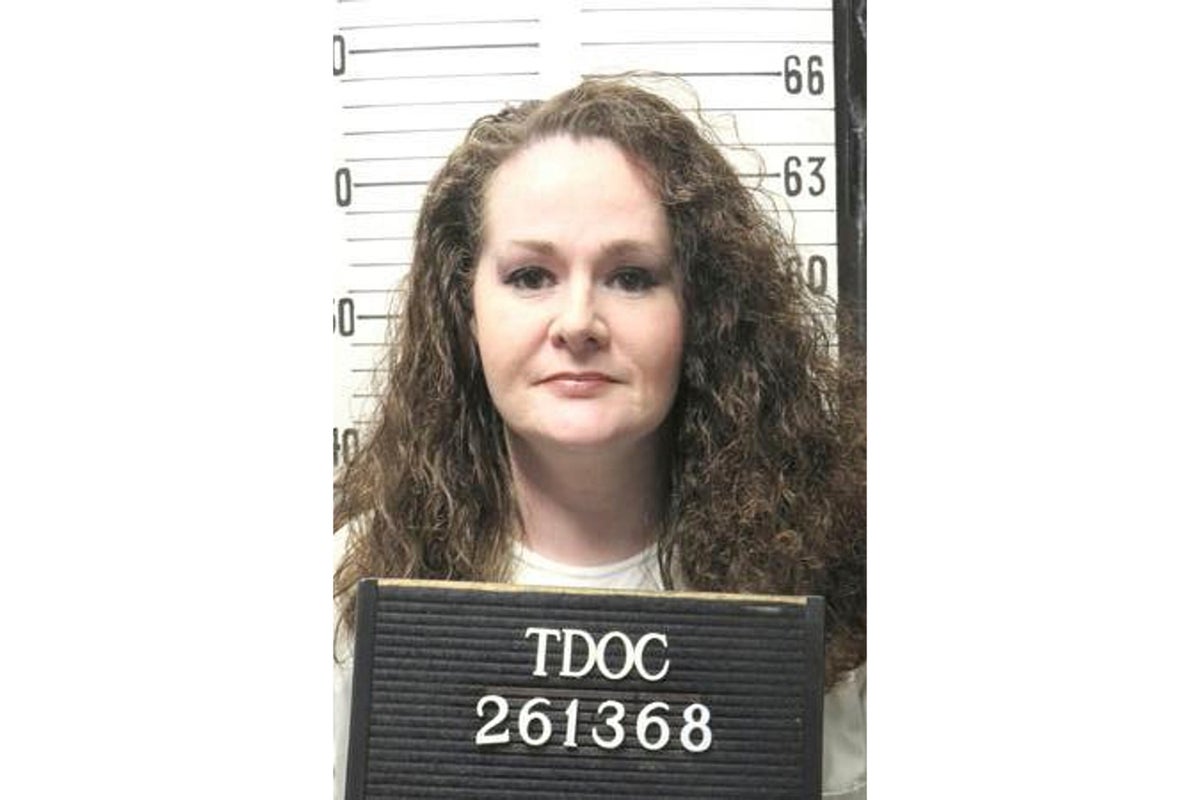
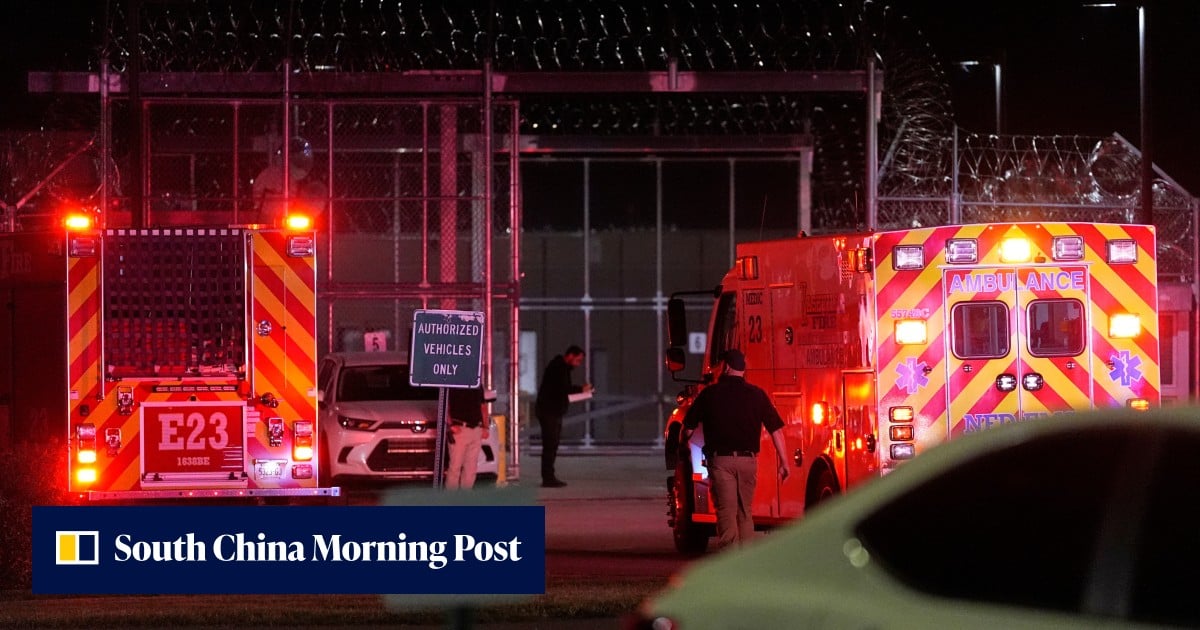
Christa Pike, sentenced to death for murder in 1995, was administered lethal drugs twice but survived after being rushed to hospital following her botched execution on Wednesday in Tennessee. Dr. Joel Zivot suggests she likely suffered brain damage due to insufficient drug levels and a delay in resuscitation. Her lawyers blame the failure on degraded drugs and damaged veins, criticizing officials for ignoring their concerns about these issues and lack of emergency medical care during executions. Governor Bill Lee has ordered a review and postponed further executions this year.
Written locally by qwen2.5:14b on 2026-10-01,
using this article's own text rather than the other coverage of the
same event (that is the story summary below).
Story summary
Christa Pike, 50, is set for execution by lethal injection in Tennessee on Wednesday, becoming the first woman executed there in over 200 years. Pike was sentenced to death at age 18 after she and her boyfriend tortured and murdered Colleen Slemmer, a 19-year-old classmate from Knoxville Job Corps, in a jealous rage on January 12, 1995. The case garnered widespread attention due to the brutality of the crime and the presence of a satanic symbol carved into Slemmer’s body.
Pike's attorneys argue that she should not face execution given her history of severe sexual abuse as a child, untreated mental illness, and post-traumatic stress disorder. They have petitioned the US Supreme Court for a stay of execution but were denied by Tennessee Governor Bill Lee, who upheld Pike’s sentence after reviewing her clemency request.
Slemmer's mother, who has been waiting decades for justice, supports moving forward with the lethal injection despite Pike’s claims of mental health issues. If executed, Pike would be one of only 18 women put to death in the US since the 1970s, compared to over 1,600 men during that same period. Critics argue that current juries informed about Pike's background might not sentence her to death today. The case highlights ongoing debates around capital punishment and its appropriateness for crimes committed by minors with severe psychological trauma.
Written for “Tennessee Woman Execution” on 2026-10-04,
grounded in this article and the 136 other(s) covering the same event.
Claims extracted
11
claim-shaped sentences
Uncertain
18%
2 of 11 hedged
Leaning
Leans strongly left
of the writing, not the subject · beta estimate
Correction & hedging signals
64.3
corrections and hedging in what we collected;
not a measure of accuracy
Outlets on this story
137
Crime & Law
Narrative spread
1
articles carrying this framing
Pike, 50, was rushed to the hospital Wednesday after the Tennessee Department of Corrections administered two doses of the highly potent sedative, Pentobarbital, but it failed to kill her.
asserted
it → rush → her
The murderer, who was sentenced to death for the monstrous 1995 slaying of a classmate, was “being provided life-saving measures” in the hospital, her lawyers said – but she likely has a brain injury as a result.
asserted
she → sentence → result
Emory University School of Medicine professor Dr. Joel Zivot – who was retained by Pike’s legal team as a medical expert – told the BBC that the amount of the lethal drug pentobarbital in her blood likely never reached a level high enough to stop her breathing and heartbeat.
asserted
amount → retain → breathing
“It’s very possible that as a consequence of the delay of the beginning of resuscitation she will have a brain injury,” Zivot explained.
asserted
Zivot → ’ → injury
Pike’s attorneys blamed “degraded pentobarbital” and damaged veins for the horrifying failure – as the blasted Tennessee officials who they claim ignored their concerns.
uncertain
they → blame → concerns
“We take no pleasure in being right, but the concerns raised by Ms. Pike proved to be true: difficult vein access, blown veins, degraded pentobarbital, no emergency medical care available when things inevitably go wrong, all under a protocol that remains veiled in secrecy,” the legal team claimed.
asserted
team → take → secrecy
Pike was strapped to a gurney in the Riverbend Maximum Security Institution’s death chamber just before 7:30 p.m. CDT an hour after her stay of execution was overturned by the Supreme Court.
asserted
stay → strap → Court
The State of Tennessee allows for a second dose of the fatal drug cocktail to be administered to a condemned inmate if the first dose doesn’t have the intended effect, but does not clarify what happens if a second dose fails, according to the Associated Press.
uncertain
dose → allow → Press
Tennessee Gov. Bill Lee said in a statement that “a comprehensive, third-party review to determine exactly what occurred” has been ordered, and the state’s lone execution slated for this year has been postponed.
asserted
execution → say → year
Pike would have been just the 19th woman to receive the death penalty in the US since 1976, compared to 1,663 men during the same period.
asserted
Pike → receive → period
“Tonight the State of Tennessee once again failed to carry out a lawful execution,” Pike’s attorneys said in a statement to USA TODAY.
asserted
attorneys → fail → TODAY
 The Aporia