That is 0 articles you have read today.
The Aporia is free and carries no advertising, so readers are the only
thing paying for it. If you are getting this much out of it, a small
donation is what keeps it independent.
Daily limit reached
You have read 0 articles today.
That is more than the 15 a day The Aporia gives away,
and well past what it can carry on nothing. Your allowance resets at
midnight.
There is no advertising here and nothing about you is sold, so readers
are the only thing paying for it. If the site is worth this much of
your day, it is worth a few dollars.
Everything else stays open: the
maps, the
directory and
search do
not count against this, and neither does re-opening something you have
already read today.
Dispatchers and prison officials delayed sending emergency responders to Christa Pike for nearly half an hour after her botched lethal injection on September 30 due to confusion about whether medical assistance was needed. The first call to dispatchers occurred at 8:40 p.m., but confirmation that it was a real emergency came only at 9:11 p.m., when responders were allowed into Riverbend Prison. Pike, who had survived two doses of the lethal drug pentobarbital, was left unconscious and on life support after the failed execution, which lasted for about an hour. She later regained consciousness with significant physical and psychological issues reported by her lawyers.
Written locally by qwen2.5:14b on 2026-10-13,
using this article's own text rather than the other coverage of the
same event (that is the story summary below).
Story summary
Christa Pike, 50, is set to be executed by lethal injection on Wednesday in Tennessee, marking the first time a woman will face execution in the state in over 200 years. When she was 18, Pike killed her classmate and romantic rival Colleen Slemmer, 19, at a job training camp for troubled teens in Knoxville. The brutal murder, which included carving a satanic symbol into Slemmer's body, garnered widespread attention due to the ages of those involved and the nature of the crime.
Pike does not deny her guilt but argues that she should not have been sentenced to death given her history of untreated mental illness and severe childhood abuse. Her legal team has requested a stay from the US Supreme Court citing potential psychological trauma from the execution process, while also petitioning for clemency to commute her sentence to life in prison.
Despite these efforts, Governor Bill Lee rejected Pike's request for clemency on Monday, stating that he would uphold the state’s sentence. Slemmer's mother supports the execution, believing it will bring justice after waiting decades. If executed, Pike would be one of only 18 women to face lethal injection in the US since the 1970s, compared to over 1,663 men during that period. The case highlights debates around capital punishment and its appropriateness for minors with traumatic backgrounds.
Written for “Tennessee Woman Execution” on 2026-10-13,
grounded in this article and the 228 other(s) covering the same event.
Why this leaning score
This article does not take a side on a contested political
question, so it has no leaning score. That is an
answer rather than a gap: a match report or a rescue can be warmly
or critically written without being left or right, and scoring it
anyway is how approval of a subject gets recorded as a political
position.
No political leaning scored for article 75421 · logged 2026-10-13
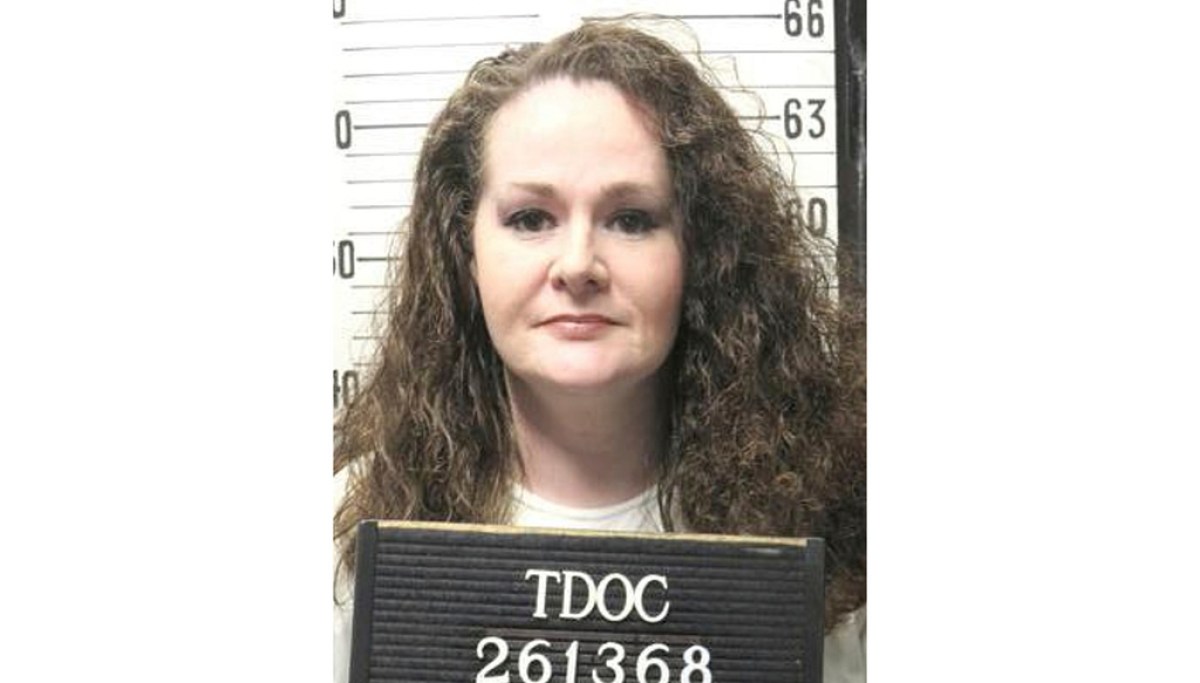
Emergency responders were left waiting to assist Christa Pike for nearly half an hour amid confusion over whether the convicted killer needed medical attention following her botched lethal injection, according to 911 calls.
uncertain
killer → leave → calls
The 911 audio revealed confusion among dispatchers, first responders, and prison officials over whether the request for emergency medical assistance in the execution chamber was legitimate after Pike — sentenced to death for the 1995 torture and murder of a classmate — survived two doses of the lethal injection drug pentobarbital on Sept. 30.
asserted
Pike → reveal → Sept.
A first call went to dispatchers at 8:40 p.m., but prison officials didn’t confirm the request was real until 9:11 p.m., when first responders were allowed to rush through the gates of Riverbend Prison, according to audio obtained by the Associated Press.
uncertain
responders → go → Press
“Per supervisors here at the DEC [Department of Emergency Communications], we have been informed it is a false call,” one unidentified person said at 9:03 p.m.
asserted
person → inform → p.m.
But just four minutes later, a responder reported that someone at the prison gate was insisting the emergency was real.
asserted
emergency → report → gate
“Somebody is outside the gate at the prison telling us that it’s real and demanding us to go in.
asserted
us → tell → us
They say they are some sort of state official.
asserted
they → say → official
I need somebody to get out to the gate and talk to those people,” the responder said on the audio.
asserted
responder → need → audio
Prison officials didn’t confirm the call for help was legitimate until 9:11 p.m., the call logs showed.
asserted
logs → confirm → p.m.
Pike, 50, was strapped to a gurney for about an hour as medical staff jabbed her with at least seven needles, one of which bent when it came out of her arm, her attorney Randy Spivey said.
asserted
attorney → strap → arm
She was rushed to the hospital after the botched execution and was left unconscious and hooked up to a ventilator, with her lawyers fearing she was brain dead.
asserted
she → rush → ventilator
However, the death row inmate miraculously regained consciousness last week and started communicating.
asserted
inmate → regain → consciousness
The convicted murderer asked, “Where am I and who are you?” when she first woke up and even started walking the next day.
asserted
she → convict → ?
Pike suffered from a blood clot in one of her arms, pneumonia, and “extraordinary” swelling after the bungled execution, her lawyers claimed earlier this week.
They also said she was dealing with “cognitive challenges” and “profound psychological trauma,” adding that “significant questions remain about the long-term effects of what she endured.”
asserted
she → suffer → what
Pike was due to become the first woman executed in Tennessee in over 200 years, but instead became the first person in the US to have survived the lethal injection.
asserted
Pike → become → injection
She was sentenced to death after brutally murdering her 19-year-old Jobs Corp classmate, Colleen Slemmer, in a jealous rage in 1995.
asserted
She → sentence → 1995
The then 18-year-old, her boyfriend Tadaryl Shipp, 17, and pal Shadolla Peterson, also 18, lured Slemmer to an isolated area of the University of Tennessee’s Knoxville campus to torture and kill her.
asserted
old → lure → her
Pike bashed Slemmer’s head in and kept a piece of her skull as a twisted souvenir.
asserted
Pike → bash → souvenir
The Tennessee Department of Correction has not said what went wrong in the bungled execution.
asserted
what → say → execution
 The Aporia