Story summary
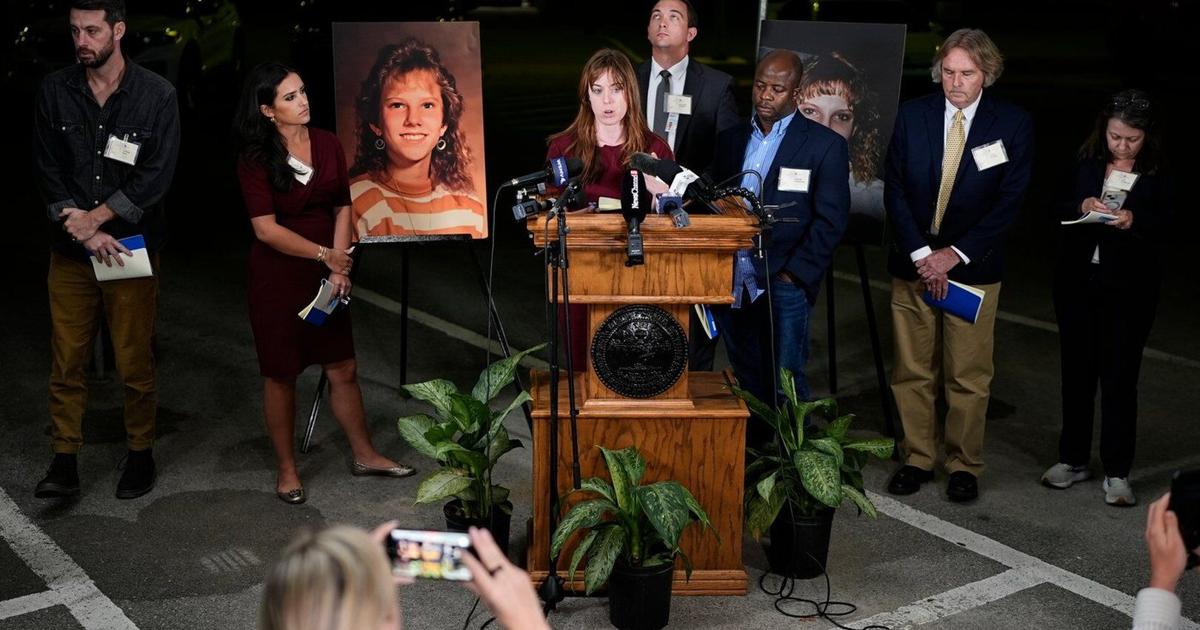
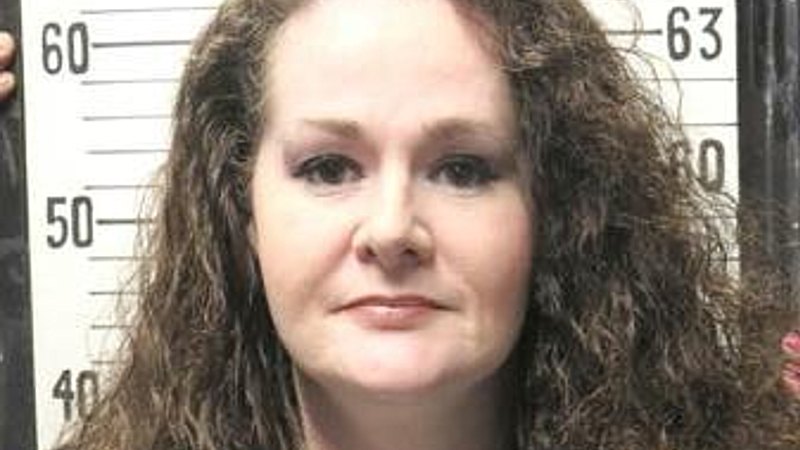
Christa Pike, 50, is set for execution by lethal injection in Tennessee on Wednesday, becoming the first woman executed there in over 200 years. Pike was sentenced to death at age 18 after she and her boyfriend tortured and murdered Colleen Slemmer, a 19-year-old classmate from Knoxville Job Corps, in a jealous rage on January 12, 1995. The case garnered widespread attention due to the brutality of the crime and the presence of a satanic symbol carved into Slemmer’s body.
Pike's attorneys argue that she should not face execution given her history of severe sexual abuse as a child, untreated mental illness, and post-traumatic stress disorder. They have petitioned the US Supreme Court for a stay of execution but were denied by Tennessee Governor Bill Lee, who upheld Pike’s sentence after reviewing her clemency request.
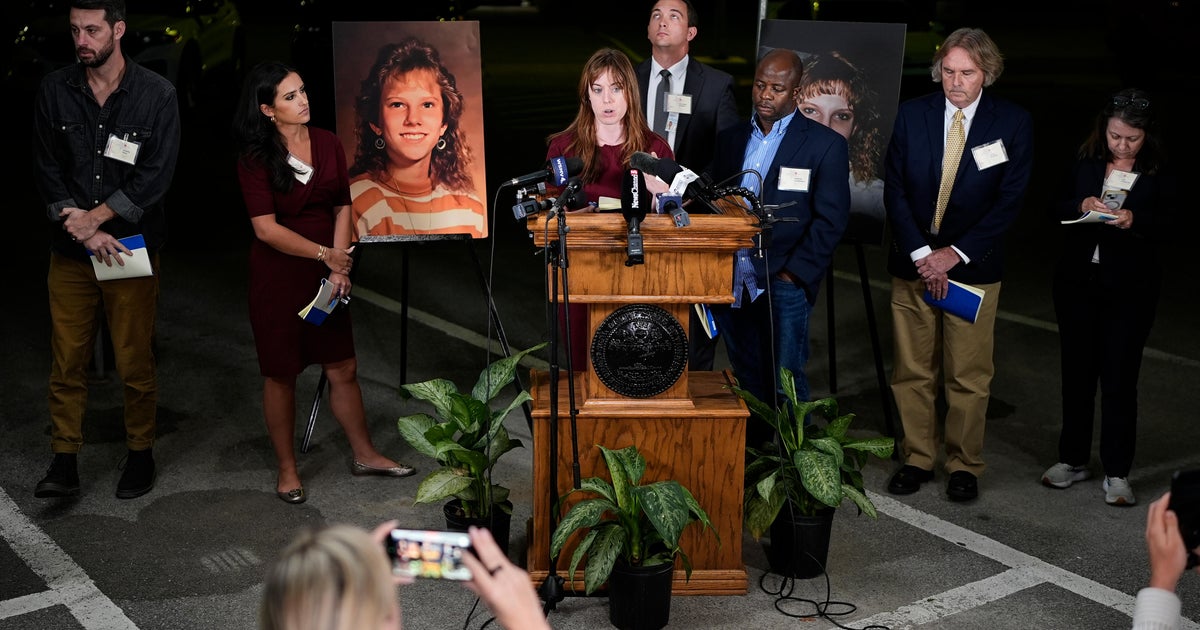
Slemmer's mother, who has been waiting decades for justice, supports moving forward with the lethal injection despite Pike’s claims of mental health issues. If executed, Pike would be one of only 18 women put to death in the US since the 1970s, compared to over 1,600 men during that same period. Critics argue that current juries informed about Pike's background might not sentence her to death today. The case highlights ongoing debates around capital punishment and its appropriateness for crimes committed by minors with severe psychological trauma.
Written for “Tennessee Woman Execution” on 2026-10-04,
grounded in this article and the 136 other(s) covering the same event.
The story so far: U.S. death row convict Christa Pike remained alive after surviving the lethal injection during her execution in Tennessee on Wednesday night (September 30, 2026).
asserted
Pike → remain → night
While the 50-year-old remained in critical condition and was receiving treatment at a hospital, Tennessee Governor Bill Lee has ordered a stay on all executions for the year.
asserted
Lee → remain → year
The case has raised several questions about lethal injection protocols, which are the primary method employed for executions in the U.S.
What is the case?
Pike was found guilty and sentenced to death in 1996 for the killing of another woman, 19-year-old Colleen Slemmer.
asserted
Pike → raise → woman
The case invited intense scrutiny because she was a teenager when she committed the crime, and supporters argued that her mental illness and childhood abuse should be taken into account.
asserted
illness → invite → account
Also read: How lethal injection is used in death penalty
She was scheduled to be executed on Wednesday night (September 30, 2026) after the Supreme Court overturned a last-minute stay ordered by a federal appeals court over allegations that her childhood abuse was not fully considered during sentencing.
asserted
abuse → read → sentencing
Pike would have been the first woman in more than 200 years to be executed in Tennessee.
asserted
Pike → execute → Tennessee
What happened during the execution?
asserted
What → happen → execution
Pike was administered two doses of pentobarbital, a drug used in several lethal injection protocols in the U.S.
Pentobarbital is a drug that doctors often use to treat seizures.
asserted
doctors → administer → seizures
It slows down the body, especially the brain and the nervous system.
asserted
It → slow → body
It can be used as part of a combination of drugs or by itself for lethal injections.
asserted
It → use → injections
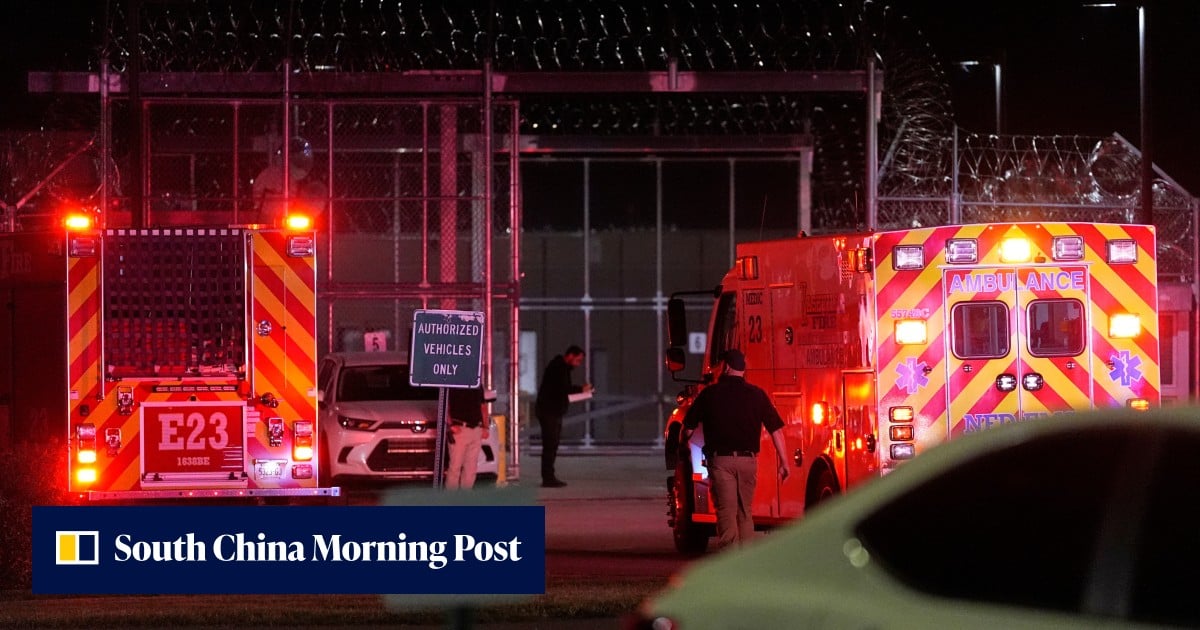
Witnesses at the Riverbend Maximum Security Institution in Nashville, Tennessee, told the media that the injection failed to stop Pike’s heart and that she could be heard snoring after the doses were administered.
uncertain
doses → tell → heart
The curtains to the death chamber were closed many times, and the witnesses could often hear only sounds.
uncertain
witnesses → close → sounds
Pike reportedly spoke a few times during the procedure.
uncertain
Pike → speak → procedure
She could be heard breathing when the witnesses were removed from the facility more than an hour into the procedure.
uncertain
witnesses → hear → procedure
After the execution failed, she was reportedly taken to a hospital for treatment.
uncertain
she → fail → treatment
What went wrong?
asserted
What → go → ?
Tennessee officials have not given any explanations for the failed execution.
asserted
officials → give → execution
Offering more details about the execution, Pike’s lawyers said that authorities were working for almost an hour to insert an IV line, and at least seven needles were used while trying to find a vein in her arm.
asserted
needles → offer → arm
Pike, according to her lawyers, even suggested trying to find a vein a little higher in her arm, and she also asked them if her arm was “supposed to feel that way” during the process.
uncertain
arm → accord → process
“Tonight the State of Tennessee once again failed to carry out a lawful execution.
asserted
State → fail → execution
We take no pleasure in being right, but the concerns raised by Pike proved to be true: difficult vein access, blown veins, degraded pentobarbital, no emergency medical care available when things inevitably go wrong, all under a protocol that remains veiled in secrecy
asserted
that → take → secrecy
,” her lawyers said in a statement.
asserted
lawyers → say → statement
Medical experts suspect that the drug may not have entered the bloodstream and may have leaked into her tissues instead.
uncertain
drug → suspect → tissues
Although Pike did not die, the drugs may have caused permanent damage, they opined.
uncertain
they → die → damage
Pike’s lawyers had earlier raised concerns that the procedure would be too painful for her due to her “small veins” and a blood disorder that made it difficult to insert needles into her veins.
asserted
it → raise → veins
What are the officials saying and what’s next?
asserted
what → say → What
Tennessee officials have stood by their actions during the execution.
asserted
officials → stand → execution
They insisted that “every step of the State’s lawful, established execution protocol approved by the Attorney General’s Office” was followed.
asserted
step → insist → Office
“The lethal injection chemical in the protocol has consistently been effective, and the protocol does not allow for additional procedures beyond what was carried out this evening,” they told The Tennessean.
asserted
they → allow → Tennessean
Terming the botched execution “deeply disturbing” and pausing all executions for the year, the Governor has announced a “third-party review” into the incident.
asserted
Governor → term → incident
Meanwhile, Pike’s lawyers have asked for a commutation of her death sentence.
asserted
lawyers → ask → sentence
She remains in critical condition in the hospital.
asserted
She → remain → hospital
Has this happened before?
asserted
this → happen → ?
This is the second execution in Tennessee in 2026 that did not go according to plan.
uncertain
that → go → plan
Earlier this year, the execution of Tony Carruthers was called off after staff had trouble finding a vein to administer the lethal injection.
asserted
staff → call → injection
He was later granted a reprieve for a year.
asserted
He → grant → year
The Death Penalty Information Center, a U.S.-based non-profit organisation working on issues concerning capital punishment, said it has documented seven people who survived failed execution attempts when staff were unable to establish IV lines.
asserted
staff → work → lines
However, Pike was the first person to survive after being injected with lethal doses of execution drugs.
asserted
Pike → survive → drugs
“This failed attempt is the worst we’ve ever seen and unlike any other botched execution in the modern era,” said Robin M. Maher, DPI Executive Director.
asserted
Maher → fail → era
 The Aporia