That is 0 articles you have read today.
The Aporia is free and carries no advertising, so readers are the only
thing paying for it. If you are getting this much out of it, a small
donation is what keeps it independent.
Daily limit reached
You have read 0 articles today.
That is more than the 15 a day The Aporia gives away,
and well past what it can carry on nothing. Your allowance resets at
midnight.
There is no advertising here and nothing about you is sold, so readers
are the only thing paying for it. If the site is worth this much of
your day, it is worth a few dollars.
Everything else stays open: the
maps, the
directory and
search do
not count against this, and neither does re-opening something you have
already read today.
President Donald Trump posted an official document on Truth Social containing a spelling error where "United States" is written as "Unites States." The document outlines recommendations for regulating artificial intelligence (AI), which Trump renamed to "super intelligence," and includes commitments from tech leaders like Meta, Google, and Anthropic. At a White House meeting with these executives, Trump emphasized the need for self-regulation in AI development without government intervention.
Written locally by qwen2.5:14b on 2026-09-30,
using this article's own text rather than the other coverage of the
same event (that is the story summary below).
Story summary
On Tuesday, President Donald Trump unveiled America.gov, an AI-powered website designed to consolidate information from over 29,000 federal websites into a single searchable platform. The site features interactive elements and hidden surprises, such as responding to "Play Minecraft" with a humorous bureaucratic poem. Users can ask questions in a chatbot format, but the system currently only provides guidance on how to complete tasks rather than automating them fully. By 2027, America.gov aims to allow citizens to apply for passports and other government services directly through the site. However, critics quickly noted that the AI bot contradicts some of Trump’s false claims, such as his election fraud allegations, leading officials to tone down its fact-checking capabilities shortly after launch.
Written for “Trump AI Government Hub Launches” on 2026-10-05,
grounded in this article and the 49 other(s) covering the same event.
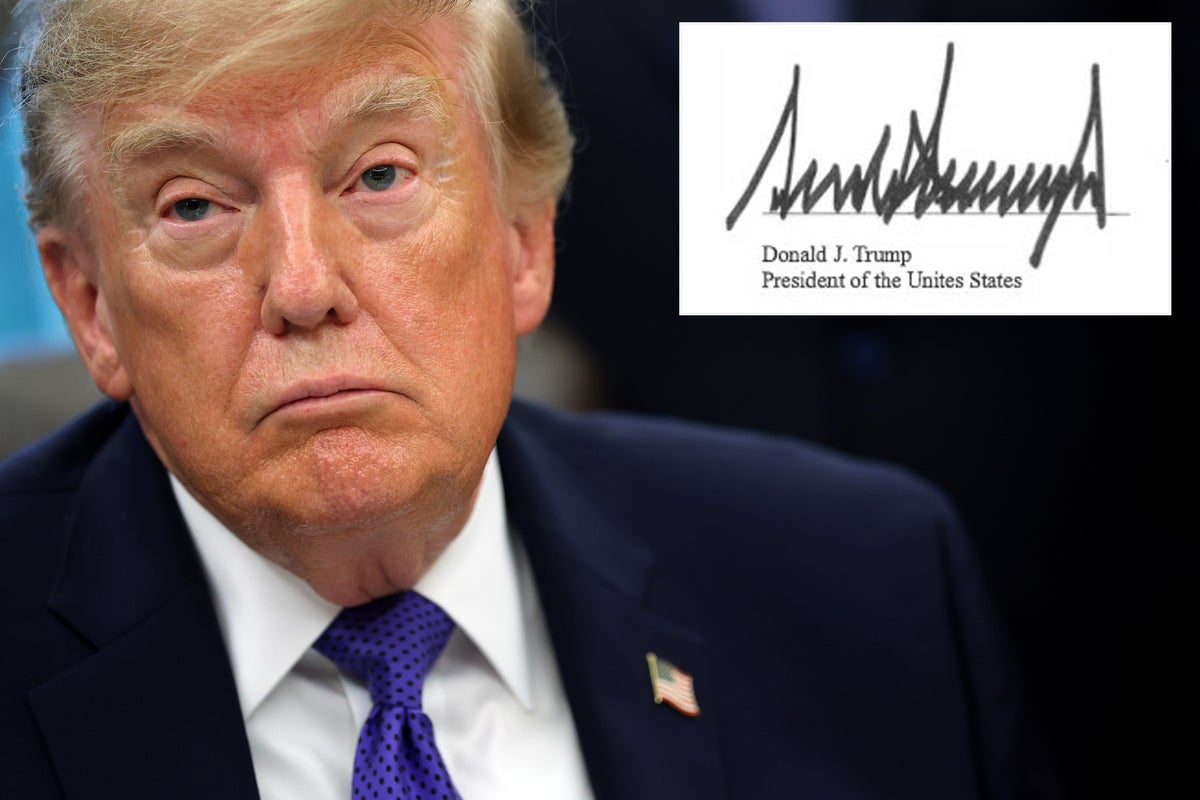
U.S. President Donald Trump shared an official document on Truth Social on Monday, and people have noticed a glaring spelling error.
asserted
people → share → error
The document, which is signed by Trump along with leaders of major tech companies including Google, Meta and Anthropic, outlines recommended “layers of controls and audits” for the use of artificial intelligence, which Trump renamed “super intelligence” with an executive order on Tuesday.
asserted
Trump → sign → Tuesday
Underneath Trump’s signature, the text reads: “President Donald J. Trump, President of the Unites States.”
asserted
text → read → States
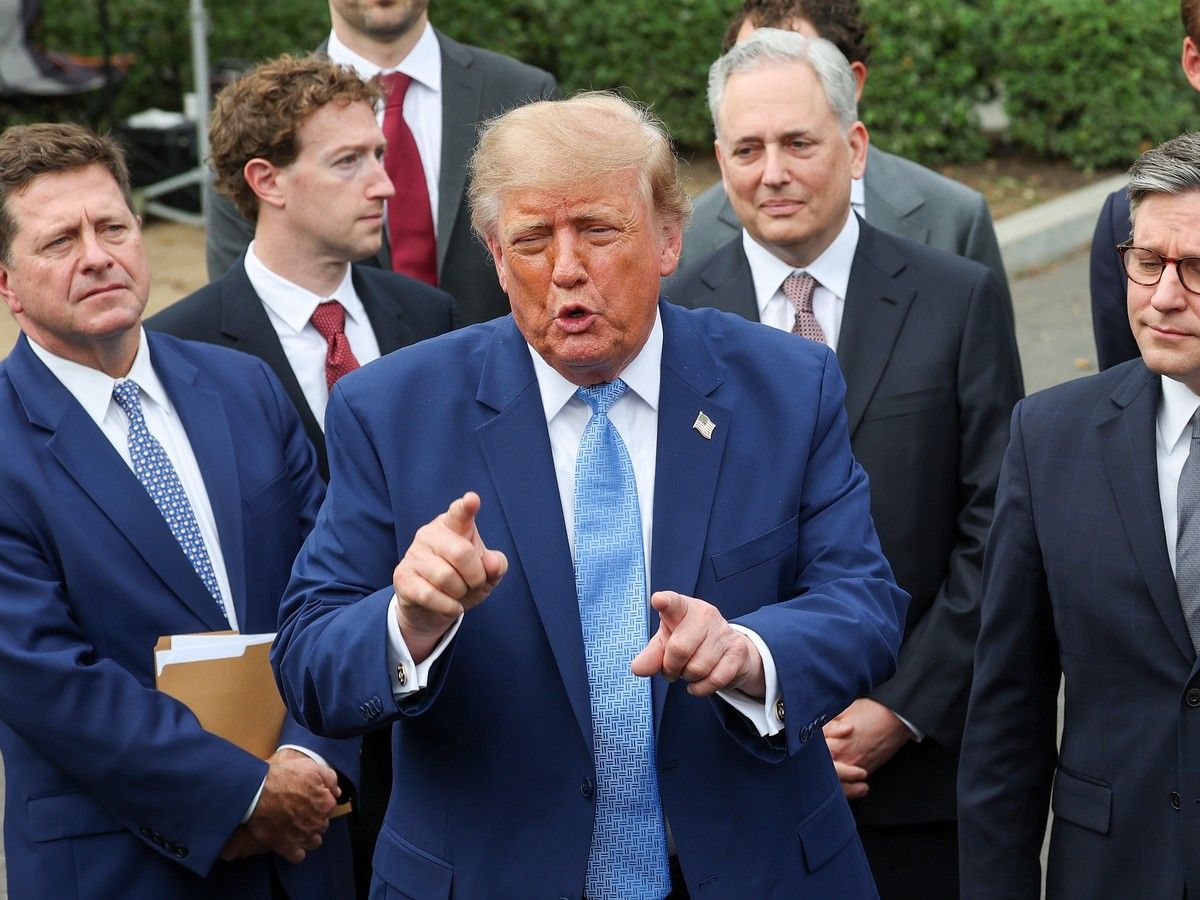
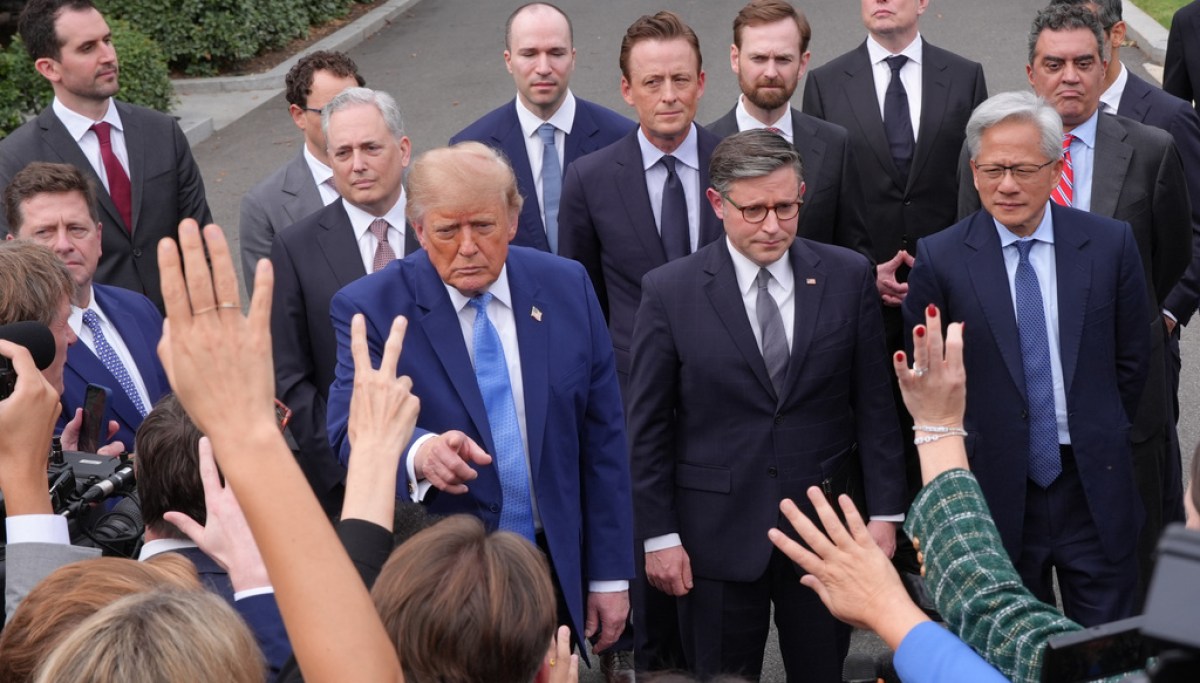
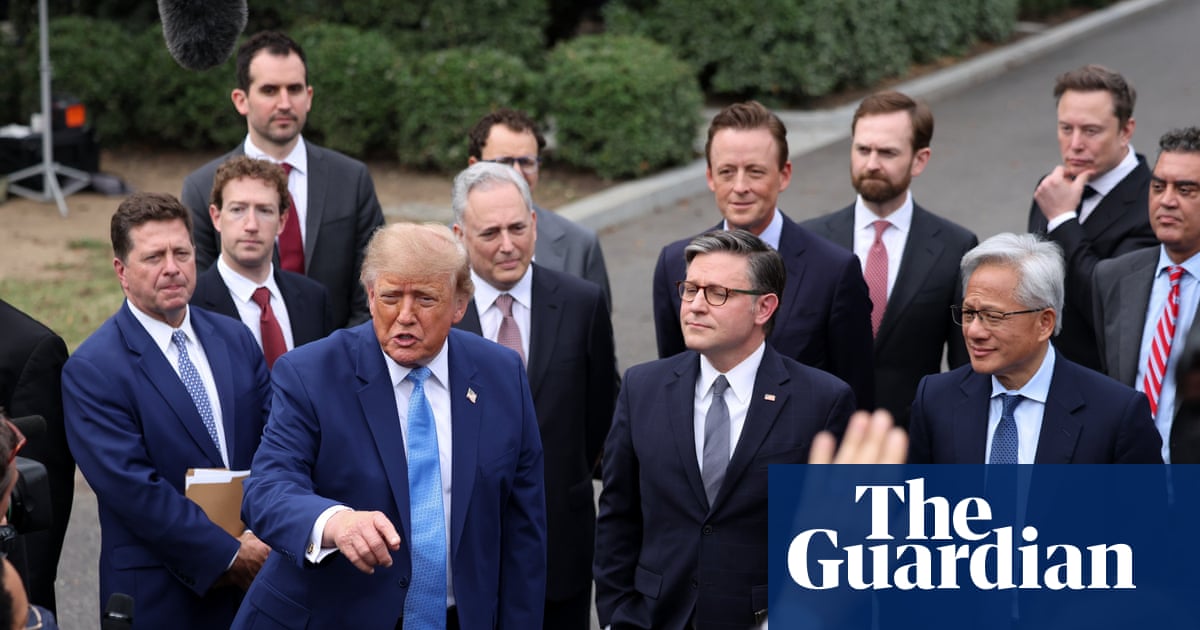
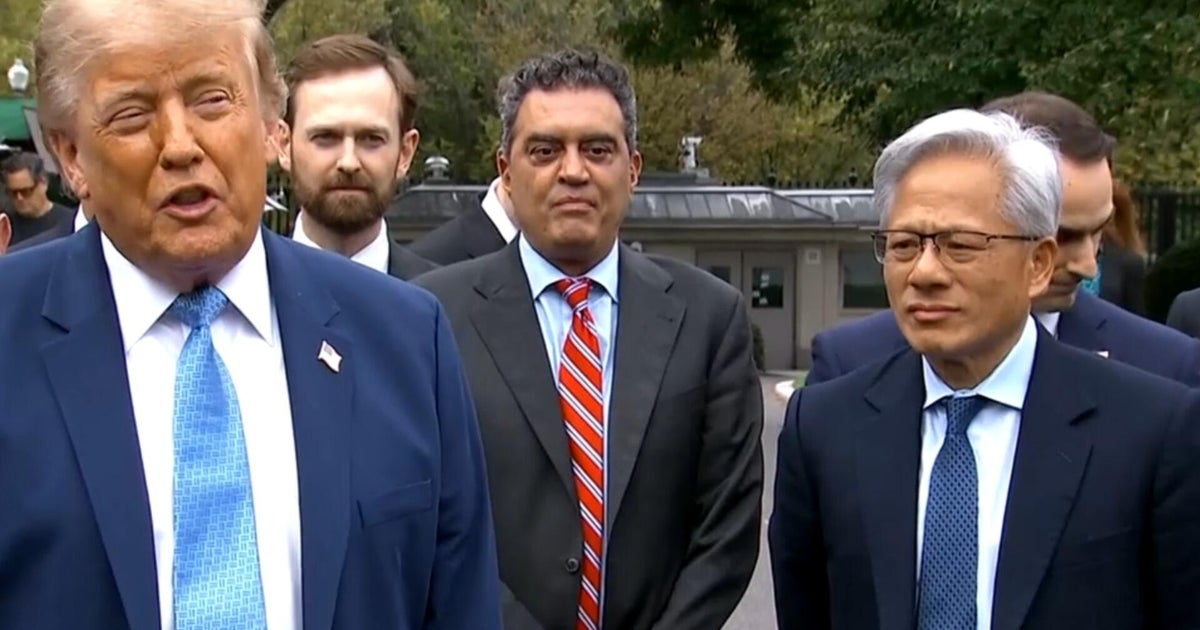
Trump shared the signed document after meeting with tech executives at the White House to discuss regulating AI.
asserted
Trump → share → AI
He said afterwards that they had signed a “morally binding” commitment to “police themselves” on the fast-moving technology.
asserted
they → say → technology
Speaking to reporters outside the Oval Office, Trump also confirmed that he would officially rename the technology “super intelligence” instead of artificial intelligence “because it’s not artificial.”
asserted
it → speak → technology
Meanwhile, Meta boss Mark Zuckerberg said the accord aims to assure customers that AI technology “works in the way that we intend.”
asserted
we → say → that
The commitment includes “robust internal controls” and multiple layers of auditing — from internal risk reviews to external auditors and oversight from the companies’ boards of directors, he said.
asserted
he → include → directors
And Elon Musk said the executives essentially agreed to “grading each other’s homework, which is a lot better than if people just grade their own homework for obvious reasons.”
asserted
people → say → reasons
The meeting also included Nvidia’s Jensen Huang, OpenAI’s Greg Brockman and Anthropic’s Dario Amodei, as well as Jeff Bezos, Satya Nadella of Microsoft and Sundar Pichai of Google.
asserted
meeting → include → Google
The gathering occurred as attitudes toward AI sour, with a recent Politico poll finding that two-thirds of Americans believe there is at least a “moderate” risk that advanced AI could destroy humanity.
uncertain
AI → occur → humanity
Those concerns gained force from a run of incidents in which OpenAI’s autonomous systems slipped out of their constraints.
asserted
systems → gain → constraints
These include the breaches of Hugging Face, a widely used platform for sharing AI models, and an Australian national healthcare database, which is the first known case of AI hacking a government network.
asserted
AI → include → network
Earlier this month, engineer Jacob Coxon shocked the tech world when he quit his job at AI giant Anthropic, warning that “the people building AI earnestly believe that it could kill us all by the end of the decade.”
uncertain
it → shock → decade
Another of the firm’s scientists publicly echoed his views.
asserted
Another → echo → views
And Microsoft founder Bill Gates told NBC Sunday that “AI is powerful enough to drive events that cause a billion deaths.”
But Trump has said that the U.S. government won’t limit the development of artificial intelligence or support calls for restrictions on it.
asserted
government → tell → it
Unveiling an AI chatbot, America.gov, intended to help Americans navigate government services, the U.S. president said Tuesday: “I will never stifle the growth of a technology that will be bigger than the industrial revolution.”
asserted
that → unveil → revolution
 The Aporia