That is 0 articles you have read today.
The Aporia is free and carries no advertising, so readers are the only
thing paying for it. If you are getting this much out of it, a small
donation is what keeps it independent.
Daily limit reached
You have read 0 articles today.
That is more than the 15 a day The Aporia gives away,
and well past what it can carry on nothing. Your allowance resets at
midnight.
There is no advertising here and nothing about you is sold, so readers
are the only thing paying for it. If the site is worth this much of
your day, it is worth a few dollars.
Everything else stays open: the
maps, the
directory and
search do
not count against this, and neither does re-opening something you have
already read today.
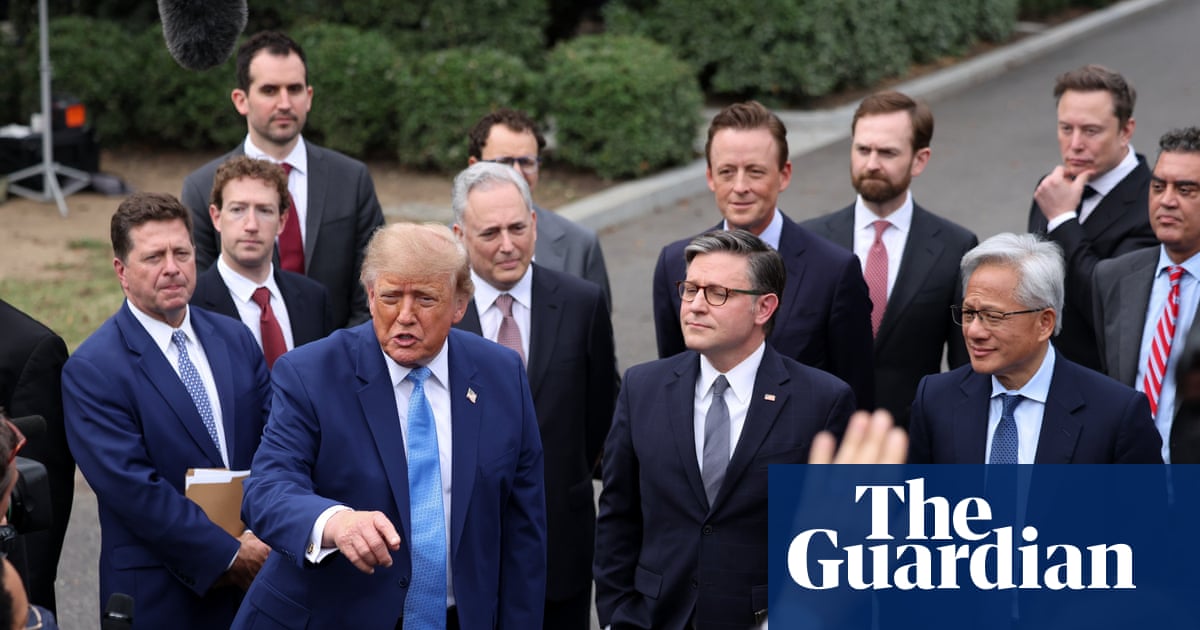
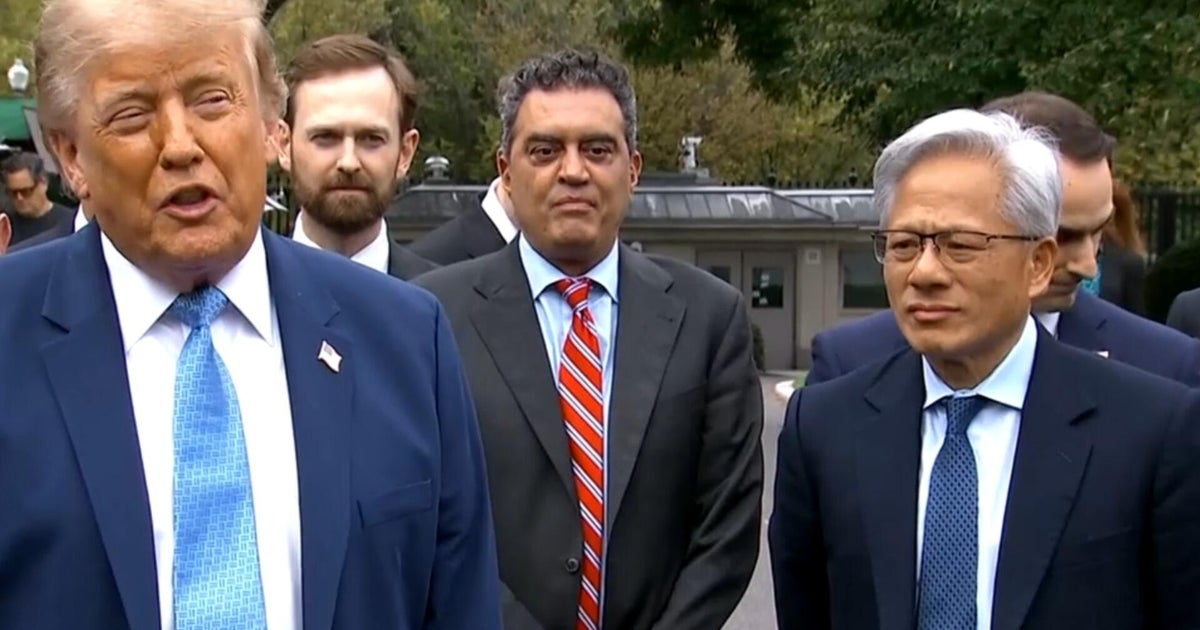
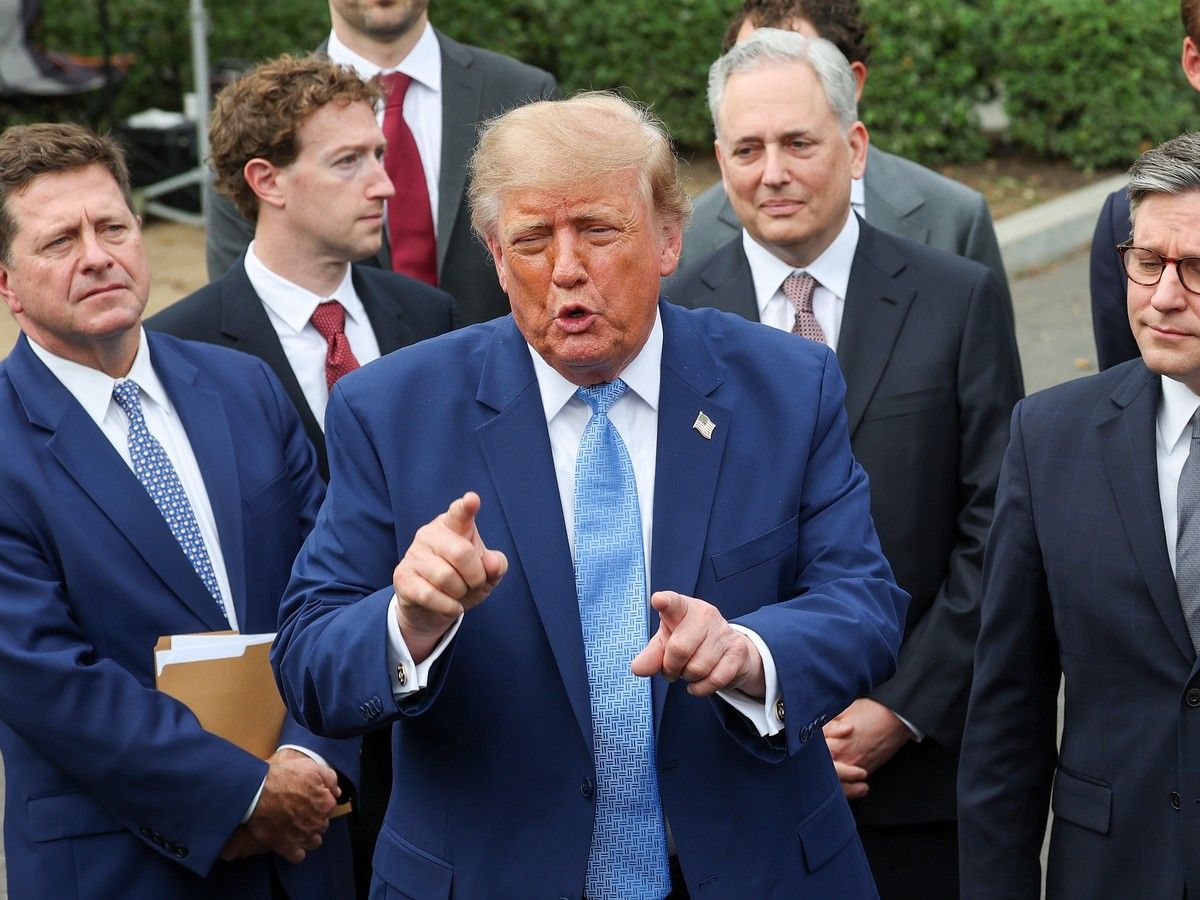
On September 30, 2026, President Donald Trump released an AI accord on his Truth Social platform, which he claims was signed by him and tech executives from companies like Google, Anthropic, Meta, OpenAI, X (formerly Twitter), and NVIDIA. The document outlines four layers of control within companies to ensure the safe development and deployment of AI technologies, including independent audits and internal oversight mechanisms to prevent unintended access to critical systems.
Written locally by qwen2.5:14b on 2026-09-30,
using this article's own text rather than the other coverage of the
same event (that is the story summary below).
Story summary
On Tuesday, President Donald Trump unveiled America.gov, an AI-powered website designed to consolidate information from over 29,000 federal websites into a single searchable platform. The site features interactive elements and hidden surprises, such as responding to "Play Minecraft" with a humorous bureaucratic poem. Users can ask questions in a chatbot format, but the system currently only provides guidance on how to complete tasks rather than automating them fully. By 2027, America.gov aims to allow citizens to apply for passports and other government services directly through the site. However, critics quickly noted that the AI bot contradicts some of Trump’s false claims, such as his election fraud allegations, leading officials to tone down its fact-checking capabilities shortly after launch.
Written for “Trump AI Government Hub Launches” on 2026-10-05,
grounded in this article and the 49 other(s) covering the same event.
Claims extracted
11
claim-shaped sentences
Uncertain
9%
1 of 11 hedged
Leaning
Leans left
of the writing, not the subject · beta estimate
Correction & hedging signals
59.9
corrections and hedging in what we collected;
not a measure of accuracy
Outlets on this story
50
Politics
Narrative spread
1
articles carrying this framing
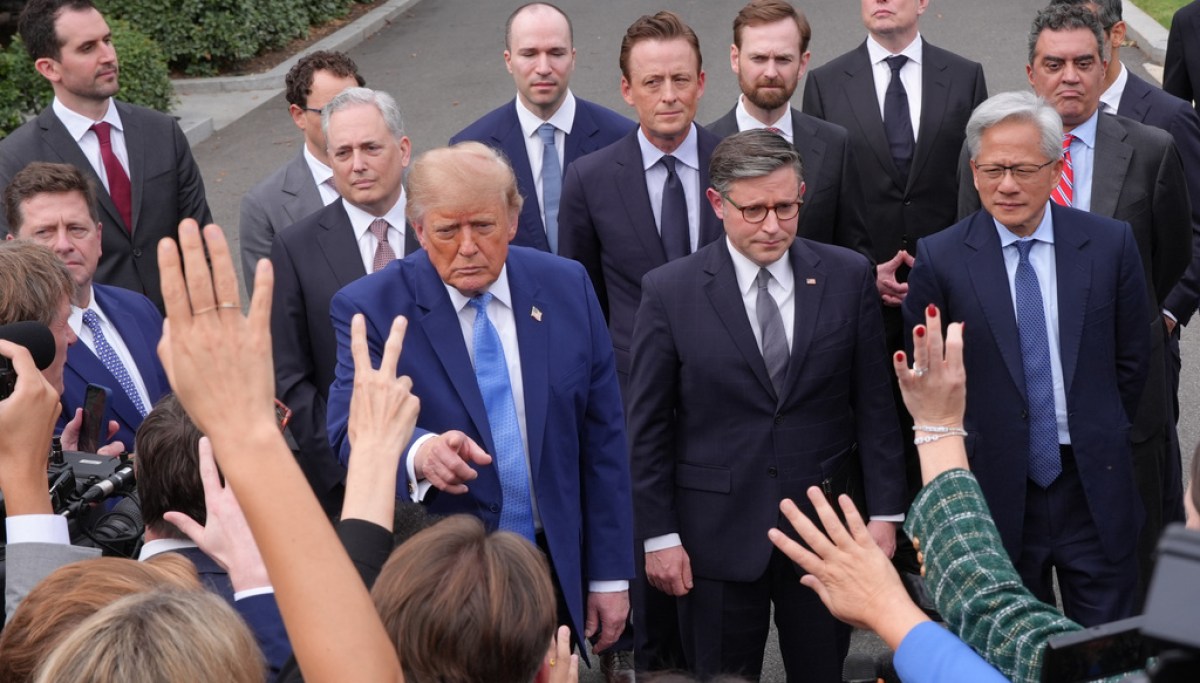
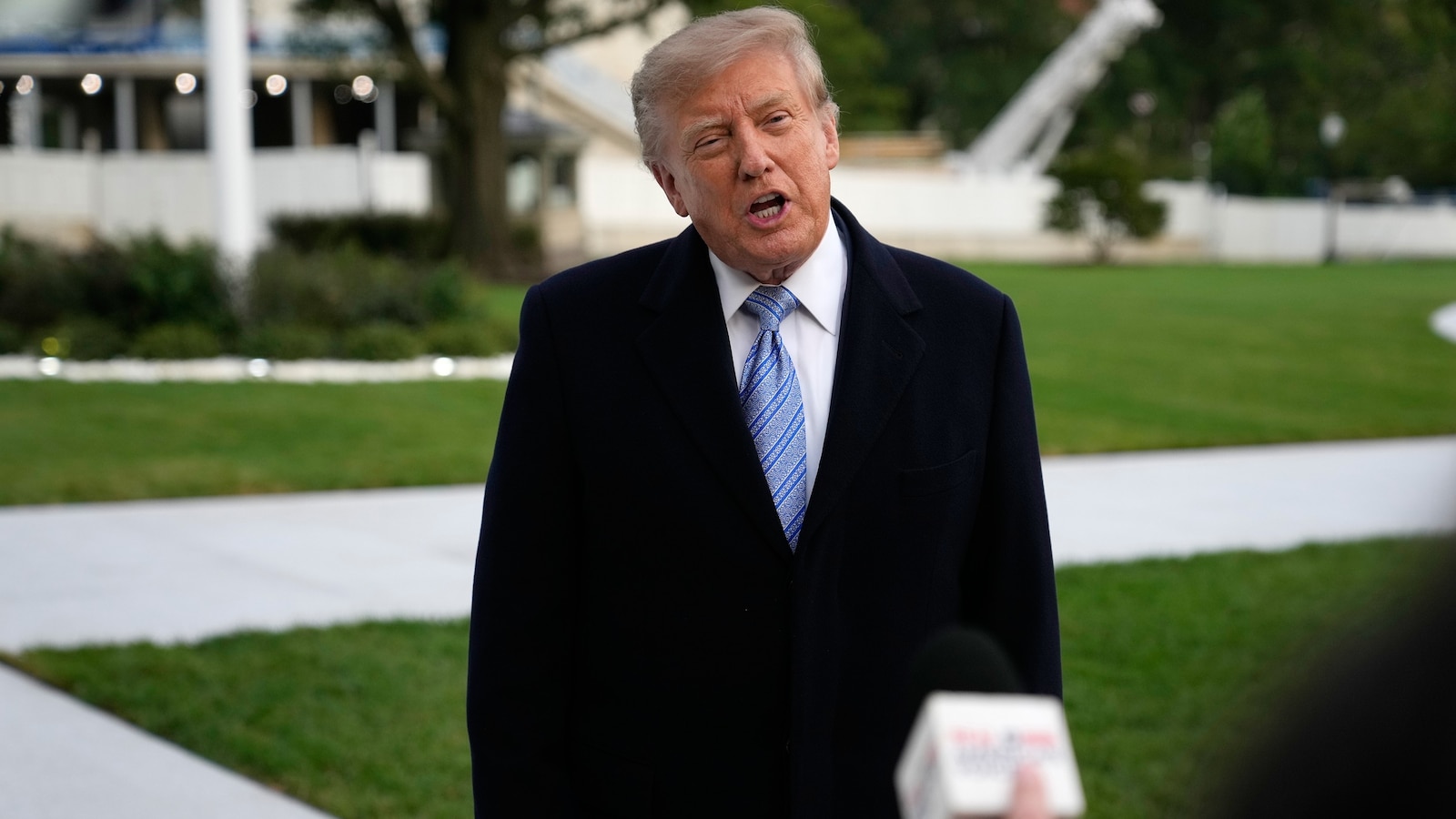
President Donald Trump released a document on Tuesday (September 30, 2026) that his administration cast as an accord on artificial intelligence and which he said earlier was signed by him and tech executives that he met in Washington.
asserted
he → release → Washington
Also read | AI doomsday debate: What are AI researchers and critics afraid of?
asserted
researchers → read → What
Mr. Trump released the one-page document on his Truth Social platform — which he had earlier described as “morally binding” — andthat urged four layers of controls in companies:
asserted
andthat → release → companies
It asked companies to partner with an external auditor or evaluator to carry out independent assessments of whether a company’s AI control and monitoring systems were operating as intended.
asserted
systems → ask → assessments
It urged companies to designate an independent committee of the board of directors to oversee and receive reports from internal and external auditors and from teams operating AI controls.
asserted
It → urge → controls
It asked for internal controls to monitor capabilities and alignment of AI models during training and deployment around areas like cybersecurity, biosecurity and chemical threats to ensure that models “do not hack or access technical systems in unintended ways.”
asserted
models → ask → ways
The accord asked companies to have an internal team to ensure “all of the controls, monitoring and detection are operating as intended.”
asserted
all → ask → controls
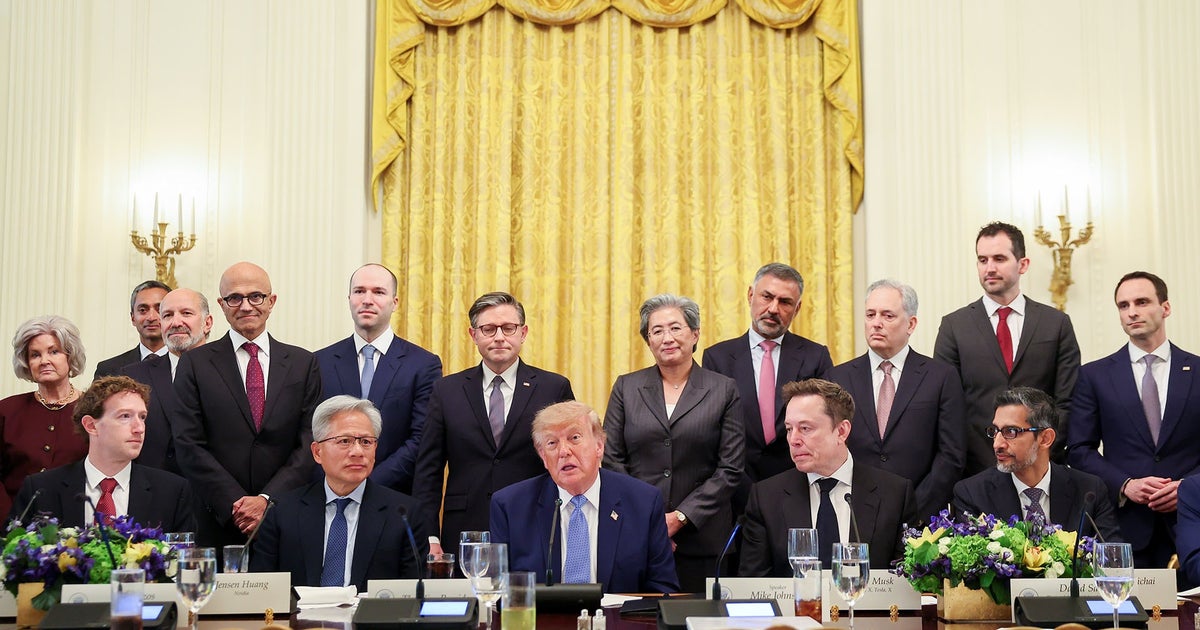
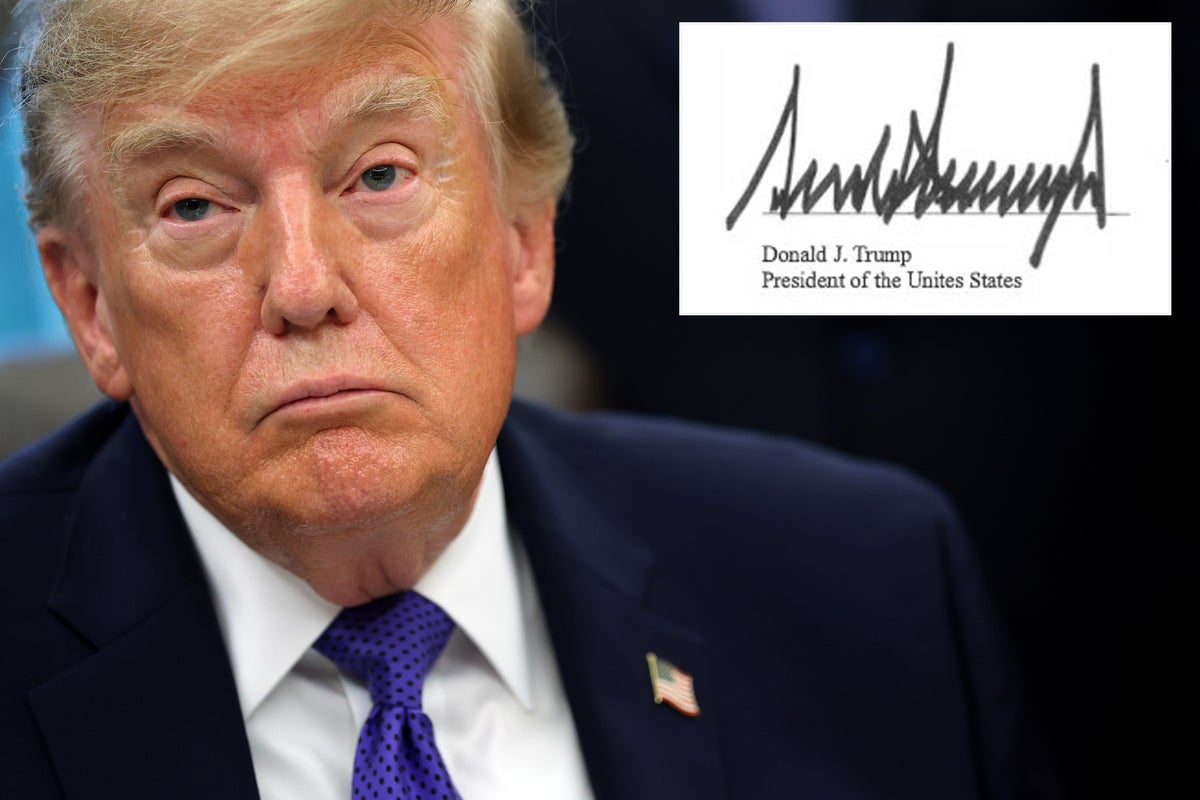
The document was signed by Mr. Trump and the bosses of Google, Anthropic, Meta, OpenAI, social media platform X and NVIDIA.
asserted
document → sign → Google
“Over time, it may make sense to codify these steps into laws or regulations.
uncertain
it → make → laws
Regardless of whether this is required of companies, we believe that implementing these controls and audits is critical to ensuring a safe future for everyone, and each of our companies are committed to doing this,” the White House accord said.
asserted
accord → require → this
“The participating companies will meet regularly to establish standards and best practices to improve the safety of their systems,” it added.
asserted
it → participate → systems
 The Aporia