That is 0 articles you have read today.
The Aporia is free and carries no advertising, so readers are the only
thing paying for it. If you are getting this much out of it, a small
donation is what keeps it independent.
Daily limit reached
You have read 0 articles today.
That is more than the 15 a day The Aporia gives away,
and well past what it can carry on nothing. Your allowance resets at
midnight.
There is no advertising here and nothing about you is sold, so readers
are the only thing paying for it. If the site is worth this much of
your day, it is worth a few dollars.
Everything else stays open: the
maps, the
directory and
search do
not count against this, and neither does re-opening something you have
already read today.
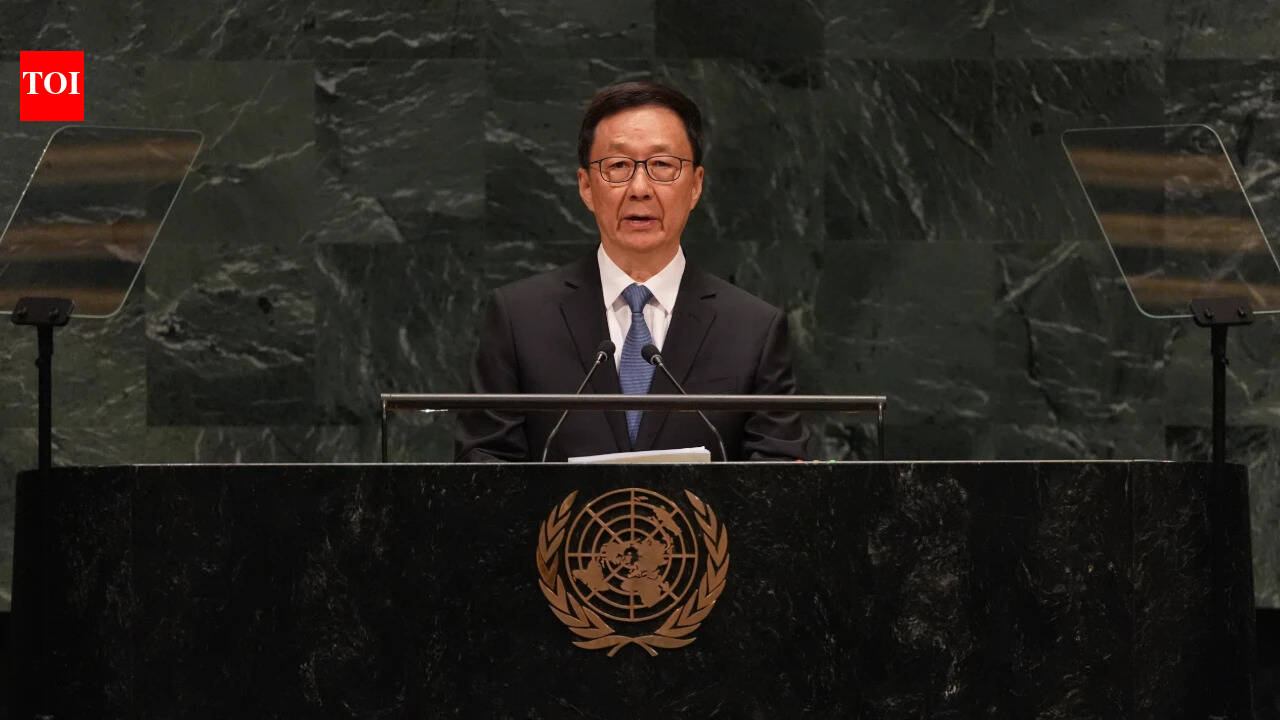
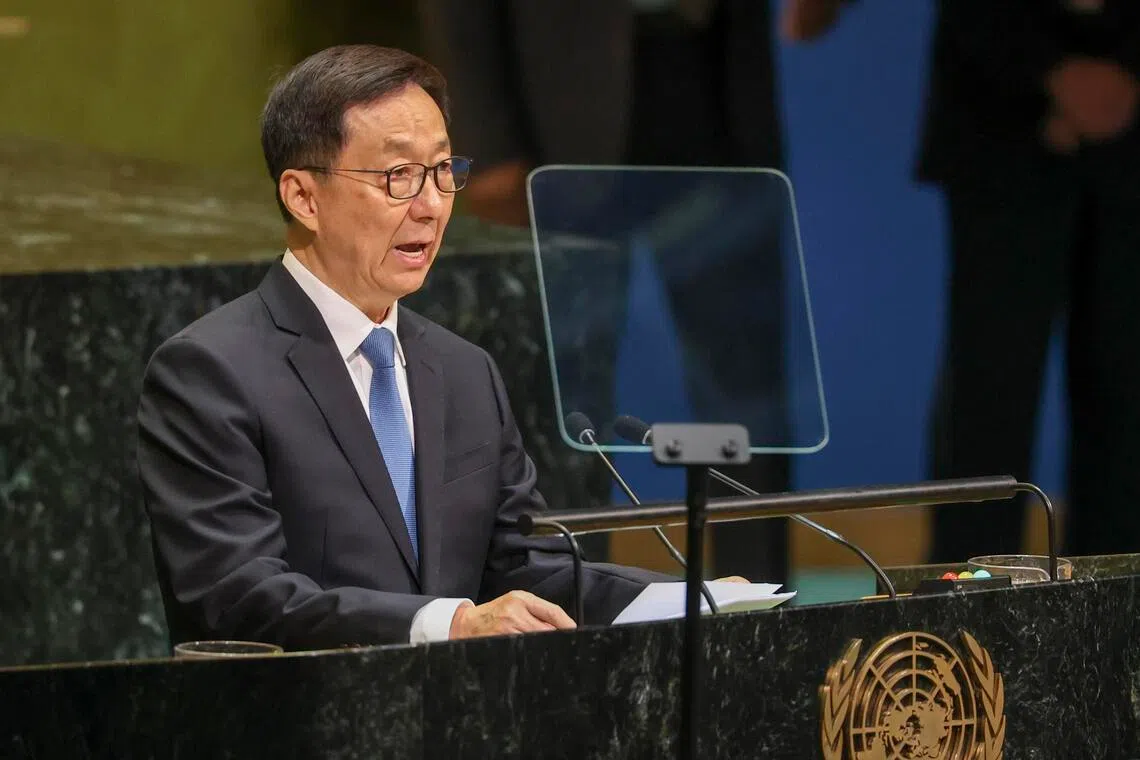
During his speech at the UN General Assembly, Chinese Vice President Han Zheng urged the United States to respect the sovereignty of Iran and Cuba without naming the US directly. He criticized American actions in the Middle East while advocating for an end to threats against Cuba and the lifting of sanctions on the island nation. This came after recent tensions over reports that China was supplying arms and helping Iran evade oil sanctions, reflecting a shift from earlier positive interactions between China and the United States under President Trump's administration.
Written locally by qwen2.5:14b on 2026-09-26,
using this article's own text rather than the other coverage of the
same event (that is the story summary below).
Story summary
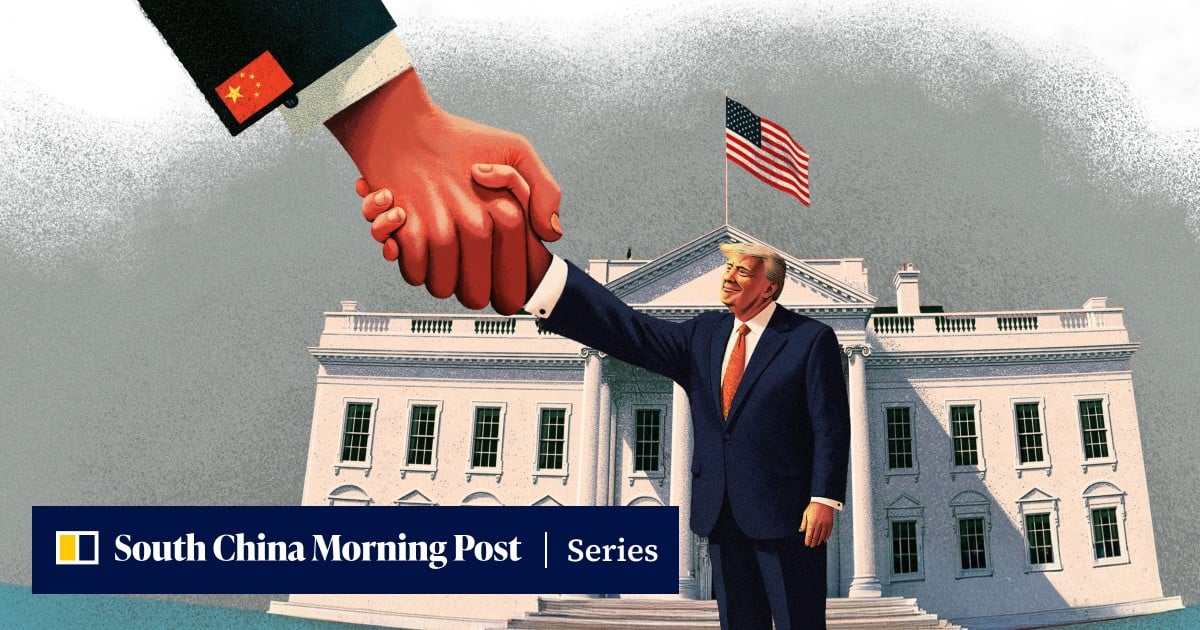
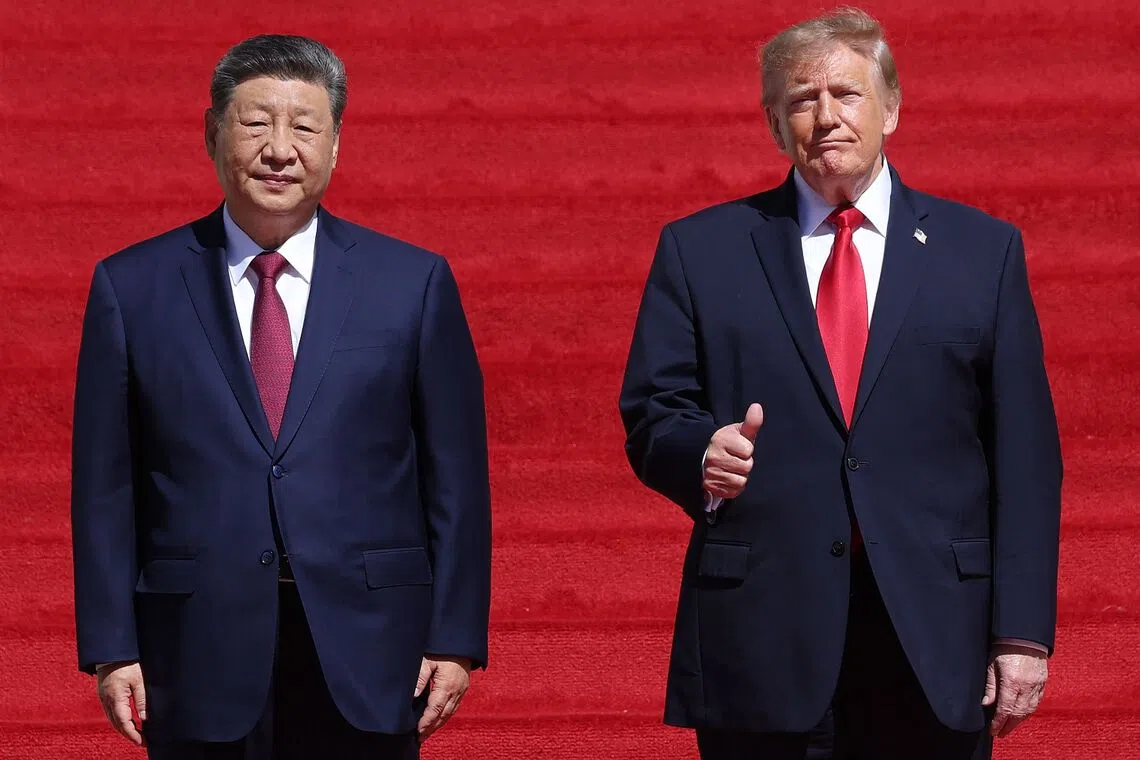
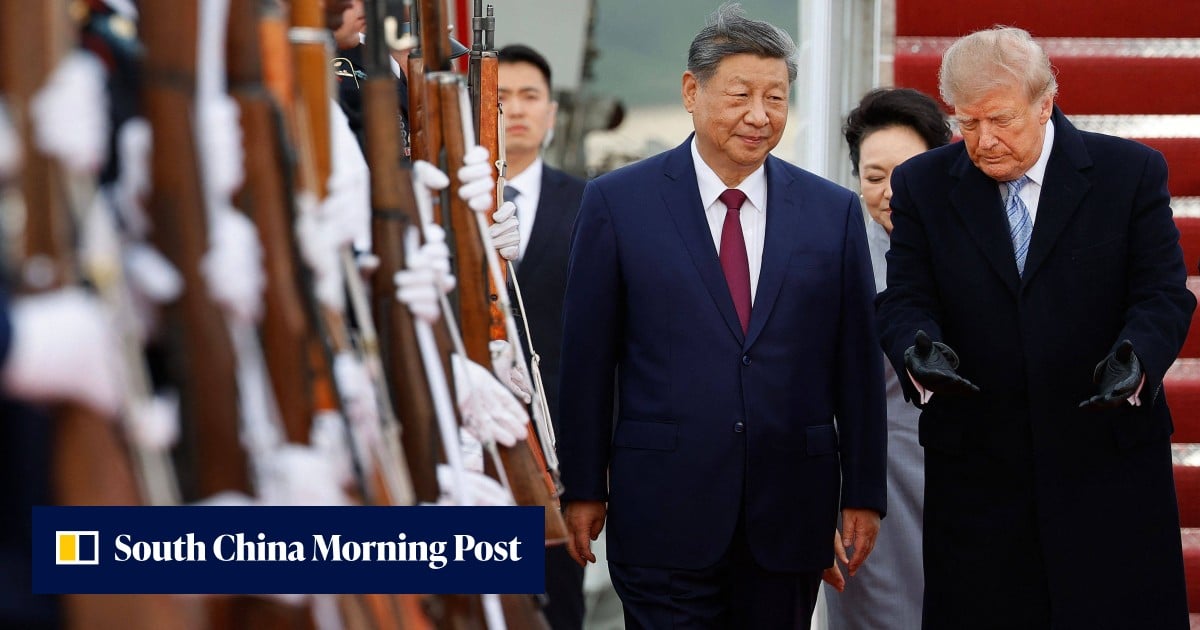
On September 26, 2026, during the United Nations General Assembly, Chinese Vice-President Han Zheng criticized unnamed countries, implicitly referring to the U.S., for undermining sovereignty in the Middle East and threatening Cuba. He urged these nations to respect the security of Gulf countries and lift the blockade on Cuba, which has severely restricted oil imports there. This came a day after President Trump met with Chinese leader Xi Jinping at the White House in what was described as a friendly meeting featuring military flyovers and a lavish state dinner.
The sharp contrast between this diplomatic rhetoric and the previous warm interactions highlighted growing tensions over issues like Iran and Cuba, despite assurances from China to the U.S. that it would not support Iran following Trump's warnings during earlier talks. Zheng’s speech emphasized adherence to international rules and respect for sovereignty without directly naming the United States or other specific countries involved in these conflicts.
Written for “China Pushes Back Against Us In Un Sp…” on 2026-10-05,
grounded in this article and the 5 other(s) covering the same event.
Chinese Vice President Han Zheng indirectly asked the United States to respect the sovereignty of Iran and Cuba during his speech at the UN General Assembly on Saturday.
asserted
Zheng → ask → Saturday
"Major countries should have special responsibilities for safeguarding international peace and security, and they should take the lead in complying with the rules, upholding rule of law, and doing what's right," Han said.
asserted
Han → have → law
Zheng did not call out the US by its name, but mentioned it as the "relevant country".
asserted
Zheng → call → country
Ally in the Gulf
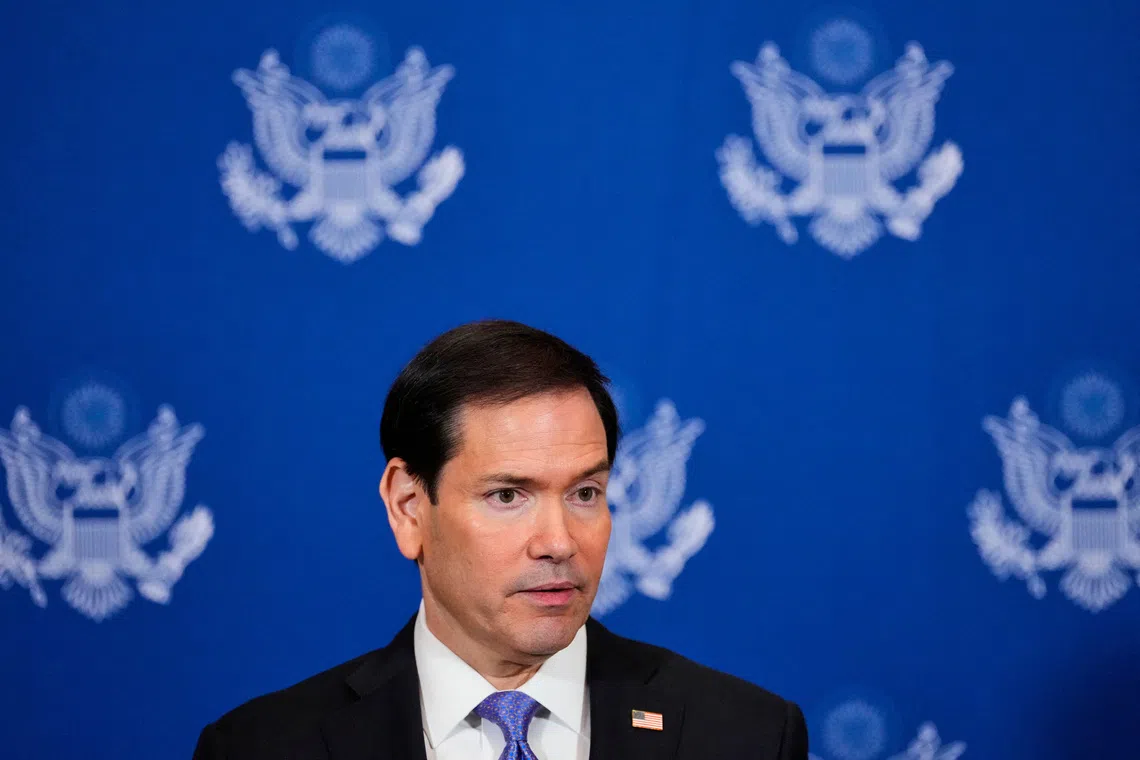
Earlier, Trump had warned Xi against providing support to the Iranians amid reports of Beijing supplying shoulder-mounted air-defence missile launchers, and helping Iran evade sanctions on its oil sales.
asserted
Iran → warn → sales
On Friday, the US ambassador to China reported that Trump was reassured by the Chinese that they wouldn't indulge in pro-China activities.
asserted
they → report → activities
However, Zheng criticised American actions in the Middle East, displaying a sharp contrast from the earlier warm-toned talks between China and the US.
asserted
Zheng → criticise → China
"China holds that the sovereignty and security of countries in the Middle East, including the Gulf, should be respected", he said.
asserted
he → hold → Gulf
A fellow communist
Zheng also turned his attention to Cuba, a fellow communist state, calling on the US to end its pressure campaign against the island nation.
asserted
Zheng → turn → nation
"China urges the relevant country to immediately stop using threat of force against Cuba and immediately and completely lift the blockade and sanctions against Cuba," he said.
asserted
he → urge → Cuba
His remarks came weeks after Cuba's electrical grid suffered a complete collapse, plunging the country into darkness and leaving millions without electricity amid the ongoing US blockade.
asserted
grid → come → blockade
On Tuesday, Trump called Cuba a ‘failed state’ prompting the Cuban delegation to walk out during his speech at UNGA.
“Freedom will come to Cuba,” Trump said.
asserted
Trump → call → Cuba
The US President had also announced that his administration is seeking a “fundamental change” in the situation in the country.
asserted
administration → announce → country
Zheng used the address to present China as a dependable partner on the world stage and a firm defender of developing nations.
asserted
Zheng → use → nations
"China holds that all countries, big or small, are equal members of the international community, and that world affairs should be handled by all through consultation," he said.
asserted
he → hold → consultation
 The Aporia