One year ago today, the auto industry bid farewell to a hefty federal tax credit that helped bring down the cost of electric vehicles.
asserted
that → bid → vehicles
Congress had voted to kill it as part of 2025's One Big Beautiful Bill Act — and car buyers rushed to take advantage of the credit before it ended on September 30, 2025.
asserted
it → vote → September
So, how have EV sales fared since?
asserted
sales → fare → ?
Ask around, and you get two answers.
asserted
you → ask → answers
One is that EV sales are down, according to data from car analytics companies like Cox Automotive and Edmunds.
uncertain
sales → accord → Automotive
When the Inflation Reduction Act took effect in August 2022, expanding the credit to more buyers, EVs made up about 5% of new car sales.
asserted
EVs → take → sales
Over the following three years, EV sales grew, ticking past 6, then 7, then 8%.
asserted
sales → follow → %
They swelled to 11.4% in September 2025, as people rushed to take advantage of the tax credit's final days, according to data from Edmunds.
uncertain
people → swell → Edmunds
Data from Cox Automotive shows a similar bounce.
asserted
Data → show → bounce
EV sales peaked around September — then dropped in the following two quarters once the credit expired.
asserted
credit → peak → quarters
Compared to the year before, in late 2025, they fell 36%.
asserted
they → compare → 2025
EVs have steadily accounted for somewhere between 5 and 6% of all new car sales throughout 2026, according to Edmunds.
uncertain
EVs → account → Edmunds
Cox Automotive reports similar figures.
asserted
Automotive → report → figures
This trajectory is " clearly nothing like what it was previously, but it has not fallen off of a cliff, which is what some people's predictions would've been," said Ivan Drury, director of insights at Edmunds.
asserted
Drury → fall → Edmunds
But ask Sal Iqbal how EV sales have fared over the last year, and you'll get another answer — and this one is more surprising.
asserted
one → ask → answer
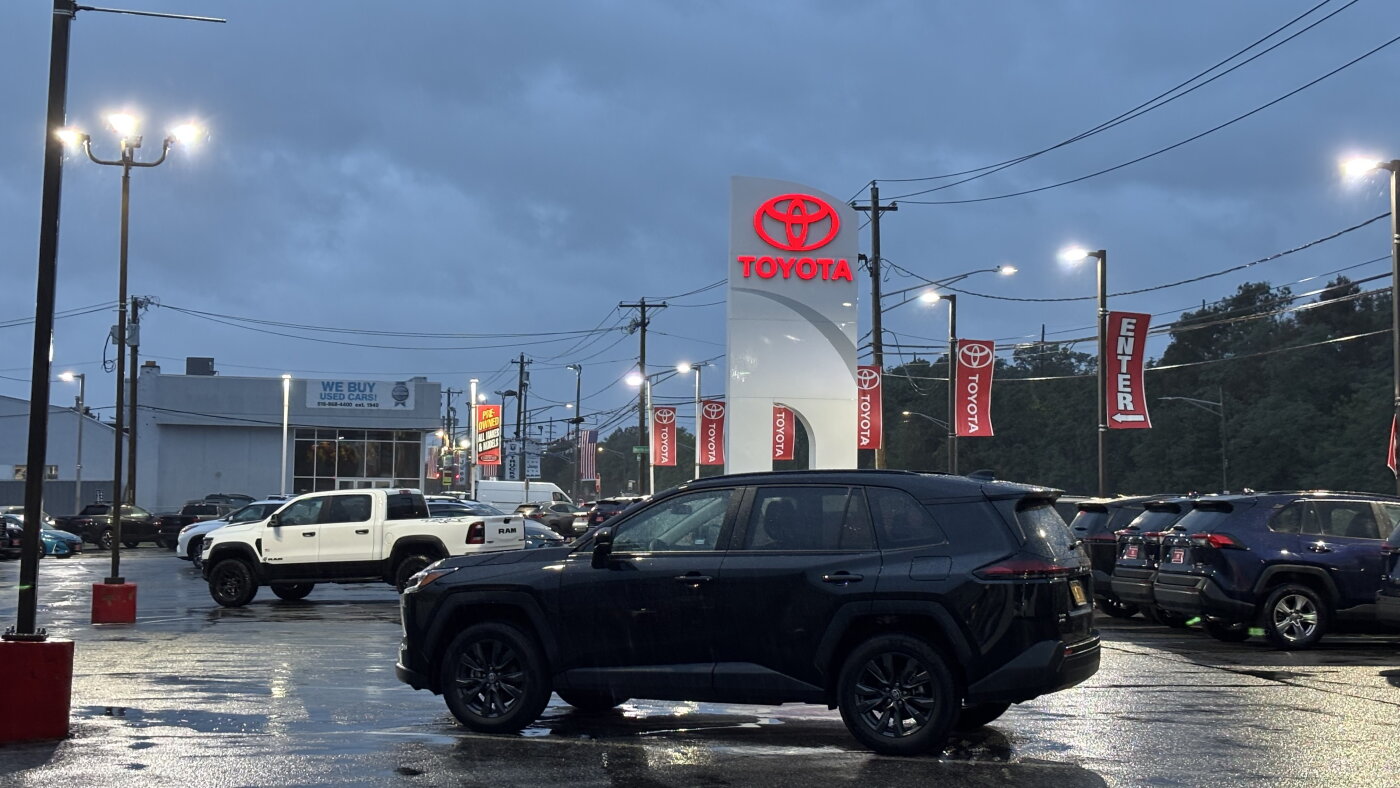
He's the general sales manager of the Toyota franchise in Massapequa, New York, where he's worked for nearly 10 years.
asserted
he → work → years
And this year he noticed: Hybrid sales are way up.
asserted
sales → notice → ?
"We used to have Siennas sit on the lot before," Iqbal said, referring to the Toyota model which, like other hybrids, uses a gas engine and battery-powered electric motor.
asserted
which → use → engine
We used to have to literally beg people to take a Sienna, and now we can't keep them on the shelf.
asserted
we → use → shelf
People are lining up for Siennas."
Drury concurs: Siennas are a whole thing.
asserted
Siennas → line → Siennas
Years ago, he said, minivans like these were considered undesirable, "and now it's like, 'Oh, if I could get my hands on a sweet Sienna, I'd do anything.'"
uncertain
I → say → anything
The same thing, he said, is happening with Toyota's RAV4, a small hybrid SUV.
asserted
he → say → RAV4
And nationally, American car buyers are really gravitating towards hybrids.
asserted
buyers → gravitate → hybrids
Sales are up almost 27% in the past year, according to data from Edmunds.
uncertain
Sales → accord → Edmunds
Is it because the federal EV tax credit went away?
asserted
credit → go → ?
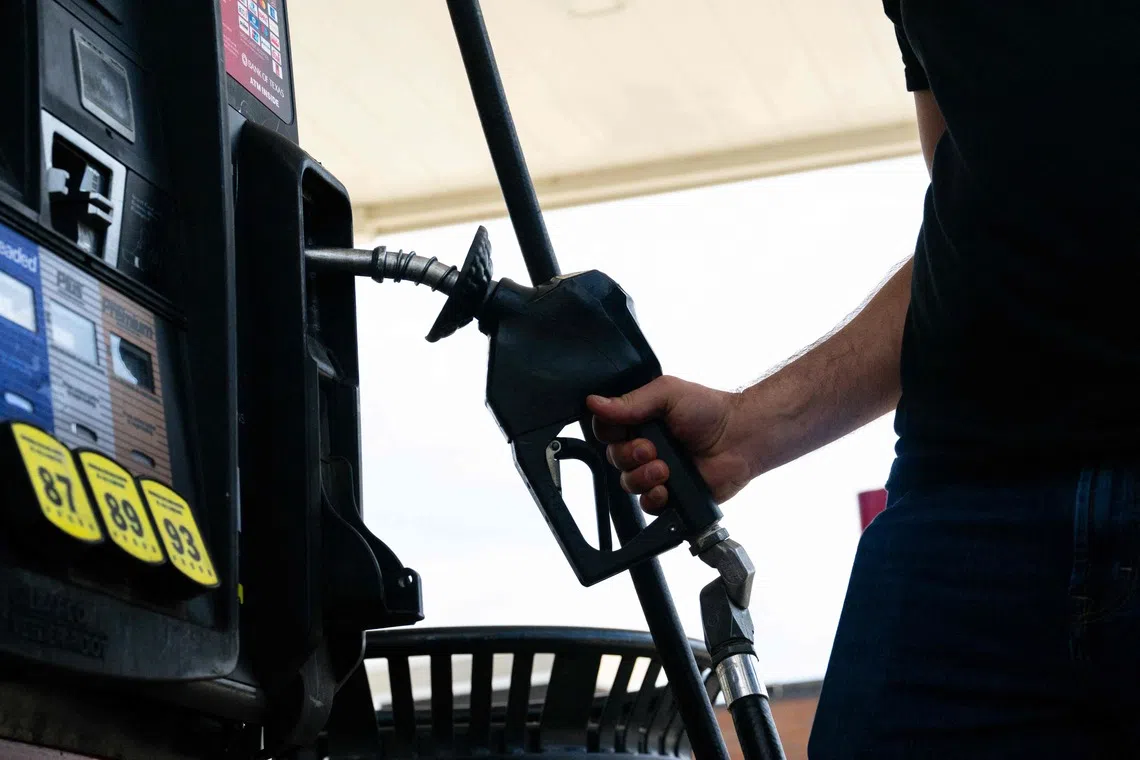
Is it because gasoline prices are still hovering around $4.50 per gallon nationally?
asserted
prices → hover → gallon
Data from Edmunds shows hybrid sales jumped up in March, shortly after the U.S. began its war in Iran — a geopolitical shift that was not on analysts' radars when they made their forecasts for 2026.
asserted
they → show → 2026
" Hybrids are having their moment, are continuing to have their moment," said Stephanie Valdez Streaty, director of industry insights at Cox Automotive and who studies the transition to EVs.
asserted
who → have → EVs
Drury put it this way: " The downfall of the EV has highlighted how good the hybrid is.
asserted
hybrid → put → EV
How the federal tax credit worked
The EV tax credit was created by Congress in 2008, but it received a big boost from 2022's Inflation Reduction Act, which restructured how the credit could be used and adjusted some of the rules for which cars could qualify.
uncertain
cars → work → which
It also added a credit for purchasing used cars, an expansion designed to extend benefits to low-and-middle-income buyers.
asserted
It → add → buyers
In the credits' most recent form, people who bought or leased a new electric vehicle could earn a federal tax credit worth up to $7,500, which could be stacked on top of state incentives.
uncertain
which → buy → incentives
The credit for used vehicles was up to $4,000 on qualifying vehicles.
asserted
credit → use → vehicles
For people buying new cars to qualify, they needed to purchase EVs that were made in, and contained a certain percentage of parts from, North America.
asserted
that → buy → America
That was a good deal, but it was an even better deal for people leasing EVs.
asserted
it → lease → EVs
They could use that credit toward any EV car — without limits on price, where the vehicle was made, or their income.
uncertain
vehicle → use → price
"The program was so good, it almost made no sense to buy the car," Iqbal said.
asserted
Iqbal → make → car
Either way, the credit helped juice interest in EVs, and overcome some of the reservations drivers have about them.
asserted
drivers → juice → them
EVs generally have a higher sticker price than gas-powered cars; the average EV transaction price was over $54,000 in August, compared to an average of just under $50,000 for gas-powered vehicles, according to Cox Automotive.
uncertain
price → have → Automotive
Drivers have long worried about limited range, or a lack of charging points, or the expense of replacing an enormous lithium-ion battery that can cost thousands of dollars.
asserted
that → worry → dollars
…and 64 more, not listed.
 The Aporia