The Guardian
· collected 2026-09-25 · by Rowena Mason and Heather Stewart
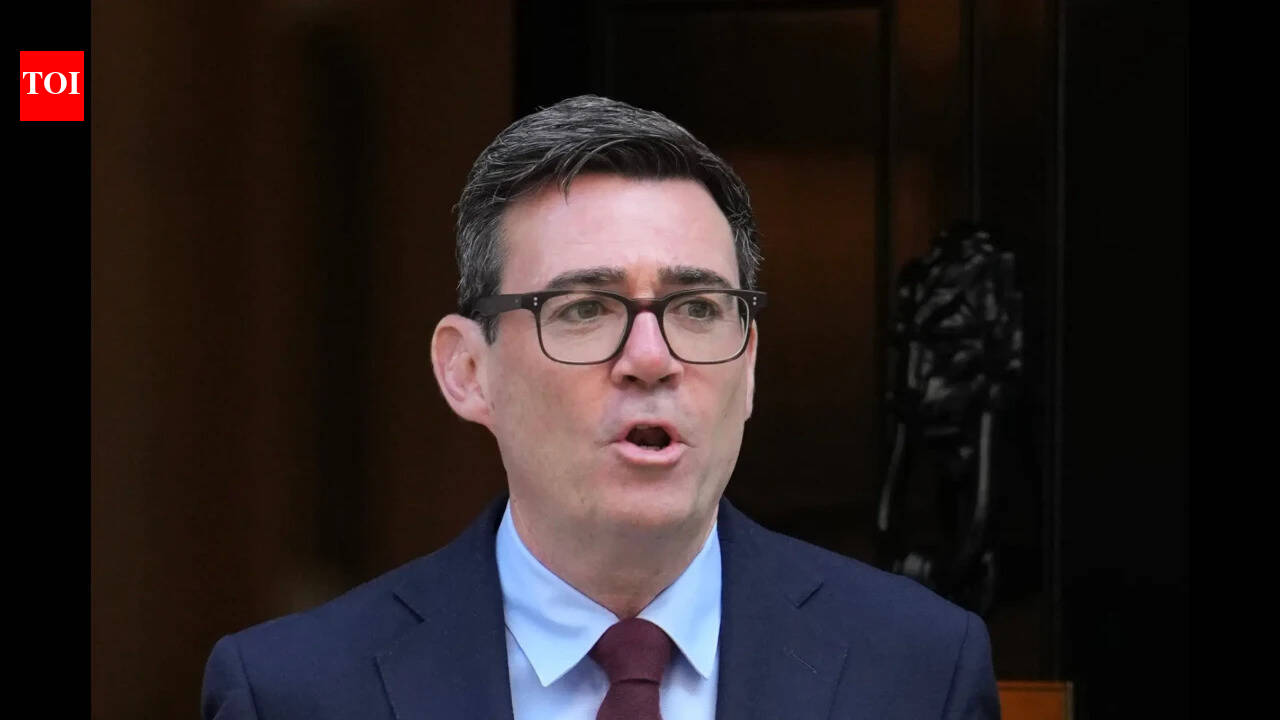
Andy Burnham, the UK Prime Minister, stated that there will not be a snap general election before 2029 despite recent speculation fueled by Labour's improved polling numbers. During interviews with regional media on Friday, Burnham dismissed calls for an early election and emphasized his commitment to governing rather than engaging in political maneuvering. The article highlights increased preparation by all parties for potential campaigning but notes that Burnham remains focused on policy implementation, particularly a new water industry model aiming for greater public control.
Written locally by qwen2.5:14b on 2026-09-25,
using this article's own text rather than the other coverage of the
same event (that is the story summary below).
Andy Burnham has said he will not call a snap general election before 2029, after days of speculation that Labour’s revival in the polls could tempt him to call an early contest.
uncertain
revival → say → contest
The prime minister was repeatedly questioned on the prospect during a round of broadcast interviews to regional media on Friday.
asserted
minister → question → Friday
He initially said he was “not particularly” tempted by the idea of an early election, but later became firmer, saying he would “knock that dead” and he is “not going to do that” because he is focused on getting on with the job.
asserted
he → say → job
Asked by ITV Calendar whether the next election would be in 2029, Burnham said: “Well, yes, that’s when the next election will be.
asserted
election → ask → 2029
All of this speculation on an early election, I can knock that dead.
asserted
I → knock → that
“You know, people want me, new in office, to be getting on with the job of delivering on the things that we’ve discussed, rather than putting self-serving politics before that, which was what I would be doing if I call an election.
asserted
I → know → election
I’m not going to do that.”
asserted
I → go → that
Talk of an early election rose the last week after polls showed Labour pulling into the lead with support in the low 20s, and the Conservatives and Reform neck-and-neck a few points behind them.
asserted
Conservatives → rise → them
Westminster sources said Downing Street advisers and MPs had been discussing the merits of an early poll but that, even though the right was split, Labour would be at risk of losing its majority and having to form a coalition.
asserted
Labour → say → coalition
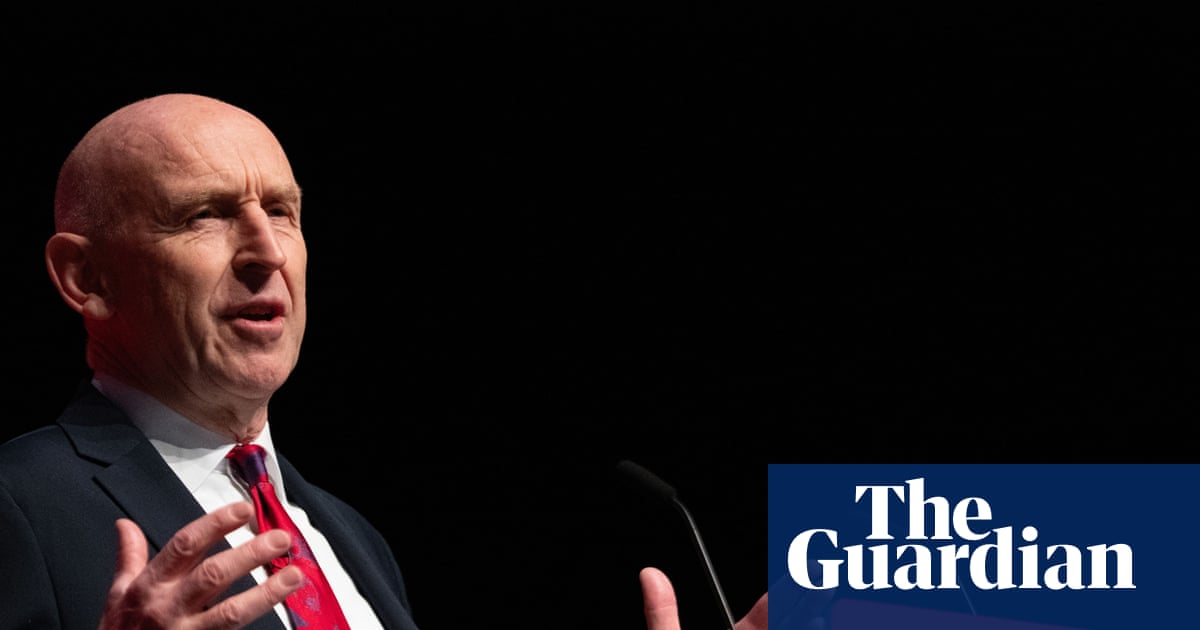
The Guardian revealed on Friday that Ravinder Athwal, the economist who wrote Labour’s 2024 manifesto, is taking on a senior role as an adviser to John Healey to strengthen his team before the budget.
asserted
who → reveal → budget
This fuelled further speculation that the party’s preparations for a campaign were gathering pace.
asserted
preparations → fuel → pace
Athwal, a Cambridge economics graduate, devised Keir Starmer’s five “missions”, which were meant to shape Labour’s approach to government.
asserted
which → devise → government
Healey poached Athwal to be his senior special adviser from the business advisory group Flint Global, previously run by Burnham’s chief of staff, the Blair-era cabinet minister James Purnell.
asserted
Healey → poach → staff
All the parties have begun increasing their preparations for a potential campaign since Burnham replaced Starmer in the summer, in case he decides to take advantage of the bounce in his popularity.
However, the prime minister has repeatedly ruled it out, both before and after taking office.
asserted
minister → begin → office
In his regional interviews, he stressed his attention was on the party’s autumn conference, saying a big focus of his speech would be on setting out more details of a new model for the water industry that increases public control.
asserted
that → stress → control
“As we go into the Labour conference, we will set out more thinking about the change that we need to see in the running of water across the country.
asserted
we → go → country
But it is clear to me that what we’ve had in the last 30 years is nowhere near good enough and is actually letting the public pay,” he told BBC South.
asserted
he → let → South
Leading up to the conference in Liverpool, Labour members have been cheered by Burnham’s takeover which has led to a modest recovery in the party’s popularity.
asserted
which → lead → popularity
An MRP poll of more than 8,000 voters reported by the Guardian this week showed a significant shift of left-leaning voters towards Burnham’s Labour.
asserted
poll → report → Labour
This has encouraged those in the party who are thinking of gambling on an early election while Reform’s ratings are ebbing and while leftwing parties such as the Greens appear to be losing momentum.
asserted
parties → encourage → momentum
Twice as many voters have returned to Labour from the left as from the right since April.
asserted
voters → return → April
The previously unreleased research, including a seat-by-seat MRP model, was conducted by Survation and the progressive activist site 38 Degrees in Burnham’s first month as prime minister.
asserted
research → include → minister
It also showed progressive voters could push Reform UK into fourth place and put Labour within touching distance of a majority if tactical voting was widespread.
Burnham was beginning to attract a significant number of left-leaning voters back to Labour, motivated by a desire to stop Nigel Farage, the results suggested.
uncertain
results → show → Farage
 The Aporia