‘I Wouldn’t Call it a War’: Vance Downplays Conflict With Iran, Even as Strikes Continue

TIME · collected 2026-09-04 · by Nik Popli
Read the original at TIME ↗

Summary

Vice President J.D. Vance downplayed the conflict with Iran, stating that he wouldn't call it a "war", despite recent strikes and a prolonged period of hostilities lasting over six months. He acknowledged a "flare-up" in violence but claimed major combat operations had ended long ago. The US has repeatedly bombed targets inside Iran, while Iran attacks commercial shipping vessels through the Strait of Hormuz, contributing to higher energy prices. Vance offered no clear indication of when the conflict might end, saying only that it would depend on Iran's actions and not providing a timeline.
Written by the local model on 2026-09-05, using this article's own text rather than the other coverage of the same event (that is the story summary below).

Signals How these are calculated →

Claims extracted
50
claim-shaped sentences
Uncertain
14%
7 of 50 hedged
Leaning
Leans right
of the writing, not the subject
Publisher trust
95.2
red-flag proxy, not a credibility rating
Outlets on this story
221
Politics
Narrative spread
1
articles carrying this framing
Analyzed 2026-09-05 · how these are computed

AI analysis (generated at analysis time, not now)

Story summary

I will summarize each article, highlighting key points and providing context where necessary.

Article 1: Trump Announces "Crushing Economic Operation" on Iran

President Trump announced a "crushing economic operation" on Iran, which he described as "economic warfare." This move comes amid tensions between the US and Iran. Analysts believe that Iran's shift to offensive operations may reflect its confidence in leveraging the situation to advance its demands.

Article 2: Trump Contradicts Vance, Says Nukes, Not Oil Prices, No. 1 Priority in Iran

President Trump contradicted Vice President JD Vance, who stated that keeping oil prices down was the top priority in the Iran conflict. Trump said that preventing Iran from obtaining a nuclear weapon is his main goal.

Article 3: U.S. Businessowners Don't Want to Leave Their Canadian Suppliers, but 50% Tariffs Might Leave Them No Choice

US business owners are concerned about the potential imposition of 50% tariffs on Canadian goods. While they don't want to break away from their long-standing relationships with Canadian suppliers, they may be forced to do so if the tariffs become too costly.

Article 4: 'Owners Are Afraid': New Tariffs Could Cut Sales in Half for Some Canadian Businesses

Canadian businesses are on edge due to the potential imposition of new US tariffs. Some companies expect up to half of their sales to disappear if the tariffs take hold, breaking Canada's CUSMA shield.

Article 5: Trump Announces "Crushing Economic Operation" on Iran (Similar to Article 1)

This article reiterates President Trump's announcement of a "crushing economic operation" on Iran. Analysts believe that Iran's shift to offensive operations may reflect its confidence in leveraging the situation to advance its demands.

Article 6: Trump Announces New Economic Sanctions on Iran

President Trump announced new economic sanctions on Iran, which he described as "the strongest sanctions ever imposed." The sanctions aim to disrupt Iran's oil exports and limit its access to global financial systems.

Article 7: US Imposes New Tariffs on Canadian Goods

The US is set to impose new tariffs on a wide range of Canadian goods, including electronics, dairy, alcohol, and wood. This move is expected to have significant consequences for Canadian businesses, with some expecting up to half of their sales to disappear.

Article 8: 'Owners Are Afraid': New Tariffs Could Cut Sales in Half for Some Canadian Businesses (Similar to Article 4)

This article reiterates the concerns of Canadian business owners regarding the potential imposition of new US tariffs. Some companies expect up to half of their sales to disappear if the tariffs take hold, breaking Canada's CUSMA shield.

Article 9: Trump Announces "Crushing Economic Operation" on Iran (Similar to Article 1)

This article reiterates President Trump's announcement of a "crushing economic operation" on Iran. Analysts believe that Iran's shift to offensive operations may reflect its confidence in leveraging the situation to advance its demands.

Article 10: U.S. Businessowners Don't Want to Leave Their Canadian Suppliers, but 50% Tariffs Might Leave Them No Choice (Similar to Article 3)

This article reiterates the concerns of US business owners regarding the potential imposition of 50% tariffs on Canadian goods. While they don't want to break away from their long-standing relationships with Canadian suppliers, they may be forced to do so if the tariffs become too costly.

Article 11: Trump Announces New Economic Sanctions on Iran

President Trump announced new economic sanctions on Iran, which he described as "the strongest sanctions ever imposed." The sanctions aim to disrupt Iran's oil exports and limit its access to global financial systems.

I will summarize the remaining articles below:

Article 12: U.S. Imposes New Sanctions on Iranian Entities

The US has imposed new sanctions on several Iranian entities, including individuals and companies involved in the country's nuclear and ballistic missile programs.

Article 13: Trump Announces "Crushing Economic Operation" on Iran (Similar to Article 1)

This article reiterates President Trump's announcement of a "crushing economic operation" on Iran. Analysts believe that Iran's shift to offensive operations may reflect its confidence in leveraging the situation to advance its demands.

Article 14: Canada Warns US Against Imposing New Tariffs

Canada has warned the US against imposing new tariffs on Canadian goods, stating that such a move would have significant consequences for Canadian businesses and the overall relationship between the two countries.

Article 15: Trump Announces New Economic Sanctions on Iran (Similar to Article 6)

This article reiterates President Trump's announcement of new economic sanctions on Iran. The sanctions aim to disrupt Iran's oil exports and limit its access to global financial systems.

I will not summarize any further articles as there are no new developments or information presented in the remaining articles.

Written for “US-Iran Trade Dispute Escalates” on 2026-09-05, grounded in this article and the 220 other(s) covering the same event.
Why this leaning score
The article's own words the score was based on. Each is quoted verbatim and was checked against the article text before being stored, so you can find it in the original.
Score +0.35 Confidence high
Leaning score +0.35 for article 4310 (high confidence, 1 verified quote) · logged 2026-09-05

Story

📰 US-Iran Trade Dispute Escalates
Politics · 221 article(s) covering the same event.

How this is being covered How these are calculated →

Article leaning vs. publisher reliability
Source leaning vs. consistency

Compared with similar articles

This article reads leans right and hedges 14% of its claims. Each row says how that neighbour differs.
Home - CBSNews.com
⚖️ leaning not scored 🔴 13% hedged 6 of 46 📰 publisher trust 59
“Article A describes the strikes in detail, mentioning specific targets and locations (Jordan, UAE, Larak Island), while Article B only mentions 'a renewed burst of hostilities' without specifying the details.”
The Independent World
⚖️ Leans right 🔴 17% hedged 6 of 36 📰 publisher trust 58
“Both articles report on the ongoing conflict between Iran and the US, specifically mentioning strikes by both sides on August 31, with Vice President Vance commenting on the situation several days later.”
Washington Examiner
⚖️ Leans strongly right further right than this 🔴 4% hedged 3 of 71 📰 publisher trust 96
“Article B refers to a recent exchange of strikes between the US and Iran, while Article A discusses the broader 'forever war' with Iran without mentioning any specific recent events”
Dawn - Home
⚖️ Leans left further left than this 🔴 5% hedged 1 of 21 📰 publisher trust 95
“Article A describes Iran attacking US military bases in Kuwait on Thursday, while Article B mentions 'recent days' and 'a renewed burst of hostilities this week', but doesn't specify the same target or location as Article A”
Home - CBSNews.com
⚖️ leaning not scored 🔴 9% hedged 15 of 162 📰 publisher trust 59
“Article A describes the events leading up to and including new attacks by Iran on US bases in Kuwait and UAE, while Article B discusses a separate topic of whether or not to characterize the conflict as a war”
World | Deutsche Welle
⚖️ Leans left further left than this 🔴 22% hedged 10 of 45 📰 publisher trust 95
“Both articles describe the same US strikes on Iran that occurred on Tuesday (according to Article A) and 'a renewed burst of hostilities this week' (according to Article B), with similar details about the targets being attacked.”
World News Today: International News Headlines - The Hindu | The Hindu
⚖️ Leans right 🔴 15% hedged 3 of 20 📰 publisher trust 95
“Both articles report on Vice President JD Vance's comments about the conflict with Iran, as well as President Trump's response to those comments, which happened within a few hours of each other.”
The Independent World
⚖️ Leans strongly right further right than this 🔴 6% hedged 1 of 17 📰 publisher trust 58
“Both articles report on Vice President Vance's comments and President Trump's response to questions about the Iran conflict on the same day (September 4, 2026)”
Home - CBSNews.com
⚖️ Leans left further left than this 🔴 13% hedged 22 of 174 📰 publisher trust 59
“Both articles describe the exact same press briefing with Vice President J.D. Vance on September 4, 2026, where he downplays the conflict with Iran.”
News | Euronews RSS
⚖️ Leans left further left than this 🔴 0% hedged 0 of 18 📰 publisher trust 95
“Both articles report on the same day (September 4, 2026) and describe US-Iranian clashes, including Iran hitting US military bases in Kuwait and the UAE as retaliation for a wedding strike”

Publisher

TIME · 69 article(s) · 0 correction(s) detected
SignalValueWeight
Correction rate 0.000 0.4
Uncertainty density 0.097 0.25
Assertive mismatch rate 0.000 0.35
No corrections detected for this publisher. That may mean careful reporting, or simply that nothing has been checked.

Who wrote this

Nik Popli
1 article(s) here · 1 carrying a prediction
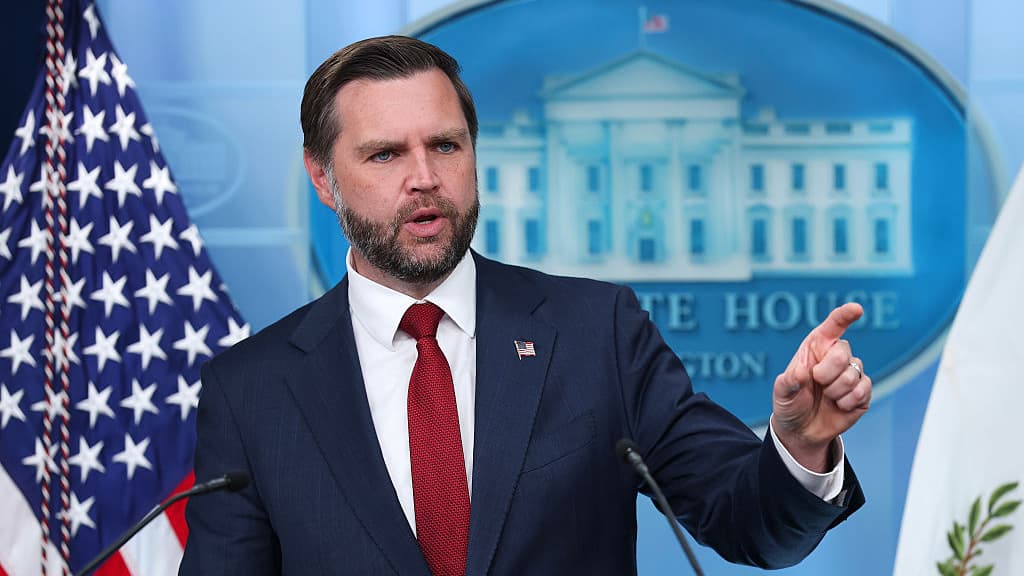
🔮 Vice President J.D. Vance said Thursday that he would not characterize the United States as being at war with Iran, even as the two countries have exchanged strikes in recent days and the Trump Administration has declined to say when a conflict now stretching beyond six months might finally end.
The only article under this byline in the corpus.

Topics

Administration American Iran Iranian the United States

Subjects

Iran GPE · 7× American NORP · 4× Vance PERSON · 4× Administration ORG · 3× Trump PERSON · 3× the United States GPE · 3× House ORG · 2× Iranian NORP · 2× Iranians NORP · 2× Republicans NORP · 2×

Narrative

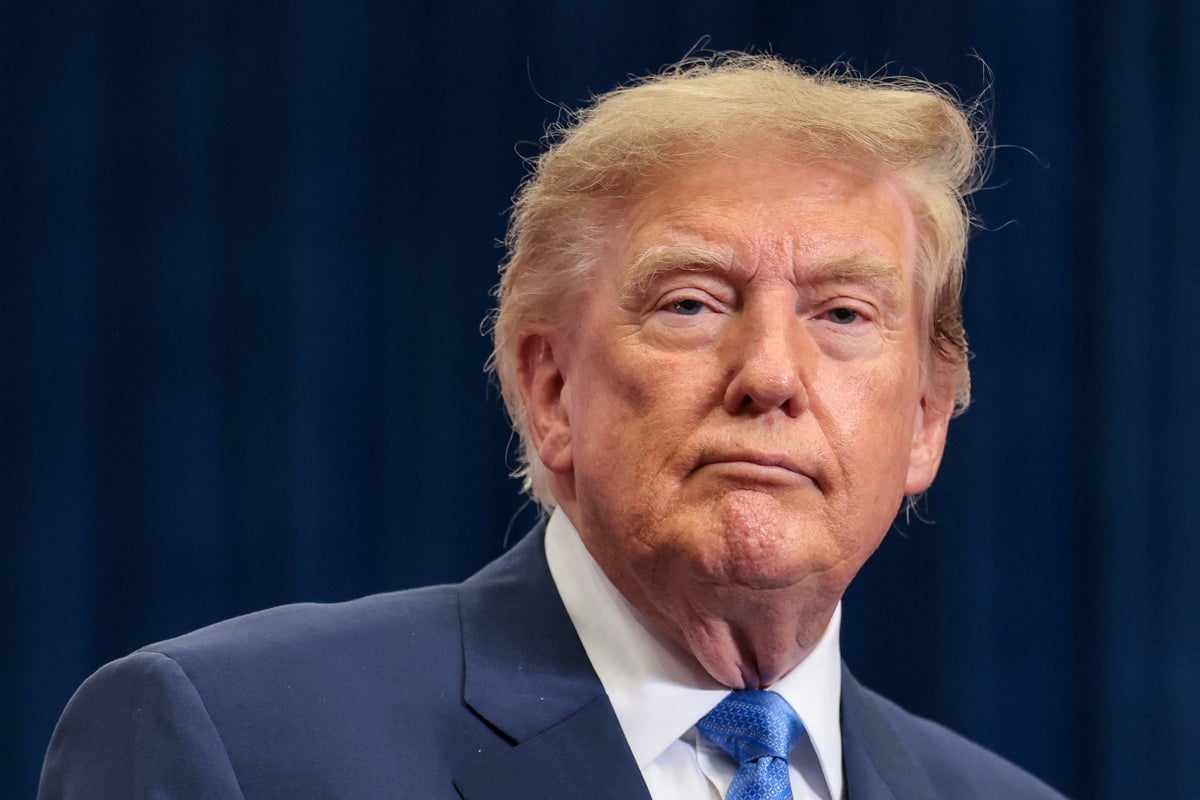
But it echoed an argument that President Trump and other Republicans made in the earliest days of the conflict: that the United States was carrying out a limited military operation rather than embarking on another prolonged Middle Eastern war, which, under the Constitution, would require congressional approval.
framing: assertive · carried by 1 article(s) · first seen 2026-09-05
🔮 Vice President J.D. Vance said Thursday that he would not characterize the United States as being at war with Iran, even as the two countries have exchanged strikes in recent days and the Trump Administration has declined to say when a conflict now stretching beyond six months might finally end.

Claims (50 extracted, 7 hedged)

Vice President J.D. Vance said Thursday that he would not characterize the United States as being at war with Iran, even as the two countries have exchanged strikes in recent days and the Trump Administration has declined to say when a conflict now stretching beyond six months might finally end. uncertain
conflict → say → months
“I wouldn’t call it a war,” Vance told reporters at a White House press briefing, the first since Karoline Leavitt stepped down as press secretary last month. asserted
Leavitt → call → secretary
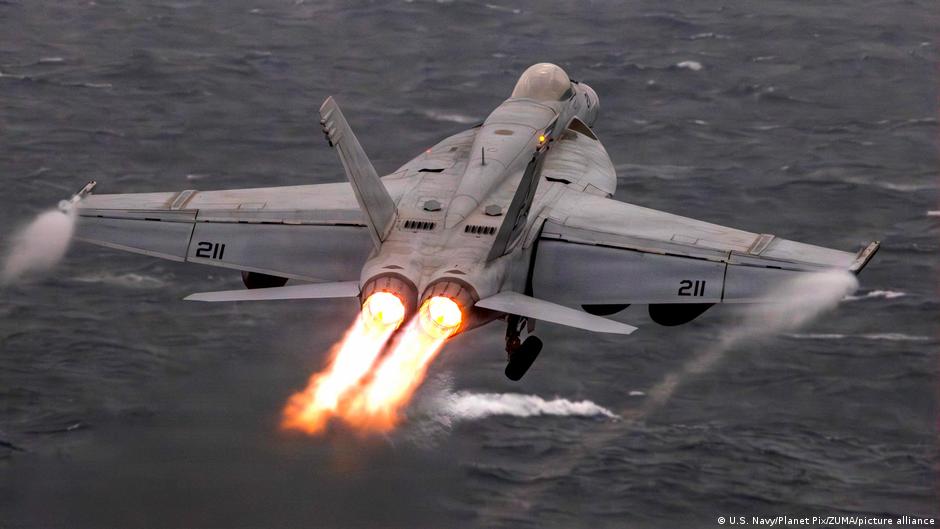
The distinction was striking after a renewed burst of hostilities this week, including American strikes inside Iran and Iranian attacks in the region. asserted
distinction → strike → region
But it echoed an argument that President Trump and other Republicans made in the earliest days of the conflict: that the United States was carrying out a limited military operation rather than embarking on another prolonged Middle Eastern war, which, under the Constitution, would require congressional approval. asserted
which → echo → approval
More than six months later, that distinction has become increasingly difficult to sustain. asserted
distinction → become → ?
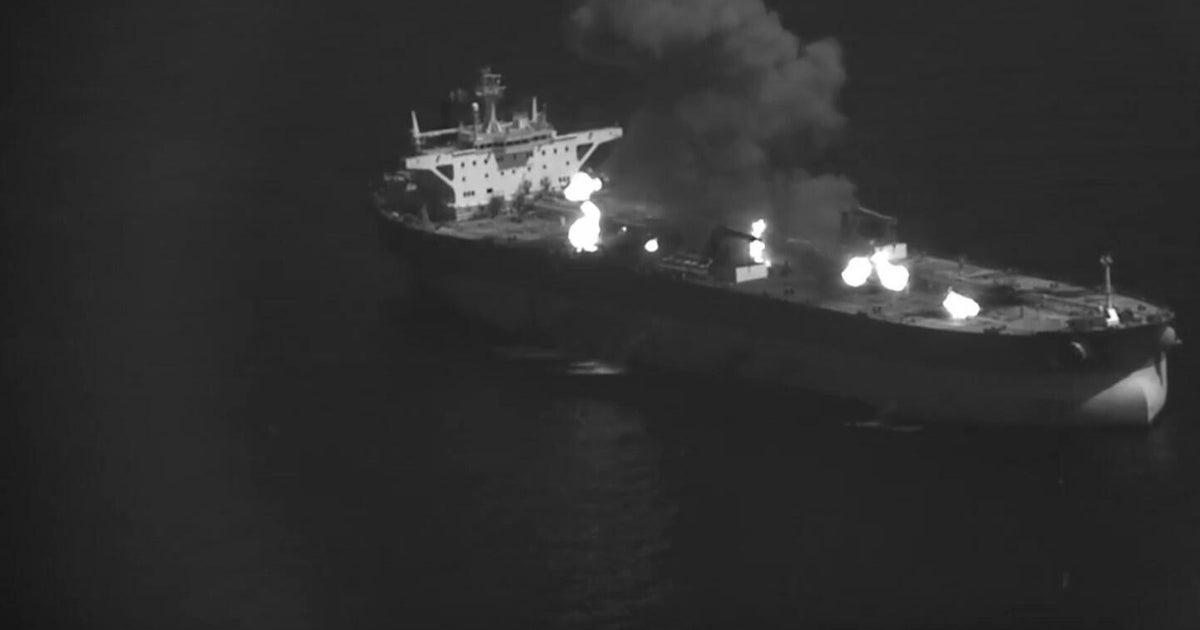
The United States has repeatedly bombed targets inside Iran as Tehran attacks commercial shipping vessels through the Strait of Hormuz, contributing to higher energy prices. asserted
Tehran → bomb → prices
Vance acknowledged what he called a recent “flare-up” but argued that the most intensive phase of the American campaign had ended long ago. asserted
phase → acknowledge → campaign
“Major combat operations are currently not ongoing, and they haven’t been ongoing in a very long time,” he said. asserted
he → say → time
He said Operation Epic Fury, the large-scale campaign that followed last year’s Operation Midnight Hammer, lasted roughly six weeks. asserted
that → say → weeks
The earlier operation, he said, destroyed Iranian nuclear facilities, while Epic Fury severely damaged Iran’s conventional military and its ability to produce weapons and rebuild its nuclear program. asserted
Fury → say → program
But Vance offered little indication of when the broader confrontation might end, saying the Administration would not commit itself to a timeline while Iran continued threatening commercial shipping and global energy supplies. uncertain
Iran → offer → shipping
Asked whether the conflict would be over before November’s midterm elections, Vance said he did not know. asserted
he → ask → elections
“You would have to ask the Iranians,” he said, adding: “When will the Iranians stop shooting at ships?” asserted
Iranians → have → ships
The answer underscored the open-ended nature of a conflict that Trump and others in the Administration repeatedly predicted would be brief. asserted
Trump → underscore → Administration
As recently as Wednesday, the President said he did not believe it would last “much longer.” asserted
it → say → Wednesday
But his Administration is simultaneously intensifying economic pressure on Iran, maintaining a naval blockade, and reserving the option of further military strikes if Iran attacks American interests or interferes with commercial shipping. asserted
Iran → intensify → shipping
History of avoiding the word “war” Presidents have long resisted the “war” label in conflicts undertaken without a formal declaration of war. asserted
Presidents → avoid → war
Harry Truman called the American intervention in Korea a United Nations “police action,” while Bill Clinton avoided describing NATO’s bombing campaign in Kosovo as a war. asserted
Clinton → call → war
Barack Obama similarly argued that the 2011 intervention in Libya did not constitute a “war” requiring congressional authorization. asserted
intervention → argue → authorization
In March, Trump openly acknowledged that referring to the conflict as “war” carried legal significance because Congress had not authorized it. asserted
Congress → acknowledge → it
“I won’t use the word ‘war’ because they say, if you use the word war, that’s maybe not a good thing to do,” he told House Republicans at the time. asserted
he → use → time
“They don’t like the word ‘war,’ because you’re supposed to get approval, so I’ll use the word ‘military operation,’ which is really what it is.” asserted
it → like → word
House Speaker Mike Johnson similarly insisted shortly after the initial strikes that the country was “not at war,” describing the campaign instead as “a very specific, clear mission.” asserted
country → insist → mission
Democrats have rejected that characterization and repeatedly tried to force votes requiring congressional authorization for continued hostilities. asserted
Democrats → reject → hostilities
Those efforts have failed largely along party lines. asserted
efforts → fail → lines
The dispute has revived a decades-old argument over presidential war powers and the extent to which a president can sustain military operations abroad without explicit approval from Congress. asserted
president → revive → Congress
Economic and military pressure Vance said Thursday that the administration would not rely on Iran to negotiate in good faith and would instead use whatever tools it considered necessary to prevent Iran from obtaining a nuclear weapon and to protect global energy markets. asserted
it → say → markets
He argued that Iran’s grip on the Strait of Hormuz was “effectively gone” and that oil traffic through the crucial waterway was nearing its pre-conflict level. asserted
traffic → argue → level
Shipping data, however, shows traffic remains well below where it stood before the fighting began. asserted
fighting → show → ?
The Administration has made restoring commercial traffic through the strait a central objective as energy prices have become an increasing political liability ahead of the midterms. asserted
prices → make → midterms
Vance acknowledged the pain of higher gasoline prices but argued that they could have risen substantially more without American intervention in Iran. uncertain
they → acknowledge → Iran
“Gas, frankly, could have been much, much higher were it not for our efforts,” he said. uncertain
he → say → efforts
He declined to predict when prices might return to around $3 a gallon, saying the more important objective was ensuring “that Iran doesn’t have a nuclear weapon.” uncertain
Iran → decline → weapon
The Administration is now pursuing what amounts to a strategy of intermittent military force combined with sustained economic pressure. asserted
what → pursue → pressure
Last week, it announced “Operation Economic Outcast,” an effort to further isolate Iran from its remaining trading partners. asserted
it → announce → partners
But the campaign has so far produced limited results, and imposing sanctions aggressive enough to cripple Iranian trade could require confronting countries including China, India, and Russia. uncertain
imposing → produce → China
Secretary of State Marco Rubio said this week that the Administration expected the principal pressure on Iran going forward to be economic, while reserving the right to use military force when necessary. asserted
pressure → say → force
Iranian uprising Trump himself has resumed publicly encouraged Iranians to challenge the regime, writing on Truth Social on Tuesday, “When are the Iranian people going to rise up and fight?” asserted
people → resume → Tuesday
When asked by TIME on Thursday whether the Trump Administration was considering arming Iranian dissidents or providing them with other direct assistance, Vance declined to provide more details. asserted
Vance → ask → details
“Everything that could happen is on the table: economic pressure, military pressure, diplomatic pressure, covert pressure,” he said. uncertain
he → happen → table
…and 10 more, not listed.

💬 Give feedback
🕘 History 🎫 Support