President Donald Trump announced on Friday that he was banning CNN, MS NOW, and Politico from accessing White House premises, citing their publication of what he termed "FAKE NEWS." In a post on Truth Social, Trump accused these organizations of repeatedly spreading false information about his administration. Despite the immediate nature of the announcement, it was unclear how strictly this ban would be enforced, with CNN continuing to report from the White House afterward. This move raises questions about the balance between presidential authority and the constitutional protections afforded to a free press.
Written locally by qwen2.5:14b on 2026-09-18,
using this article's own text rather than the other coverage of the
same event (that is the story summary below).
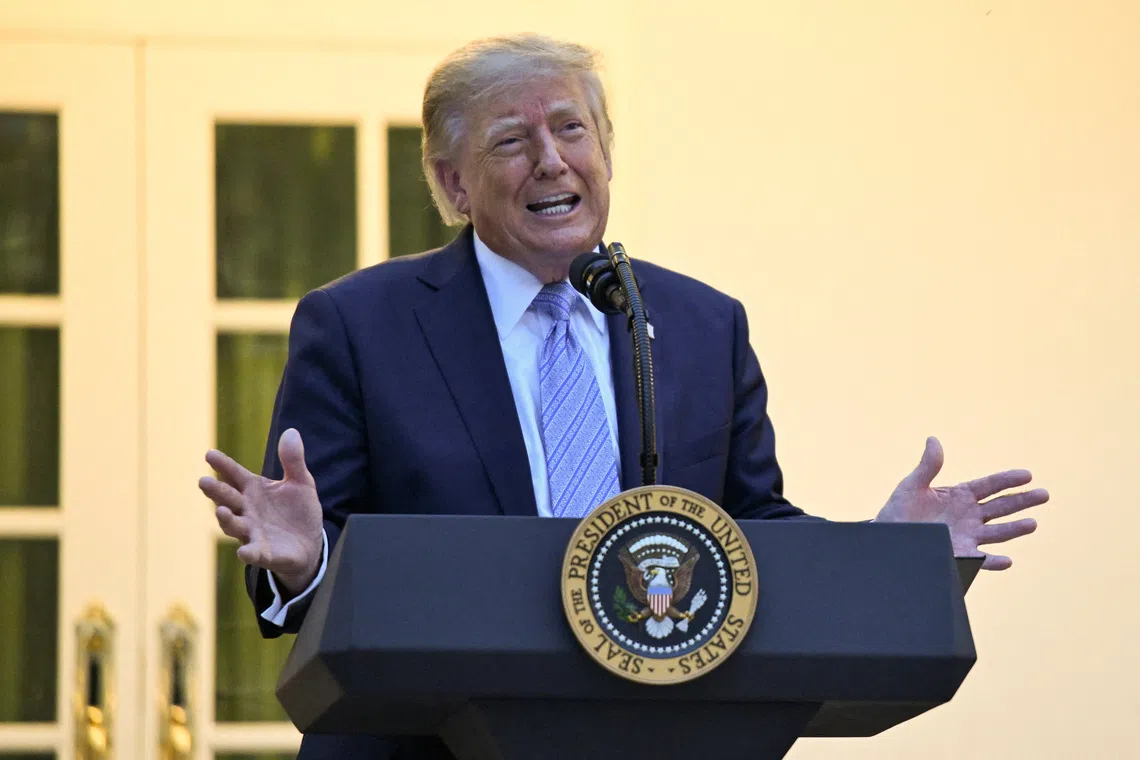
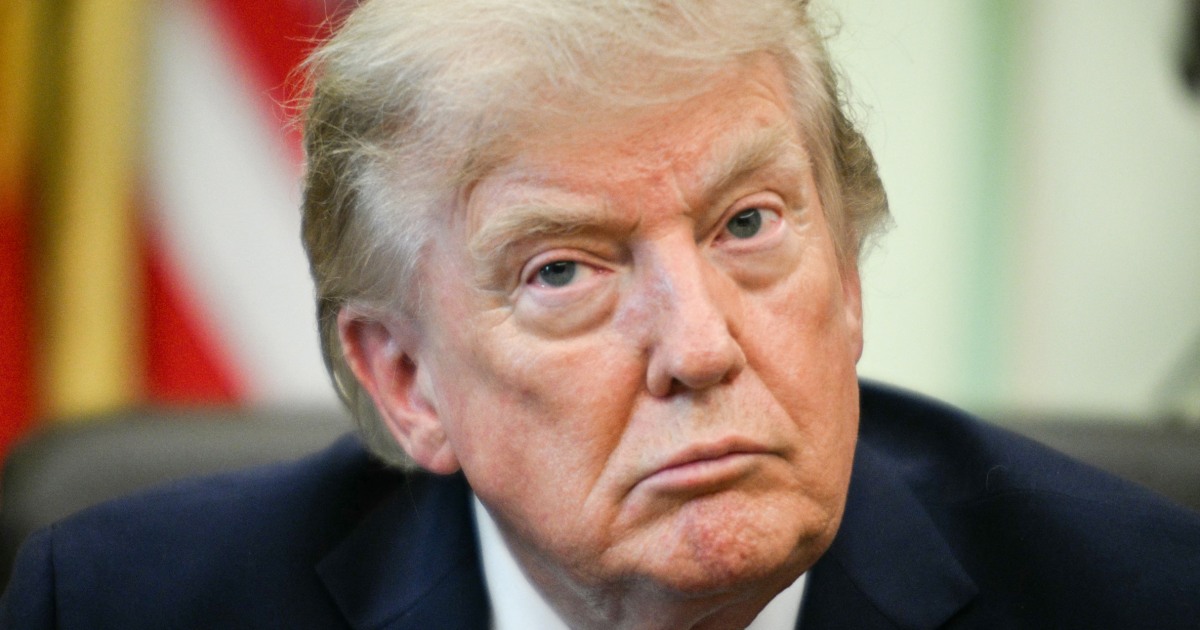
President Donald Trump announced on Friday he was banning CNN, MS NOW, and Politico from the White House, setting up a new test of the First Amendment’s protection of a free press as his Administration moves to punish news organizations whose coverage he dislikes.
asserted
he → announce → coverage
In a post on Truth Social, Trump accused the three outlets of repeatedly publishing “FAKE NEWS” and warned that other news organizations could face similar restrictions.
uncertain
organizations → accuse → restrictions
“Effective immediately, I am banning Fake News CNN, MSNOW... and Politico... from the White House as a result of their constant ‘reporting’ FAKE NEWS!” Trump wrote.
asserted
Trump → ban → reporting
“Media Outlets shouldn’t be able to constantly write or report FICTION and LIES when they’re covering the President of the United States, the Trump Administration, or the United States of America.”
asserted
they → write → America
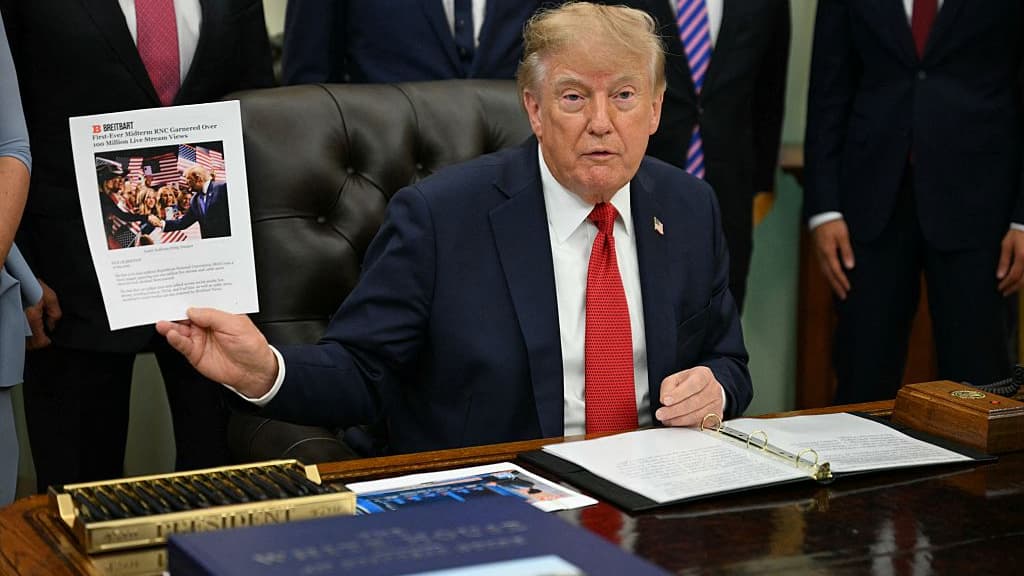
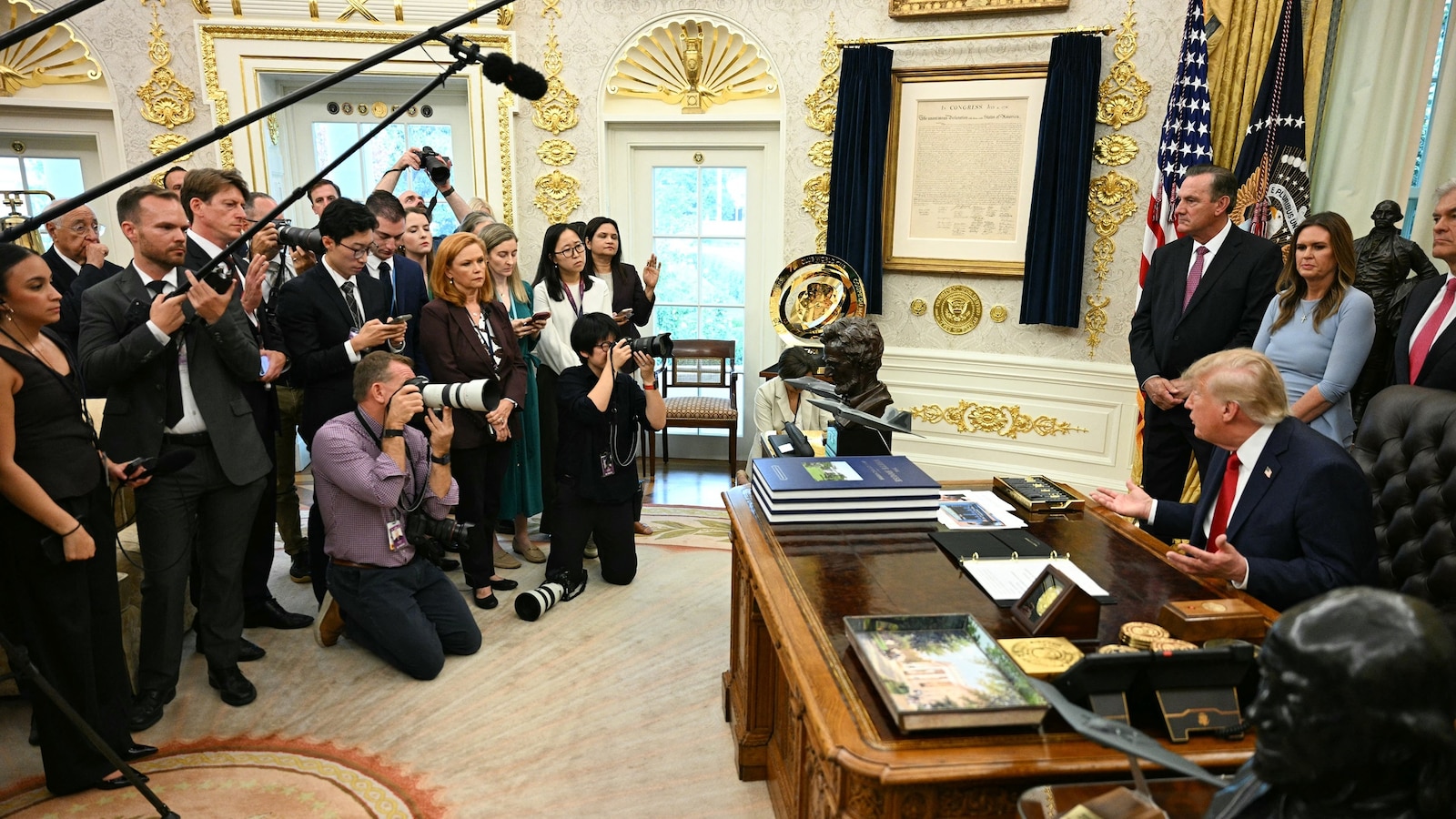
Taking questions from reporters in the Oval Office later, Trump said there were no particular stories that prompted the decision.
asserted
that → take → decision
“It's really just cumulative stories over the last few years, you get sick of it,” he said.
asserted
he → get → it
“They purposely write negative news, and they do that because they want to try and diminish the Republicans and a Republican administration.”
asserted
they → write → Republicans
It was not immediately clear whether the White House would enforce the prohibition.
asserted
House → enforce → prohibition
Despite Trump’s announcement that the ban was effective immediately, reporters from CNN remained at the White House and were continuing to cover the Administration on Friday.
asserted
reporters → remain → Friday
When asked by a reporter what exactly the ban would entail, Trump said, "I don't want them in my office.
asserted
I → ask → office
I don't want them here.
asserted
I → want → them
I would say the ban would go as far as you can."
asserted
you → say → ?
Last year, Trump barred reporters from The Associated Press from the Oval Office, Air Force One, and other events with limited space after the news organization declined to update their widely used stylebook to adopt his preferred name, “Gulf of America,” for the body of water long known as the Gulf of Mexico.
asserted
organization → bar → Mexico
The Associated Press sued, and the case remains ongoing.
asserted
case → sue → ?
The uncertainty could set up another legal confrontation over the boundaries of presidential control over access to the White House and the First Amendment’s protection of freedom of the press.
uncertain
uncertainty → set → press
The First Amendment protects freedom of the press, a principle intended to allow news organizations to scrutinize those in power without government retaliation for their reporting.
asserted
organizations → protect → reporting
Asked about the likelihood of his latest media ban being struck down in court, Trump responded, “I think it's good to point it out whether it survives or doesn't.”
asserted
it → ask → it
He added, “I don't think that a court should allow fake news to be written day after day after day.”
asserted
news → add → day
The White House has historically maintained regular access for journalists representing a broad range of news organizations, allowing them to question the President, attend briefings, and document the activities of the executive branch.
asserted
them → maintain → branch
The press corps also serves a practical function in providing independent accounts of presidential movements and events to the public.
asserted
corps → serve → public
CNN, in particular, has been part of the traditional five-network television pool that follows the President and provides ongoing coverage of presidential appearances.
asserted
that → follow → appearances
Trump has tried before to use access to the White House and presidential events as leverage against news organizations whose coverage he disliked.
asserted
he → try → coverage
During his first term, he revoked the White House press credentials of Jim Acosta, then a CNN correspondent, after a contentious exchange during a news conference.
asserted
he → revoke → conference
CNN challenged the decision in court, and the restriction was overturned.
asserted
restriction → challenge → court
The dispute over access has become part of a broader pattern in Trump’s relationship with the news media.
asserted
dispute → become → media
Since returning to office, he has pursued legal action against news organizations including The New York Times, The Wall Street Journal, and the BBC after reports he objected to.
asserted
he → return → reports
The cases against the Times and Journal were subsequently dismissed, while the BBC has sought to have the case dismissed.
asserted
case → dismiss → Times
 The Aporia