In the past, Democrats rarely felt the need to explain their position on capitalism.
asserted
Democrats → feel → capitalism
They could campaign on fixing a rigged economy, reducing corporate power, or raising taxes on the rich without feeling compelled to affirm their belief in the economic system itself.
uncertain
They → campaign → system
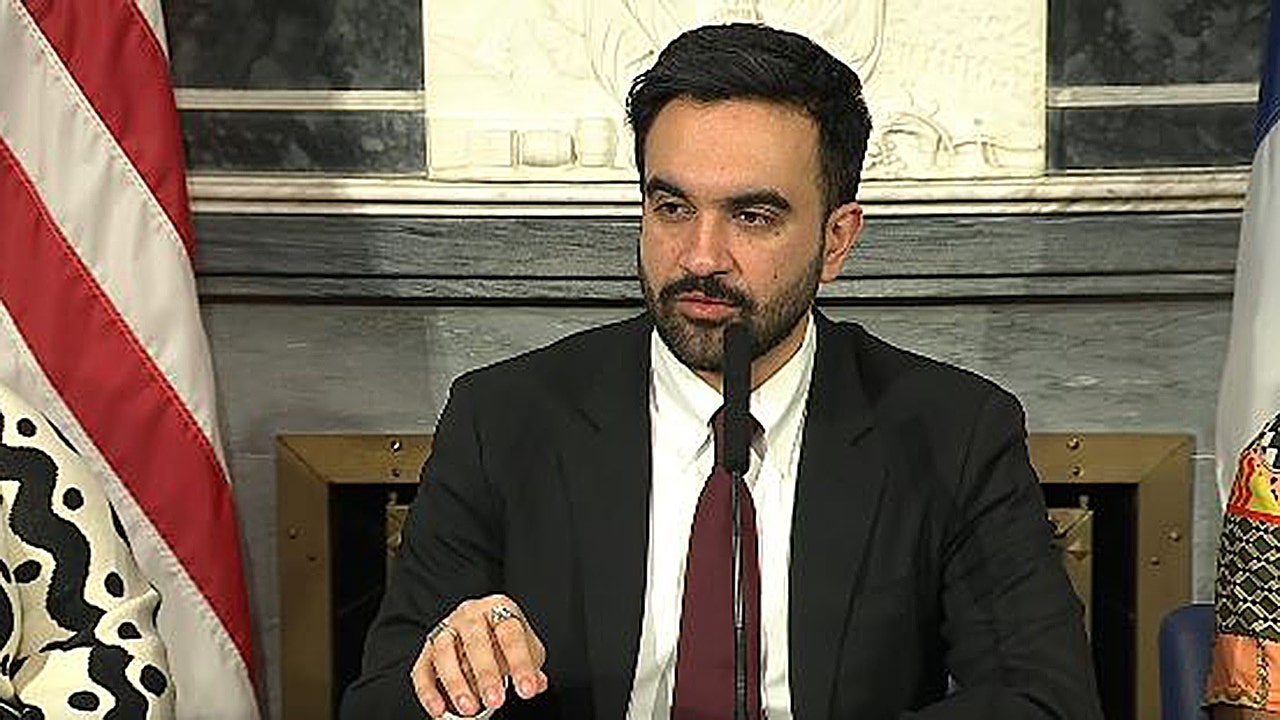
“I’m not a socialist,” Dr. Abdul El-Sayed, his fellow Senate candidate in Michigan told TIME in May, who then praised the efficiency of capitalism to “allocate resources.”
uncertain
who → ’m → resources
The two Democrats are among the most prominent examples of candidates in tight races making their support of capitalism crystal clear amid the growing visibility of the Democratic Socialists of America and a string of victories by candidates on the party’s left.
asserted
support → make → left
Republicans in races across the country—and at the White House—have pointed to those trends as they increasingly embrace “socialist” and “communist” as catch-all attacks against all Democrats.
asserted
they → point → Democrats
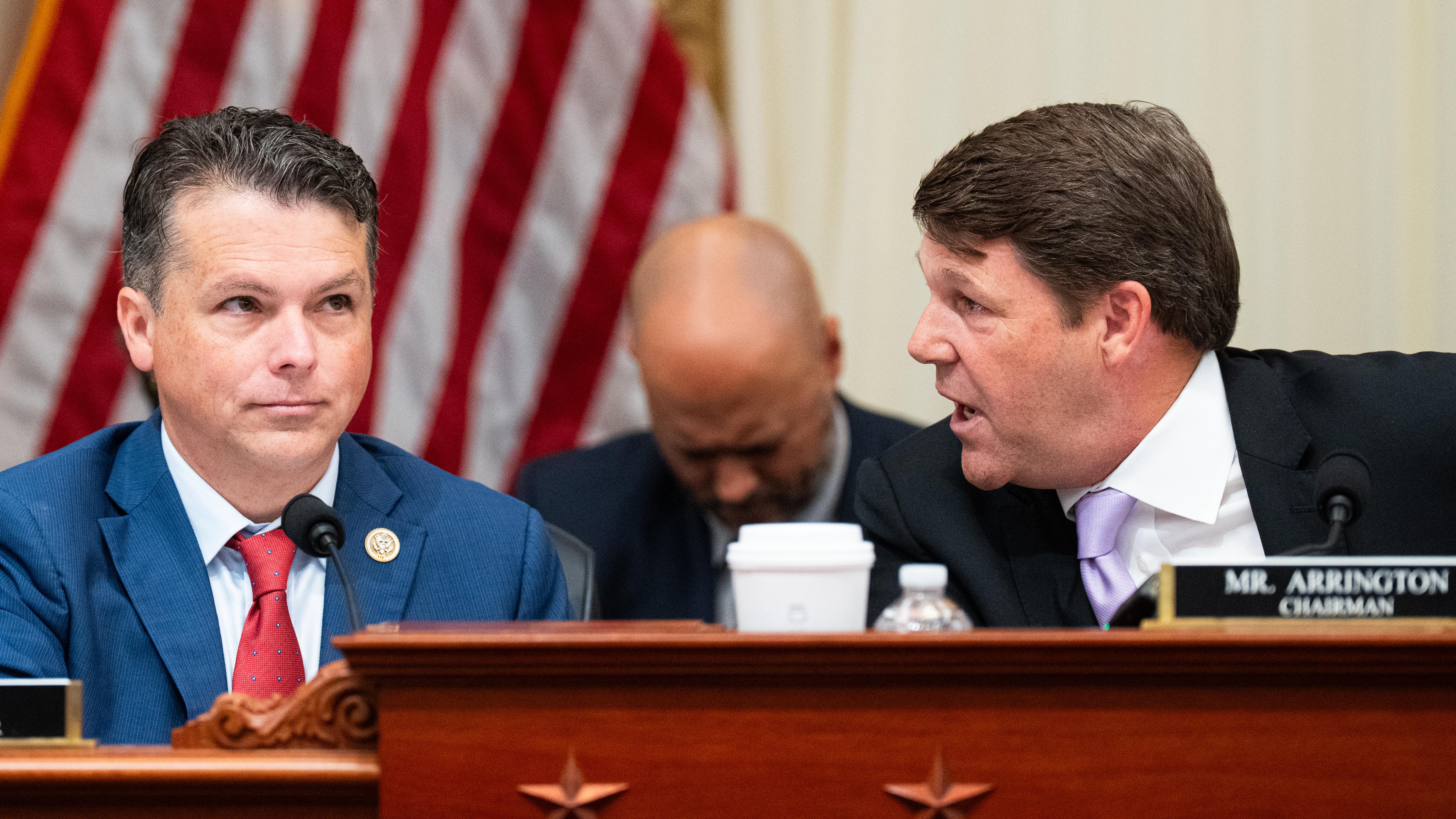
The defensive pose from Democrats is a broader trend than just a few Senate races: Sixty Democrats, including 10 sitting members of Congress, signed a pledge this summer from the newly formed Promise to America declaring, “We are capitalist, not socialist.”
asserted
We → include → America
The collective was organized by centrist Democratic Reps. Tom Suozzi of New York and Adam Gray of California, the only two Democrats in 2024 to flip congressional districts won by President Donald Trump.
asserted
collective → organize → Trump
“We believe in a growing, fair, and competitive economy that rewards hard work, innovation, entrepreneurship, and ownership,” their pledge reads.
asserted
pledge → believe → work
But not every Democrat facing the socialist label has gone so far as to embrace capitalism.
asserted
Democrat → face → capitalism
In Maine, Troy Jackson, a former state Senator with ties to Bernie Sanders, replaced Graham Platner as the party’s Senate nominee in July with the support of the DSA.
asserted
Jackson → replace → DSA
When asked by TIME whether Jackson views himself as a capitalist, Jackson’s campaign declined to answer but pointed to his past comments on socialism.
asserted
campaign → ask → socialism
“I see myself as a Mainer and a working-class person,” he told NBC News in July when asked if he’s a socialist.
asserted
he → see → July
“You know, we have socialism in the state with public schools, with plowing the roads, tiring the roads …
asserted
we → know → roads
I don’t see myself as anything but a guy that wants to make good change for people I care about.”
asserted
I → see → people
Asked on Morning Joe on July 28 about whether he supported the DSA’s policies, Jackson said he didn’t.
asserted
he → ask → policies
What he did support, he said, was “a government that works for everyday people, small business owners, workers” and others who depend on the government to work for them.
asserted
who → support → them
Jackson's approach illustrates the broader ambiguity Republicans are exploiting.
asserted
Republicans → illustrate → ambiguity
A Democrat can campaign against concentrated wealth, corporate influence and economic inequality without necessarily rejecting capitalism, just as a Democrat can support universal health care or stronger labor protections without identifying as a socialist.
asserted
Democrat → campaign → socialist
Vance wields ‘socialist’ charge in Florida
Vice President J.D. Vance sharpened the Republican attack in Florida last week, accusing Democratic Senate candidate Angie Nixon of embracing socialism and not belonging in the country because of those views.
asserted
Vance → wield → views
The remarks came as Vance campaigned alongside Republican Sen. Ashley Moody, who is fighting to keep the seat she was appointed to when Marco Rubio became Secretary of State, and offered a blunt version of the argument Republicans have been making against Democrats around the country.
asserted
Republicans → come → country
“Ladies and gentlemen, when Angie Nixon calls herself a socialist, I think the right response is to say: ‘Then get the hell out of here.
asserted
response → call → hell
You don’t belong in America if those are your views,’” Vance said.
asserted
Vance → belong → America
Nixon presents a more complicated case than many of the Democrats facing the socialist label.
asserted
Nixon → present → label
The Florida state representative has been an unabashed progressive throughout her decade in state politics and joined the Democratic Socialists of America in June.
asserted
representative → join → June
But the DSA did not endorse her Senate campaign, and Nixon has said she does not agree with all of the group's positions.
asserted
she → endorse → positions
She has also resisted the idea that her affiliation with the organization determines her political identity.
asserted
affiliation → resist → identity
“I’m a capitalist who believes that we need some strong regulations,” Nixon said on NBC's Meet the Press in August.
asserted
Nixon → ’m → August
She has separately described herself as a social democrat who believes in strong safety nets.
asserted
who → describe → nets
Republicans have nonetheless made the DSA connection central to their case against her, and Moody has described the race as a choice between “freedom or socialism.”
asserted
Moody → make → freedom
For Nixon, as for El-Sayed and Talarico, the question is therefore becoming part of the larger campaign conversation about what kind of economic politics Democrats are offering.
asserted
Democrats → become → politics
But Nixon’s case also shows why the labels can be difficult to apply cleanly: she has joined an organization that calls itself socialist and shares some of its policy goals, but describes herself as a capitalist and rejects some of its positions.
asserted
that → show → positions
Talarico rejects ‘crony capitalism’
Talarico has perhaps taken the most expansive approach to the question.
asserted
Talarico → reject → question
In an interview with TIME in September, the Democratic Senate nominee rejected the socialist label and offered his own definition of capitalism, one rooted in competition, private enterprise, and a stronger middle class.
asserted
nominee → reject → competition
“I think Democrats should reclaim the principles of capitalism, 'cause that's not what we have right now,” Talarico said.
asserted
Talarico → think → what
“We don't have capitalism.
asserted
We → have → capitalism
We have crony capitalism, where the people who succeed in this economy are those who can afford to pay for politicians, those who can pay for access and control.
asserted
who → have → access
Republicans have accused Talarico of backing a “Democrat Socialist agenda” and even saying that his policies would amount to “destroying capitalism.”
asserted
policies → accuse → capitalism
The attacks are unfolding in a race that Democrats view as one of their most significant opportunities to compete in Texas in a generation.
asserted
Democrats → unfold → generation
“Dr. King once said that we have socialism for the rich, and rugged individualism for the rest of us,” Talarico told TIME.
asserted
Talarico → say → TIME
“If we're going to get back to real capitalism, it means that all of us are going to get compensated for our labor, for our work, for the wealth that we create.”
asserted
we → go → that
…and 4 more, not listed.
 The Aporia