The Sydney Morning Herald
· collected 2026-09-29 · by Matt Wade, Millie Muroi
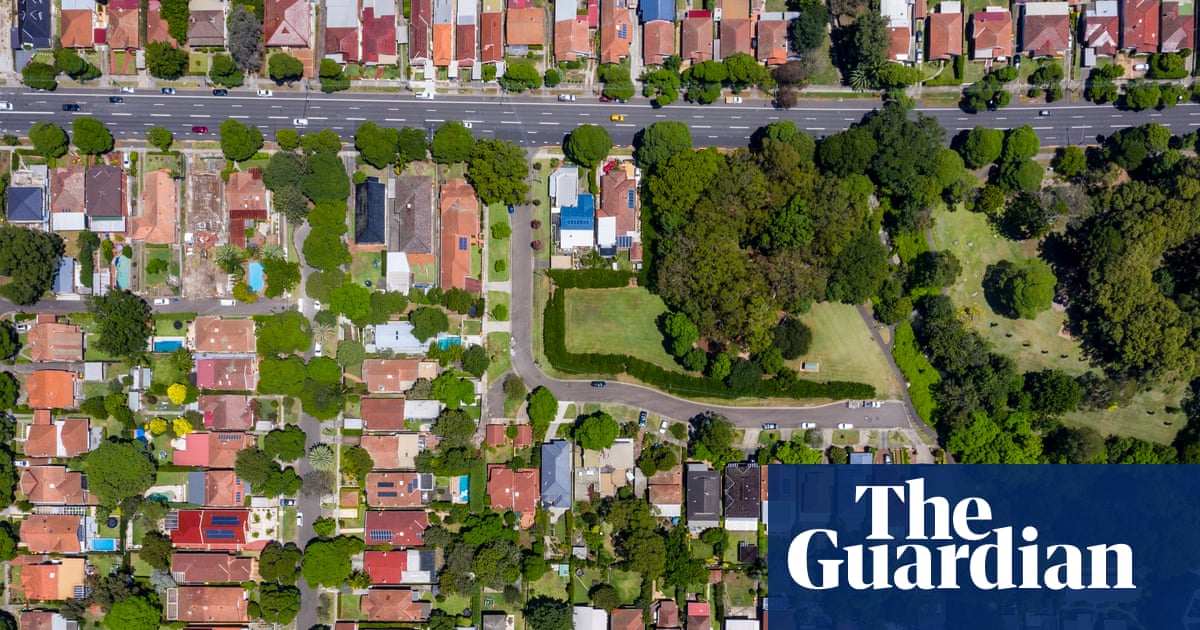
The Reserve Bank of Australia (RBA) raised its benchmark cash rate by 0.25 percentage points to 4.6%, a 15-year high despite rising unemployment and slowing economic growth. This increase adds over $90 monthly to repayments on a typical $600,000 mortgage with 25 years left. The RBA’s decision reflects efforts to combat inflation driven by elevated fuel prices and global supply disruptions from the Middle East conflict. Australia's official interest rate now exceeds those of both the US and UK, placing significant financial pressure on homeowners as outstanding mortgage debt has more than doubled since 2011.
Written locally by qwen2.5:14b on 2026-09-29,
using this article's own text rather than the other coverage of the
same event (that is the story summary below).
Story summary
The Reserve Bank of Australia (RBA) has raised interest rates to their highest level in 15 years, increasing the cash rate target from 4.35% to 4.60%. This is the fourth increase this year and reflects the RBA's ongoing efforts to combat high inflation.
On a $700,000 loan with a 25-year term at an interest rate of 6.50%, monthly mortgage repayments will increase by approximately $93 following the latest rise. Over four increases this year, borrowers would see their monthly payments increase by about $364 on a $600,000 loan and roughly $7,300 annually.
The impact extends beyond mortgages: higher interest rates attract foreign investment to Australia due to better returns, potentially strengthening the Australian dollar. However, increased borrowing costs will likely slow down spending in other sectors such as dining out and retail shopping, which could affect businesses reliant on consumer spending.
Despite the hikes, housing remains unaffordable for many, with further rate increases forecasted by some analysts up to 5.1% by mid-2027, posing significant challenges for household finances already strained by rising costs like petrol prices nearing $2.40 per liter. The Bureau of Statistics is set to release September's inflation data soon, which will provide more insight into the effectiveness of these measures and future policy directions.
Written for “RBA Interest Rate Hikes” on 2026-10-05,
grounded in this article and the 17 other(s) covering the same event.
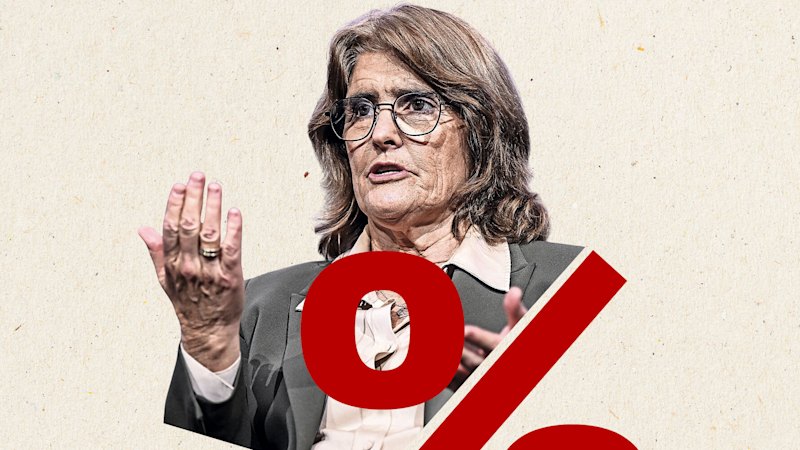
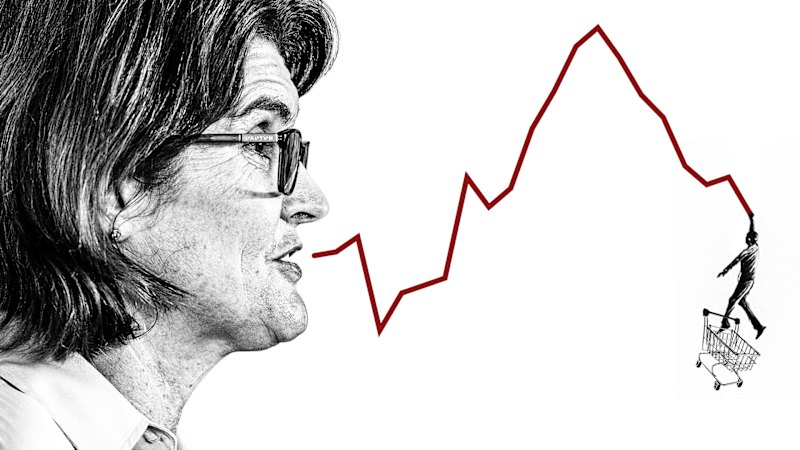
The Reserve Bank has lifted interest rates to a 15-year high despite rising unemployment, falling house prices and sluggish economic growth.
asserted
Bank → lift → unemployment
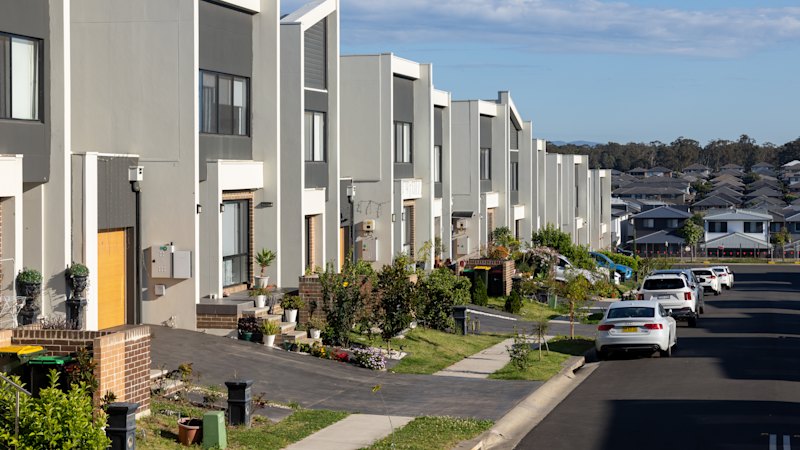
The bank’s monetary policy board raised its benchmark cash rate by 0.25 of a percentage point to 4.6 per cent on Tuesday, adding more than $90 a month to repayments on a typical $600,000 mortgage with 25 years remaining.
asserted
years → raise → mortgage
The increase means Australia now has one of the highest official interest rates set by a central bank among western economies, surpassing the US (where official rates are 4 per cent) and UK (3.75 per cent).
asserted
rates → mean → US
However, the amount of outstanding mortgage debt has more than doubled since then.
asserted
amount → double → debt
The total value of residential mortgages in 2011 was $1.05 trillion, but that has since climbed to $2.51 trillion, according the Australian Prudential Regulatory Authority.
asserted
that → climb → Authority
The RBA has now lifted interest rates by 1 percentage point over four separate increases this year in a bid to reduce inflation.
asserted
RBA → lift → inflation
Price pressures have been stoked by elevated fuel prices caused by the Middle East conflict, which has dragged on since February and continues to disrupt global oil supplies.
asserted
which → stoke → supplies
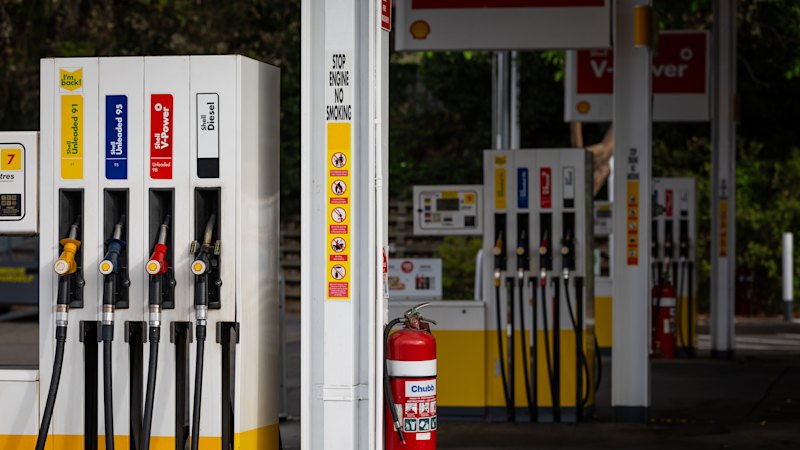
Average petrol prices in Australia have risen well above the $2-a-litre mark in the past month, putting pressure on the Albanese government to revive the fuel excise cuts that subsidised the cost for four months from April through July this year, and spurring other price rises as firms pass on this cost.
asserted
firms → rise → cost
The RBA’s decision also follows a volatile period of international bond markets as global interest rates climb to two decade highs amid concerns about higher inflation and geopolitical risk.
asserted
rates → follow → inflation
Reserve Bank officials have repeatedly expressed concern that expectations of elevated inflation have becoming more entrenched among business and consumers.
asserted
expectations → express → business
Last month the unemployment rate reached 4.6 per cent, the highest rate in nearly five years, but the deterioration in the labour market was not enough to deter the RBA from lifting interest rates.
asserted
deterioration → reach → rates
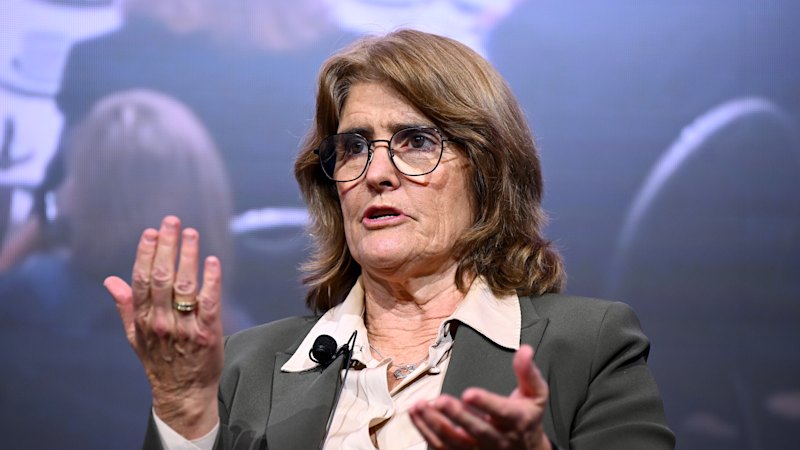
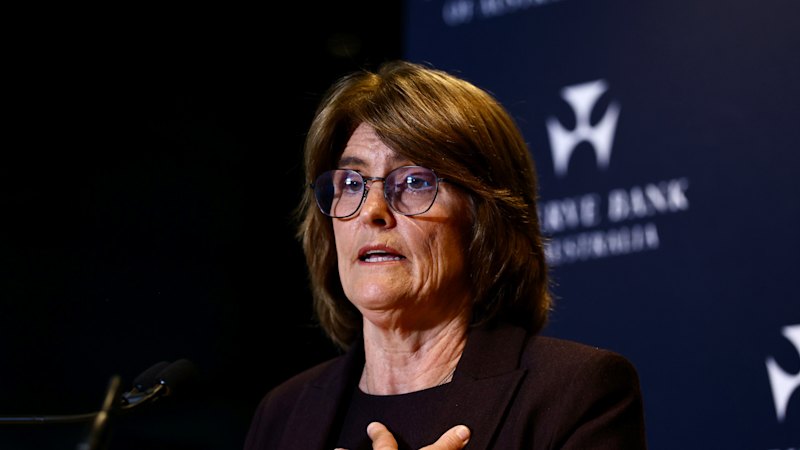
Reserve Bank governor Michele Bullock warned last week the jobless rate may need to rise as high as 5 per cent to ease pressure on inflation.
uncertain
rate → warn → inflation
Higher interest rates will hit a housing market already weakened by higher borrowing costs and federal tax changes.
asserted
rates → hit → costs
Figures released in early September by property analytics firm Cotality showed house values have fallen for five consecutive months.
asserted
values → release → months
Ahead of the decision, AMP chief economist Shane Oliver said he expected the bank to continue warning of further rate hikes, but that the tone may shift later in the year.
“After more than five years of inflation being above target, threatening RBA credibility, it does not have the luxury of continuing to ‘wait and assess’,” he said.
uncertain
he → say → luxury
“By the time it gets to the November meeting, there is likely to be more evidence of a cooling economy, falling home prices, a softer jobs market and rising recession risks – so we don’t think a second hike let alone a third will be necessary.”
asserted
hike → get → economy
Oliver said rate hikes and higher petrol prices have raised the additional monthly costs for an average household by $530 a month since January for those with a mortgage and petrol car, which he said was “quite a hit”.
asserted
he → say → mortgage
The economy grew by 2.1 per cent last financial year, but gross domestic product per person rose by a more subdued 0.7 per cent.
asserted
product → grow → cent
The Reserve Bank is forecasting growth the slow to 1.5 per cent in the year to June 2027.
asserted
growth → forecast → June
Inflation peaked at nearly 8 per cent at the end of 2022 but then fell back to the RBA’s 2–3 per cent target range for a period in 2024 and 2025.
asserted
Inflation → peak → 2024
However, it picked up in the second half of 2025 and has remained above the target since.
asserted
it → pick → target
Bullock and other RBA officials have said repeatedly the bank is focused on getting inflation back into the 2-3 per cent band.
asserted
bank → say → band
Subscribers can sign up to our weekly Inside Politics newsletter.
asserted
Subscribers → sign → newsletter
 The Aporia