That is 0 articles you have read today.
The Aporia is free and carries no advertising, so readers are the only
thing paying for it. If you are getting this much out of it, a small
donation is what keeps it independent.
Daily limit reached
You have read 0 articles today.
That is more than the 15 a day The Aporia gives away,
and well past what it can carry on nothing. Your allowance resets at
midnight.
There is no advertising here and nothing about you is sold, so readers
are the only thing paying for it. If the site is worth this much of
your day, it is worth a few dollars.
Everything else stays open: the
maps, the
directory and
search do
not count against this, and neither does re-opening something you have
already read today.
Australia's consumer price index rose to 4% in August from 3.5% in July, marking a four-month high and driven primarily by higher housing costs and petrol prices. This development occurred immediately after the Reserve Bank of Australia raised official interest rates to a 15-year high of 4.6%, signaling potential further rate hikes if inflation remains elevated. The underlying rate of inflation stayed at 3.6%, indicating persistent pressure on price growth despite recent measures to curb it.
Written locally by qwen2.5:14b on 2026-09-30,
using this article's own text rather than the other coverage of the
same event (that is the story summary below).
Story summary
Inflation in Australia surged to 4% in August from 3.5% in July, driven primarily by higher housing and transport costs. The Australian Bureau of Statistics reported that housing prices rose 5.7% year-over-year, while transport costs increased by 5.6%, largely due to a 14.8% spike in automotive fuel prices. These figures come just one day after the Reserve Bank of Australia (RBA) raised interest rates to their highest level since 2008 at 4.6%. The RBA warned it may need to raise rates further before Christmas if inflation continues to rise, despite four rate hikes this year already aimed at curbing price growth. Treasurer Jim Chalmers defended the government’s economic stance by blaming rising global oil prices and the Middle East conflict for increased costs, but critics argue the ongoing inflation surge indicates more rate hikes might be necessary to stabilize the economy.
Written for “Inflation Rise And Rate Hike Fears” on 2026-10-05,
grounded in this article and the 2 other(s) covering the same event.
Claims extracted
18
claim-shaped sentences
Uncertain
0%
0 of 18 hedged
Leaning
Leans right
of the writing, not the subject · beta estimate
Correction & hedging signals
61.2
corrections and hedging in what we collected;
not a measure of accuracy
Outlets on this story
3
Economy/Business
Narrative spread
1
articles carrying this framing
Australia’s inflation rate has jumped to a four-month high, increasing the chances the Reserve Bank will lift interest rates again this year.
asserted
Bank → jump → rates
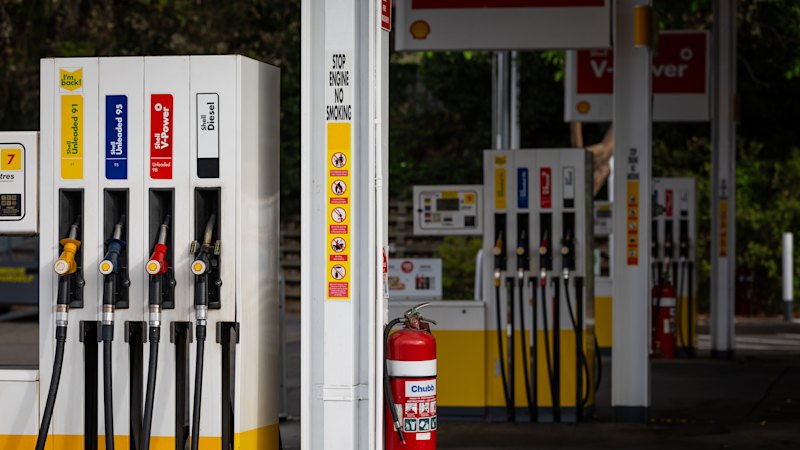
The consumer price index climbed from 3.5 per cent in July to 4 per cent in August driven by higher housing-related costs and elevated petrol prices.
asserted
index → climb → costs
The inflation increase comes a day after the Reserve Bank lifted official interest rates to a 15-year high of 4.6 per cent in a bid to dampen inflationary pressures in the economy.
asserted
Bank → come → economy
It was the fourth interest rate rise this year and the bank warned it would lift rates “further if needed” to bring price growth under control.
asserted
it → warn → control
The Bureau of Statistics said housing was the largest contributor to annual inflation in August, rising by 5.7 per cent.
asserted
housing → say → cent
Transport was the second-largest contributor to annual inflation in August, rising by 5.6 per cent due to higher automotive fuel prices.
asserted
Transport → rise → prices
The underlying rate of inflation, a key guide to the future of interest rates, was unchanged at 3.6 per cent.
asserted
rate → underlie → cent
The inflation rate last peaked at 4.6 per cent in March but had eased to 3.5 per cent by July.
asserted
rate → peak → July
The Reserve Bank’s monetary policy board, which sets official interest rates, will meet again in early November to consider any change.
asserted
which → set → change
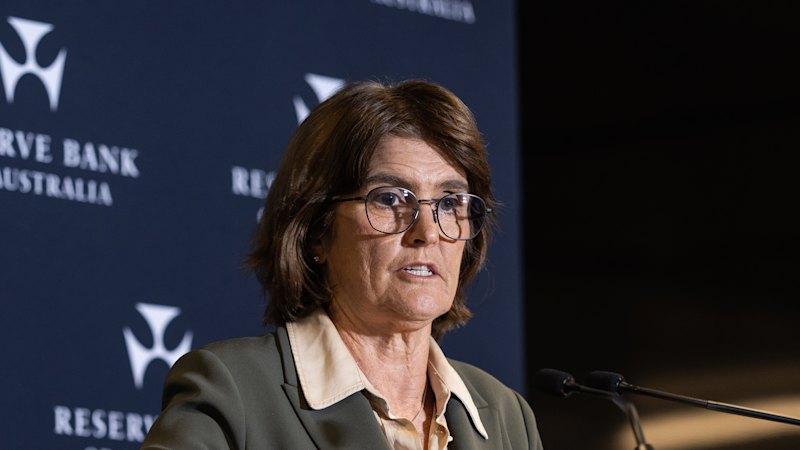
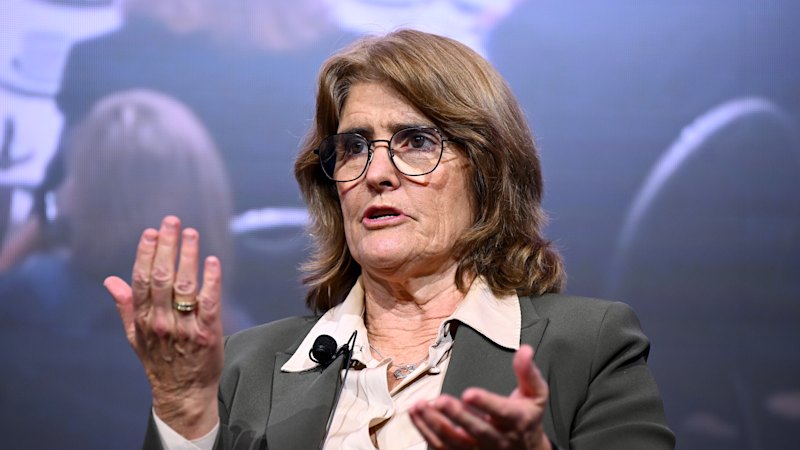
Following the rate increase Reserve Bank governor Michele Bullock said that excess demand in the economy has to slow to get inflation down sustainably.
asserted
demand → follow → inflation
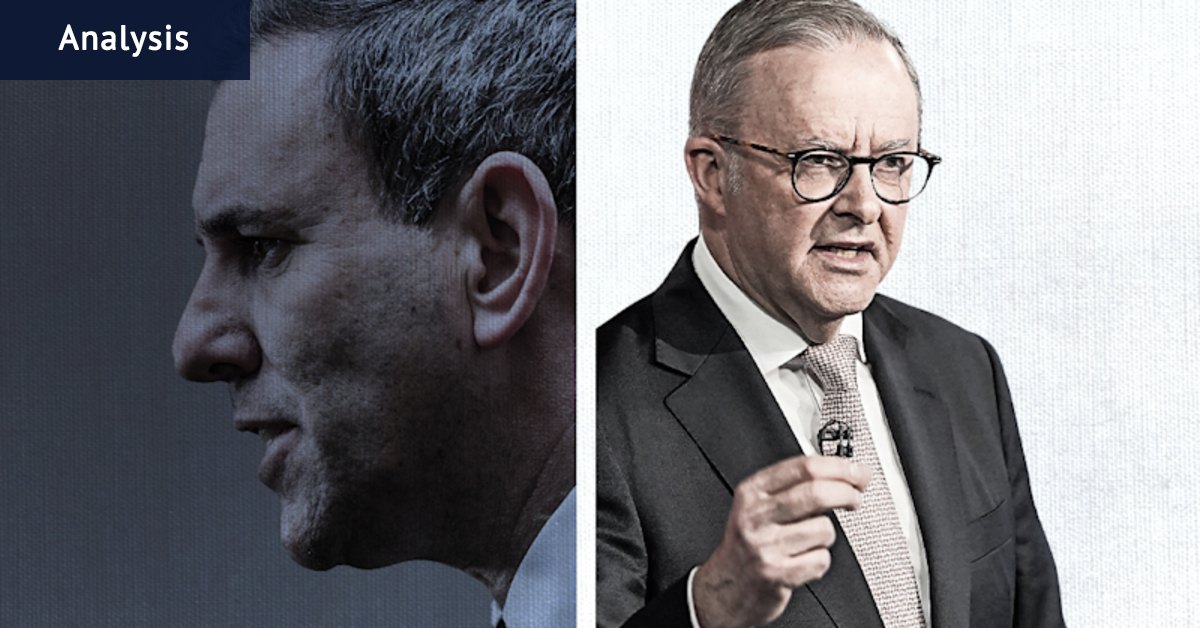
During a testy press conference in Melbourne on Wednesday morning, Prime Minister Anthony Albanese rebuked journalists for asking about the impact of government spending on inflation.
asserted
Albanese → rebuke → inflation
While a journalist was halfway through her question about Labor’s spending, the prime minister cut in to say: “There’s a question in there somewhere.”
asserted
minister → cut → spending
He then said his government had taken every possible opportunity to make savings, and that the Coalition had opposed every attempt the government had made to cut spending bar one.
asserted
government → say → spending
And indeed, the only savings that the Coalition have supported … is on the NDIS, and that they delayed for months to play politics along with the Greens in the Senate,” Albanese told reporters.
asserted
Albanese → support → reporters
“Angus Taylor has a question that he has to answer, which is how can you promise $110 billion dollars of new spend, which he has?
asserted
he → have → which
How can you oppose every saving which has been put forward, which he has?”
asserted
he → oppose → which
The prime minister also insisted there was no contradictory messaging between Bullock and Treasurer Jim Chalmers on the reason for Australia’s above-target inflation rate.
asserted
minister → insist → rate
Subscribers can sign up to our weekly Inside Politics newsletter.
asserted
Subscribers → sign → newsletter
 The Aporia