That is 0 articles you have read today.
The Aporia is free and carries no advertising, so readers are the only
thing paying for it. If you are getting this much out of it, a small
donation is what keeps it independent.
Daily limit reached
You have read 0 articles today.
That is more than the 15 a day The Aporia gives away,
and well past what it can carry on nothing. Your allowance resets at
midnight.
There is no advertising here and nothing about you is sold, so readers
are the only thing paying for it. If the site is worth this much of
your day, it is worth a few dollars.
Everything else stays open: the
maps, the
directory and
search do
not count against this, and neither does re-opening something you have
already read today.
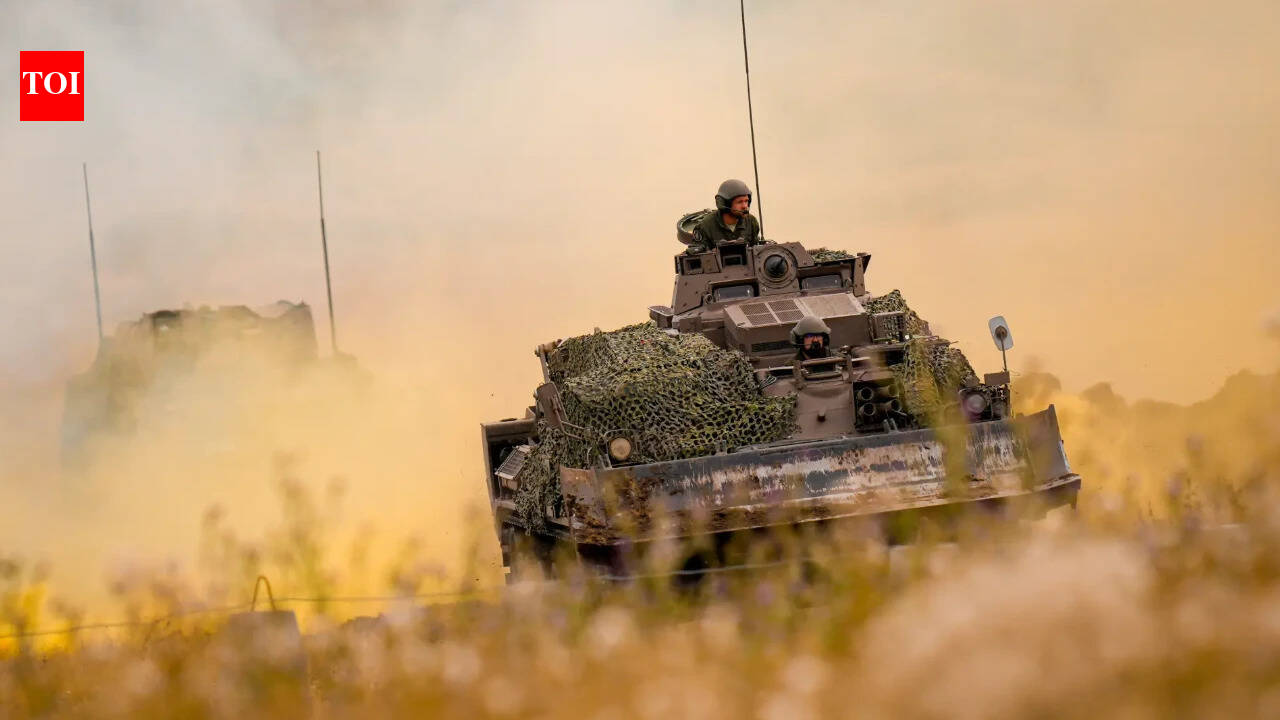
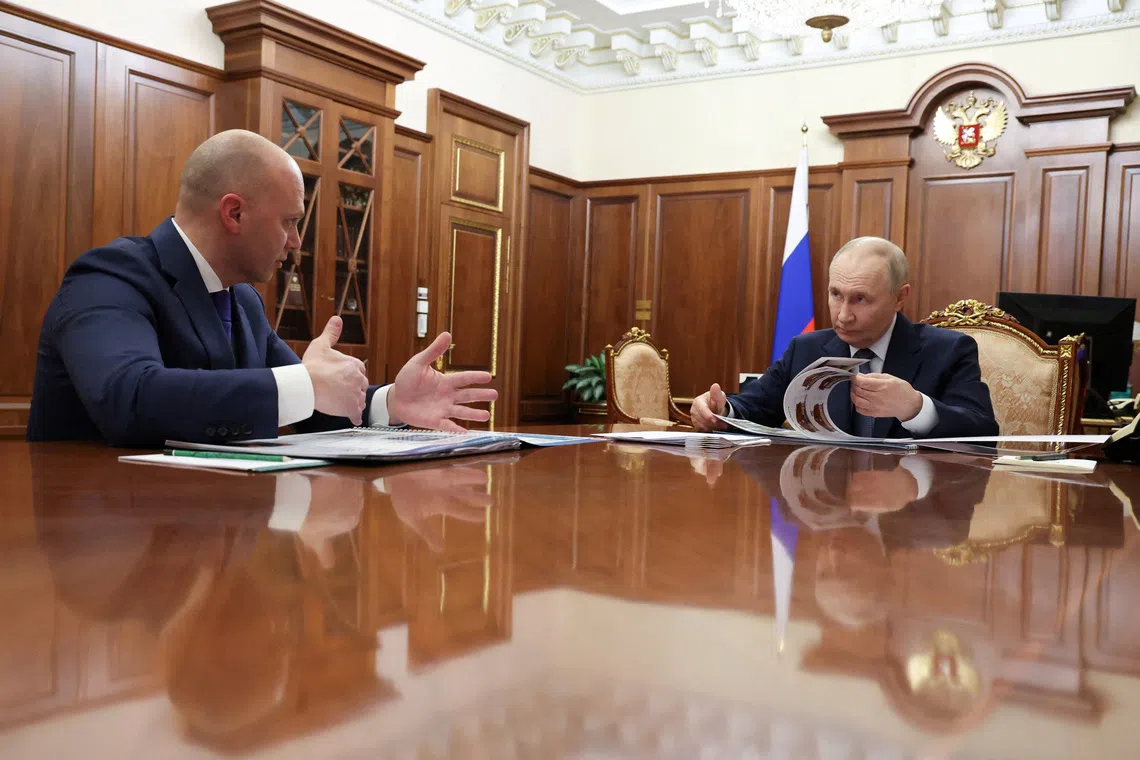
Russia has warned NATO against isolating Kaliningrad, stating that such actions could lead to military conflict. The Russian embassy in Belgium communicated these concerns directly to NATO and the Belgian Foreign Ministry, emphasizing that Russia possesses sufficient weaponry to defend the region and would be prepared to use its full arsenal if necessary. This warning follows a recent NATO air exercise near Kaliningrad involving around 25 to 50 aircraft from multiple countries, which Moscow views as escalatory and potentially threatening.
Written locally by qwen2.5:14b on 2026-09-29,
using this article's own text rather than the other coverage of the
same event (that is the story summary below).
Story summary
In early October 2023, Russia warned NATO that it would be prepared to use nuclear weapons if the alliance attempted to isolate Kaliningrad, a Russian exclave on the Baltic Sea bordered by Poland and Lithuania. The warning came in a diplomatic document and was echoed by Russian embassies in several European countries, accusing NATO of an "aggressive policy" and increasing risks of direct military confrontation. Moscow claims it has information suggesting NATO is preparing an air and naval blockade of Kaliningrad. In response, NATO Secretary General Mark Rutte emphasized that the alliance remains defensive and urged Russia to stop issuing nuclear threats. The tensions arise as Russian President Vladimir Putin continues his invasion of Ukraine, with Kaliningrad serving as a strategic military outpost for Moscow's Baltic Fleet and missile systems.
Written for “Russia Nato Kaliningrad Tensions” on 2026-10-05,
grounded in this article and the 17 other(s) covering the same event.
Russia has warned Nato against trying to isolate Kaliningrad, saying any such move could trigger a direct military confrontation.
uncertain
move → warn → confrontation
Moscow said it has enough weapons to defend the Russian exclave and would be prepared to use its entire arsenal if Nato attempted to cut the region off from the rest of Russia.
asserted
Nato → say → Russia
The warning came from the Russian embassy in Belgium, which handles Moscow's diplomatic contacts with Nato.
asserted
which → come → Nato
The embassy said it had raised its concerns with the Nato International Secretariat and the Belgian Foreign Ministry.
asserted
it → say → Secretariat
"Amid the aggressive policy pursued by Nato leadership and member countries, the embassy has conveyed our principled approaches to the Nato International Secretariat and the Belgian foreign minisry," TASS reported citing a statement by the Russian Embassy to Belgium, which is in charge of diplomatic contacts with the North Atlantic alliance.
asserted
which → pursue → alliance
"We warned that this reckless and irresponsible approach sharply increases the risks of a direct military confrontation with our country," it further said.
asserted
it → warn → country
Why Kaliningrad is at the centre of tensions
Kaliningrad is a Russian territory on the Baltic Sea that is separated from mainland Russia by other countries.
asserted
that → separate → countries
It lies between Nato members Poland and Lithuania, making its location strategically sensitive for both Moscow and the alliance.
asserted
location → lie → Moscow
The latest Russian warning comes about a month after Nato conducted an air exercise over northeastern Poland, close to Kaliningrad.
asserted
Nato → come → Kaliningrad
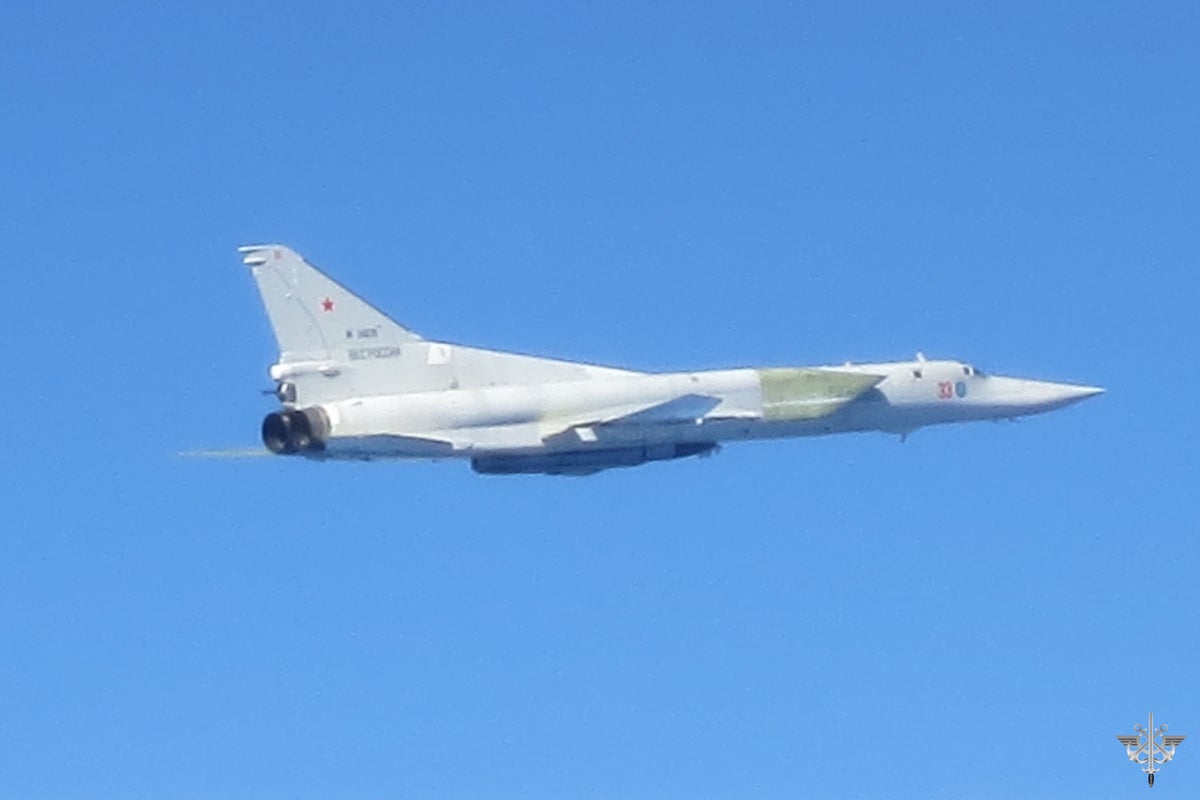
The planned drill involved US and Norwegian fighter jets, a Nato E-3A Sentry AWACS surveillance aircraft, aerial-refuelling tankers and a US EA-37B electronic-warfare aircraft.
asserted
drill → plan → jets
Estimates put the number of aircraft involved at between about 25 and 50.
asserted
Estimates → put → 25
Poland's Operational Command said the exercise was coordinated by Nato and was not linked to any Russian air force activity.
asserted
exercise → say → activity
The stated aim was to improve interoperability between allied forces and practise joint air-operation scenarios.
asserted
aim → state → scenarios
Moscow warns against isolating the exclave
Russia has now linked its broader concerns about Nato activity around Kaliningrad to the possibility of the region being isolated from mainland Russia.
asserted
region → warn → Russia
Moscow says any attempt to do so would amount to aggression against Russian territory.
asserted
attempt → say → territory
"We emphasized that Russia possesses the necessary means to repel potential aggression and stands ready to deploy its entire available arsenal of weapons if Nato countries try to isolate the Kaliningrad Region from the rest of our country," Russian diplomats said.
asserted
diplomats → emphasize → country
The embassy also urged Nato members to avoid further actions or rhetoric that could worsen the situation.
uncertain
that → urge → situation
"We called upon the bloc’s member states to refrain from further escalatory rhetoric and actions in order to prevent a large-scale confrontation," the embassy added.
asserted
embassy → call → confrontation
ALSO READ | Russia planning 'grey zone operations'?
asserted
Russia → plan → operations
Why is Europe intuitively spooked
asserted
Europe → spook → ?
 The Aporia