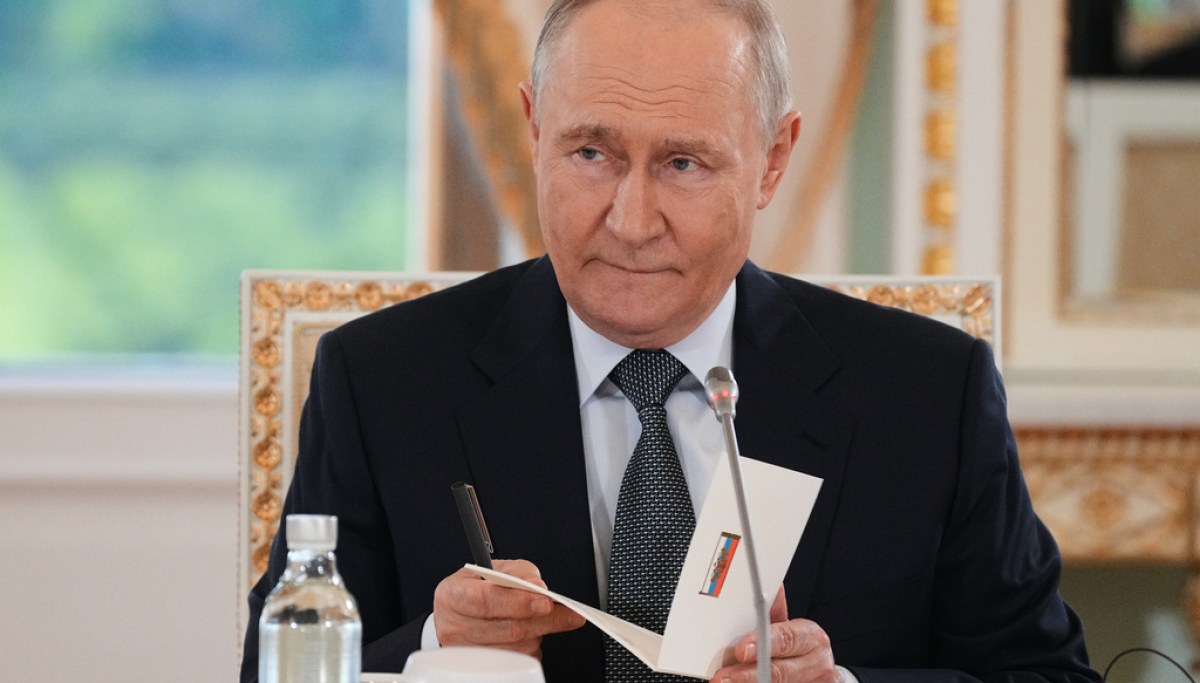
On October 1, Russian President Vladimir Putin issued a warning to the West.
asserted
Putin → issue → West
In a grand hall in Moscow, Mr. Putin sat before an audience of foreign policy experts at the Valdai Discussion Club.
asserted
Putin → sit → Club
“If it comes to a direct attack on the Russian Federation... then, of course, the question of the Russian Federation deploying all types of weapons at our country’s disposal will inevitably and immediately be on the agenda.
asserted
Federation → come → agenda
He was referring to Kaliningrad.
asserted
He → refer → Kaliningrad
Mr. Putin continued to insist that Moscow had no plans to attack anyone — neither in 2029, not in 2030, not even in 2050.
asserted
Moscow → continue → 2050
But if aggression came, he said, Russia would be compelled to respond.
asserted
Russia → come → ?
European citizens, he added, should understand this clearly.
asserted
he → add → this
The warning did not appear out of nowhere.
asserted
warning → appear → ?
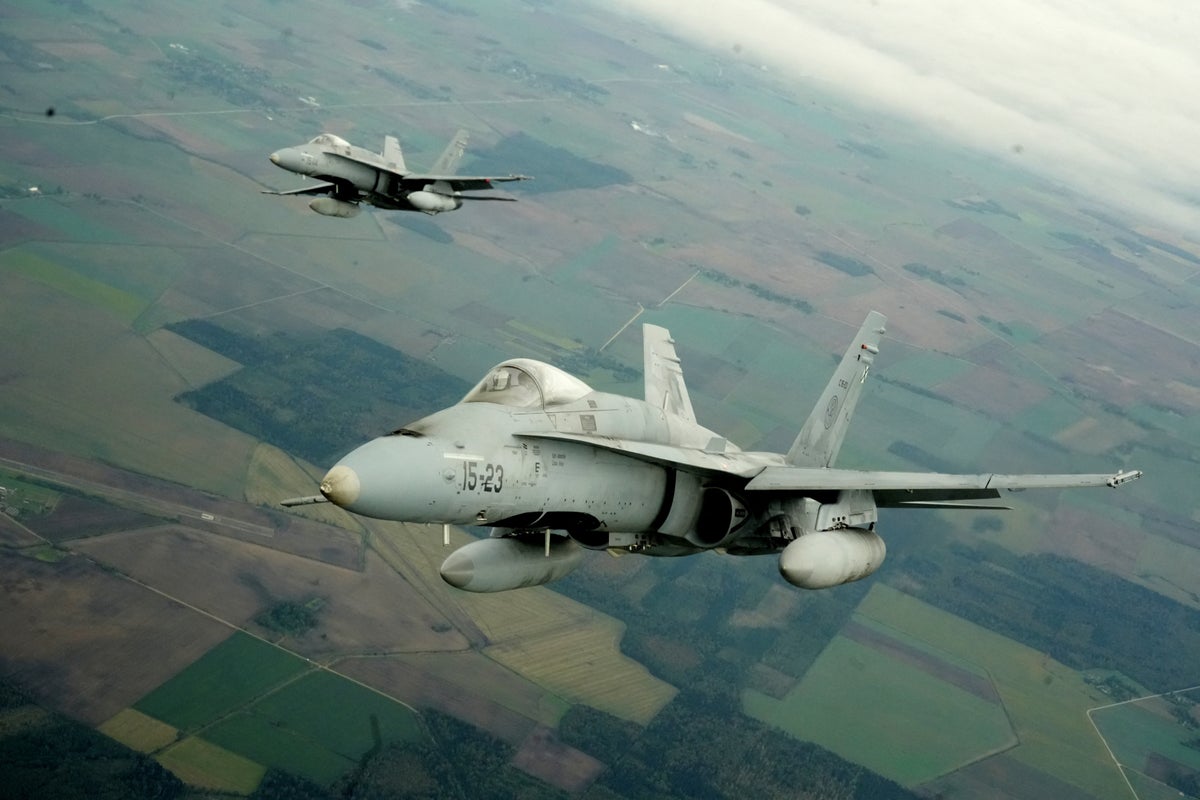
For months, NATO (North Atlantic Treaty Organization) countries have been increasing military activities in the Baltic Sea and around Russia’s western borders.
asserted
countries → increase → borders
Also Read | Russia issues nuclear warning to NATO as tensions rise in the Baltic
Russia has accused the alliance of increasing military pressure around Kaliningrad and has sent a formal diplomatic note to NATO over what Moscow sees as attempts to isolate the territory.
asserted
Moscow → read → territory
NATO, however, has rejected those accusations, saying its activities in the region are ‘defensive’.
asserted
activities → reject → region
“I can confirm that Russia sent a non-paper to NATO and that we have sent a response, noting that NATO is a defensive alliance and none of our activities or exercises pose a risk to any part of Russia,” said alliance spokesperson Allison Hart.
asserted
Hart → confirm → Russia
“We strongly denounce the threat of force, including any irresponsible nuclear rhetoric,” she added.
asserted
she → denounce → rhetoric
Part of Moscow’s reaction, according to Financial Times, was also directed at recent British media coverage of the exclave, including a Sky News documentary depicting a fictional war-gaming scenario.
uncertain
Part → accord → scenario
Kaliningrad is a Russian exclave; a piece of sovereign Russian territory that is separated from the rest of the country by land.
asserted
that → separate → land
It sits on the Baltic Sea, wedged between Poland and Lithuania, both NATO members.
asserted
It → sit → Poland
It has no land border with mainland Russia and is roughly the size of the U.S. state of Connecticut, as Reuters describe.
asserted
Reuters → have → Connecticut
The Soviet Union took control of the territory after the Red Army captured Königsberg in April 1945 and the victorious Allies divided East Prussia at the end of the Second World War.
asserted
Allies → take → War
The city was renamed Kaliningrad in 1946, and it was rebuilt as a Soviet military and industrial centre.
asserted
it → rename → centre
When the Soviet Union collapsed in 1991 and the Baltic states became independent, Kaliningrad became an exclave.
asserted
Kaliningrad → collapse → 1991
Today, around a million people live there.
asserted
people → live → ?
Also Read | Putin says Russia will use ‘all weapons’ in its arsenal if any of its territory is attacked
Strategic importance
Not only is Kaliningrad a military asset for Russia, but also a vulnerability.
asserted
Kaliningrad → read → Russia
Its location gives Moscow a military position close to Poland, Lithuania, and the rest of NATO’s eastern side.
asserted
location → give → side
Russia has deployed air-defence systems, coastal-defence missiles, and Iskander missiles there, giving it the ability to project military power across parts of the Baltic region.
asserted
Russia → deploy → region
It is isolated from mainland Russia, surrounded by NATO territory and the Baltic Sea.
asserted
It → isolate → territory
In the event of a war, Russia would find it much harder to reinforce and supply the territory.
asserted
it → find → territory
The Suwałki Gap makes this even more important.
asserted
this → make → ?
The alliance would need to keep this corridor open to move military support into the Baltic states in the event of a conflict.
asserted
alliance → need → conflict
Russia has Kaliningrad on one side of the gap and its ally Belarus on the other.
asserted
Russia → have → other
That is why this area is so closely watched by both sides.
asserted
area → watch → sides
The rhetoric now
The military geography of the Baltic region has changed significantly since Russia’s invasion of Ukraine in 2022.
asserted
geography → change → 2022
NATO has increased its military presence in the region, while Finland and Sweden have joined the alliance, fundamentally changing the strategic geography of the Baltic Sea.
asserted
Finland → increase → Sea
NATO has also increased maritime surveillance and launched Baltic Sentry in 2025 to strengthen the protection of critical undersea infrastructure.
asserted
NATO → increase → infrastructure
From NATO’s perspective, these measures are defensive, but Moscow sees them differently.
asserted
Moscow → see → them
Russia has repeatedly accused NATO of increasing military pressure around its borders and and of trying to limit Russia’s influence.
asserted
Russia → accuse → influence
NATO Secretary General Mark Rutte responded by saying the alliance had responded to Russia’s message: “We are a defensive alliance.
asserted
We → respond → message
This is absolutely not called for and not helpful.”
asserted
This → call → ?
This is not the first time Kaliningrad has become the centre of warnings from Russia to the West.
asserted
Kaliningrad → become → West
In 2022, after the EU imposed sanctions on Russia following its invasion of Ukraine, Lithuania restricted the transit of certain sanctioned goods through its territory to Kaliningrad.
asserted
Lithuania → impose → Kaliningrad
Moscow called the move a “blockade” and threatened retaliatory measures.
asserted
Moscow → call → measures
…and 12 more, not listed.
 The Aporia