Election analyst Charlie Cook told Republicans today to “brace themselves” for the midterms.
asserted
Cook → tell → midterms
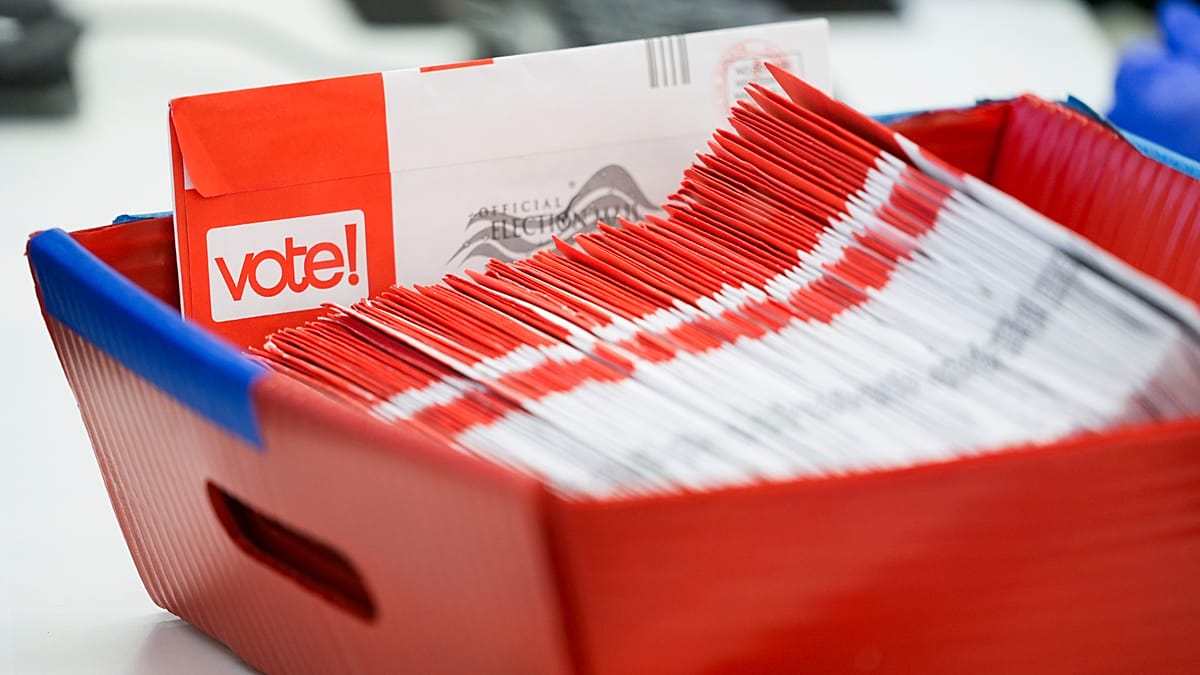
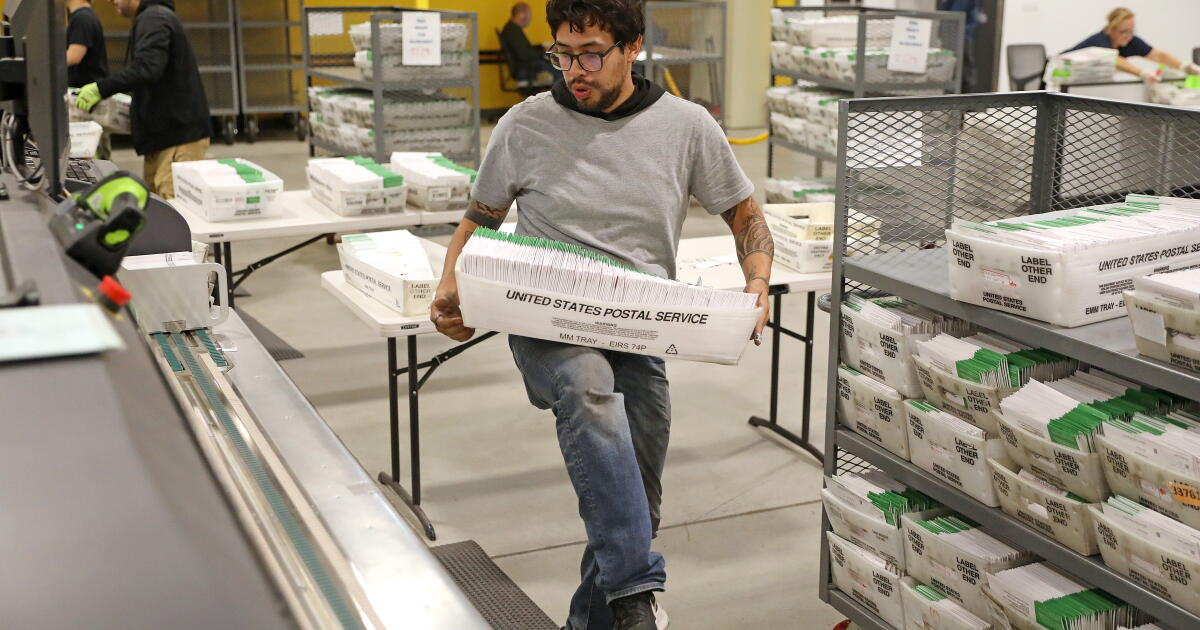
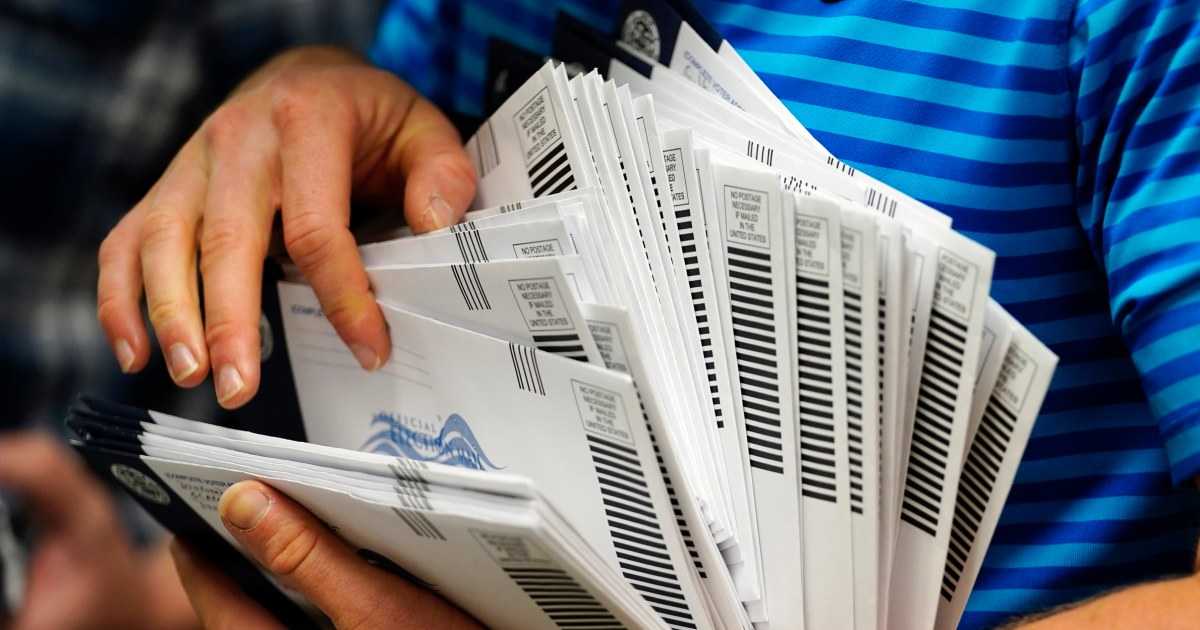
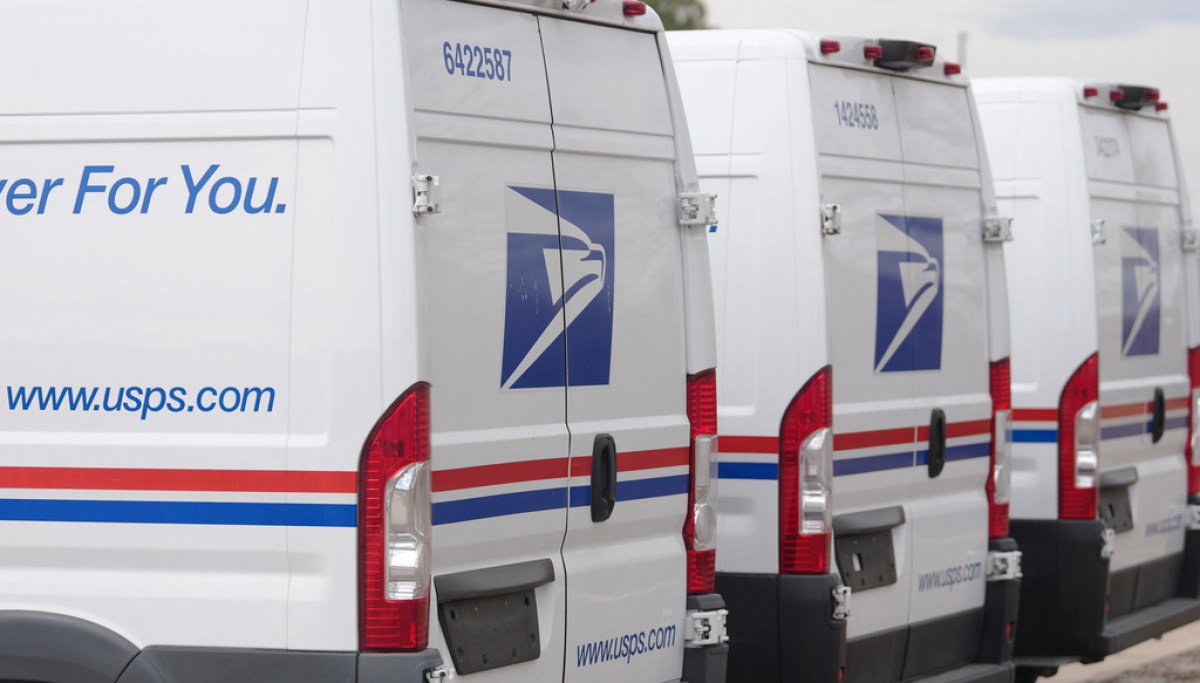
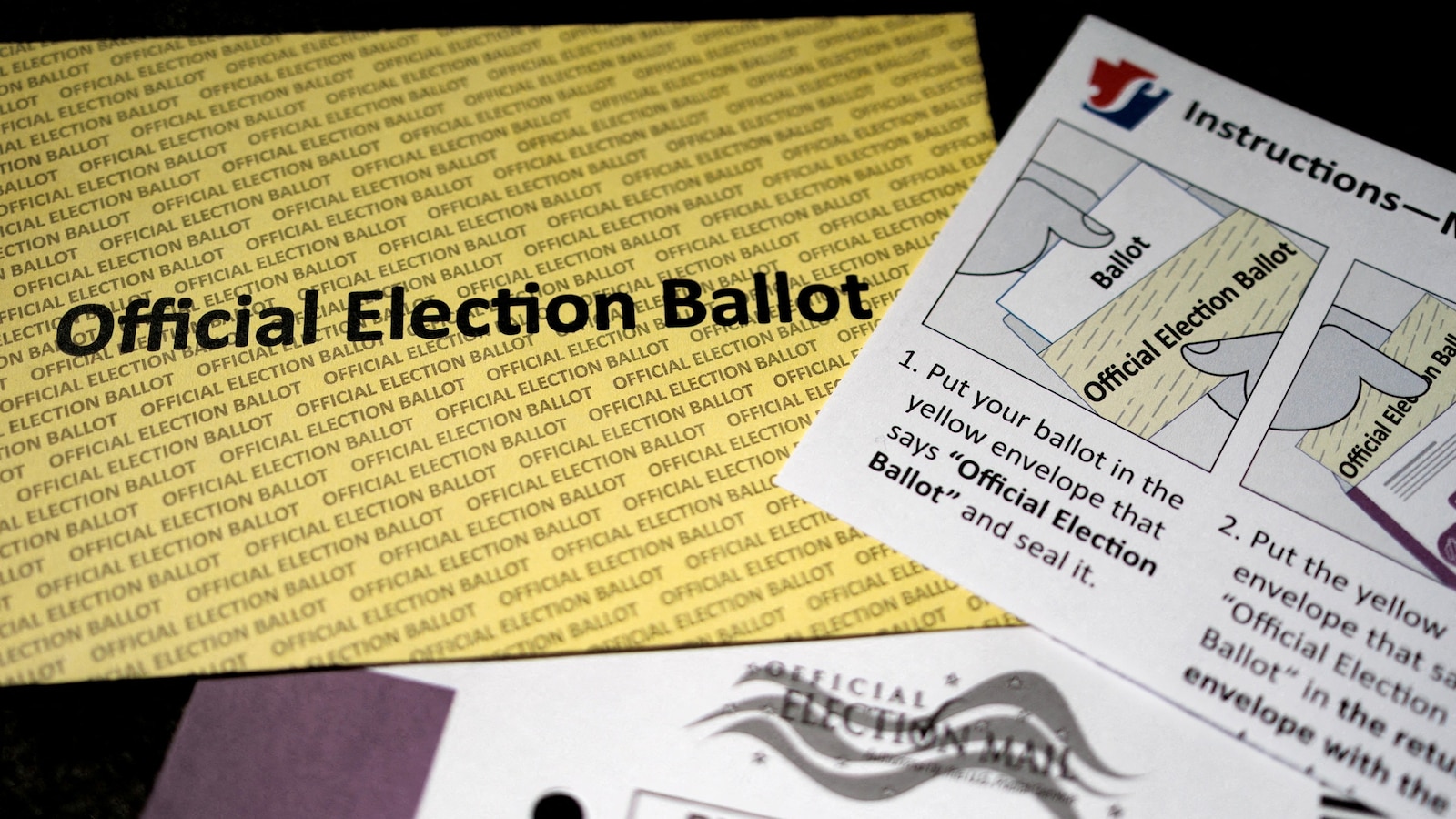
To stop voters from turning Republicans out of office and handing Democrats control of the House of Representatives, the Senate, or both, the Trump administration is trying to implement a new rule for the United States Postal Service that would enable it to act as a gatekeeper for who can vote by mail.
asserted
who → stop → mail
Such a measure flies in the face of the fact that the Constitution gives states, not the federal government, control over elections, while the role of the USPS is simply to carry mail.
asserted
role → fly → mail
Nonetheless, the administration insists this novel measure is necessary to combat voter fraud.
asserted
measure → insist → fraud
There is widespread consensus that voter fraud is not a real issue in the United States.
asserted
fraud → be → States
Notably, President Donald J. Trump himself votes by mail, along with about a third of all U.S. voters.
asserted
Trump → vote → voters
On Monday, news broke that a whistleblower has said there are “potentially catastrophic problems in the…new system for handling federal election ballot mail.”
asserted
whistleblower → break → mail
“As presently designed,” the whistleblower said, “if even one bar code on one single ballot in a bulk-mailing of 10,000 ballots fails to properly scan during the verification process, the entire batch is rejected and sent back to the state—effectively stopping the ballots from being mailed to voters.”
asserted
batch → design → voters
Judge Indira Talwani of the U.S. District Court for the District of Massachusetts has blocked the administration’s plan until September 10.
asserted
Talwani → block → September
Today, a day before the state starts sending out mail-in ballots to voters, she held a hearing about whether to extend that block.
asserted
she → start → block
“We are 70 days from the election and I have nothing from the USPS about how this will happen,” she said to Michael Velchik, the Justice Department lawyer representing the Postal Service.
asserted
she → have → Service
Lawyers for the USPS suggested the new plans were independent of Trump’s March executive order calling for a national list of citizens against which the USPS would check mail-in ballots.
uncertain
USPS → suggest → ballots
Talwani expressed concern that the new system could cause “major disenfranchisement” and said it was “puzzling” that there is such a rush to put the system in place.
uncertain
it → express → place
She also noted that if states wanted such a system, they could have put one in place.
uncertain
they → note → place
“Why is it you want U.S.P.S. to stop batches of ballots from your voters?” she asked a lawyer for a group of Republican-dominated states.
asserted
she → want → states
“You can decide you want those measures in your state,” she said.
asserted
she → decide → state
“I don’t understand—you come to me and say, ‘We really want to have election integrity in our state decided by U.S.P.S.’?”
asserted
integrity → understand → U.S.P.S.
Apparently concerned about the direction of the hearing, Solicitor General John Sauer went directly to the Supreme Court this afternoon to ask it to let the new restrictions on mail-in ballots go into effect.
asserted
restrictions → concern → effect
As Law Dork’s Chris Geidner notes, although Talwani found that the new requirements were significant and likely unconstitutional, the Department of Justice is arguing that the new rule “imposes only modest requirements on the use of the federal postal system” and “does not regulate state administration of elections.”
asserted
rule → note → elections
With just four days of work under their belts after the August recess, House speaker Mike Johnson (R-LA) today canceled votes for the last two weeks in September, leaving the House with only another four days in Washington between now and the midterms.
asserted
Johnson → cancel → midterms
Leaving town will protect Republicans from having to weigh in on Trump’s wild AI posts that he has won the war in Iran, his threats to sic the Federal Communications Commission on journalists who report his tanking job approval ratings, or his claims that the economy is thriving.
uncertain
economy → leave → ratings
Today G. Elliott Morris and David Nir of Strength in Numbers noted that “Donald Trump is acting like he *wants* to lose the midterms.”
asserted
he → note → midterms
Their evidence is that he has taken to supporting the losing side of issues.
asserted
he → take → issues
“From tweeting his support for data centers…to renaming Lake Ontario to lavishly spending on the White House ballroom, Donald Trump is constantly taking positions that are opposed by the vast majority of voters.”
asserted
that → tweet → voters
Yesterday the U.S. Mint began selling $1 “gold” coins bearing Trump’s likeness and “LIBERTY 1776–2026” on one side and the presidential seal on the other.
asserted
Mint → begin → other
The mint says the gold-colored coins, which are composed of copper, zinc, manganese, and nickel, are legal tender, as well as collectibles to honor the nation’s 250th birthday.
asserted
which → say → birthday
Although the coins are worth a dollar, Aimee Picchi of CBS News reports, a roll of twenty-five costs $61, and a hundred of them cost $154.50.
asserted
hundred → report → 154.50
Today Interior Secretary Doug Burgum announced that the administration is beginning the construction of Trump’s 250-foot triumphal arch between the Lincoln Memorial and Arlington National Cemetery, despite lack of approvals for the structure.
asserted
administration → announce → structure
In June, Senator Angus King (I-ME) and five Democratic lawmakers who sit on committees responsible for national parks and resources wrote to Burgum to oppose “in the strongest terms” Trump’s proposed triumphal arch.
asserted
who → sit → arch
They pointed out that there are many different laws the construction would break.
asserted
construction → point → ?
“Most fundamentally,” though, they wrote, the arch falls within an area called Area I that Congress established in the 1986 Commemorative Works Act.
asserted
Congress → write → Act
In that law, Congress specified that any commemorative work within Area I requires Congress to pass a law authorizing the memorial.
asserted
work → specify → memorial
Congress has done no such thing.
asserted
Congress → do → thing
Luke Broadwater and Emily Badger of the New York Times reported that Representative Donald S. Beyer Jr. (D-VA), whose district includes Arlington National Cemetery, said that Trump and Burgum were “disregarding the risks and rushing this towering monument to Trump’s vanity because they believe Republicans will get crushed in November.”
asserted
Republicans → report → November
There is already speculation about what the midterms will bring.
asserted
midterms → be → what
Nandita Bose, Humeyra Pamuk, and Gram Slattery reported today at Reuters that Trump’s top aides are trying to keep events in Iran quiet before the midterms to keep the conflict out of the news and avoid making voters even angrier than they already are, but are already considering ramping up attacks after the election is over.
asserted
election → report → attacks
The election might also change calculations about a new Epstein Files Transparency Act 2.0, backed by Representatives Ro Khanna (D-CA) and Thomas Massie (R-KY).
uncertain
election → change → Khanna
The new measure would give state courts access to the Epstein files to launch their own prosecutions since the Department of Justice under Trump is stonewalling the process.
asserted
Department → give → process
Khanna and Massie are trying to force the House to vote on the measure by pushing it to the floor under a discharge petition, which bypasses the House speaker.
asserted
which → try → speaker
Joshua Barajas of PBS News reported Massie’s comment to the Washington Times, in which he said that if the three Republicans necessary to reach the 218-signature threshold to push through the discharge petition won’t sign it before the midterms, he is confident of sufficient support after the election if Democrats retake the majority in the House.
asserted
Democrats → report → House
 The Aporia