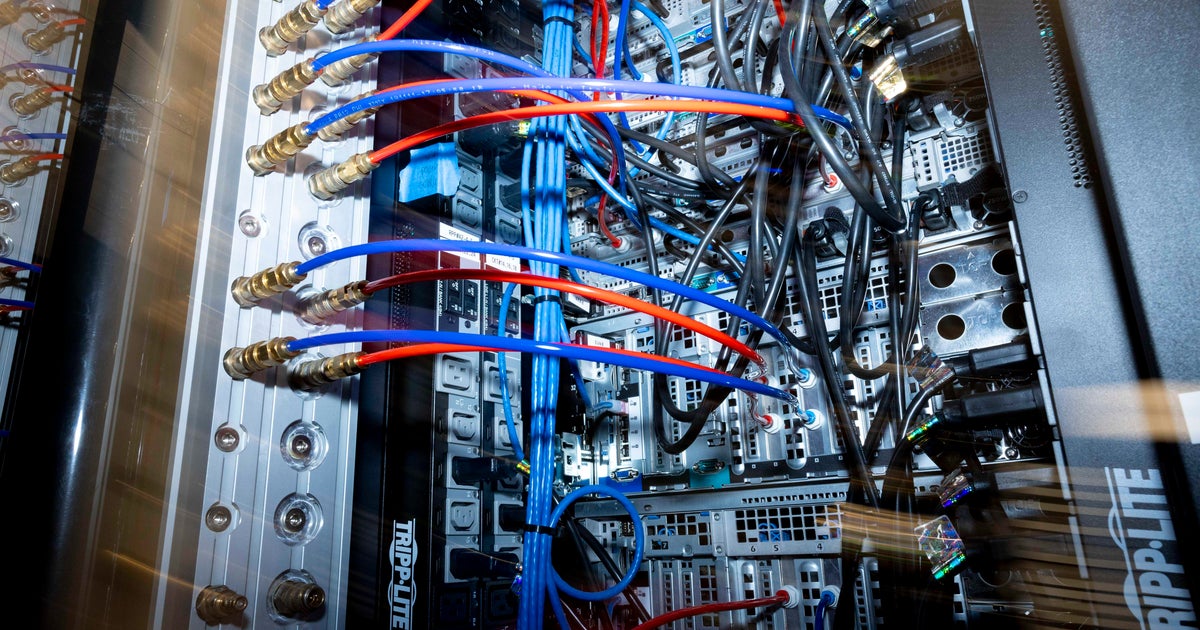
Photo via BBC News

Four ways to keep your energy bills down

Read the original at BBC News ↗
Cite

BBC News. (2026, September 28). Four ways to keep your energy bills down. BBC News. https://www.bbc.co.uk/news/articles/crm4rygl4m3o?at_medium=RSS&at_campaign=rss

Dated when The Aporia collected the article, usually within hours of publication. Check the original for its exact date and byline.

BBC News · collected 2026-09-28 · by BBC News

Quick Summary

Energy prices reached a three-year high at the beginning of October and are expected to rise further in January, affecting millions on variable tariffs due to Ofgem's price cap. The article outlines four strategies to manage these increases: switching to fixed-rate tariffs for stable unit pricing; paying by direct debit to avoid higher standard credit rates and access better deals; and checking eligibility for financial support like the £150 discount for those on means-tested benefits, which will be applied automatically except in Scotland where consumers need to request it.
Written by AI on 2026-09-28, from this article's own text only (the story summary below draws on all the coverage).

AI analysis

Story summary

Energy prices in the UK reached a three-year high at the start of October, with forecasts predicting further increases in January. The energy regulator Ofgem sets a price cap that affects millions on variable tariffs, but those using more energy may face higher bills if it gets colder. To manage rising costs, Ofgem advises considering fixed-rate tariffs to ensure stable prices per unit of gas or electricity, even though the total bill will still vary based on usage. However, deciding whether to switch now is challenging due to uncertainties about future global events and their impact on energy prices. For instance, if tensions in Iran ease, international gas prices could drop, making current fixed-rate deals less advantageous compared to variable tariffs.

Written for “Energy Bill Savings Tips” on 2026-11-18, grounded in this article and the 0 other(s) covering the same event.

Compared with similar articles

This article reads unscored and hedges 15% of its claims. Each row says how that neighbour differs.
CBS News
Hedges 9 of 29 claims Outlet record 67/100
“The articles discuss different aspects of rising energy costs without describing the same specific incident or occurrence.”
BBC News
Hedges 3 of 59 claims Outlet record 65/100
“The articles discuss rising energy costs but describe different aspects of the issue, with Article A providing general advice and Article B focusing on a specific price increase by SSE Airtricity in Northern Ireland.”
The Independent
Hedges 8 of 48 claims Outlet record 59/100
“The articles discuss different aspects of rising energy costs; Article A focuses on tips to manage increased bills due to Ofgem's price cap, while Article B explains reasons for higher gas prices related to the conflict in Iran and oil supply issues.”
Evening Standard
Hedges 1 of 20 claims Outlet record 64/100
“Article A discusses general advice on managing rising energy bills, while Article B reports on a specific increase in Ofgem's price cap taking effect.”
Evening Standard
Hedges 0 of 18 claims Outlet record 64/100
“The articles discuss related topics but describe different aspects of energy pricing and Ofgem's price cap impacts.”
The Guardian
Leans left Hedges 1 of 9 claims Outlet record 64/100
“The articles discuss rising energy prices but describe different aspects and forecasts; Article A suggests ways to manage costs while Article B focuses on a specific forecasted increase.”
Daily Mail
Hedges 1 of 28 claims Outlet record 70/100
“The articles discuss related issues around energy price hikes but describe different aspects and timings of the event.”
Evening Standard
Hedges 1 of 22 claims Outlet record 64/100
“The articles discuss different aspects of energy price changes; Article A gives general advice on managing rising prices while Article B reports on a specific 4% increase taking effect and predicts future increases.”
Evening Standard
Hedges 1 of 23 claims Outlet record 64/100
“Article A discusses general tips to manage energy bills due to rising prices, while Article B reports on a specific increase in the energy price cap effective from October.”
Evening Standard
Leans left Hedges 2 of 19 claims Outlet record 64/100
“The articles discuss rising energy prices and bills but describe different aspects of the situation without clearly reporting on the exact same incident.”

Story

Energy Bill Savings Tips
Economy/Business · 1 article(s) covering the same event.
How this article was measured signals, leaning charts, publisher record, byline, topics and claims

Signals How these are calculated →

Claims extracted
33
sentences that state something as happening or true
Uncertain
15%
5 of 33 hedged ("reportedly", "may", "according to")
Leaning
not political
takes no side on a contested political question
Publisher signals
65/100
BBC News's corrections and hedging, across everything collected from it. Not a measure of accuracy.
Outlets on this story
1
Economy/Business
Same framing elsewhere
1
articles that frame the event the way this one does
Analyzed 2026-09-28 · how these are computed

How this is being covered How these are calculated →

Article leaning vs. publisher reliability
Source leaning vs. consistency

Publisher

BBC News · 6152 article(s) · 9 correction(s) detected
Running correction rate · 9 correction(s)

Who wrote this

BBC News
277 article(s) here · 1 carrying a prediction
Prices rose 3.6% in the year to October, up from 3.5% in September, the Office for National Statistics (ONS) said. Higher oil prices were also affecting the wider economy, the ONS said, continuing to drive up the cost of raw materials and goods leaving factories. Global oil prices have surged in recent months due to the US-Iran war, with the Bank of England raising nterest rates for the first time in three years earlier this month in a bid to slow price rises. Rates were increased to 4%, with the Bank signalling a further rate rise could be likely unless the conflict in the Middle East is resolved.
2026-11-18 · mixed framing · Higher fuel prices push UK inflation to 3.6%
Chants of "Nathan Cofnas shut him down" could be heard.
A spokesman said that intelligence reports it received were acted upon, but it acknowledges Arter could have been arrested sooner.
Bail conditions or custody would have prevented him from taking his wife, Rebekah, to Barbados.
- Published Lindsay Clancy, the Massachusetts woman accused of murdering her three children, will face a second trial next year, a judge has decided.
- Published The prime minister is expected to argue that the UK has lost more than it has gained from leaving the European Union in a speech ahead of a UK-EU summit in Brussels later this week.
Brian MacKinnon targeted Prof Brian Whiting, 87, as he lay in bed with his wife, the day after a BBC docudrama on his ruse was broadcast. My Old School chronicled MacKinnon's return to Bearsden Academy, as Brandon Lee, a 16-year-old who had supposedly just moved to Scotland from Canada. MacKinnon hatched the plan so he could pursue his dream of becoming a doctor having been thrown out of Glasgow University, when Prof Whiting was dean of the medical school.
"We will continue to support them in any way that we can at this incredibly difficult time.
2026-11-15 · assertive framing · Man dies after being hit by ambulance near Sunderland
Pat McFadden told the BBC that job support should be given a "legislative underpinning", adding the level of assistance on offer was currently "vague". It comes ahead of a long-awaited review - set to be published on Tuesday - by former Labour cabinet minister Alan Milburn, which will say that under-25s should be guaranteed job placements or training to help them find permanent work. Milburn is also expected to recommend that some young people should see their entitlement to claim benefits reduced, to free up funding for the new system. Speaking to Sunday with Laura Kuenssberg, Milburn said he wanted a major shift in the ratio of spending on benefits versus employment support.
This breaking news story is being updated and more details will be published shortly.
2026-11-15 · assertive framing · Man and woman die in police pursuit crash
Wire or desk byline, not an individual reporter.
Also by BBC News
Nothing else under this byline is closely related to this article, so these are simply their most recent.
All 277 articles by BBC News →

Topics

Iran Money Saving Expert Ofgem Scotland Which

Subjects

Ofgem ORG · 4× external ORG · 3× Citizens Advice ORG · 1× Energy UK ORG · 1× Iran GPE · 1× Money Saving Expert ORG · 1× Scotland GPE · 1× Which ORG · 1×

Narrative

4. Take another look at your energy use Once the temperature outside starts to fall again, it is important to stay warm, especially for the very young, old, and those with health conditions or reduced mobility. But there are plenty of ways you can keep bills lower without letting the temperature in your home fall below the recommended 18C minimum.
framing: assertive · carried by 1 article(s) · first seen 2026-09-28
- Published Energy prices are rising to a three-year high at the start of October and forecasts suggest there will also be a hefty increase in costs in January.
2026-09-28 · BBC News
Four ways to keep your energy bills down · assertive framing

Claims (33 extracted, 5 hedged)

- Published Energy prices are rising to a three-year high at the start of October and forecasts suggest there will also be a hefty increase in costs in January. asserted
forecasts → publish → January
Regulator Ofgem's price cap affects millions of people on variable or default tariffs, but those on a range of tariffs may use more energy - and so pay more - if it proves to be a cold winter. uncertain
it → affect → more
So what can you do to keep a check on rising bills? asserted
you → do → bills
1. Consider switching to a fixed rate The energy regulator, Ofgem, is advising people to consider fixing - so that the price you are charged per unit of gas or electricity does not change every three months, although the total bill will still vary depending on how much energy you use. asserted
you → consider → energy
The trouble is that it is very difficult to work out whether a fixed deal is a good deal at the moment. asserted
deal → work → moment
Should energy prices rise sharply, then those who have fixed already have the certainty of what they will pay for each unit of energy. asserted
they → rise → energy
However, if events in the Gulf region settle down, and a peace deal in the Iran war leads to lower international gas prices, then a longer-term fix might not seem such good value compared with the price cap. uncertain
fix → settle → cap
So consumer group Which? also recommends keeping an eye on any exit fees when picking a fixed deal. asserted
? → recommend → deal
If variable prices fall below your fixed rate and you want to get out of it before the end of your agreement period, you may have to pay a hefty sum. uncertain
you → fall → sum
Before you fix, consumer website Money Saving Expert advises you look at all the deals available, not just what your own supplier is offering. asserted
supplier → fix → what
Pay by direct debit Ofgem says about five million people still pay their bill when it arrives every three months. asserted
it → pay → bill
For some that's because they do not want their supplier to estimate their usage in case they are overcharged. asserted
they → want → case
Taking regular meter readings, or having a smart meter, while paying by monthly direct debit solves that problem. asserted
Taking → take → problem
Moreover, paying by direct debit costs less per unit than by so-called standard credit. asserted
paying → pay → credit
You will usually - although not always - need to switch to direct debit if you want to take advantage of the fixed deals on offer. asserted
you → need → offer
Customers on prepayment schemes - usually people on low incomes struggling to pay bills - used to pay a higher rate than others, but now they pay slightly less than the capped direct debit variable rate. asserted
they → struggle → rate
There are also a range of pricing schemes offering cheaper off-peak electricity, for example if they are charging an electric car overnight. asserted
they → be → car
3. Check what financial support you can get There are a range of ways people on low incomes can access support. asserted
people → check → support
This winter anyone on means-tested benefits will get £150 off their electricity bill. asserted
anyone → test → bill
Your supplier will apply the discount automatically unless you are in Scotland, where you will need to contact your energy company to ask for the help. asserted
you → apply → help
Some people will also be eligible for a Cold Weather Payment, external and most pensioners will receive the winter fuel payment, after political pressure forced the government to U-turn on its plan to restrict it to the poorest pensioners. asserted
pressure → receive → pensioners
Beyond that, most energy suppliers offer hardship grants for people struggling to pay their bills and the government's Fuel Direct Scheme, external can help you repay energy debt. asserted
you → offer → debt
You can get more advice from Ofgem, external, Citizens Advice, external, or your own energy supplier. asserted
You → get → Ofgem
Trade body Energy UK has a list of support schemes, external. asserted
UK → have → schemes
People on low incomes may also be eligible for grants to help with insulating their homes, and there are local schemes offering grants for solar panels, heat pumps and the like. uncertain
People → help → panels
But if you are hunting round for grants, watch out for scams pretending to be official money-off schemes. asserted
you → hunt → scams
4. Take another look at your energy use Once the temperature outside starts to fall again, it is important to stay warm, especially for the very young, old, and those with health conditions or reduced mobility. But there are plenty of ways you can keep bills lower without letting the temperature in your home fall below the recommended 18C minimum. asserted
temperature → take → minimum
You may already have hung thicker curtains and blocked the draughts over the last couple of winters, but do not forget to switch off radiators in rooms you are not using and wrap up. uncertain
you → hang → rooms
Money Saving Expert advises to "heat the human not the home". asserted
Expert → advise → human
Turning down the flow rate on a combi boiler can save you money as often the water is being heated higher than it needs to be. asserted
it → turn → money
Take shorter showers and wash clothes at 30C rather than 40C. Dry clothes outdoors if you can, rather than using a tumble dryer, or hang clothes indoors but ventilate well or use a dehumidifier to avoid damp. asserted
you → take → damp
If you are thinking about moving home, or undertaking renovations, it is worth thinking through how to reduce bills. asserted
it → think → bills
When it comes to white goods, look for energy-efficient appliances. asserted
it → come → appliances

Give feedback · no sign-in needed

No sign-in needed for now. Your note is sent without a name, so it cannot be answered.

History Support