That is 0 articles you have read today.
The Aporia is free and carries no advertising, so readers are the only
thing paying for it. If you are getting this much out of it, a small
donation is what keeps it independent.
Daily limit reached
You have read 0 articles today.
That is more than the 15 a day The Aporia gives away,
and well past what it can carry on nothing. Your allowance resets at
midnight.
There is no advertising here and nothing about you is sold, so readers
are the only thing paying for it. If the site is worth this much of
your day, it is worth a few dollars.
Everything else stays open: the
maps, the
directory and
search do
not count against this, and neither does re-opening something you have
already read today.
Starting Thursday, Ofgem's energy price cap will increase by 4%, affecting over four million homes on standard tariffs in England, Scotland, and Wales. This hike raises the average annual bill to £1,723, a monthly increase of about £5. The rise is attributed to higher wholesale gas prices due to ongoing conflicts impacting global markets. National Energy Action's chief executive warns that this latest price cap adjustment just before winter will exacerbate challenges for vulnerable households already struggling with energy costs and usage.
Written locally by qwen2.5:14b on 2026-09-30,
using this article's own text rather than the other coverage of the
same event (that is the story summary below).
Story summary
Starting Thursday, October 1, Ofgem's energy price cap rose by 4%, affecting more than four million homes on standard energy tariffs in England, Scotland, and Wales. The average household paying by direct debit for gas and electricity will now face bills of £1,723 annually, marking an increase of £60 per year or £5 monthly. This rise is partly due to higher wholesale gas prices resulting from conflicts in the Middle East, particularly the disruption of gas supplies via the Strait of Hormuz since February 2024. Campaigners like The End Fuel Poverty Coalition have urged Chancellor John Healey to offer additional support in the upcoming budget to mitigate the impact on vulnerable households facing a sixth winter of high energy prices. Cornwall Insight predicts another significant price cap hike of 16% starting January 1, 2025, pushing bills up by £276 to reach £1,999 annually.
Written for “Energy Price Cap Hike” on 2026-10-05,
grounded in this article and the 6 other(s) covering the same event.
More than four million homes who remain on a standard energy tariff are to see their bills rise from Thursday when Ofgem’s price cap increases by 4%.
asserted
cap → remain → %
The increase will see the energy bill for the average household in England, Scotland and Wales paying by direct debit for gas and electricity reach £1,723, up £5 a month or £60 a year if this level was sustained over 12 months.
asserted
level → see → months
The rise comes just as cooler temperatures see many switching on their central heating.
asserted
many → come → heating
The removal of the 5% levy until March 31 next year will save the average bill payer around £45 a year, estimates from the Government show.
asserted
estimates → save → Government
Households will will still pay 5% VAT for gas.
asserted
Households → pay → gas
Ofgem said the increase to its price cap reflected higher wholesale gas prices as a result of the ongoing conflict in the Middle East, with volatile global markets remaining the dominant driver of price changes.
asserted
markets → say → changes
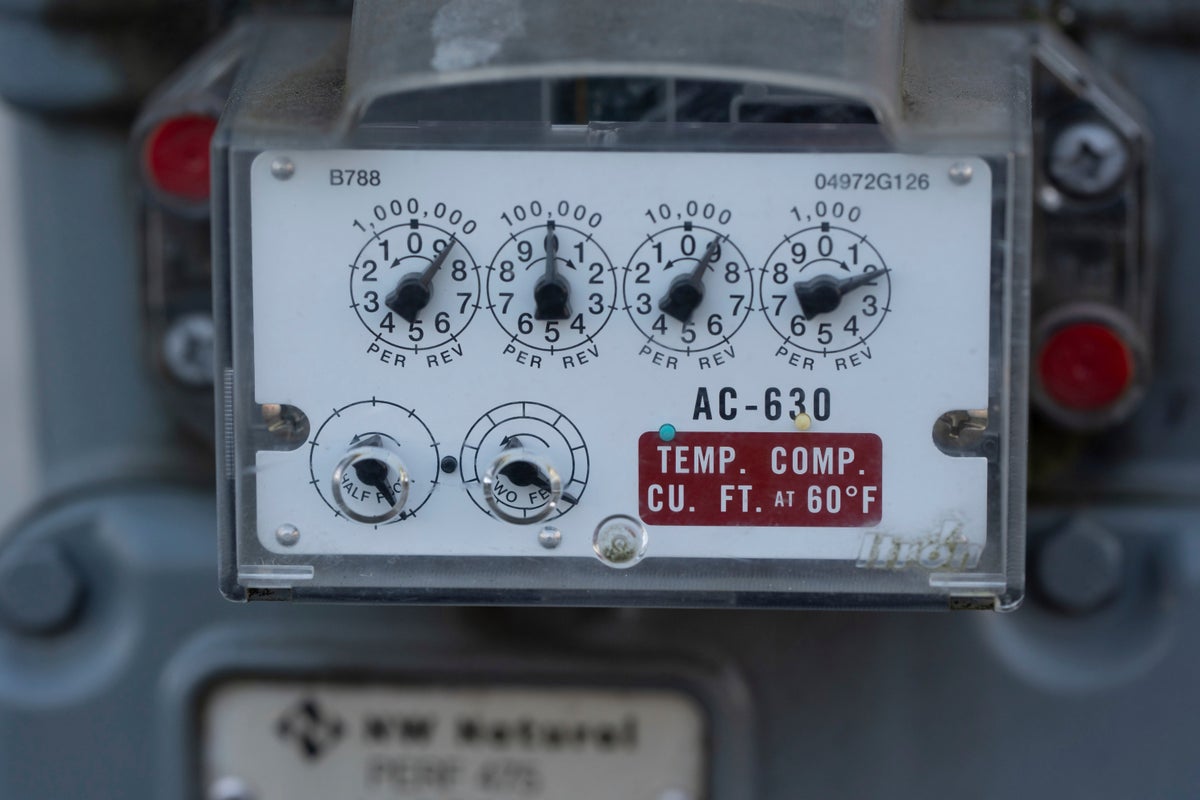
Comparison site Uswitch urged households without smart meters to send in readings to their supplier by the end of the month to avoid being charged higher rates for energy used before October 1.
asserted
Uswitch → urge → October
Homes on a standard tariff with average usage are expected to spend £145 on energy in October, compared with £109 in September.
asserted
Homes → expect → September
The increase of a third is down to a combination of increased usage due to cooler temperatures and higher unit rates under the latest price cap.
asserted
increase → increase → cap
The energy regulator will announce its next price cap, covering January to March 2027, in November.
asserted
regulator → announce → November
The forecasts come amid the US-Iran conflict, which have driven up energy costs worldwide.
asserted
which → come → costs
The blocking of the Strait of Hormuz – a major oil shipping lane – has seen the price of fuel and electricity spike at a rate last seen following Russia’s invasion of Ukraine.
asserted
price → see → Ukraine
Read More
National Energy Action chief executive Adam Scorer said: “This latest price cap rise, just before winter, means there is simply no light at the end of the tunnel for vulnerable and low-income households.
asserted
rise → read → households
“In fact, if forecasts for the January 2027 price cap are correct, then it’s set to get a whole lot darker in the new year.
asserted
it → set → year
“The headline price cap figure is already bad, but it doesn’t reflect the even worse reality for millions of fuel poor households.
asserted
it → reflect → households
Our evidence shows vulnerable and low-income households already skipping food and heating even before this next price cap rise and temperatures start to drop.
asserted
temperatures → show → food
“The Autumn Budget must deliver additional targeted support for households most at risk this winter, alongside action to tackle energy debt and improve the least energy efficient homes.”
Ofgem changes the price cap for households every three months, largely based on the cost of energy on wholesale markets.
The energy price cap was introduced by the Government in January 2019 and sets a maximum price that energy suppliers can charge consumers in England, Scotland and Wales for each kilowatt hour (kWh) of energy they use.
asserted
they → deliver → energy
It does not limit total bills because householders still pay for the amount of energy they consume.
asserted
they → limit → energy
 The Aporia