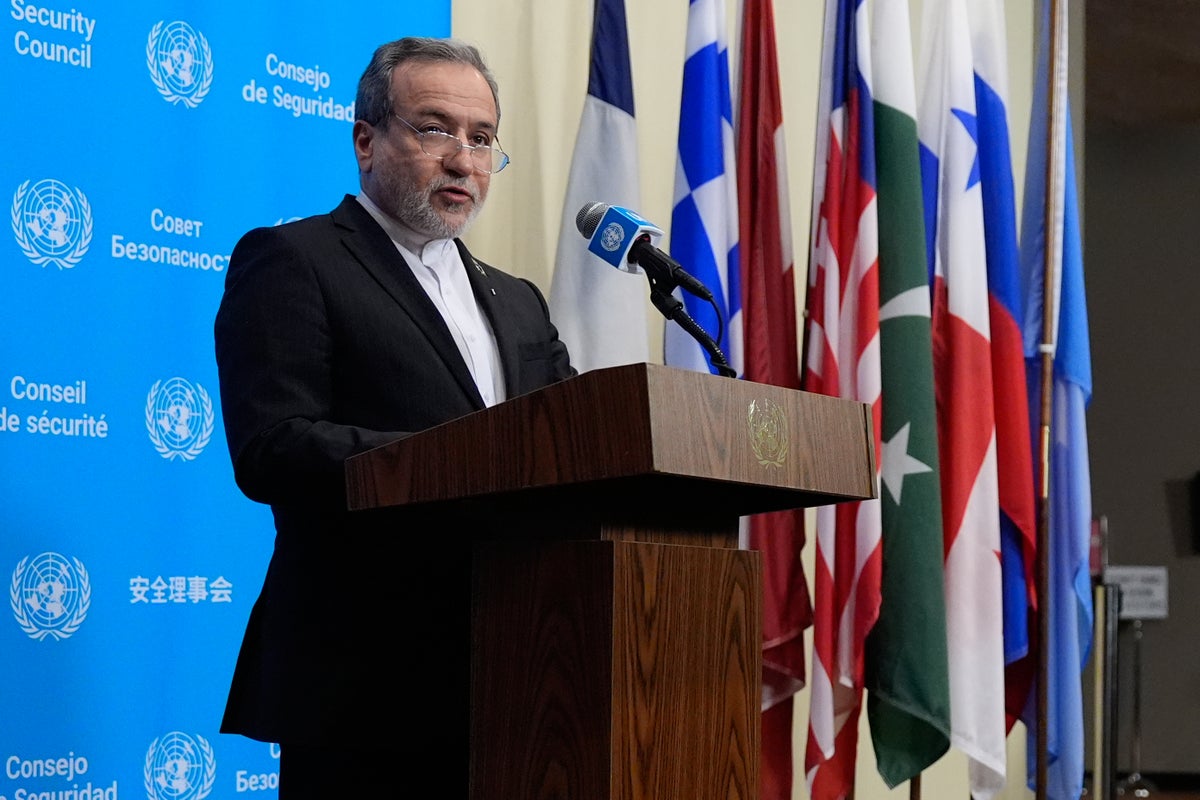
President Trump announced that U.S. negotiators would engage Iranian counterparts this week to discuss reopening the Strait of Hormuz, after rejecting an earlier proposal by Tehran. The Iranian Foreign Minister Abbas Araghchi stated that Iran is willing to reopen the strait if a ceasefire deal is revived and frozen assets are released. Meanwhile, Pentagon denied claims by the Islamic Revolutionary Guard Corps (IRGC) about capturing a U.S. submarine drone in the Strait of Hormuz, while IRGC warned against further attacks from Washington.
Written locally by qwen2.5:14b on 2026-09-28,
using this article's own text rather than the other coverage of the
same event (that is the story summary below).
Story summary
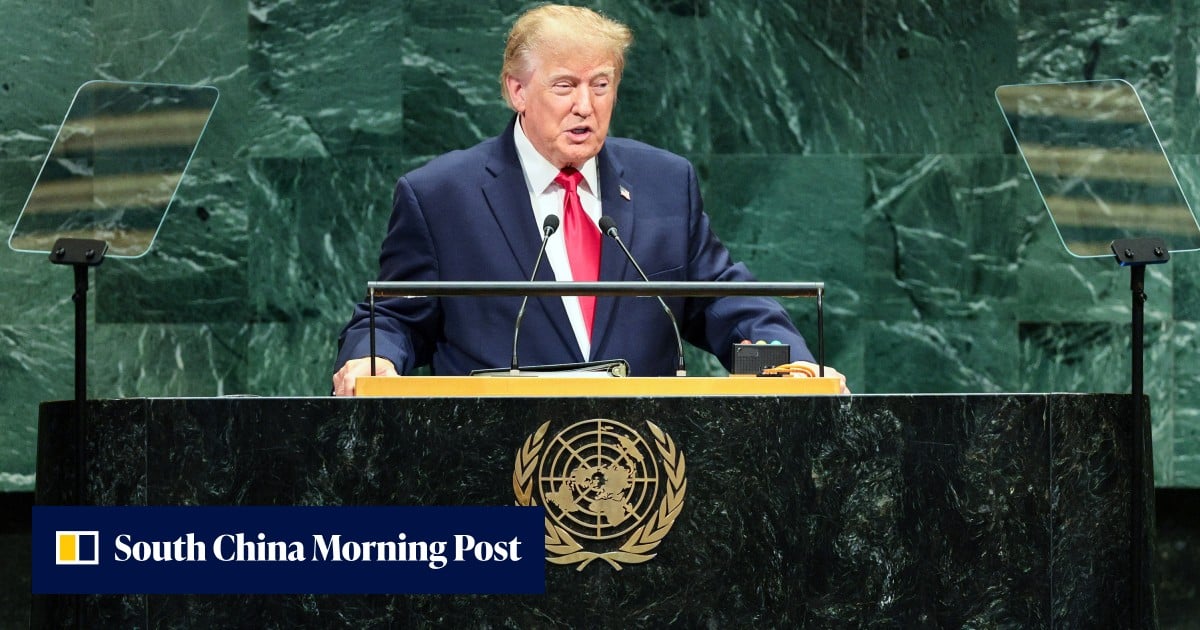
US President Donald Trump met with Chinese President Xi Jinping, where Xi pressed Trump to adopt Beijing's stance against Taiwan independence, which Taiwan rejected outright. Meanwhile, Taiwan is crucial for global tech and economy due to its leading semiconductor production; TSMC alone produces the majority of advanced chips that power smartphones, AI systems, and more. As Stanford Hoover fellow Eyck Freymann noted, economic disruption from a conflict over Taiwan would be severe.
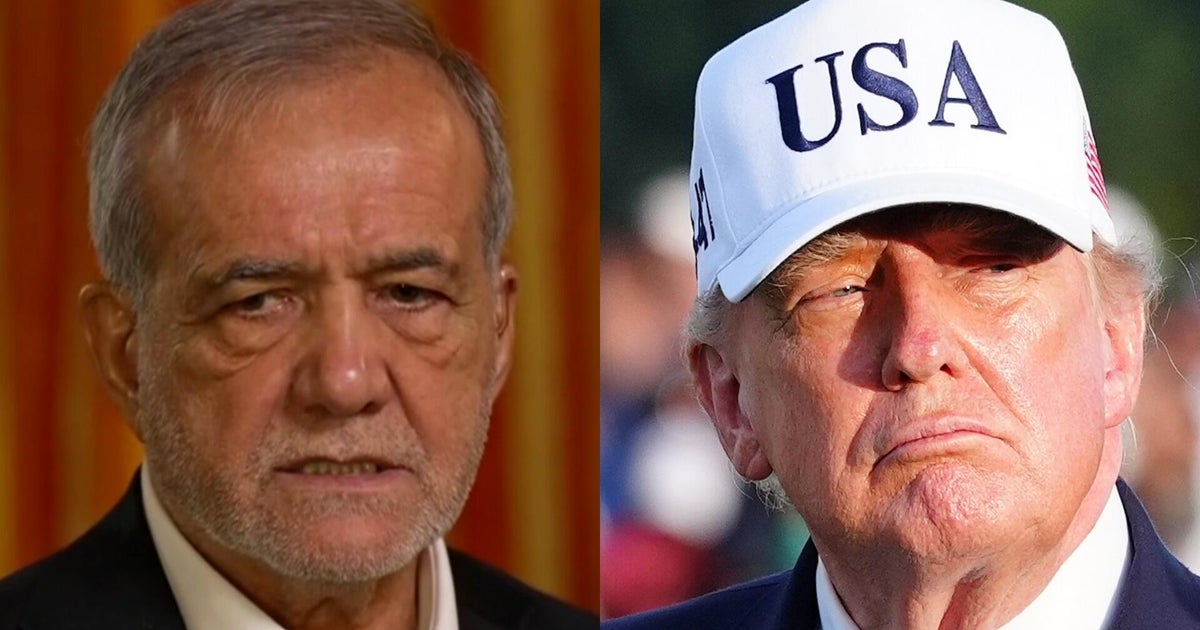
In unrelated developments, Iranian President Masoud Pezeshkian met with US media at the UN General Assembly, where he denied Iran's nuclear ambitions while offering to dilute its enriched uranium and allow inspections under international law. He also blamed Washington for ongoing conflicts in the Middle East. The International Atomic Energy Agency (IAEA) estimates that Iran has over 440 kilograms of uranium enriched up to 60%, raising concerns despite Pezeshkian's denials.
Taiwan's representative, Ambassador Alexander Yui, clarified during an interview on CBS’s "Face the Nation" that while Taiwan was discussed between Trump and Xi, it wasn't a major focus. He emphasized there has been no change in US policy towards Taiwan amid recent tensions with China.
Written for “Taiwan Iran Us Relations Midterms” on 2026-10-05,
grounded in this article and the 386 other(s) covering the same event.
• Trump claims negotiators to engage Iranians this week, says he turned down an earlier proposal
•
uncertain
he → claim → proposal
Araghchi says Iran ready to open strait if ceasefire deal revived, frozen assets released
•
asserted
assets → say → strait
Pentagon denies IRGC claims of capturing US submarine drone in Strait of Hormuz; Guards warn Washington against staging fresh attacks
WASHINGTON/TEHRAN:
uncertain
Guards → deny → attacks
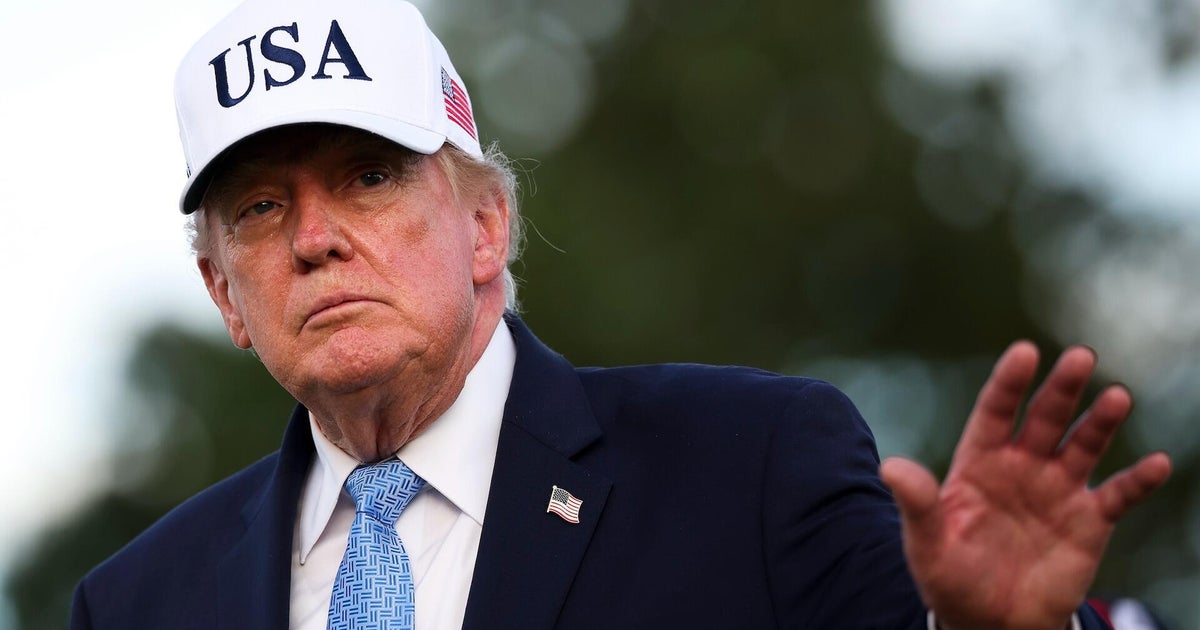
The United States and Iran are expected to hold talks this week, said President Donald Trump after he rejected a proposal by Tehran to reopen the Strait of Hormuz in exchange for cessation of all hostilities in the Middle East and a return to the conditions in the ceasefire deal that fell apart a few months ago.
asserted
that → expect → deal
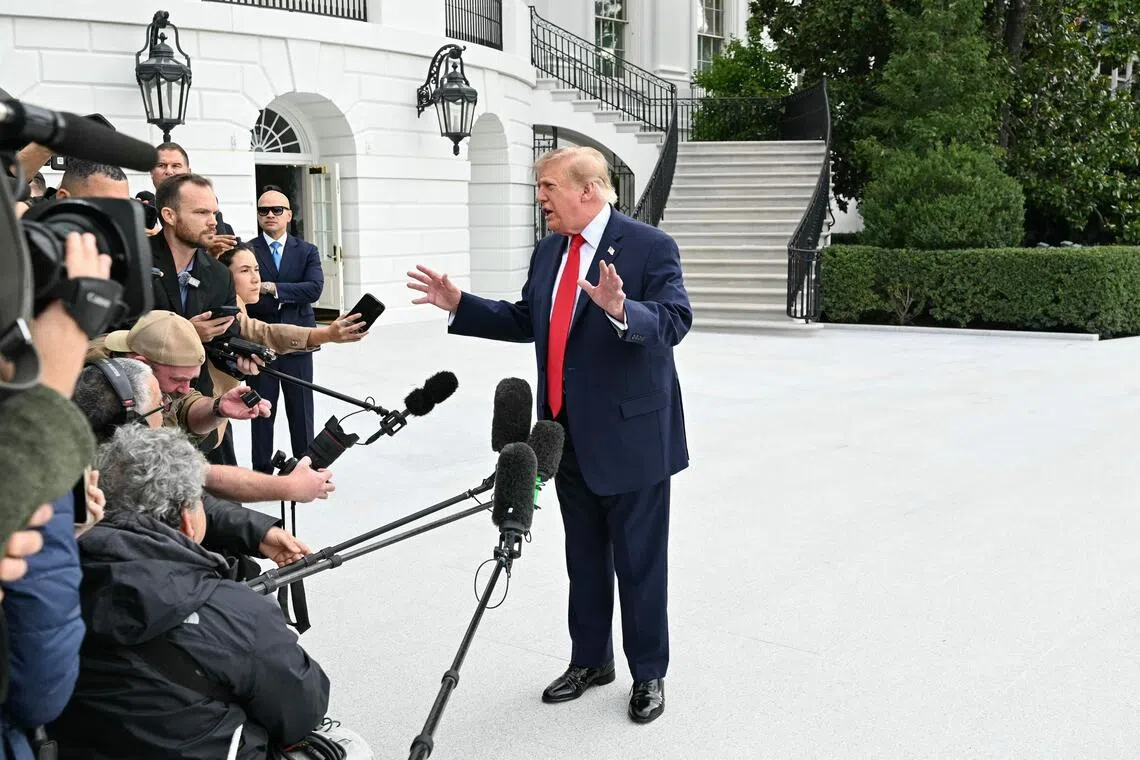
President Trump told Axios that his negotiators would engage their Iranian counterpart over the next few days apparently to break the stalemate over Hormuz.
asserted
negotiators → tell → Hormuz
Iran announced a peace proposal last week at the UN General Assembly in New York, saying it had been transmitted to the Americans via Qatari mediators.
asserted
it → announce → mediators
It called for a cessation of all hostilities in the Middle East, including in Lebanon, and a return to the conditions in the ceasefire deal that fell apart a few months ago.
asserted
that → call → deal
That agreement called for the release of frozen Iranian assets, the lifting of sanctions on Iranian oil and an end to the US naval blockade.
asserted
agreement → call → blockade
Foreign Minister Abbas Araghchi said Iran has never closed the door to diplomacy but it would not capitulate.
asserted
it → say → diplomacy
“Our conditions are clear, and any move toward reopening the Strait of Hormuz is contingent on these conditions being met,” Mr Araghchi posted on social media.
asserted
Araghchi → reopen → media
“Only a negotiated solution can get them out of this deadlock.”
asserted
solution → negotiate → deadlock
‘Demanding too much’
President Trump, however, said Iranians were losing badly, which was the reason they wanted to make a deal to open the strait.
asserted
they → demand → strait
“They want to make a deal and I think that’s fine.
asserted
that → want → deal
I like making a deal too.”
asserted
I → like → deal
His ambassador to the UN, Mike Waltz, accused Tehran of demanding too much in exchange for a return to the negotiating table.
asserted
ambassador → accuse → table
“This was, I think, a pretty cynical attempt to put something on the table that they knew was unacceptable.
asserted
they → think → table
To ask for the release of the blockade, the sanctions, international sanctions and access to billions in assets, just to talk,” he told NBC News in an interview broadcast Sunday.
asserted
he → ask → interview
The Wall Street Journal first reported that Trump had rejected the Iranian proposal, citing unnamed US officials.
asserted
Trump → report → officials
It said Trump was privately sceptical that Iran would meet his demands and had told his staff that he sees a renewed bombing campaign as likely after the November US midterm elections.
asserted
he → say → elections
Despite Trump’s public statements, mediators facilitating Tehran’s talks with Washington have not officially relayed a US rejection of the plan, the Iranian top diplomat said.
asserted
diplomat → facilitate → plan
“We are waiting for the mediators to convey the definitive views to us, and we will make a decision based on them,” Mr Araghchi noted.
asserted
Araghchi → wait → them
At the same time, Iran’s armed forces said they were prepared for any renewed US attacks.
asserted
they → say → attacks
Army spokesperson Mohammad Akraminia warned that the US would suffer greater damage if it launched another attack on his country.
asserted
it → warn → country
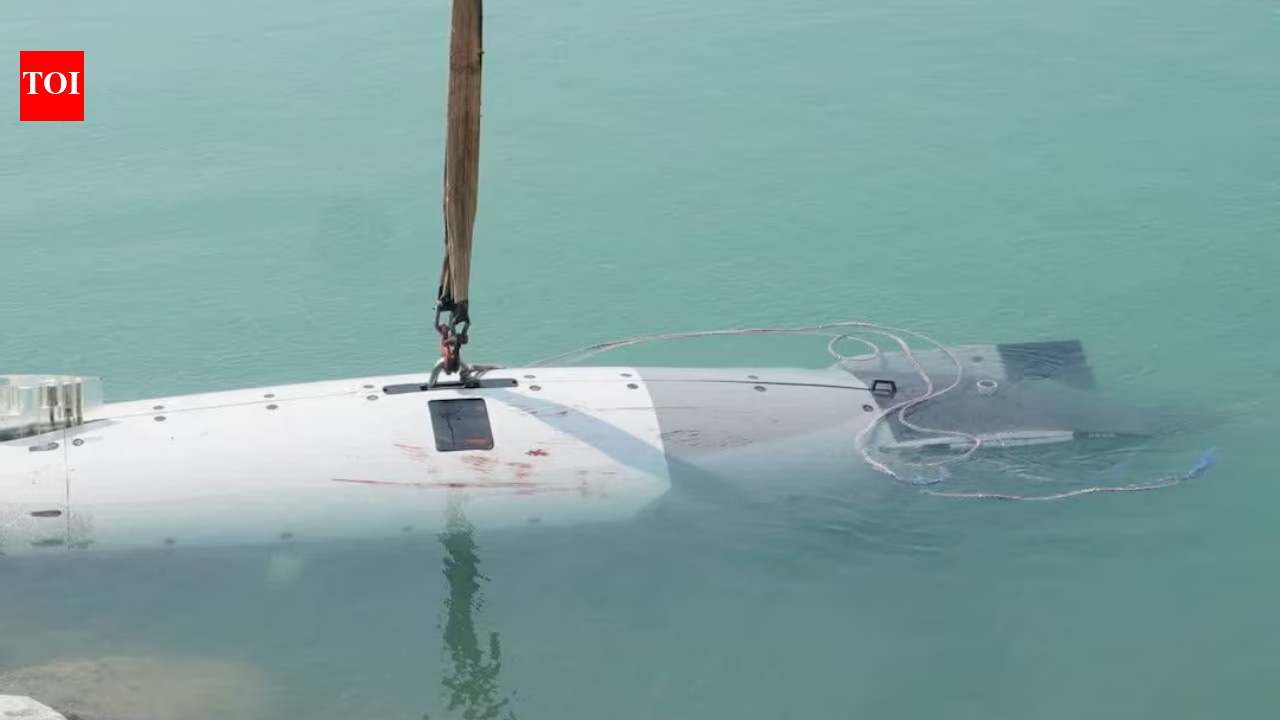
Iran’s Revolutionary Guards claimed on Sunday to have seized an American submarine drone on Sunday in the strategic Strait of Hormuz.
asserted
Guards → claim → Hormuz
They said that the drone was “operating in the Strait of Hormuz for espionage purposes”, identifying the model as a Remus 600 autonomous underwater vehicle that was “now in the hands of the force’s specialists for data recovery”.
asserted
that → say → recovery
Separately, Iranian Army Commander-in-Chief Amir Hatami said the war was at a critical and decisive stage, adding that Tehran would not accept a situation in which it was unable to trade while foreign powers used the region’s strategic waterways. “If Iran cannot trade, if Iran cannot live, no one will be able to trade or live,” he added.
asserted
he → say → waterways
 The Aporia