US news | The Guardian
· collected 2026-09-06 · by Marina Dunbar and agency
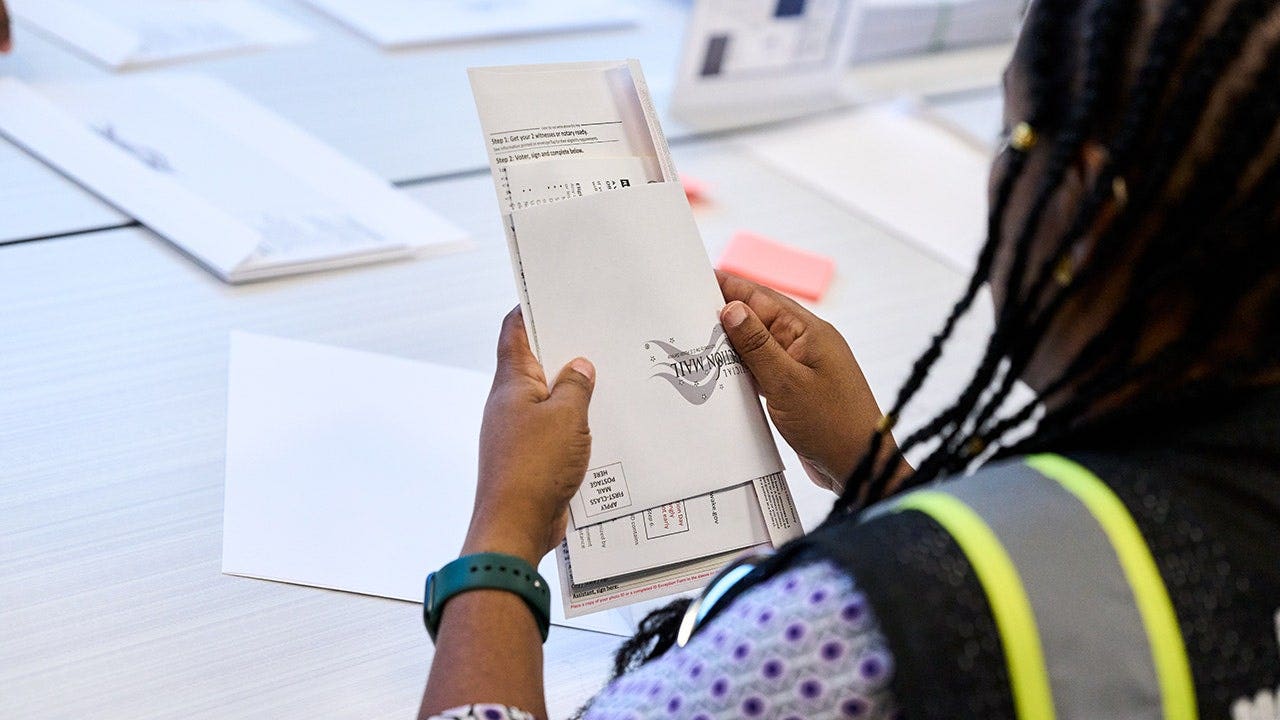
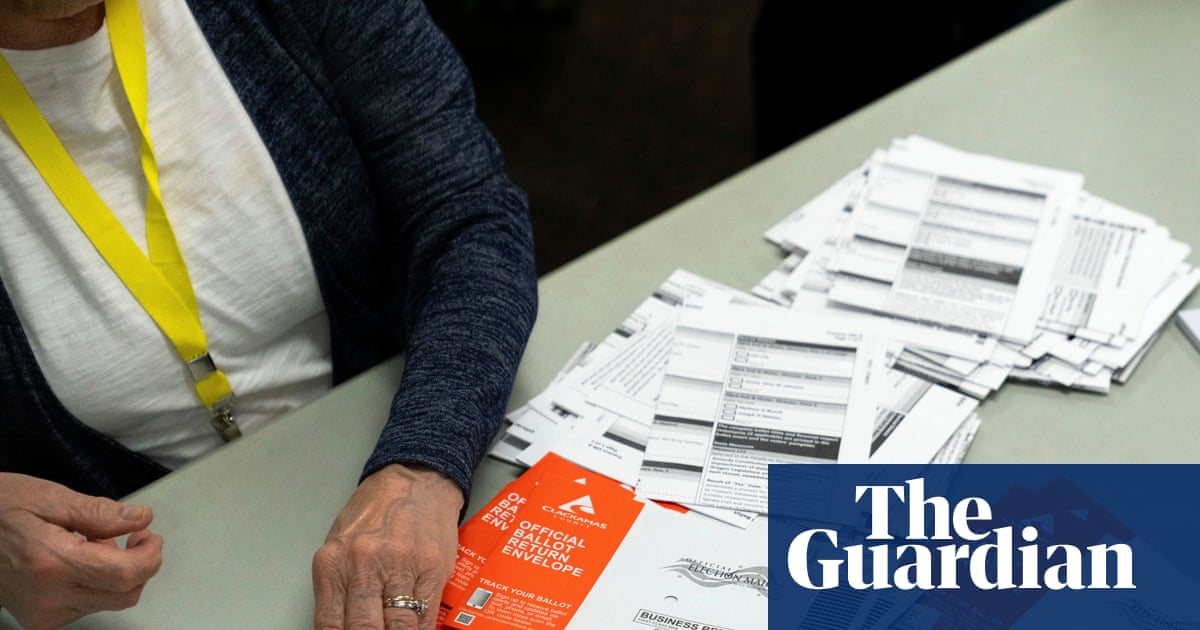
The Trump administration has appealed to the US Supreme Court for a third time to allow restrictions on mail-in voting, despite a federal judge's order blocking the new limits ahead of November's midterm elections. Nearly one-third of US voters cast their ballots by mail, and states are already sending out ballots, making it unlikely that major changes can be implemented in time. The administration argues that its plan is necessary to protect voting security, but Democratic states and voting rights groups say the ordered changes are unconstitutional. The outcome of this legal fight could have significant consequences for control of Congress in this year's elections.
Written by the local model on 2026-09-07,
using this article's own text rather than the other coverage of the
same event (that is the story summary below).
Story summary
Here's a summary of the news story:
USPS Whistleblower Warns of Potential Chaos in Mail Voting
A whistleblower at the US Postal Service (USPS) has come forward to warn that a new system for handling mail ballots, tied to President Trump's executive order on mail voting, is "untested and error-prone" and could lead to millions of Americans not receiving their mail-in ballot this fall. The whistleblower also alleges that the USPS is defying court orders by pushing forward with the new system despite concerns about its reliability.
The controversy centers around a March executive order by President Trump, which requires states to give the USPS a list of all voters eligible to receive a ballot in the mail and for the USPS to refuse to deliver mail-in ballots if the state does not comply. This has led to concerns from election officials that the new system could cause chaos for voters in the middle of the midterm elections.
A federal judge has already blocked the new rules, but the Trump administration is asking the Supreme Court to lift the block and allow the changes to take effect. Meanwhile, North Carolina has become the first state to start sending out mail-in ballots, despite the uncertainty surrounding the new federal rules.
Background
- President Trump issued an executive order in March calling for the Department of Homeland Security to develop lists of adult U.S. citizens in each state and for the USPS to refuse to deliver mail-in ballots when state election officials don't turn over these lists.
- The USPS has been implementing changes to its system for handling mail ballots, but a whistleblower warns that the new system is "untested and error-prone."
- Election officials have expressed concerns about the reliability of the new system and the potential for it to cause chaos for voters.
Impact
- Millions of Americans may not receive their mail-in ballot this fall due to the uncertainty surrounding the new federal rules.
- The controversy has led to concerns from election officials that the new system could cause chaos for voters in the middle of the midterm elections.
- The Supreme Court's decision on whether to allow the changes to take effect will have significant implications for the integrity of the electoral process.
Written for “Trump Mail Voting Controversy” on 2026-09-07,
grounded in this article and the 31 other(s) covering the same event.
Why this leaning score
The model judged this article politically coded and scored it +0.35, but every quote it verified points left, so the score is not published.
Written under an earlier scoring contract, which gave a paragraph
rather than checkable quotes. Re-analysing this article replaces it.
Leaning score withheld for article 5959: score contradicts its own evidence · logged 2026-09-07
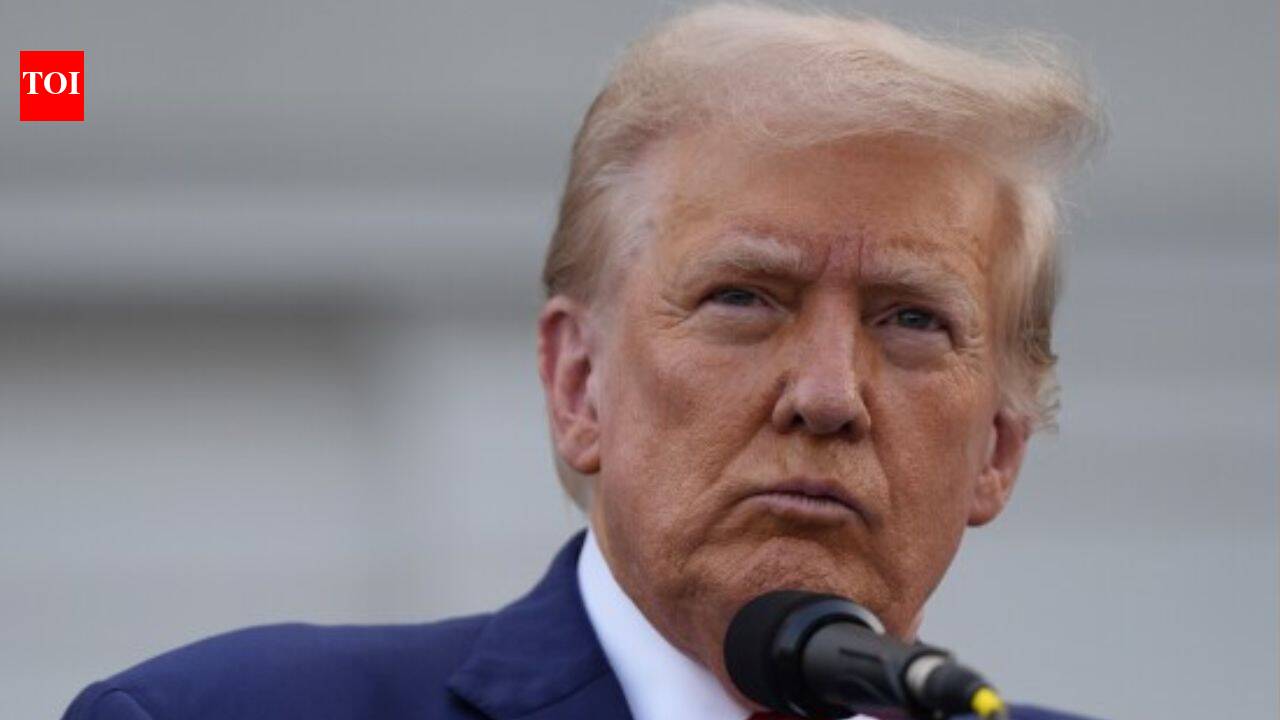
The Trump administration renewed its appeal to the US supreme court on Sunday to allow restrictions on mail-in voting, after a federal judge had blocked new limits on such ballots, just ahead of November’s midterm elections.
asserted
judge → renew → elections
The latest filing follows a decision by US district court judge Indira Talwani on Friday to extend a court order preventing the US Postal Service (USPS) from enforcing Donald Trump’s executive order.
asserted
filing → follow → order
The legal fight was continuing as states begin sending out ballots for voters to vote by mail – giving the administration little time to make major changes to the rules.
“Ballots have already begun to be mailed in North Carolina, and more states will begin the mailing process as the injunction remains in place – including Alabama on September 9 and at least five states the week of September 13,” the solicitor general, John Sauer, said in the filing to the supreme court on Sunday.
“Once those ballot envelopes enter the mailstream, there is no retrieving them.
asserted
envelopes → continue → them
And while the injunction allows the Postal Service and the states to continue taking steps to ensure that their envelopes satisfy the rule’s requirements … each day the injunction is in place risks sowing confusion and chaos because the injunction makes those preparatory steps voluntary, rather than mandatory,” Sauer continued in the emergency application.
asserted
Sauer → allow → application
It is the third time the administration has asked the highest court in the US to step into the dispute and that court has allowed the plan to move forward but has not decided whether it was legal.
asserted
it → ask → dispute
The outcome of the wrangling could have significant consequences for this year’s elections, with control of Congress on the line.
uncertain
control → have → line
Nearly one-third of US voters cast their ballots by mail.
asserted
third → cast → mail
The US president signed an executive order in March that would prohibit the USPS from delivering ballots to any voters not on a federal list of citizens deemed eligible to vote in each state by the Department of Homeland Security (DHS).
asserted
that → sign → Security
The result would mean a limited delivery of ballots – ie only to voters on approved lists.
asserted
result → mean → lists
Democratic states and voting rights groups argue the ordered changes are unconstitutional, while state election officials who run the elections say there is not enough time to overhaul their systems to meet the new federal directives.
asserted
who → argue → directives
The Trump administration has called its plans to limit mail-in ballots “commonsense measures” which are aimed at protecting voting security, and further called the order blocking those plans “unreasoned and unlawful”.
asserted
which → call → plans
Trump has repeatedly sought to restrict voting by mail, despite having often used the method himself.
asserted
Trump → seek → method
He has falsely blamed mail balloting for his 2020 election loss to Democrat Joe Biden, while promoting baseless claims of fraud.
uncertain
He → blame → fraud
The USPS has said it stands ready to implement Trump’s new restrictions, which would require states to give the postal service the names and barcodes tied to mail-in ballots for federal elections, if the court injunctions are lifted.
asserted
injunctions → say → elections
-
The Associated Press contributed reporting
asserted
Press → contribute → reporting