ABC News (US)
· collected 2026-09-27 · by Kyle Reiman, Ivan Pereira, Bill Hutchinson
Hurricane Nolo, a Category 2 hurricane with winds up to 105 mph, is currently swirling off the coast of Hawaii, bringing heavy rain and high winds to the islands. The storm's center was about 200 miles south of South Point on the Big Island and moving west at 9 mph. Additionally, officials are monitoring precursor activity at Kilauea volcano, which could lead to hazardous "volcanic hail," complicating recovery efforts during Hurricane Nolo's impact.
Written locally by qwen2.5:14b on 2026-09-28,
using this article's own text rather than the other coverage of the
same event (that is the story summary below).
Story summary
Tropical Storm Nolo, which has since strengthened into a hurricane, threatens Hawaii, particularly the Big Island, with potentially catastrophic flooding and mudslides. Forecasters predict up to 35 inches of rain in some areas, causing life-threatening flash floods and severe damage. The storm's slow movement over warm ocean waters is expected to intensify it further before moving westward and skirting the islands on Saturday and Sunday, avoiding direct landfall but still causing heavy rainfall. Communities already recovering from earlier storms like Hurricane Lala in August remain vulnerable, with some residents displaced and rebuilding efforts at risk of being devastated again by Nolo's impact.
Written for “Hurricane Nolo Threatens Hawaii” on 2026-10-05,
grounded in this article and the 12 other(s) covering the same event.
Hurricane Nolo lashes Hawaii as new threat of 'volcanic hail' arises
asserted
threat → lash → hail
Precursor activity has been detected at the Kilauea volcano, officials said.
asserted
officials → detect → volcano
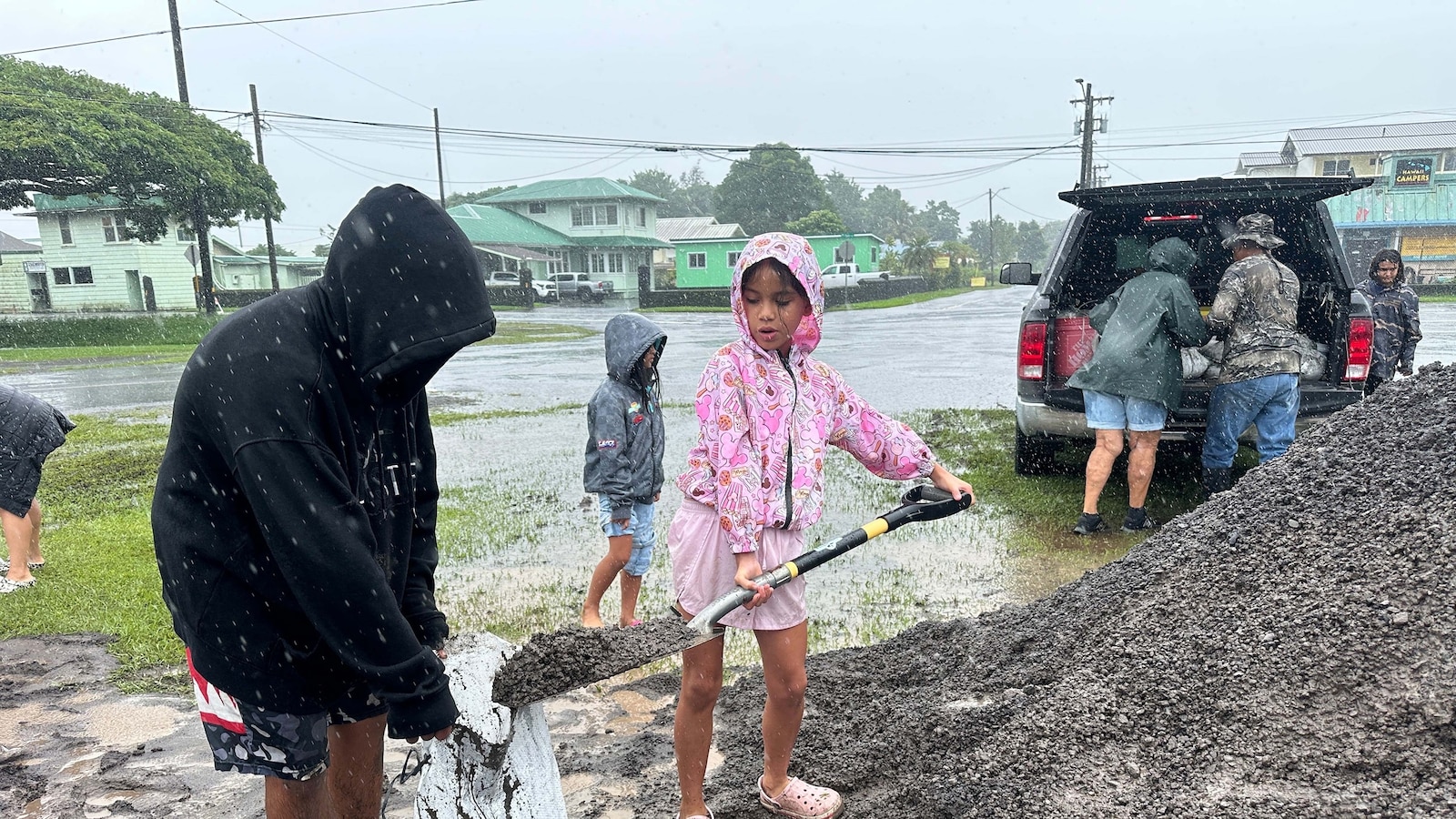
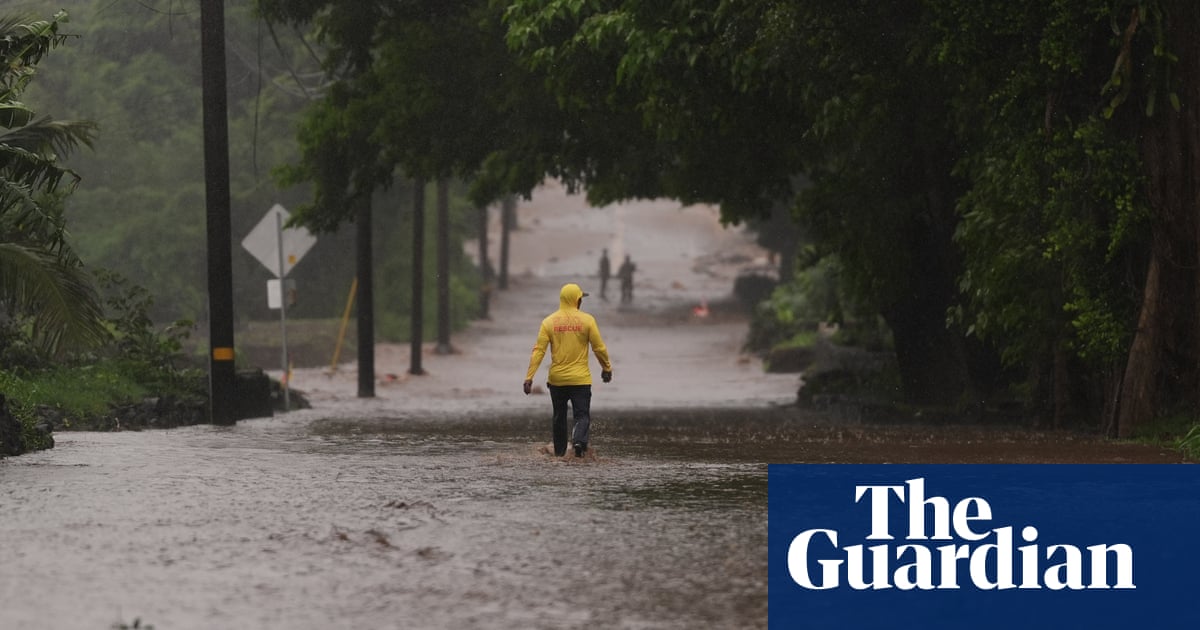
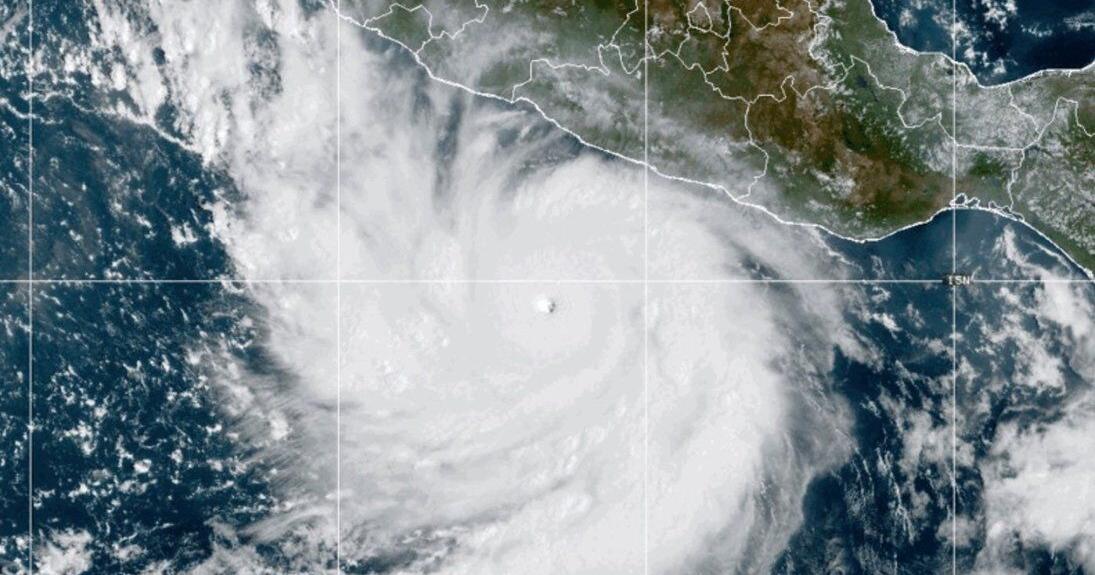
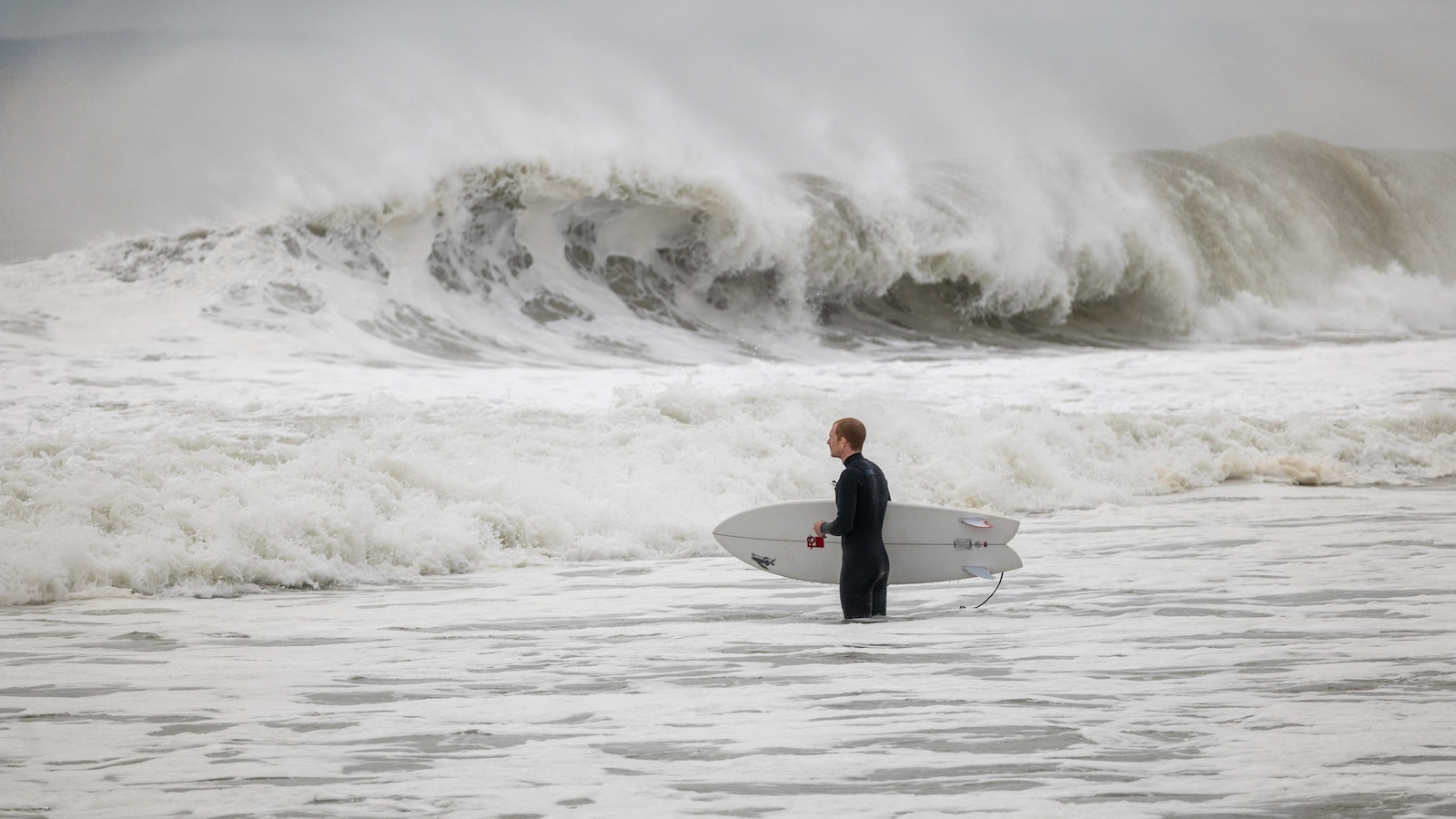
Millions of Hawaii residents are on alert for hazardous weather this weekend as Hurricane Nolo continues to swirl off the coast, bringing heavy rain and high winds to the Aloha State.
asserted
Nolo → continue → State
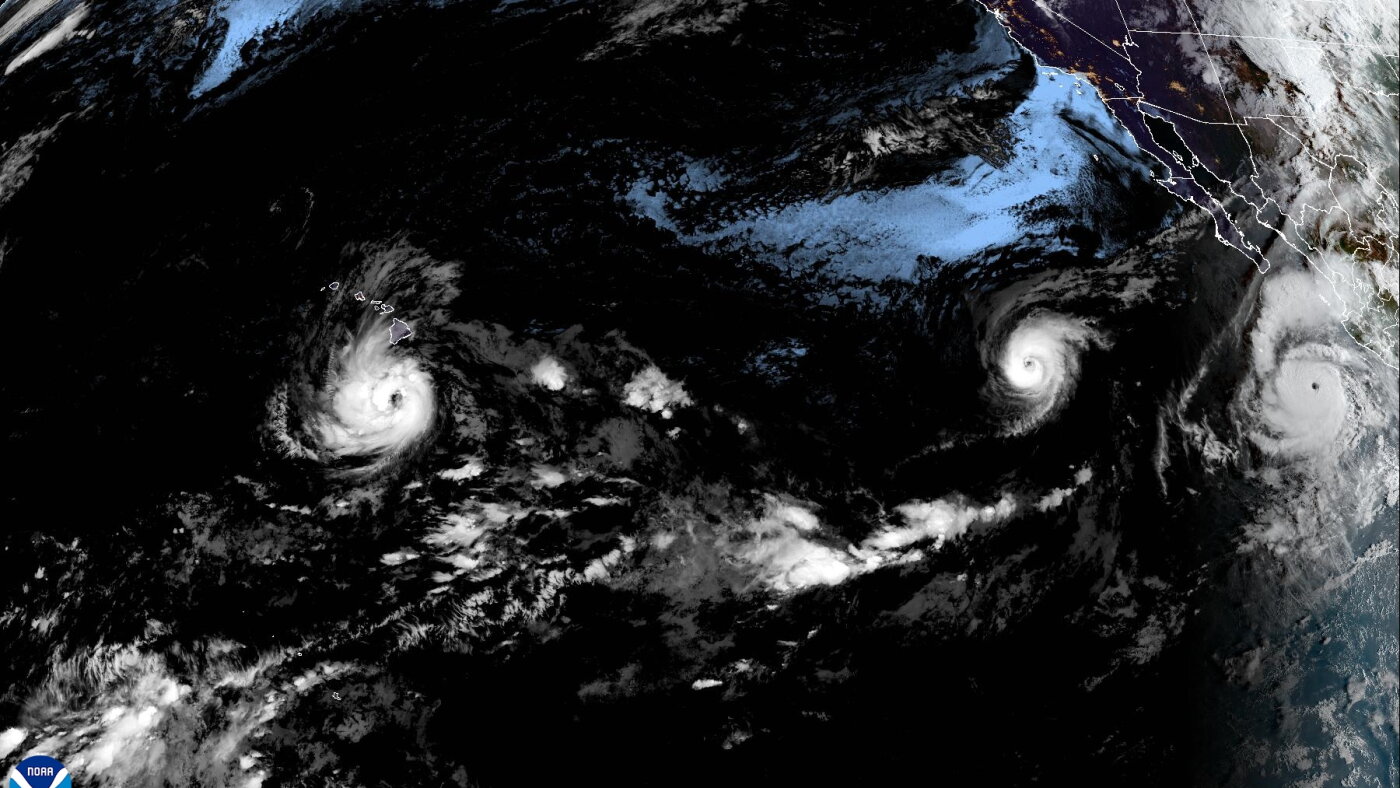
As of Sunday morning, Nolo was a Category 2 hurricane with winds up to 105 mph and was located south of the Big Island.
asserted
Nolo → locate → Island
Nolo's center is about 200 miles south of South Point, Hawaii, and is moving west at 9 mph.
asserted
center → move → mph
Nolo briefly weakened on Saturday to a Category 1 hurricane but re-strengthened overnight to a Category 2 storm.
asserted
Nolo → weaken → storm
It's expected to become an even stronger hurricane and make a westward turn, with the center staying well south of the Hawaiian Islands.
asserted
center → expect → Islands
Outer rain bands from Nolo will continue to lash parts of the Big Island and Maui on Sunday, but are expected to diminish in intensity later Sunday.
asserted
bands → continue → intensity
A flood watch remains in effect though Sunday night for the Big Island.
asserted
watch → remain → Island
Due to Nolo's weakening trend on Saturday, all tropical alerts for Hawaii have been cancelled.
asserted
alerts → weaken → Hawaii
However, parts of Hawaii will continue to see gusty winds, heavy rain and large waves.
asserted
parts → continue → winds
Alerts remain in place for parts of the Hawaiian Islands for gusty winds through 6 p.m. Sunday local time.
asserted
Alerts → remain → p.m.
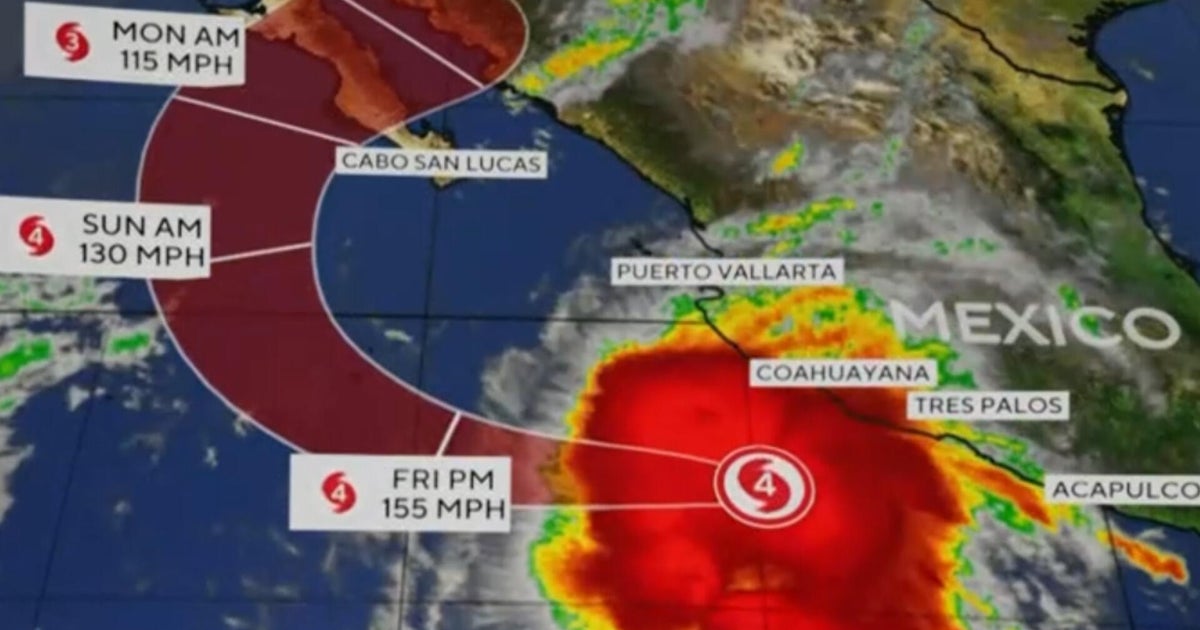
Hurricane Polo remains a major hurricane Sunday morning, with maximum sustained winds of 120 mph making it a Category 3 hurricane.
asserted
it → remain → mph
Polo is forecast to impact parts of the Baja California Sur with tropical storm conditions as early as Sunday night or early Monday.
asserted
Polo → forecast → night
Hurricane Odalys is gradually weakening and barely remains a Category 1 hurricane, with maximum sustained winds of 75 mph.
asserted
Odalys → weaken → mph
Odalys is expected to turn south and begin to dissipate later Sunday.
asserted
Odalys → expect → ?
The last time there were three simultaneous hurricanes in the Pacific was when Kilo, Ignacio and Jimena formed in 2015.
asserted
Kilo → be → 2015
Officials concerned about 'volcanic hail' spewing from Kilauea
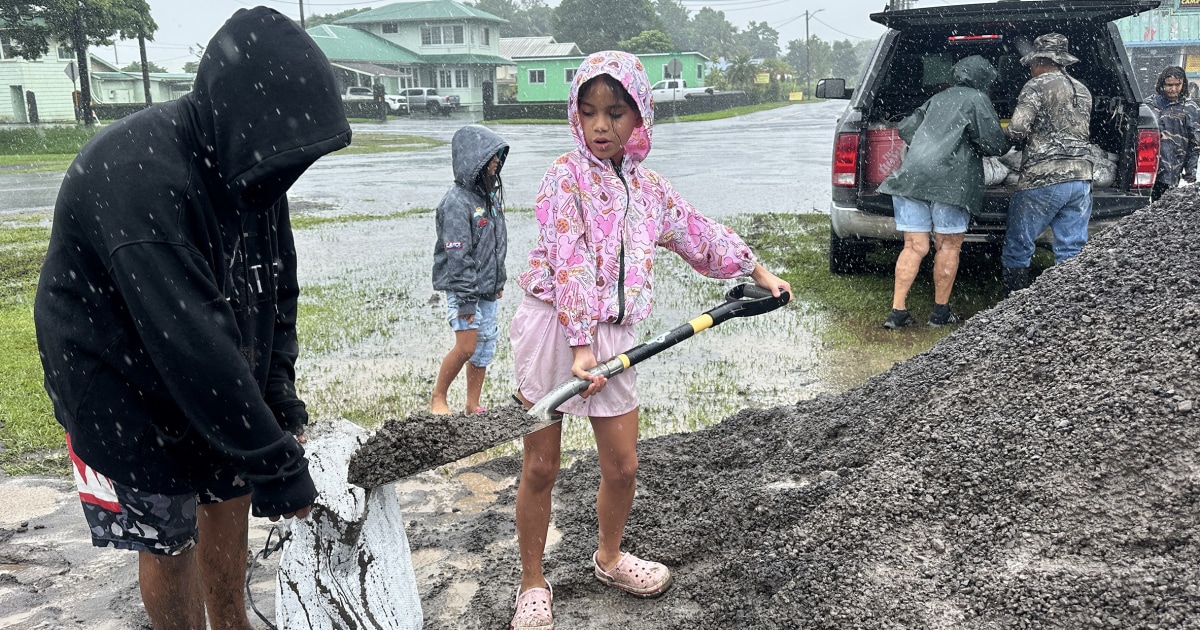
As the Big Island continues to get slammed with rain and wind, officials expressed concern about the emergence of another possible phenomenon.
asserted
officials → spew → phenomenon
Hawaii County Mayor Kimo Alameda told ABC News that precursor activity has been detected at the Kilauea volcano, putting officials on high alert for the possibility of tephra -- or as he described it, volcanic hail.
asserted
he → tell → it
"It could shoot as high as a thousand feet, right?
uncertain
It → shoot → feet
And then if there is wind, then that wind pushes that tephra all over to the surrounding community," Alameda said.
asserted
Alameda → be → community
"If that tephra … got into our catchment tank, it impacts our water.
asserted
it → get → water
So it messes up the catchment tanks, the swimming pools.
asserted
it → mess → tanks
The roads [have] got to be cleared because it's very dangerous if it's on our roads.
asserted
it → get → roads
So, it becomes to the threshold of a disaster."
asserted
it → become → disaster
Alameda said emergency officials are closely watching to see if the activity progresses, but he emphasized the last thing the state needs is to battle multiple disasters at once.
asserted
state → say → disasters
Hawaii is still weary from four natural disasters in 2026 that will cost one billion dollars to recover from, according to Gov. Josh Green.
uncertain
that → cost → Green
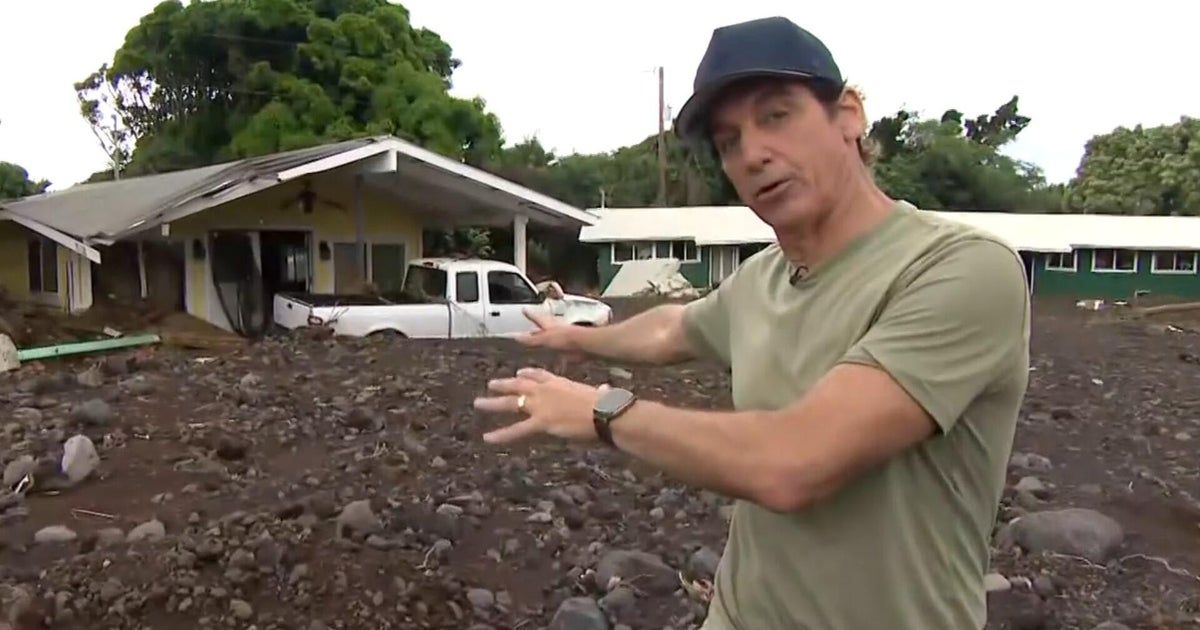
Residents on the Big Island are still cleaning up debris from Hurricane Lala, which hit just six weeks ago.
asserted
which → clean → Lala
"It's been rough, and we're doing the best we can in responding and trying to keep the spirits up for our residents," Alameda said.
asserted
Alameda → do → residents
"But you know, it brings us together.
asserted
it → know → us
I believe in every unfortunate situation there are many blessings, and so we look for those blessings, and that's what keeps us strong."
asserted
what → believe → us
ABC News' Jaclyn Lee contributed to this report.
asserted
Lee → contribute → report
 The Aporia