US news | The Guardian
· collected 2026-09-04 · by Joseph Gedeon in Washington
North Carolina has begun sending out mail-in ballots for the November US midterm elections, becoming the first state to do so. The move comes amid controversy over proposed federal rules governing mail ballots, which have been blocked by a federal judge in Massachusetts but are being appealed to the supreme court. The Trump administration is seeking to revive these rules, which would require states to share voter data with the federal government and allow for screening of ballot envelopes before delivery. North Carolina's decision to start sending out ballots 60 days before the election is allowed under its state statute.
Written by the local model on 2026-09-04,
using this article's own text rather than the other coverage of the
same event (that is the story summary below).
Story summary
The Trump administration has been pushing for new rules that would restrict mail-in voting, citing concerns about voter fraud. However, experts and officials from both parties have expressed concern that these rules could lead to widespread disenfranchisement of voters. The USPS was ordered by President Trump to implement these changes, which include requiring election officials to add unique barcodes to ballot envelopes and upload lists of people who requested ballots. However, a federal judge in Massachusetts has blocked the implementation of these new rules, citing concerns that they would be "virtually impossible" to comply with.
The new rules were set to take effect just weeks before the midterm elections, which are scheduled for November 3. North Carolina became the first state to start sending out mail-in ballots on Friday, despite the uncertainty surrounding the new federal rules. The Trump administration has asked the Supreme Court to lift a lower court's block on the order, but it remains unclear whether these changes will be allowed to take effect.
Critics of the new rules argue that they are an attempt by the Trump administration to centralize control of elections and undermine state authority over voting procedures. Notably, President Trump himself votes by mail, as do about a third of all U.S. voters. The Supreme Court is currently considering the legality of these changes, but it remains unclear how this will ultimately affect the election process.
Meanwhile, election officials are warning that implementing these new rules could lead to millions of ballots going undelivered. A whistleblower has warned that there are "potentially catastrophic problems" with the new system for handling federal election ballot mail. The implementation of these changes is being closely watched by election officials and voters across the country, who are concerned about the potential disruptions to the midterms.
Written for “Trump Mail Voting Restrictions” on 2026-09-05,
grounded in this article and the 15 other(s) covering the same event.
Why this leaning score
The article's own words the score was based on. Each is quoted
verbatim and was checked against the article text before being
stored, so you can find it in the original.
Leaning score -0.35 for article 3887 (high confidence, 1 verified quote) · logged 2026-09-04
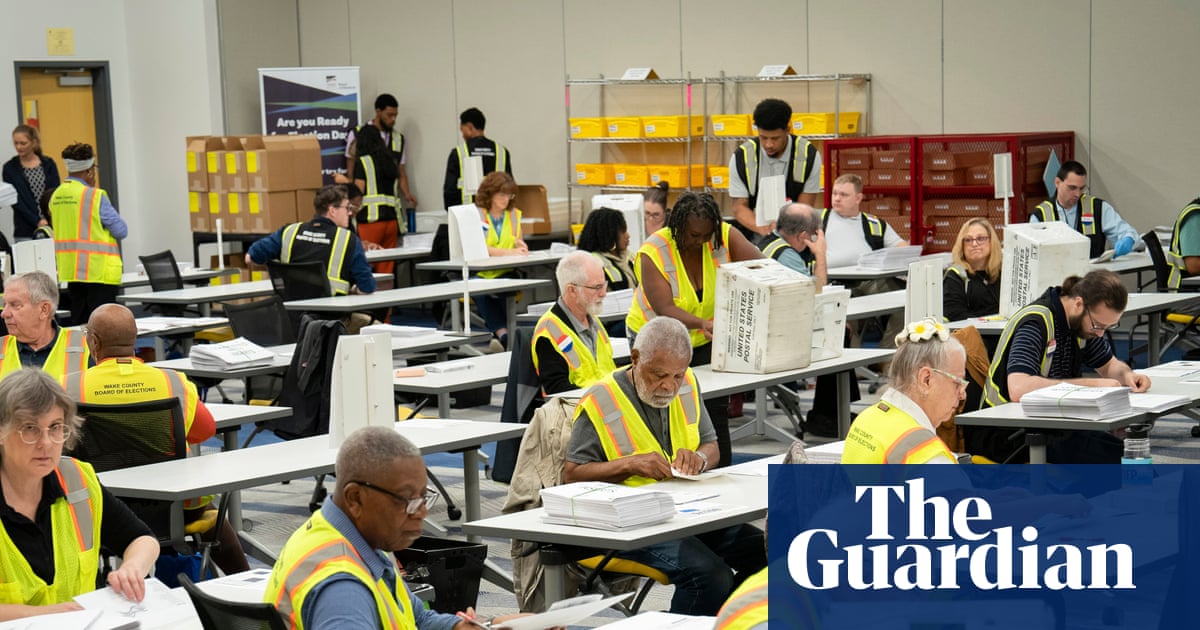
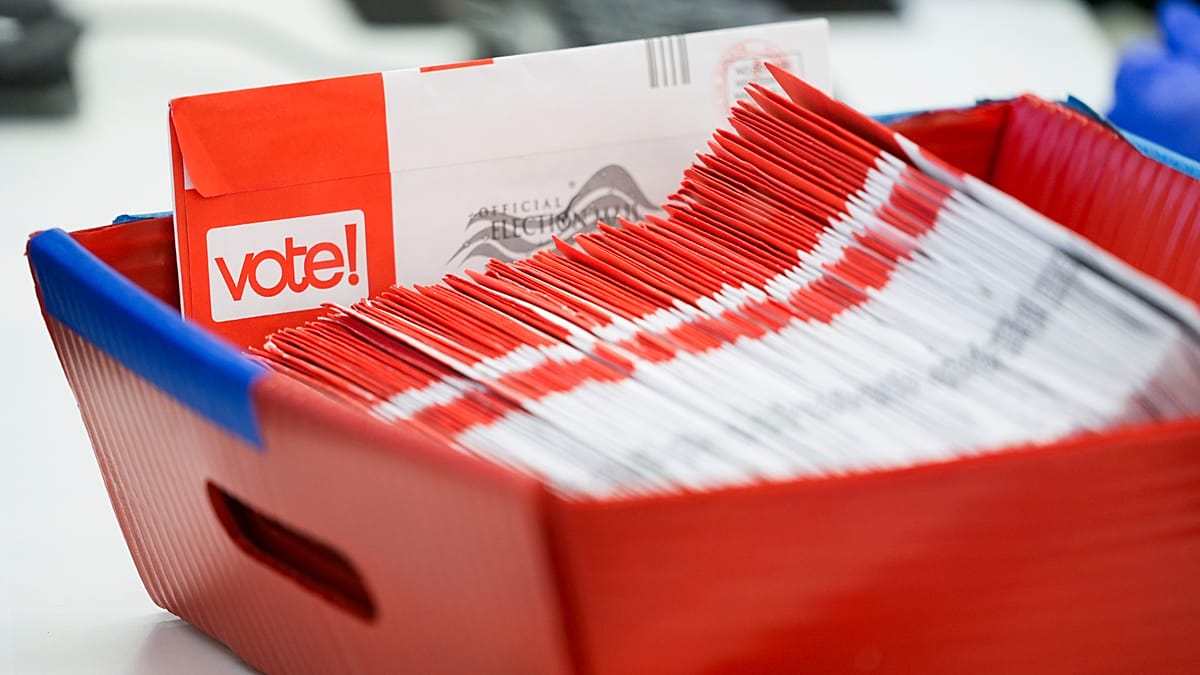
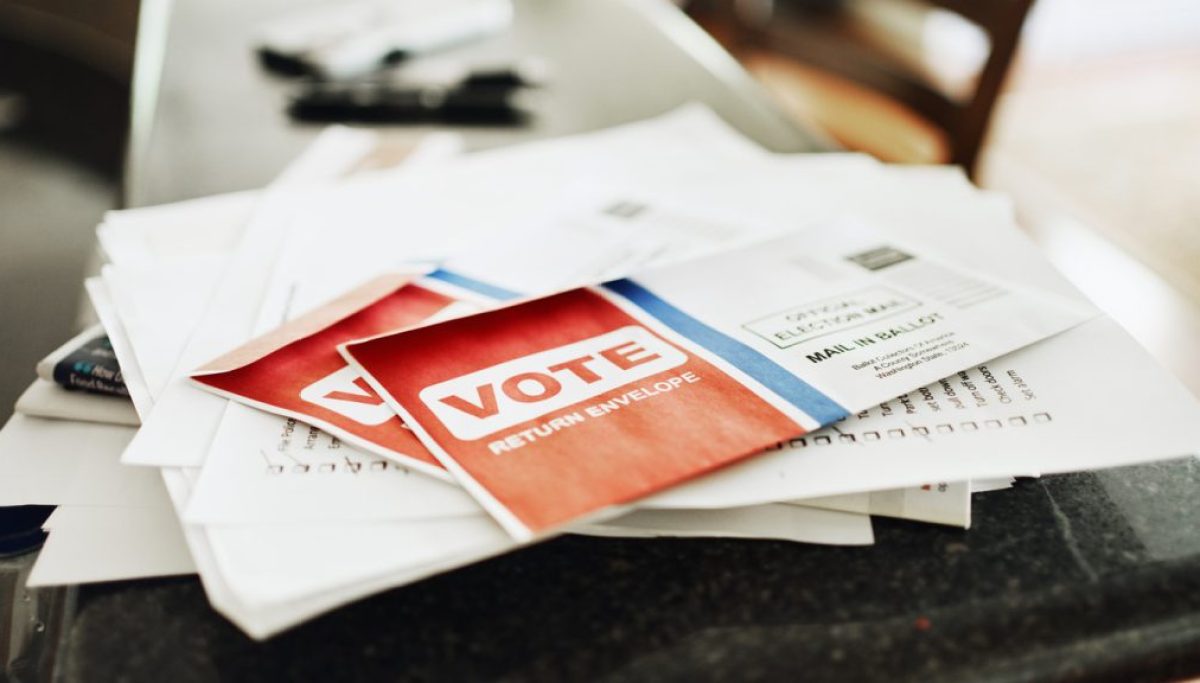
North Carolina became the first state to start sending out mail-in ballots for November’s US midterm elections on Friday, as Donald Trump’s administration fights to impose sweeping restrictions on the practice before millions of Americans cast their votes.
asserted
millions → become → votes
The state’s decision to proceed – hours after Trump’s officials asked the supreme court to let the administration press ahead with its proposed crackdown – comes amid deep uncertainty over whether new federal rules governing mail ballots will be allowed to take effect, and whether the US Postal Service can implement the changes in time.
asserted
Service → proceed → time
North Carolina is first out of the gate because its state statute requires county boards to begin sending absentee ballots 60 days before a general election – one of the earliest start dates in the country.
asserted
statute → require → country
Other states set their own timelines, ranging from a few weeks before election day to, in a handful of cases, similarly early starts, meaning most will follow in the coming days and weeks.
asserted
most → set → days
The Trump administration asked the supreme court on Thursday to let it revive a rule barring the postal service from delivering ballots in states that don’t share voter data with the federal government, and requiring ballot envelopes to be screened against new standards before delivery.
asserted
envelopes → ask → delivery
D John Sauer, the US solicitor general, told the justices that a lower court’s freeze on the plan was causing “serious irreparable harm” to the government, states and voters.
asserted
freeze → tell → government
It is the second time in weeks the administration has turned to the court over the plan, part of an executive order Trump signed in March directing agencies to compile citizen lists for use in screening mail ballots.
asserted
Trump → turn → ballots
A federal judge in Massachusetts, Indira Talwani, blocked the plan in June, ruling that it encroached on states’ constitutional authority over elections.
asserted
it → block → elections
The supreme court’s conservative majority sided with Trump in August but called the challenge premature, leaving the door open for further litigation once the plan was finalized.
asserted
plan → side → litigation
Talwani froze key parts of it again on 27 August.
asserted
Talwani → freeze → August
Justice Ketanji Brown Jackson, who oversees emergency applications from the region, has not granted the administration’s request for an immediate stay.
asserted
who → oversee → stay
Instead, she has given challengers until Tuesday to respond, a timeline that leaves little room for the postal service to act before ballots need to be in voters’ hands nationwide.
asserted
ballots → give → hands
Underscoring how tight the window has become with barely two months left before polls open, a postal service official told the Massachusetts court this week that the agency was still refining its screening system and expected to make it available to states on a voluntary basis “sometime next week”.
asserted
it → underscore → basis