Trump's Beef Tariff Cut Accidentally Makes the Case for Free Trade

Reason Magazine · collected 2026-09-06 · by Veronique de Rugy
Read the original at Reason Magazine ↗

Summary

President Donald Trump has lowered tariffs on beef imports, effective this week, in an effort to bring down the price of beef. However, he simultaneously imposed new 50 percent tariffs on $20 billion worth of Canadian goods, escalating a trade war with Canada that will start retaliating against American exports on September 8. According to research by economists at the Federal Reserve Bank of New York and Columbia University, a 10 percent tariff on all imports raises US consumer prices by about 2.6 percent, with two-thirds of this increase happening immediately as tariffs are passed on to customers. This study supports previous research that debunks protectionist claims that tariffs are paid for by foreigners or will lead to domestic consumers switching to American-made goods.
Written by the local model on 2026-09-06, using this article's own text rather than the other coverage of the same event (that is the story summary below).

Signals How these are calculated →

Claims extracted
36
claim-shaped sentences
Uncertain
14%
5 of 36 hedged
Leaning
Leans strongly left
of the writing, not the subject
Publisher trust
87.9
red-flag proxy, not a credibility rating
Outlets on this story
2
Economy/Business
Narrative spread
1
articles carrying this framing
Analyzed 2026-09-06 · how these are computed

AI analysis (generated at analysis time, not now)

Story summary

President Donald Trump's administration has been implementing policies that have had contradictory effects on the economy and trade with other countries. On one hand, Trump recently waived tariffs on up to 300,000 metric tons of imported ground beef, which is expected to bring down the price of beef in the US market. This decision was made after a sharp rise in prices during former President Joe Biden's time in office led to Trump being brought back into office.

However, at the same time, Trump imposed new 50 percent tariffs on $20 billion worth of Canadian goods, which has sparked a trade war with Canada. Canada will retaliate by imposing tariffs on American exports starting September 8. This move seems to contradict the administration's goal of reducing prices for US consumers and instead appears to be protecting American industries at the expense of trade relationships with neighboring countries.

Written for “US Tariff Policy” on 2026-09-07, grounded in this article and the 1 other(s) covering the same event.
Why this leaning score
The article's own words the score was based on. Each is quoted verbatim and was checked against the article text before being stored, so you can find it in the original.
Score -0.70 Confidence high 1 quote(s) discarded as not found in the article
Leaning score -0.70 for article 5613 (high confidence, 4 verified quotes) · logged 2026-09-06

Story

📰 US Tariff Policy
Economy/Business · 2 article(s) covering the same event. This is the one the site leads with.

How this is being covered How these are calculated →

Article leaning vs. publisher reliability
Source leaning vs. consistency

Compared with similar articles

This article reads leans strongly left and hedges 14% of its claims. Each row says how that neighbour differs.
News - South China Morning Post
⚖️ Leans strongly right further right than this 🔴 29% hedged 2 of 7 📰 publisher trust 94
“Article A describes a threat from Trump related to interest rates and trade deficits, while Article B discusses a tariff cut on beef and its impact on inflation”
globalnews.ca
⚖️ Centre further right than this 🔴 0% hedged 0 of 12 📰 publisher trust 52
“Article A describes a planned executive order from Trump, while Article B refers to an actual action taken by Trump to lower beef tariffs, indicating two separate events”
Semafor
⚖️ Centre further right than this 🔴 0% hedged 0 of 9 📰 publisher trust 96
“Article A discusses Trump's tariff cut on beef, while Article B mentions Republicans criticizing the administration's tariff moves, including the decision to scrap beef tariffs”
The Dispatch
⚖️ Leans strongly right further right than this 🔴 11% hedged 7 of 64 📰 publisher trust 96
“Both articles mention President Donald Trump's decision to waive tariffs on imported ground beef, which took effect this week”
The Dispatch
⚖️ Leans left further right than this 🔴 5% hedged 7 of 137 📰 publisher trust 96
“Article A discusses Trump's tariffs in general, while Article B specifically mentions a tariff cut on beef”
Washington Examiner
⚖️ Leans right further right than this 🔴 0% hedged 0 of 24 📰 publisher trust 96
“Article A describes a signing ceremony for an executive order on beef processing, while Article B mentions Trump lowering tariffs on beef, without referencing any specific signing ceremony or event date”
The Bulwark
⚖️ Leans left further right than this 🔴 20% hedged 1 of 5
“Article A discusses a recent jobs report and Trump's threat to cut off trade, while Article B focuses on a tariff policy change and its effects on beef prices, with no mention of the same specific event or time frame”

Publisher

Reason Magazine · 48 article(s) · 1 correction(s) detected
SignalValueWeight
Correction rate 0.021 0.4
Uncertainty density 0.131 0.25
Assertive mismatch rate 0.000 0.35
Running correction rate · 1 correction(s)
2026-09-05
Lawyers' Responsibility for Hallucinations in Briefs That They Sign

Who wrote this

Veronique de Rugy
1 article(s) here · 1 carrying a prediction
🔮 I will never understand why President Donald Trump, brought back to office partly in response to a sharp rise in prices during former President Joe Biden's interlude, would pursue the expensive tariff policy we've been subjected to since the beginning of 2025.
The only article under this byline in the corpus.

Topics

American Canada Canadian The White House U.S.

Subjects

American NORP · 9× Trump PERSON · 4× U.S. GPE · 3× Canada GPE · 2× Canadian NORP · 1× Columbia University ORG · 1× Donald Trump PERSON · 1× Joe Biden PERSON · 1× The White House ORG · 1× the Federal Reserve Bank of New York ORG · 1×

Narrative

I will never understand why President Donald Trump, brought back to office partly in response to a sharp rise in prices during former President Joe Biden's interlude, would pursue the expensive tariff policy we've been subjected to since the beginning of 2025.
framing: assertive · carried by 1 article(s) · first seen 2026-09-06
🔮 I will never understand why President Donald Trump, brought back to office partly in response to a sharp rise in prices during former President Joe Biden's interlude, would pursue the expensive tariff policy we've been subjected to since the beginning of 2025.
2026-09-06 · Reason Magazine
Trump's Beef Tariff Cut Accidentally Makes the Case for Free Trade · assertive framing

Claims (36 extracted, 5 hedged)

I will never understand why President Donald Trump, brought back to office partly in response to a sharp rise in prices during former President Joe Biden's interlude, would pursue the expensive tariff policy we've been subjected to since the beginning of 2025. asserted
we → understand → 2025
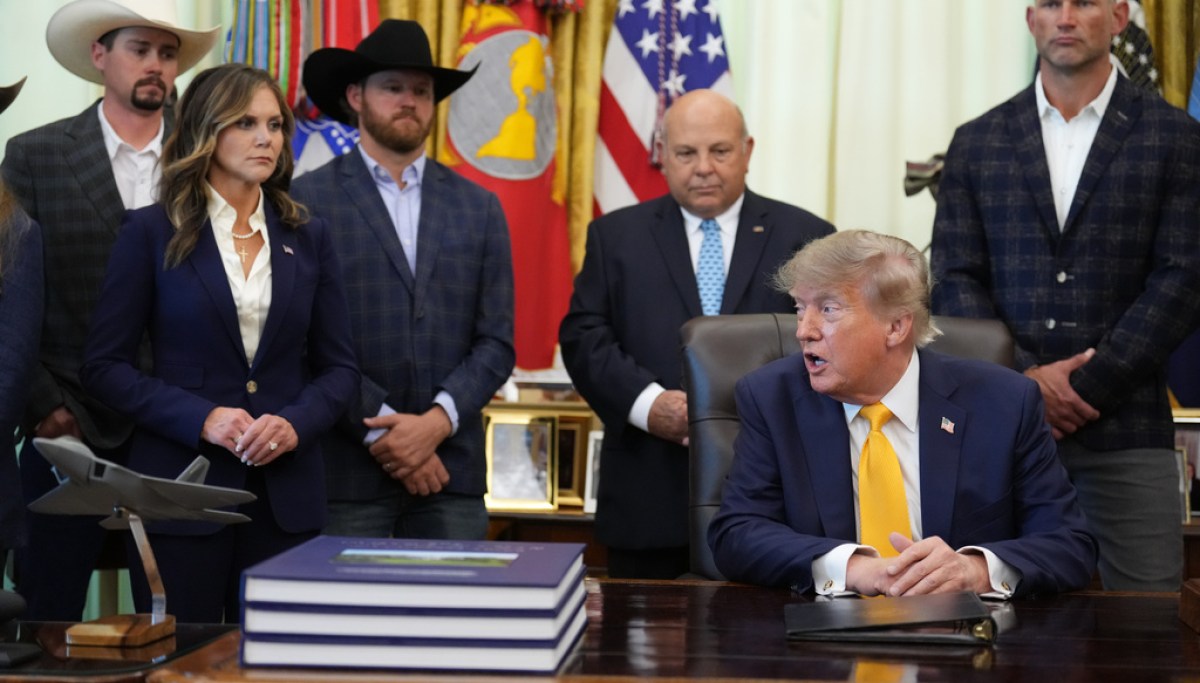
On one hand, Trump lowered tariffs to bring down the price of beef, effective this week. asserted
Trump → lower → beef
The White House acknowledged the link between tariffs and higher prices by explaining that the cost of beef has risen "unreasonably" and that the remedy is to temporarily import more of it at a lower tariff rate. asserted
remedy → acknowledge → rate
Experts expect the 300,000 metric tons of relief to come largely from South America. asserted
tons → expect → America
Apparently, though, this economic lesson has not traveled very far. asserted
lesson → travel → ?
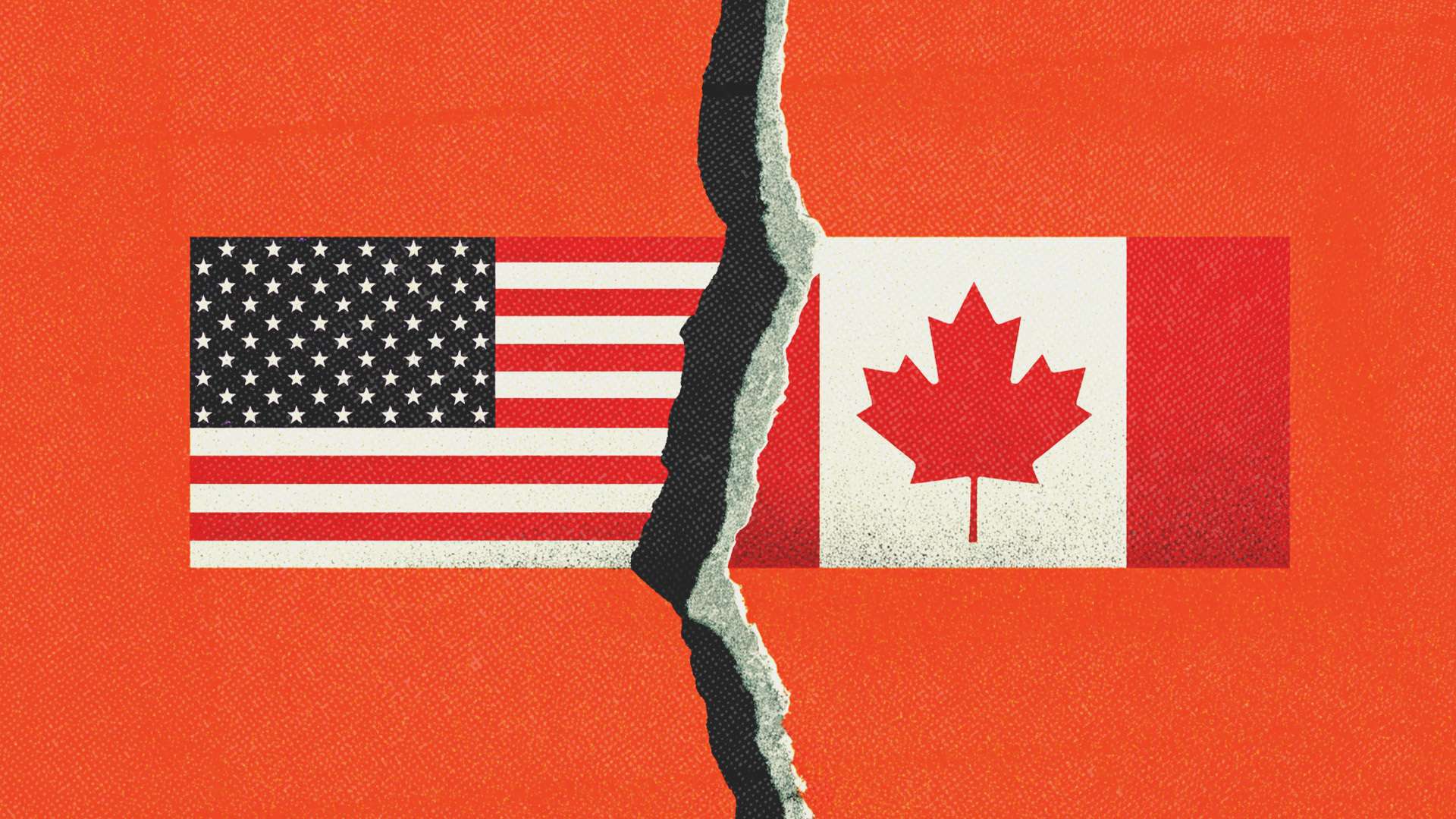
As Trump liberalized the market for beef, he also imposed new 50 percent tariffs on some $20 billion worth of Canadian goods, once again behaving as though buying from our closest neighbor is a detriment to U.S. consumers. asserted
buying → liberalize → consumers
Canada is retaliating in kind against American exports beginning September 8. asserted
Canada → retaliate → September
Products caught in the escalating trade war include steel, aluminum, dairy, appliances, agricultural equipment, pulp and paper, plastics, and electronics. asserted
Products → catch → steel
Economic war with Canada not only reminds the American people of a policy they hate but runs counter to an affordability agenda. asserted
they → remind → agenda
Research on the effects of Trump's tariffs continues to surface and offer clarity. asserted
Research → continue → clarity
Mary Amiti, Sebastian Heise, and David Weinstein looked at who shoulders the cost of the tariffs, examining which part of the tariff reaches consumers through higher prices versus which share of the price hike is due to other factors. asserted
share → look → factors
The group estimates that a 10 percent tariff on all imports will raise U.S. consumer prices by about 2.6 percent. asserted
tariff → estimate → percent
Roughly two-thirds of the increase comes quickly and directly from the tariff being passed on to customers at the border. asserted
thirds → come → border
The remaining third of the price hike shows up more slowly in American-made goods. asserted
third → remain → goods
Let me repeat that: Raising tariffs on foreign goods also raises the prices of American-made goods. asserted
Raising → let → goods
This happens partly because domestic producers pay more for imported parts and materials. asserted
producers → happen → parts
But it also occurs because domestic producers, facing less competition, often raise their prices simply because they can. asserted
they → occur → prices
This is only the latest study to knock out protectionists' three main claims at once. uncertain
This → knock → claims
The first claim is that "foreigners pay the tariff." uncertain
foreigners → pay → tariff
It's hard to deny that the pass-through of costs collected at the border to U.S. consumers amounts to anything less than a tax. asserted
through → deny → tax
Some intellectually honest protectionists concede as much. asserted
protectionists → concede → much
In fact, it's what they want. asserted
they → want → what
They prefer a second claim: that higher import prices will push American consumers to switch from foreign goods to American goods. uncertain
prices → prefer → goods
However, we can't actually avoid an import tax that shows up in domestic prices and fatter markups. asserted
that → avoid → prices
Buying American doesn't actually shelter us from higher prices. asserted
Buying → buy → prices
The third claim is that tariffs help American manufacturing as a whole. uncertain
tariffs → help → whole
But for the average firm facing higher costs for both foreign and domestic inputs, tariffs do little. asserted
tariffs → face → little
What's left is a tariff working exactly as designed: a hidden, unavoidable import tax that makes everything imported more expensive, hands government-favored firms pricing power at the expense of consumers, and taxes the domestic production it claims to defend. uncertain
it → leave → production
Citing Yale University's Budget Lab, The Washington Post's Ramesh Ponnuru points out that "Trump's tariffs are costing American households an average of $1,100 a year." asserted
tariffs → cite → 1,100
Unfortunately, because the prices of domestic goods take months to rise, the affordability crisis is still developing. asserted
crisis → take → months
It's not as if we don't know what would help. asserted
what → know → ?
The administration's beef policy inadvertently acknowledges the argument for free trade. asserted
policy → acknowledge → trade
If you want cheaper houses, do not make Canadian lumber more expensive. asserted
lumber → want → houses
If you want more affordable cars and appliances, do not tax steel and aluminum inputs. asserted
you → want → inputs
If you want American manufacturers to compete, do not make them pay more for intermediate goods. asserted
them → want → goods
And if you want American exporters to prosper, do not repeatedly provoke America's trading partners into retaliating against them. asserted
exporters → want → them

💬 Give feedback
🕘 History 🎫 Support