TikTok has settled with Alabama for at least $100 million and agreed to implement measures like time limits and restricted access for teenage users to avoid a lawsuit. The settlement mirrors Instagram-owner Meta’s recent agreement with US states, including limiting teens' daily use to two hours and restricting access from 10pm to 7am if other platforms follow suit. Alabama's attorney general praised the deal as providing "real protections" against social media addiction dangers for children.
Written locally by qwen2.5:14b on 2026-09-26,
using this article's own text rather than the other coverage of the
same event (that is the story summary below).
Story summary
TikTok reached a settlement with the state of Alabama on September 25, 2026, days before a scheduled trial over claims that the platform was designed to addict youth and mislead consumers about its safety. Alabama will receive a minimum of $100 million from TikTok and its parent company, ByteDance, with potential for up to $300 million if 40 other states sign similar agreements within a specified timeframe. The settlement includes changes such as a two-hour daily time limit for teen users in Alabama, pauses after 15 minutes of use, stricter age checks, and the option for teens to select non-personalized content feeds. These measures aim to address concerns over TikTok's algorithm pushing young users towards increasingly intense and harmful content.
Written for “TikTok Settlement With Alabama” on 2026-10-05,
grounded in this article and the 9 other(s) covering the same event.
TikTok has agreed to pay Alabama at least $100m and enact time limits and other restrictions for teenage users, avoiding a trial with a settlement that was modelled on Instagram-owner Meta’s recent agreement with US states.
asserted
that → agree → states
Alabama described it as a “first-in-the-nation settlement” with a state in the sweeping litigation over social media’s affect on teen wellbeing.
asserted
Alabama → describe → wellbeing
A trial had been set to begin on Monday in the southern US state over claims by Alabama that TikTok misled parents about tools meant to shield children from harmful content.
uncertain
TikTok → set → content
TikTok’s settlement with Alabama mirrors safety provisions agreed by Meta, including a two-hour daily time limit for teens, restricted access from midnight to 6am, and suspending notifications during school hours.
asserted
settlement → mirror → hours
It will also strengthen age verification, ban beauty filters for teenagers, and offer young users a non-personalised content feed.
asserted
It → strengthen → feed
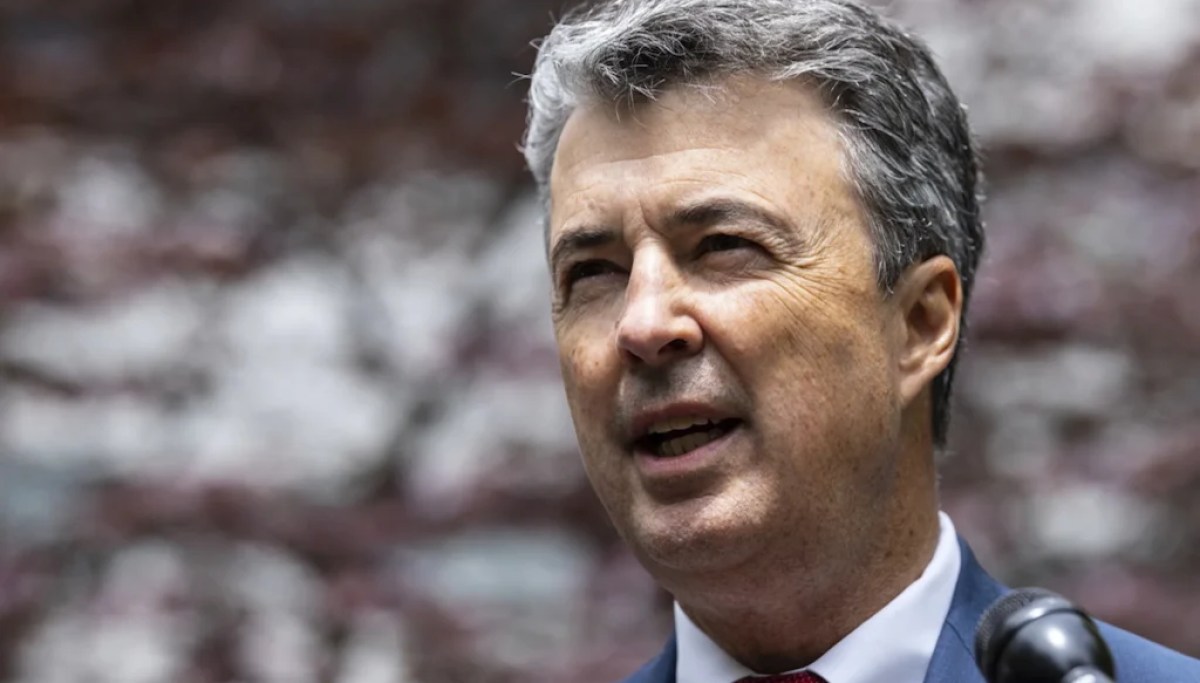
Attorney general Steve Marshall hailed Friday’s settlement as “a great day for Alabama parents”.
asserted
Marshall → hail → parents
He said: “Tonight, they can rest easier knowing real protections are in place to shield their children from the dangers of social media addiction.”
asserted
protections → say → addiction
Under the settlement, TikTok will send $100m to Alabama and could possibly pay up to $300m in total if 40 other attorneys general sign similar agreements with the company within a specified timeframe.
uncertain
attorneys → send → timeframe
Alabama’s suit was the latest in a wave of litigation targeting social media companies across the United States about alleged harm their apps cause young users.
asserted
apps → target → users
In August, Meta agreed to pay $18bn to settle a sweeping lawsuit brought by US states accusing it of designing Instagram and Facebook to get children addicted.
asserted
children → agree → Instagram
In addition, the Alabama deal includes a conditional restriction that Meta also agreed to: expanding the night-time shutdown period to 10pm to 7am if other platforms also commit to do the same.
asserted
platforms → include → same
“TikTok’s priority has always been fostering a safe and positive space where people can be creative, discover what they love, and connect with their community,” a company spokesperson told AFP.
asserted
spokesperson → foster → AFP
“This builds on our commitment and core objective to continually enhance our robust safety tools to protect teens,” the spokesperson added.
asserted
spokesperson → build → teens
More than a dozen other states, including California and New York, still havesuits against TikTok.
asserted
states → include → TikTok
The company has previously settled cases against it that were headed for trial, including a Los Angeles lawsuit brought by a young woman and a suit from a Kentucky school district.
asserted
that → settle → district
Meta, by contrast, has taken its chances in court – with bruising results.
asserted
Meta → take → results
In March, a jury in New Mexico ordered the Facebook and Instagram owner to pay $375m after finding it had misled the public about the safety of its platforms for children.
asserted
it → order → children
That same month, a Los Angeles jury found Meta and Google’s YouTube negligent in the case of a 20-year-old woman who said she became hooked on social media as a child, awarding her $6m.
Going to trial would have exposed TikTok to unprecedented public scrutiny of how it handles safety, with company documents and executive testimony potentially aired in open court.
asserted
documents → find → court
Alabama originally sued TikTok and its Chinese parent company ByteDance in April 2025, alleging the app was engineered to hook young users “just like a sophisticated gambling machine”.
asserted
app → sue → machine
The state later narrowed its case to claims under Alabama’s Deceptive Trade Practices Act, focusing on whether TikTok misrepresented the effectiveness of features such as “Restricted Mode” and “Kids Mode.”
uncertain
TikTok → narrow → Mode
The lawsuit accused TikTok of falsely claiming it limits access to sexual and violent content for young users to have its app rated safe for teens in app stores run by Google, Apple and Microsoft and of misleading users about the Chinese government’s access to US users’ data.
asserted
app → accuse → data
TikTok said it designed its platform with teen safety as a key priority and argued that section 230 of the federal Communications Decency Act shields online platforms from liability for user-generated content.
asserted
section → say → content
 The Aporia