Toronto Star
· collected 2026-09-26 · by Kaitlyn Huamani The Associated Press
Alabama reached a settlement with TikTok for at least $100 million, plus up to an additional $183.8 million if other states settle within a specific timeframe, after suing the company over concerns about teen mental health impacts. As part of the agreement, TikTok will implement safety features such as non-personalized content feeds, time limits on daily use, and restrictions during nighttime hours for teens in Alabama. The settlement also includes stronger parental controls and age verification measures, reflecting similar changes Meta agreed to earlier this year.
Written locally by qwen2.5:14b on 2026-09-26,
using this article's own text rather than the other coverage of the
same event (that is the story summary below).
Story summary
TikTok reached a settlement with the state of Alabama on September 25, 2026, days before a scheduled trial over claims that the platform was designed to addict youth and mislead consumers about its safety. Alabama will receive a minimum of $100 million from TikTok and its parent company, ByteDance, with potential for up to $300 million if 40 other states sign similar agreements within a specified timeframe. The settlement includes changes such as a two-hour daily time limit for teen users in Alabama, pauses after 15 minutes of use, stricter age checks, and the option for teens to select non-personalized content feeds. These measures aim to address concerns over TikTok's algorithm pushing young users towards increasingly intense and harmful content.
Written for “TikTok Settlement With Alabama” on 2026-10-05,
grounded in this article and the 9 other(s) covering the same event.
TikTok will pay the state of Alabama at least $100 million and must implement a slew of safety features for teens in the state as part of a settlement agreement reached just before the case was set to go to trial.
asserted
case → pay → trial
Alabama sued the social media company in 2025 claiming that the platform had negative effects on the mental well-being of youths.
asserted
platform → sue → youths
The lawsuit argued that TikTok’s “addictive properties” — namely its algorithm that curates highly specific content catered to users’ interests — were harmful to children and that the company knew of those harms.
asserted
company → argue → harms
Through the settlement, TikTok will make several platform-level changes for teen users in Alabama, including the option for teens to select a non-personalized content feed.
asserted
teens → make → feed
The platform will also bar cosmetic procedure filters for teens, implement a two-hour daily time limit and ban nighttime use from midnight to 6 a.m.
asserted
platform → bar → a.m.
Young users in Alabama will also be prompted to take a “productive pause” after 15 minutes of continuous use, and again at 60 and 90 minutes.
asserted
users → prompt → minutes
In addition to the platform changes, TikTok will pay Alabama $100 million in restitution and remediation, which will likely go toward funding youth mental health services and other programs.
asserted
which → pay → services
If enough other states reach qualifying settlements with TikTok within a specific time frame, Alabama could receive up to an additional $183.8 million.
uncertain
Alabama → reach → million
The platform-level changes outlined in the settlement agreement are roughly similar to changes Meta agreed to make when it reached a settlement this summer to resolve similar claims that were filed by nearly every state, including Alabama.
uncertain
that → outline → Alabama
Meta had called on TikTok and its other chief competitor, YouTube, to join it in adopting similar standards, but TikTok had not publicly responded.
asserted
TikTok → call → standards
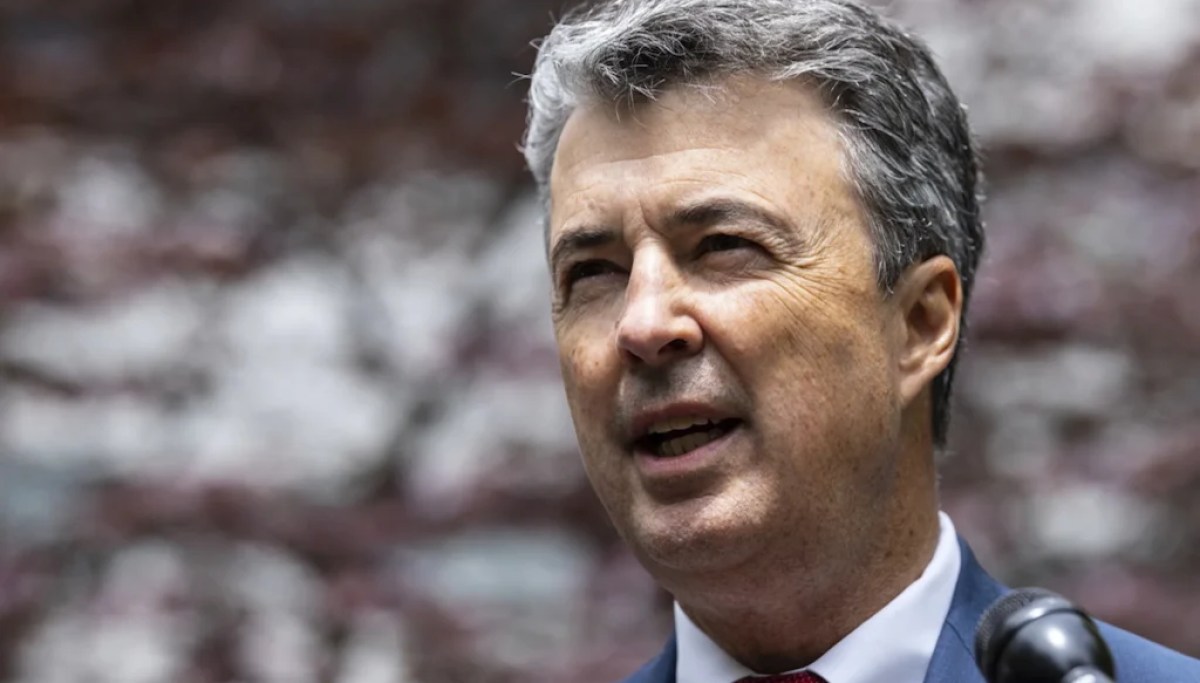
Katherine Robertson, chief counsel in the Alabama Attorney General’s office and the Republican nominee to be the state’s next attorney general, acknowledged the similarities with the Meta agreement and told The Associated Press on Friday: “There’s been a war on childhood coming from a million different directions.”
asserted
Robertson → acknowledge → directions
“We recognize that parents and youth are fighting a battle against a bunch of different platforms,” Robertson said.
asserted
Robertson → recognize → platforms
“They’re manipulating kids to get addicted to their product, essentially.”
asserted
They → manipulate → product
The settlement also outlines more robust and user-friendly parental controls, stronger age verification measures TikTok must take, and stronger content moderation protocols.
asserted
TikTok → outline → controls
Teen accounts will also be set to private by default.
asserted
accounts → set → default
A spokesperson for the TikTok USDS Joint Venture said Friday in a statement that TikTok’s priority has “always been fostering a safe and positive space where people can be creative, discover what they love, and connect with their community.
asserted
they → say → community
This builds on our commitment and core objective to continually enhance our robust safety tools to protect teens.
asserted
This → build → teens
Alabama would have been the first state to argue its claims against TikTok in front of a jury.
uncertain
Alabama → argue → jury
The trial was scheduled to begin Monday.
asserted
trial → schedule → ?
TikTok has settled several lawsuits with similar claims filed by individuals before they went to trial, most notably in the landmark social media addiction trial in Los Angeles earlier this year.
uncertain
they → settle → Angeles
The jury in that case found that YouTube and Meta designed their platforms to hook young users without concern for their well-being.
asserted
YouTube → find → being
TikTok also reached a $400 million settlement with the U.S. Department of Justice in August, ending a 2024 lawsuit alleging the company violated federal children’s privacy laws.
asserted
company → reach → laws
———
Associated Press writer Kim Chandler contributed to this report from Montgomery, Ala.
asserted
Chandler → contribute → Montgomery
 The Aporia