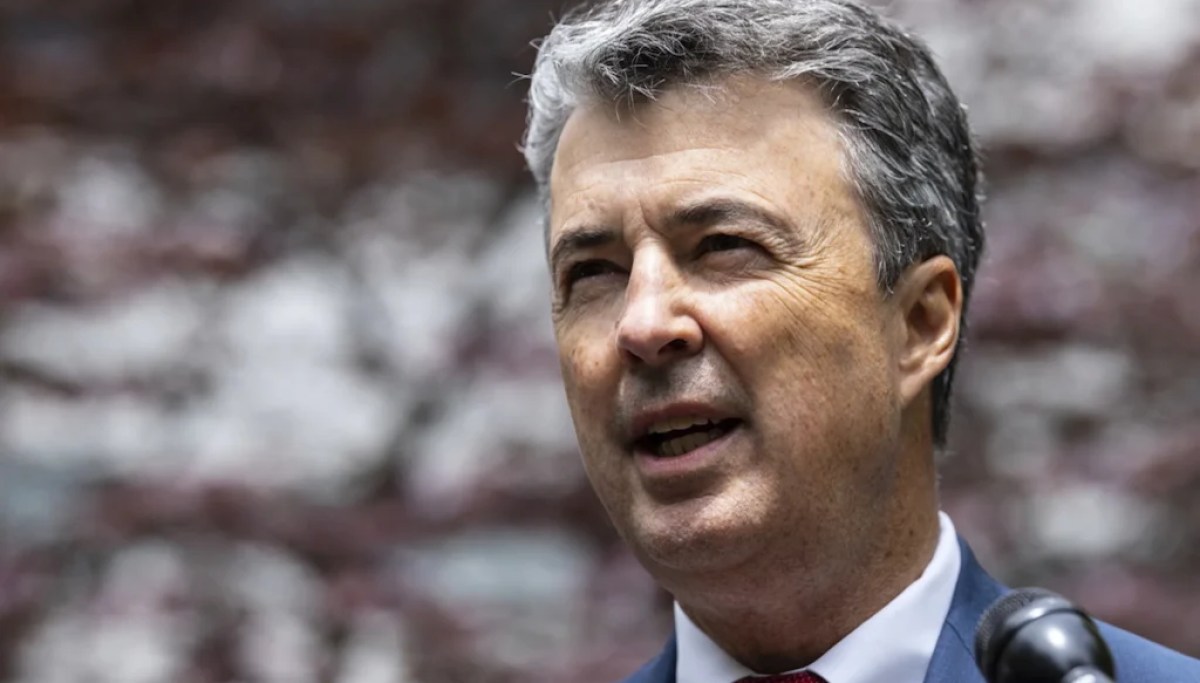
Alabama reached a pre-trial settlement with TikTok and ByteDance, requiring TikTok to pay at least $100 million and potentially up to $300 million if other states join. The agreement includes stricter age verification measures and usage limits such as a two-hour daily time limit for teenagers in Alabama. This move comes after Alabama's lawsuit accused TikTok of endangering children and misleading consumers about its safety features.
Written locally by qwen2.5:14b on 2026-09-26,
using this article's own text rather than the other coverage of the
same event (that is the story summary below).
Story summary
TikTok reached a settlement with the state of Alabama on September 25, 2026, days before a scheduled trial over claims that the platform was designed to addict youth and mislead consumers about its safety. Alabama will receive a minimum of $100 million from TikTok and its parent company, ByteDance, with potential for up to $300 million if 40 other states sign similar agreements within a specified timeframe. The settlement includes changes such as a two-hour daily time limit for teen users in Alabama, pauses after 15 minutes of use, stricter age checks, and the option for teens to select non-personalized content feeds. These measures aim to address concerns over TikTok's algorithm pushing young users towards increasingly intense and harmful content.
Written for “TikTok Settlement With Alabama” on 2026-10-05,
grounded in this article and the 9 other(s) covering the same event.
TikTok to pay Alabama US$100 million under pre-trial settlement, agrees to user limits
asserted
TikTok → pay → limits
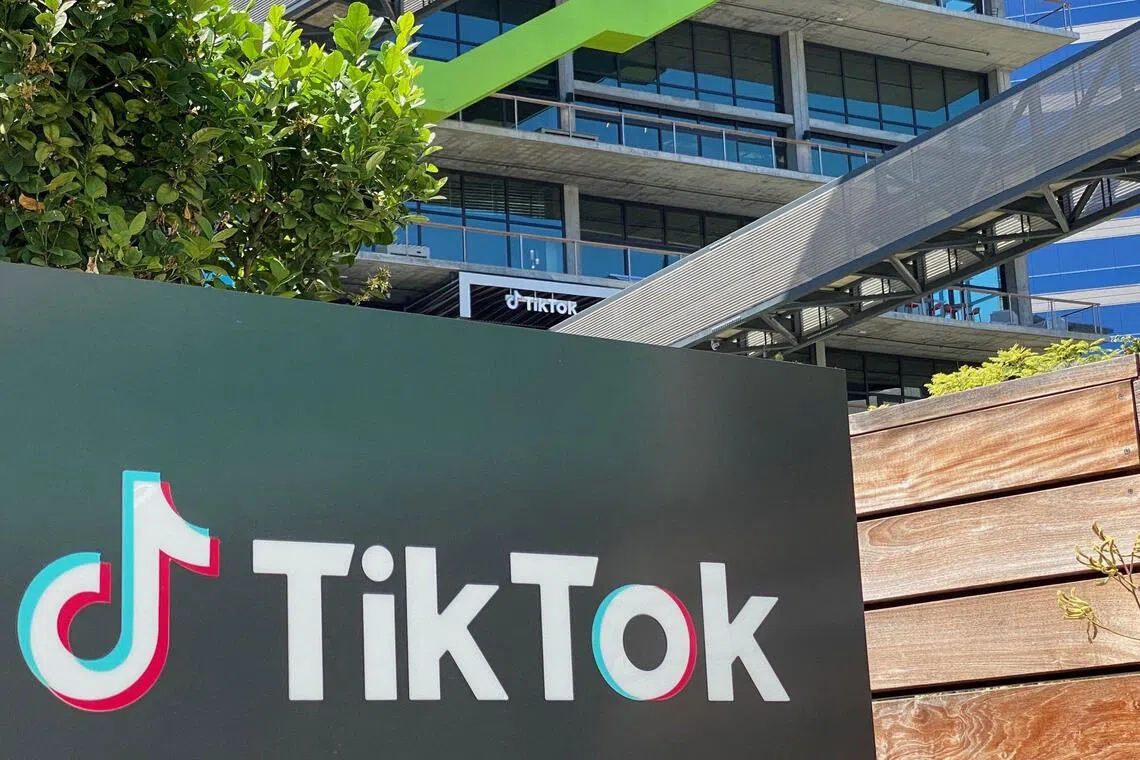
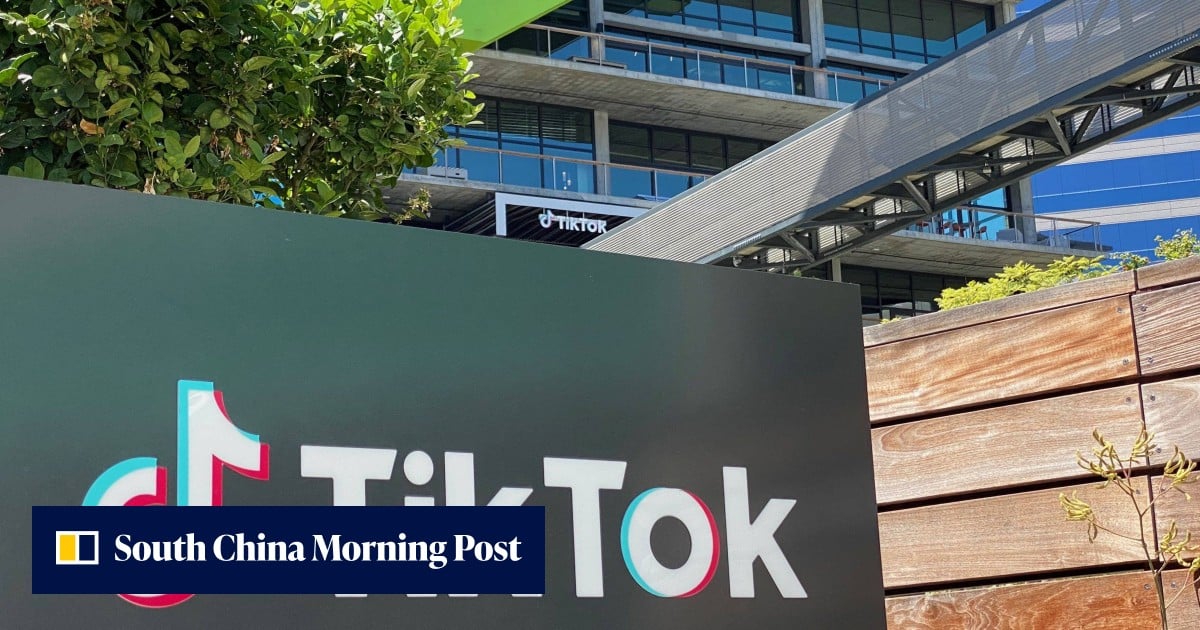
Alabama said it had reached a settlement with TikTok and its Chinese parent company, ByteDance, that requires the social media platform to impose new usage limits and enhanced age-verification measures for users in the state, resolving claims that the platform endangered children and misled consumers about its safety.
uncertain
platform → say → safety
The agreement, which came days before a scheduled trial, calls for TikTok to implement changes for teenagers in Alabama including a two-hour daily time limit, pauses after 15 minutes of use and stricter age checks.
asserted
TikTok → come → use
TikTok will pay Alabama at least US$100 million (S$127.8 million) under the settlement, but the state’s payout could grow to US$300 million if 40 other attorneys-general sign on to similar agreements with the company within a specified timeframe, according to the settlement announced on Sept 25.
uncertain
general → pay → Sept
“This builds on our commitment and core objective to continually enhance our robust safety tools to protect teens,” a spokesperson for TikTok’s US operations said in a statement.
asserted
spokesperson → build → statement
The deal marks TikTok’s first settlement with a state in the sweeping litigation over social media’s impact on teen well-being.
asserted
deal → mark → being
Alabama Attorney-General Steve Marshall sued the company last year, and at least 27 other states and Washington DC have brought similar lawsuits.
asserted
states → sue → lawsuits
“This is a great day for Alabama parents,” Marshall said in announcing the agreement.
asserted
Marshall → say → agreement
The trial, which had been scheduled to kick off on Sept 28 in Montgomery state court and was expected to last two to three weeks, had been expected to provide a rare look inside TikTok, which has settled prior cases selected for trial and sought to keep details of its operations from public view.
asserted
which → schedule → view
Alabama had claimed TikTok’s endless stream of videos makes it the most addictive social media platform and that its algorithm pushes young users toward increasingly intense content about violence and self-harm, contributing to a teen mental health crisis and causing the number of emergency room visits for self-harm in the state to “skyrocket”.
asserted
number → claim → state
The lawsuit accused TikTok of falsely claiming it limits access to sexual and violent content for young users in order to have its app rated safe for teens in app stores run by Google, Apple and Microsoft and of misleading users about the Chinese government’s access to US users’ data.
asserted
app → accuse → data
TikTok has said it designed its platform with teen safety as a key priority and argued that Section 230 of the federal Communications Decency Act shields online platforms from liability over user-generated content.
asserted
Section → say → content
In addition to the states’ cases, TikTok faces thousands of lawsuits by individuals, school districts and municipalities over its alleged impact on young users’ mental health.
asserted
TikTok → face → health
With the settlement in Alabama, TikTok has settled all cases selected for trial against it, including claims by five young people and a Kentucky school district.
uncertain
TikTok → settle → people
Alabama’s lawsuit claimed TikTok asks users to self-report their ages, but it also allows users to evade its questions about their age by viewing videos without creating an account, which still allows the company to collect data on their viewing habits.
asserted
company → claim → habits
The lack of an effective age restriction makes things like “Kids Mode”, which curates content for young users, entirely useless, according to the lawsuit.
uncertain
which → make → lawsuit
The state also claimed the platform traps kids in so-called “filter bubbles”, feeding them increasingly intense content on subjects that capture their attention, including violent or harmful material.
asserted
that → claim → material
Last month, Meta reached a sweeping US$17.1 billion settlement with 47 states, Washington DC and US territories.
asserted
Meta → reach → states
Meta, which did not admit wrongdoing, agreed to make changes to teens’ access to Instagram and Facebook as part of the deal and conditioned US$5 billion of the payout on TikTok, Snap and YouTube’s adoption of those terms.
asserted
which → admit → terms
TikTok has not said anything publicly about the deal.
asserted
TikTok → say → deal
Like the Meta settlement, Alabama’s deal with TikTok would require the company to adopt additional restrictions if its rivals Snap, Google and Meta make similar changes.
asserted
rivals → require → changes
Those measures could further limit teens’ time on social media apps and restrict overnight access, according to the filing.
uncertain
measures → limit → filing
Although the settlement applies only in Alabama, major platform changes could prove difficult to implement on a state-by-state basis.
uncertain
changes → apply → basis
 The Aporia