That is 0 articles you have read today.
The Aporia is free and carries no advertising, so readers are the only
thing paying for it. If you are getting this much out of it, a small
donation is what keeps it independent.
Daily limit reached
You have read 0 articles today.
That is more than the 15 a day The Aporia gives away,
and well past what it can carry on nothing. Your allowance resets at
midnight.
There is no advertising here and nothing about you is sold, so readers
are the only thing paying for it. If the site is worth this much of
your day, it is worth a few dollars.
Everything else stays open: the
maps, the
directory and
search do
not count against this, and neither does re-opening something you have
already read today.
US Trade Representative Jamieson Greer stated on Friday that President Trump’s administration has no immediate plans to resolve the ongoing trade dispute with Canada. New US import bans on Canadian products will take effect next week, and the US is threatening 50% tariffs on Canadian autos, parts, and steel starting January. The current tension between the two nations, which includes Canadian retaliatory tariffs on US goods worth $20 billion, highlights the strained relationship despite ongoing trade activities in other sectors like oil and agriculture.
Written locally by qwen2.5:14b on 2026-09-25,
using this article's own text rather than the other coverage of the
same event (that is the story summary below).
Story summary
U.S. Trade Representative Jamieson Greer told CNBC that President Donald Trump is comfortable with the current state of trade talks with Canada, stating there's no urgency for a new deal despite ongoing tensions between the two countries. The dispute intensified after negotiations collapsed in August, when Ottawa walked away from discussions over last-minute demands by the U.S., including restrictions on Canada’s ability to enter into other trade deals. In response, both sides have imposed retaliatory tariffs on goods like steel, aluminum, and dairy products. Greer noted that while strong trade continues between the nations—particularly in oil, gas, and potash—Trump's administration feels no rush to resolve the dispute despite concerns raised by Canada’s Prime Minister Mark Carney about sovereignty issues.
Written for “US Canada Trade Dispute” on 2026-10-05,
grounded in this article and the 4 other(s) covering the same event.
Claims extracted
14
claim-shaped sentences
Uncertain
21%
3 of 14 hedged
Leaning
Leans right
of the writing, not the subject · beta estimate
Correction & hedging signals
59.1
corrections and hedging in what we collected;
not a measure of accuracy
Outlets on this story
5
Politics
Narrative spread
1
articles carrying this framing
Trump sees no urgency for Canada deal as trade dispute deepens, USTR says
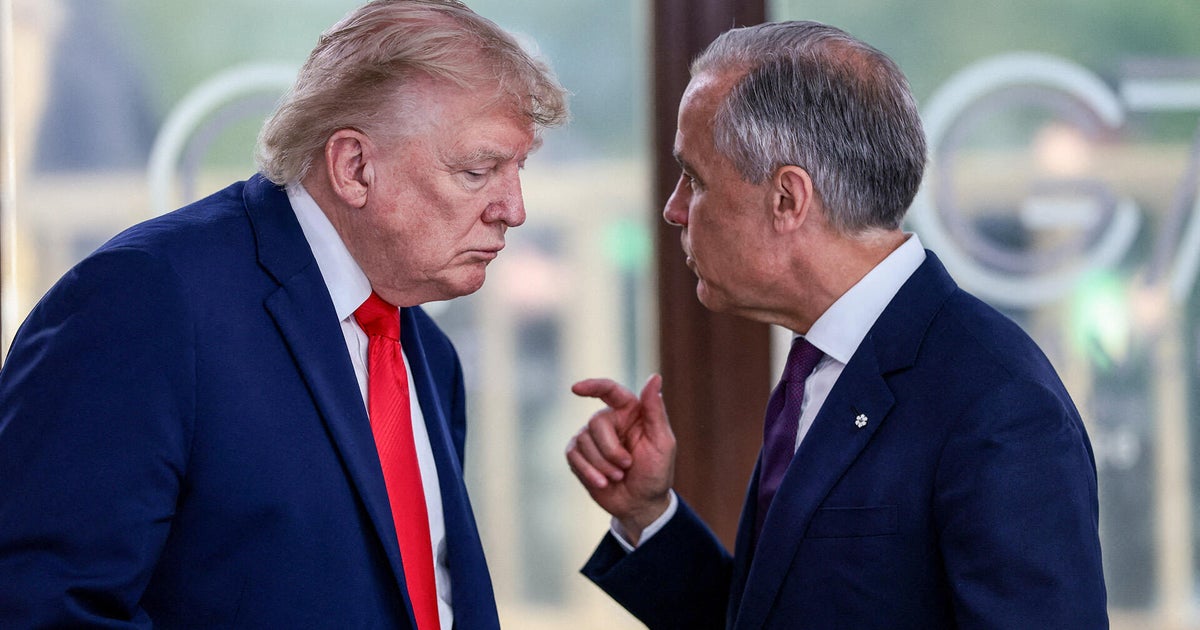
WASHINGTON, Sept 25 - President Donald Trump's administration is comfortable maintaining its trade standoff with Canada even as new US import bans on Canadian products take effect next week and Washington threatens 50% tariffs on Canadian autos, parts and steel from January, US Trade Representative Jamieson Greer said on Friday.
asserted
Greer → see → Friday
His comments to CNBC signal Washington sees little need to compromise despite a deepening dispute that has strained relations between the longtime allies, triggered retaliation on both sides of the border and raised fresh questions about the future of the US-Mexico-Canada trade agreement.
asserted
that → signal → agreement
The looming US import bans are on a broad range of Canadian goods, including alcoholic beverages, motorcycles and dairy products.
asserted
bans → loom → beverages
The January increase on tariffs to 50% could carry significant consequences for North American auto production.
uncertain
increase → carry → production
Canada's own retaliatory tariffs on US goods took effect earlier this month.
asserted
tariffs → take → effect
Canadian tariffs followed 50% tariffs that the US imposed on some $20 billion of Canadian goods last month, after several rounds of negotiations collapsed.
asserted
rounds → follow → negotiations
"We're still getting what we need from them in terms of oil, gas, potash, all of these things.
asserted
we → get → things
We're shipping (agricultural products) back and forth across the border, so there's still a lot of strong trade between the two countries," Greer told CNBC.
asserted
Greer → ship → CNBC
They call us now and then, and we have good conversations about potential deals.
asserted
we → call → deals
But it's not – there's no urgency on our side, I would say.
asserted
I → be → side
"
The Canadian Embassy in Washington did not immediately comment.
asserted
Embassy → comment → Washington
The breakdown has widened a rift between the longtime allies, who have blamed each other for the failed talks, spurred Canadian Prime Minister Mark Carney to urge a further shift away from Canada's biggest trading partner, and cast doubt on the viability of the US-Mexico-Canada Agreement.
asserted
who → widen → Agreement
Some experts think the Trump administration wants to first reach a deal with Mexico, which could give the US more leverage to get a better agreement with Canada.
uncertain
which → think → Canada
The next round of talks with Mexico could occur in October, Mexican officials said this week.
uncertain
officials → occur → October
 The Aporia