That is 0 articles you have read today.
The Aporia is free and carries no advertising, so readers are the only
thing paying for it. If you are getting this much out of it, a small
donation is what keeps it independent.
Daily limit reached
You have read 0 articles today.
That is more than the 15 a day The Aporia gives away,
and well past what it can carry on nothing. Your allowance resets at
midnight.
There is no advertising here and nothing about you is sold, so readers
are the only thing paying for it. If the site is worth this much of
your day, it is worth a few dollars.
Everything else stays open: the
maps, the
directory and
search do
not count against this, and neither does re-opening something you have
already read today.
President Trump announced on his Truth Social platform a potential "massive" deal for the United States to purchase potash from Belarus, shifting away from Canada due to trade tensions and seeking cheaper prices beneficial for US farmers. Currently, 79% of US potash imports come from Canada, while only 4% is sourced from Belarus. This move reflects Washington’s willingness to engage with Minsk despite Belarus's human rights issues and support for Russia’s invasion of Ukraine; however, exiled opposition leader Sviatlana Tsikhanouskaya warns against trading with Lukashenko’s regime due to its use of potash revenue for repression and Russian military support.
Written locally by qwen2.5:14b on 2026-09-22,
using this article's own text rather than the other coverage of the
same event (that is the story summary below).
Story summary
President Donald Trump announced plans for a "massive" deal with Belarus to purchase fertiliser, specifically potash, amid an escalating trade war with Canada, which currently supplies 79% of US potash needs. This move towards Belarus, despite its repression and support for Russia’s invasion of Ukraine, reflects Washington's willingness to pivot away from traditional allies if it means securing cheaper resources. In 2024, the US imported most of its potash from Canada, followed by Russia with 11%, and Belarus with only 4%. Canada is the world leader in potash production, sourcing all its output from just 10 mines located in Saskatchewan, making it highly unlikely for Belarus to fully replace Canada's supply.
Written for “Trump Belarus Fertiliser Deal” on 2026-10-05,
grounded in this article and the 1 other(s) covering the same event.
Claims extracted
14
claim-shaped sentences
Uncertain
7%
1 of 14 hedged
Leaning
Leans right
of the writing, not the subject · beta estimate
Correction & hedging signals
59.7
corrections and hedging in what we collected;
not a measure of accuracy
Outlets on this story
2
Politics
Narrative spread
1
articles carrying this framing
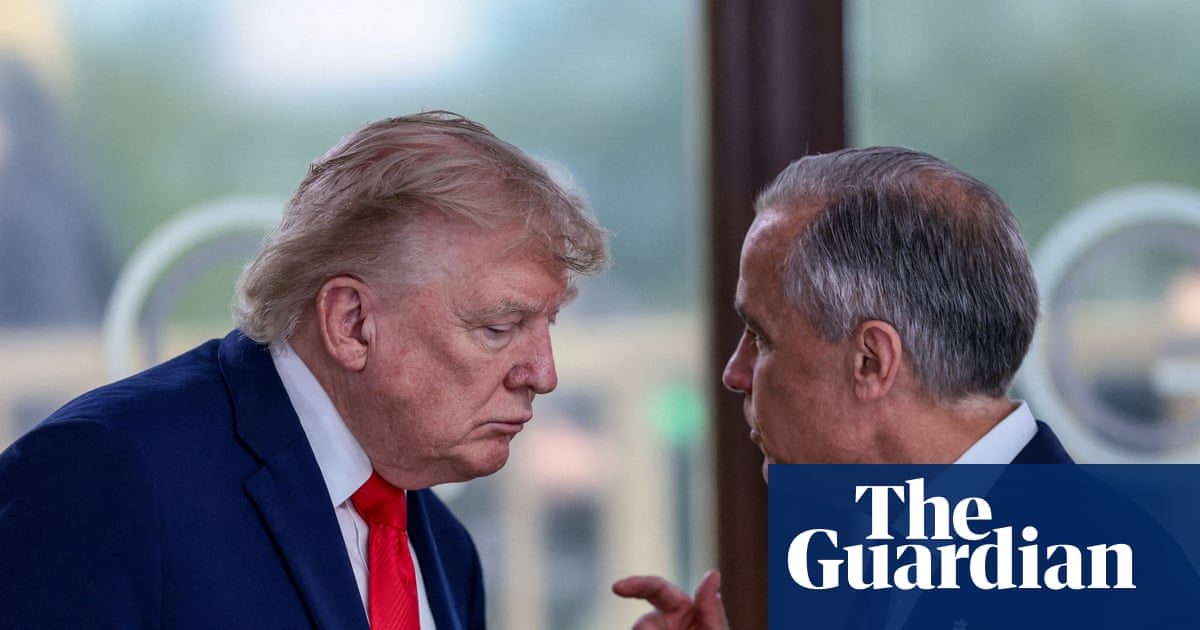
President Donald Trump has said he is working on a “massive” deal to buy fertiliser from Belarus, pivoting away from main supplier Canada amid an escalating trade dispute, and moving instead toward an ally of Russia.
asserted
he → say → Russia
“The United States is working on a massive deal with respect to the purchase of Potash from Belarus,” Trump said on his Truth Social network.
asserted
Trump → work → network
“The pricing would be for substantially less than we are currently paying to Canada, very good news for our farmers and ranchers.
asserted
we → pay → farmers
In recent weeks Trump has stepped up his trade war with Canada, a long-term US ally and the country’s biggest supplier of potash.
asserted
Trump → step → potash
The announcement on Monday shows Washington’s willingness to pursue dialogue with Minsk despite its repression of dissidents and support for Russia’s invasion of Ukraine.
asserted
announcement → show → Ukraine
The US imports most of its potash – a chemical salt used to manufacture fertiliser – and prices soared after the Ukraine war began in 2022.
asserted
war → import → 2022
In 2024, 79% came from Canada, 11% from Russia and 4% from Belarus, according to the US Geological Survey.
uncertain
% → come → Survey
Washington has quietly moved to thaw relations with Belarus under Trump’s second administration.
asserted
Washington → move → administration
Last week, Belarus freed 25 political prisoners as the US lifted sanctions on two of the country’s companies.
asserted
US → free → companies
But hundreds remain in prison after President Alexander Lukashenko, in power since 1994, suppressed mass protests over his reelection in 2020, which was followed by a wave of sanctions.
asserted
which → remain → sanctions
Western countries again squeezed Belarus with sanctions in 2022 after Minsk allowed Moscow to invade Ukraine through its territory.
asserted
Moscow → squeeze → territory
Belarus’s exiled opposition leader, Sviatlana Tsikhanouskaya, on Monday warned that any deal with Lukashenko was “very risky”.
asserted
deal → exile → Lukashenko
“Our position is that it is not time to trade with the regime while all the income from potash goes to repression, goes to support of the Russian war machine,” Tsikhanouskaya told Agence France-Presse.
asserted
Tsikhanouskaya → trade → Presse
She stressed, however, her belief that Americans “know who Lukashenko is”.
asserted
Lukashenko → stress → belief
 The Aporia